Visa
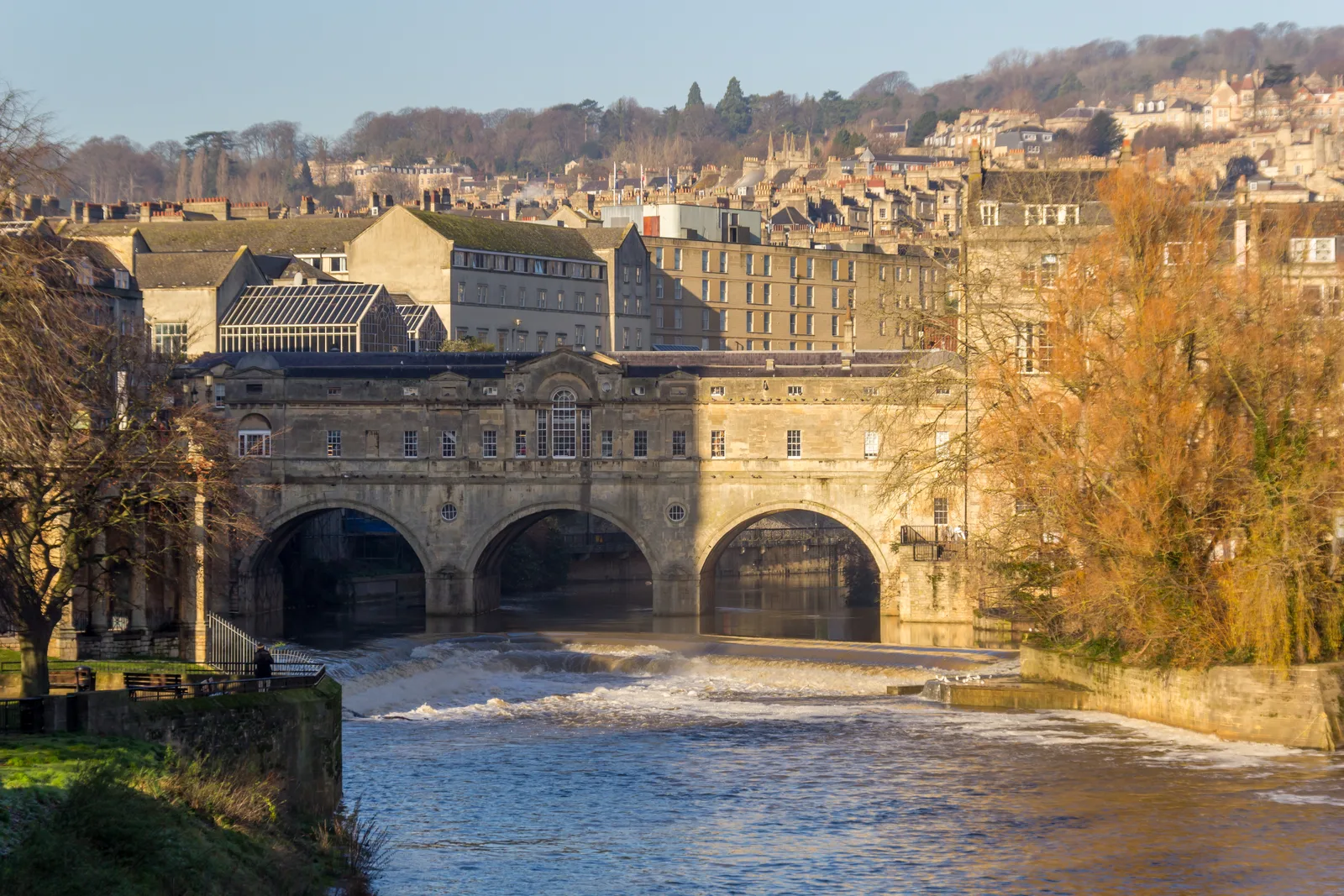
Bath is a compact city with more than one reason to stay
Bath puts unusually different experiences close together: Roman archaeology, Georgian streets, a working abbey and modern thermal bathing. Its central area suits a weekend on foot, but the surrounding hills change the calculation once you choose accommodation or plan a longer walk. Come for a particular interest and give it time. A rushed photograph beside the water tells you much less than a proper museum visit or an afternoon following the architecture through adjoining streets.
Two days make a useful first visit, with an extra day for a long walk, another museum or a spa appointment. An overnight stay also lets you spread paid attractions across different days. If you are considering living here, add an ordinary weekday to the trip: the route to work, the groceries and the condition of a prospective home need a separate assessment from the visitor centre's handsome surroundings.
Why the springs and Georgian streets belong in the same story
Bath's World Heritage information records two inscriptions: the City of Bath in 1987 and its inclusion in the Great Spa Towns of Europe in 2021. These recognise different aspects of a connected history. The tourism board's heritage overview identifies Roman remains, hot springs, eighteenth-century architecture and planning, alongside the city's social and landscape setting. It is the relationship between buildings, water and terrain that rewards attention, rather than a single isolated monument.
Read the streets as well as visiting interiors. Compare a long, coordinated terrace with a smaller shopfront, or the formal sweep of a crescent with the route that connects it to the centre. Attractive historic buildings remain homes, workplaces and businesses; keep doorways clear and respect private boundaries. You do not need to enter every museum to appreciate the city, but one well-chosen interior can explain what the public façades leave out.
Make an orientation walk before filling the timetable
Start around the Abbey and Roman Baths, then use the streets towards the river and Pulteney Bridge to understand the centre's scale. Keep the Royal Crescent and Circus together as an architectural outing, allowing time to notice their details instead of treating them as two distant appointments. A short line on a map can still involve a slope, a crossing or a crowded pavement, so compare actual routes when travelling with luggage or limited mobility.
Roman Baths: book a museum visit, not a swim
The Roman Baths are the starting point for understanding why this city developed around its springs. They are an archaeological attraction and museum: visitors cannot swim here. The operator also warns against touching or drinking the untreated water in the Great Bath. A visit to see the remains and a session of modern thermal bathing are separate experiences requiring separate planning.
For September–October 2026, the published advance adult tariff is £26.50 on weekdays and £29 at weekends and bank holidays, with on-the-day tickets £2 higher. These are dated prices, not a promise for every future season. Children under six enter free but still need a reserved ticket. Book the correct age category and date, and check any concession's evidence requirements before comparing the final family total.
The visitor rules require a booked time slot and recommend allowing ninety minutes to two hours. The final admission of the day may leave too little time to see everything. Leave suitcases elsewhere: only backpacks up to thirty litres are permitted. Although lifts make much of the site wheelchair-accessible, seeing the entire complex still involves steps. Review the access route for your own requirements rather than assuming an ancient site is either wholly inaccessible or completely step-free.
Thermal bathing has its own age rules
Thermae Bath Spa provides modern bathing in treated thermal water, including its rooftop pool. The minimum admission age is sixteen, with proof of age required; treatments have a minimum age of eighteen. Families with younger children need a different shared activity rather than arriving with an assumption that a spa is a conventional family swimming pool.
Check the current session, inclusions and booking conditions directly before paying. A treatment package advertised on promotion is not necessarily the price of standard admission. Leave enough space around the appointment for changing and the next journey, and ask the operator about any individual access or health-related requirements. The historic baths and the modern spa can complement each other, but neither ticket should be assumed to cover the other.
No.1 Royal Crescent: look beyond the frontage
The historic house at No.1 Royal Crescent presents rooms furnished to evoke the period 1776–1796, exploring the lives of wealthy occupants and servants. The interior provides a useful counterpoint to admiring the crescent from outside: the grand street frontage was only one part of how a household worked. Film and sound form part of the museum experience.
The current visiting information lists an adult ticket at £16 and free admission for accompanying under-eighteens, with a maximum of four children per adult. Usual opening is Tuesday–Sunday, 10am–5.30pm, with last entry at 4.30pm; Mondays have school-holiday and bank-holiday exceptions. There is a specific closure from 16–28 November 2026, as well as 25–26 December. Build around those dates rather than treating the regular weekly hours as sufficient. Ask about the route if you have access needs, and check the current booking calendar for your visit.

Bath Abbey: separate general entry from a tower climb
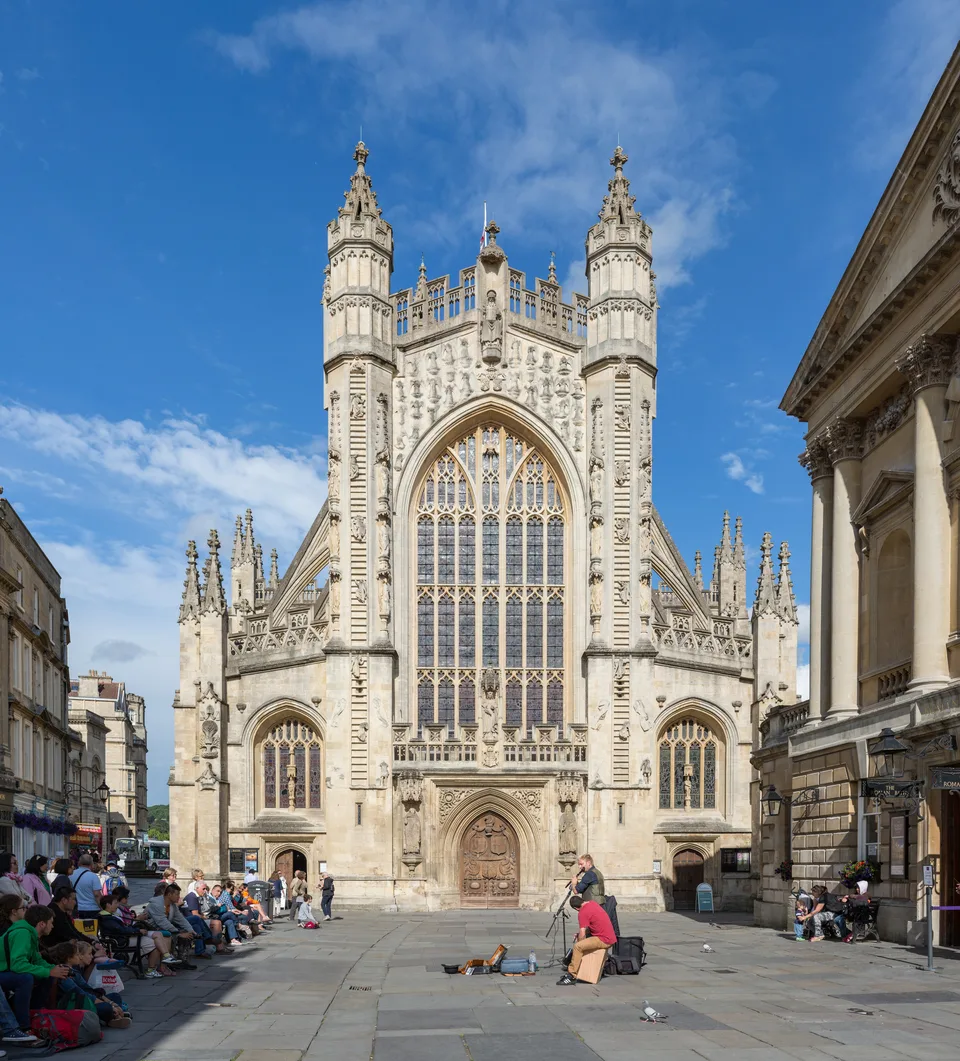
The Abbey's current visitor information lists general adult admission at £9, students at £7.50 and children aged five to fifteen at £5. An audio guide costs extra. General admission and a tower tour are different choices, so read the inclusions before buying. This is a working church, with a shorter Sunday visiting window and possible changes around worship or special events. The stated final entry is thirty minutes before closing.
Inside, look up at the fan vaulting and take time with the memorials, rather than only moving towards the next photograph. The guided tower tour involves 212 steps and normally lasts an hour, operating Monday–Saturday subject to availability. It is a physical climb, not a lift to a viewing platform. If that is unsuitable, keep the ground-level visit as a worthwhile activity in its own right. Suitcases are not allowed inside the Abbey and there is no luggage storage there.
The Circus: architectural details repay a slower look
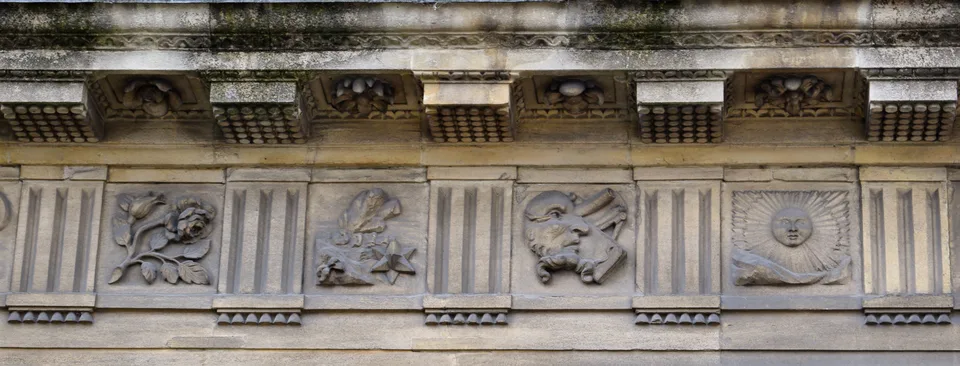
The Royal Crescent offers a broad composition; at the Circus, give some attention to smaller carved details and the rhythm of repeated windows and columns. You can make this a deliberate pause in an architectural walk, comparing what stays consistent across a group of buildings and what individual occupants have changed. The public view and a paid historic-house interior offer different kinds of understanding.
Bathwick adds parks to a central stay
Across the river, Visit Bath's Bathwick overview introduces Great Pulteney Street, Henrietta Park, Sydney Gardens and the route towards the higher fields. Use this side of the city for a change of pace between ticketed visits. It is particularly useful when a party wants a walk and somewhere to pause rather than another long indoor appointment. Choose the particular park or route that fits the weather and everyone's walking range.
Distinguish the streets and gardens from a walk uphill into open country. A hotel described as Bathwick could place you on a very different daily route from another property using the same area name. For a longer stay, test the journey with shopping or at the end of a working day. Views and proximity to greenery are benefits to weigh against access, travel time and the practical layout of the home itself.
The Fashion Museum is a future visit, not a current stop
The Fashion Museum's relocation information says it left the Assembly Rooms in 2022 and plans to reopen in the Old Post Office in 2030. Do not use an older itinerary that sends you to its former permanent display as though it remains open. The museum continues collection and outreach activity, but that does not make the planned new building a present-day attraction you can tour.
Eating and shopping: leave room for ordinary discoveries
Bath's local specialities include two distinct buns: the brioche-like Sally Lunn bun and the sweet yeast Bath bun. They are not interchangeable names for the same product. Try one because it appeals to you, rather than treating a particular tea-room stop as compulsory. The city's food story also reaches into the surrounding countryside, including cheeses made outside the urban centre. Check ingredients and dietary requirements directly with the business preparing your meal.
For shopping, Walcot and the London Road area offer an alternative to concentrating every purchase around the main attractions, with independent businesses including vintage clothing and homewares. Browse against your interests and luggage allowance; a fragile or bulky object needs a transport plan. For everyday budgeting, separate a special afternoon tea or long restaurant meal from routine breakfast and lunch. Inspect current menus before choosing, and keep a simple fallback for the evening when a delayed arrival changes your original booking.
Accommodation: check what the attractive exterior contains
The official accommodation directory includes hotels, guesthouses, pubs with rooms, self-catering and budget options. A traditional building can provide character without necessarily providing a lift, air-conditioning or a convenient place for a large suitcase. Ask about the particular room, entrance steps and bathroom. A photograph of one attractive room should not stand in for the terms of the room category you are booking.
For families or a longer visit, compare an apartment's actual cooking and laundry facilities with a hotel's breakfast, housekeeping and luggage storage. In a spa hotel, establish whether pool access, treatments or particular sessions are included. Add parking and the final transfer to the total. A lower room price farther away may still work well, but compare it with the journeys you expect to make. Flexible cancellation can be useful when your trip depends on a specific attraction or a travel connection.
Arriving by train or through Bristol Airport
Bath Spa is the central railway station. Visit Bath's arrival information describes rail links with London Paddington and connections through Bristol, alongside airport options. Search the real departure and return dates before booking a timed attraction. Allow for any engineering work, the walk from the station and a place to leave bags. A quoted train journey describes time on the railway, not the complete trip from your previous hotel to a museum entrance.
From Bristol Airport, the current A4 timetable provides a direct bus connection through places including Keynsham and Saltford. The operator's stop changes moved the Bath terminus into Bath Bus Station, bay 13, replacing older Dorchester Street arrangements. At review, the Airport Flyer fare page lists £9.50 for an adult single and £16 for a return, with the return journey required within thirty days. Standard local bus tickets do not cover airport travel. Check the journey duration and service notices for your day rather than relying on an old AirDecker fare chart or an assumed one-hour transfer.
Getting around and deciding whether to drive
Walking works for much of the central sightseeing programme, while buses become more useful for accommodation farther out, appointments and the surrounding area. Choose a ticket for the services you will actually use. Where using the operator's adult contactless Tap On, Tap Off arrangement, tap on when boarding and off when leaving, with the same card or device. Follow the current ticket instructions rather than assuming every British city's contactless system works identically.
For drivers, the three park-and-ride sites are Newbridge, Lansdown and Odd Down, served by routes 21, 31 and 41 respectively. Parking is free for users and the bus journey is paid. Check the day's final departure and site conditions before making an evening plan. Do not confuse leaving a car at a park-and-ride site with arranging long-term or overnight parking. Central accommodation with its own parking may still be convenient, but establish the price, vehicle restrictions and whether you must reserve a space.
Clean-air rules depend on the vehicle, not the reason for travel
The council's clean-air vehicle guidance explains that private cars and motorcycles are not charged, except taxis and private-hire vehicles. Chargeable categories can include vans and some campervans that fail the relevant emissions standard, even when used privately. Check the actual classification before assuming a hired van or camper has the same treatment as a car. Non-UK registration does not remove a chargeable vehicle's obligation.
For a chargeable journey, payment can be made up to six days in advance, on the day or in the following six days. Charges operate midnight to midnight, so crossing into a second calendar day can matter. Use the official service linked by the council. Separately, parking has its own conditions and prices: being exempt from a clean-air charge does not create permission to park or make parking free. Resolve both questions before arriving in a vehicle you are unfamiliar with.
Weather and the best time for your kind of visit
The Met Office's regional climate material places Bath within a south-western climate influenced by Atlantic weather. Its regional overview draws on historical observations, so avoid treating those averages as a forecast for your holiday. Spring and summer give more daylight for street walks and gardens; autumn and winter can work well for museums and architecture if you reserve space for changing the outdoor plan.
Bring a waterproof layer and footwear that copes with wet stone and paths. A countryside walk needs more preparation than moving between central cafés, whatever the season. Before departure, check the forecast alongside attraction opening days and any seasonal closures. Compare available rooms and travel on several dates: your combination of accommodation, transport and admissions determines the final cost.
A two-day itinerary with room to enjoy the city
On the first morning, use a prebooked Roman Baths slot and allow the recommended time for the museum. Leave space for lunch before an Abbey visit, checking its actual opening window and whether you want the tower. Spend the later afternoon around the river and Pulteney Bridge. Keep the evening near your base if you arrived that morning, rather than making the whole day depend on an additional appointment.
On day two, combine the Circus and Royal Crescent, adding No.1 if its opening calendar suits your dates. Choose Bathwick's parks or a modern spa session for the afternoon, recognising the spa's minimum age. During No.1's closure, make the architecture walk itself the focus and choose another confirmed indoor activity if needed. For a single day, concentrate on the Roman Baths, the Abbey area and one walk. Trying to add every museum, a full bathing session and the hills would leave very little time to appreciate any of them.
Give the Skyline walk a proper place in the schedule
The National Trust's Bath Skyline route is a six-mile circular walk, graded moderate, with an indicated duration of three and a half to four hours. That is a substantial outing before adding the approach from your accommodation: Bath Spa station is about 0.8 miles from the route's stated start. It belongs in a walking day or a carefully chosen half-day, not as a brief detour between tightly timed admissions.
Follow the current route directions, take appropriate shoes, water and weather protection, and allow for ground conditions and daylight. If that distance is unsuitable, choose a shorter outing rather than assuming that the whole Skyline is a level city pavement. The city and its landscape make more sense together, but an enjoyable view does not require exhausting everyone in your party. Keep enough flexibility to turn back or choose a central park when the weather changes.
Moving to Bath: investigate the address before the image
For a relocation, start with the actual workplace, campus or household destination and compare routes from prospective homes. Test the commute at the time you would use it, including the final hill or walk from a bus stop. A central address may reduce travel for one person while doing little for another working elsewhere. Calculate rent, utilities, council tax and transport together, leaving a margin for the first month's practical purchases.
Use the council's private-rental information to understand search options and available advice. Its Bath advice sessions are by appointment, so check the arrangements before travelling to seek help. At a viewing, inspect heating, ventilation, damp, storage and included appliances; clarify responsibility for repairs. Ask about broadband at the exact address and the building's access arrangements. Students should also use their institution's housing support, particularly when comparing a room in a shared house with purpose-built accommodation.
Rental rights and essential services need separate checks
The government's tenant overview explains England's changes from 1 May 2026. Most existing assured shorthold tenancies became rolling assured periodic tenancies, and new assured tenancies follow the new framework. Section 21 no-fault eviction ended, with transitional provisions for some earlier cases. Different arrangements apply to lodgers, student halls and social housing. Read the guidance for your actual agreement rather than assuming every room is let on identical terms.
For routine healthcare, the NHS registration guidance says you do not need identification, address evidence or proof of immigration status to register with a GP. That does not establish eligibility for every kind of free hospital treatment; hospital charging rules are separate. Plan continuing treatment and appropriate cover before the move. On arrival, record meter readings, arrange utilities, identify local services and resolve refuse collection and building access. These ordinary tasks should be part of your schedule, alongside any school or childcare applications relevant to your household.
Tourism, employment and residence require different permission
Check the Standard Visitor rules against your nationality, status and proposed activities. The standard visa currently costs £135 for a visit of up to six months; some travellers instead need an ETA or neither document. Visitor permission generally does not authorise UK employment or self-employment, apart from specific permitted exceptions. Repeated visits cannot be used to make the UK your main home.
Where required for an eligible traveller, the electronic travel authorisation currently costs £20 per person, including children, and does not guarantee entry. Use the official application service and check passport details carefully. For a job or formal study, investigate the applicable work route or Student visa before committing to a move. A tenancy, spa reservation or university enquiry gives no independent right to live permanently in the UK. Conditions depend on the permission you hold and the activity you intend to undertake.
Nearby alternatives and useful VisaWand connections
Bristol is worth considering as a separate urban stay or an additional day, rather than an automatic stop squeezed between Bath bookings. VisaWand's Bristol location page provides a starting point for that destination; check your actual rail connections and interests before combining them. The London city guide helps when planning a trip that includes the capital or comparing possible UK bases.
Continue with VisaWand's UK country guide for national context, the UK location directory for other places and the UK destination and consultant listings for professional-support options. The location directory is a way to find settlements, not evidence that each has a completed article. If arranging advice, check the professional's relevant authority, the written service scope and fee. Bring your nationality, purpose and intended dates so the consultation addresses the decision you actually need to make.
Official planning resources
Reviewed 16 October 2026. Use the official resources linked throughout this guide for admission, transport, housing and immigration decisions. Prices, services and rules can change; confirm the details relevant to your dates. Photography illustrates the locations and is not a live view.
View all official resources
- Bath World Heritage: two inscriptions
- Visit Bath: history and heritage
- Roman Baths: visit information
- Roman Baths: September–October 2026 prices
- Roman Baths: booking, access and visitor rules
- Thermae Bath Spa: official visiting and bookings
- No.1 Royal Crescent: Georgian house museum
- No.1 Royal Crescent: tickets and opening
- Bath Abbey: visiting
- Bath Abbey: guided tours
- Visit Bath: Bathwick orientation
- Fashion Museum Bath: relocation and reopening plans
- Visit Bath: local food
- Visit Bath: Walcot Artisan Quarter
- Visit Bath: accommodation directory
- Visit Bath: arrival information
- First Bus: current A4 airport timetable
- First Bus: A4 stop and ticket changes
- First Bus: Airport Flyer fares
- First Bus: Bath Park and Ride
- Bath and North East Somerset Council: clean-air vehicle checks
- Met Office: regional climate resources
- National Trust: Bath Skyline walk
- Bath and North East Somerset Council: finding a private rental
- GOV.UK: renters rights for tenants
- NHS: registering with a GP
- NHS: hospital eligibility
- GOV.UK: Standard Visitor permission
- GOV.UK: electronic travel authorisation
- GOV.UK: work routes
- GOV.UK: Student visa
Plan the next part of your journey
Explore the United Kingdom guide, browse other cities or compare consultants for your travel and relocation questions.