Visa
Let the river and the seasons shape your visit
Seville is a city for walking between substantial visits: a palace courtyard in the morning, lunch behind a busy square, then the river as the heat eases. The Guadalquivir helps orient you, with Triana across the water from the monumental centre. The practical challenge is less a shortage of things to see than choosing a pace that leaves room to enjoy them.
For a first stay, three days allow the main monuments, a neighbourhood walk and time for food or a performance. A longer visit can test whether the same city suits ordinary life. Begin with the official Seville visitor information and VisaWand’s Spain country guide, then choose accommodation around your actual plans. Summer heat, festival crowds and the location of your room can affect the trip as much as the attractions themselves.
Understand the history behind the monumental centre
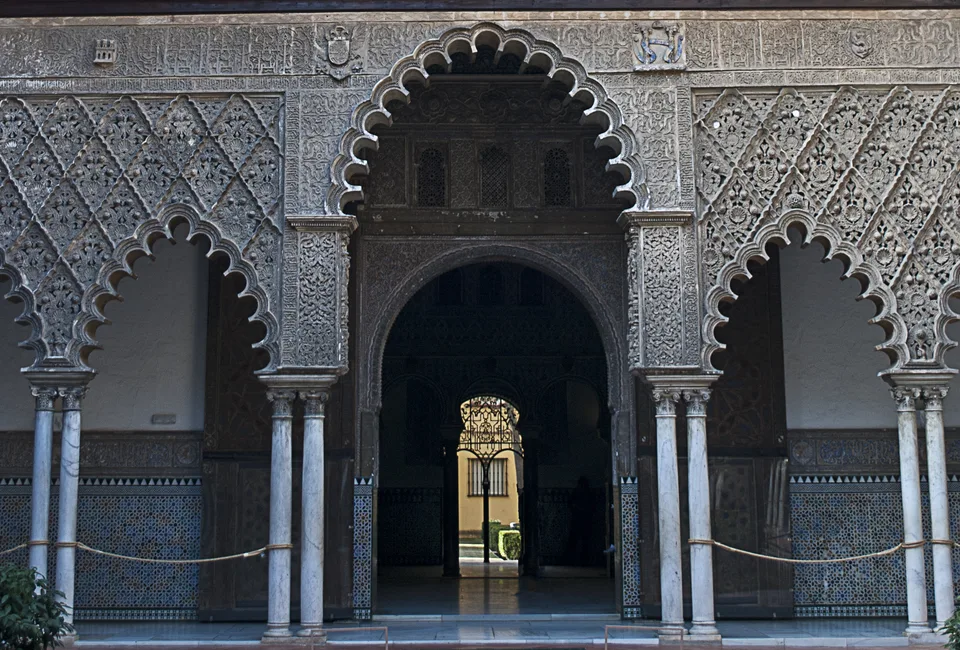
The Cathedral, Alcázar and Archivo de Indias tell connected stories of religion, monarchy and trade. They form the UNESCO-listed monumental ensemble, rather than a designation covering every street in Seville. The Giralda began as an Almohad minaret before becoming the cathedral’s bell tower. The Alcázar contains buildings and gardens developed across successive periods, including the Mudéjar palace of Pedro I.
The Archivo de Indias occupies a former merchants’ exchange and preserves records of Spain’s colonial administration in the Americas. Seeing these places together explains how political and commercial power shaped the city. Do not assume that the palace is the product of one ruler or one century.
Compare Santa Cruz, El Arenal and the wider centre
For a short stay concentrated on the Cathedral and Alcázar, compare addresses in and around Santa Cruz. The appeal is proximity to the monumental area and the chance to explore between bookings. Check the final approach carefully: a property described as central may still require a walk with luggage from the nearest vehicle access point.
El Arenal is worth comparing for a stay oriented towards the river as well as central sights. Elsewhere in the historic centre, choose the particular street and room rather than assuming that a district name guarantees quiet. Ask whether windows face a restaurant terrace, a busy pedestrian route or an internal patio. If stairs are a concern, obtain details of the entire route from entrance to bedroom. A lift advertised for the building may not resolve every change of level.
Look across the river, or north towards Alameda
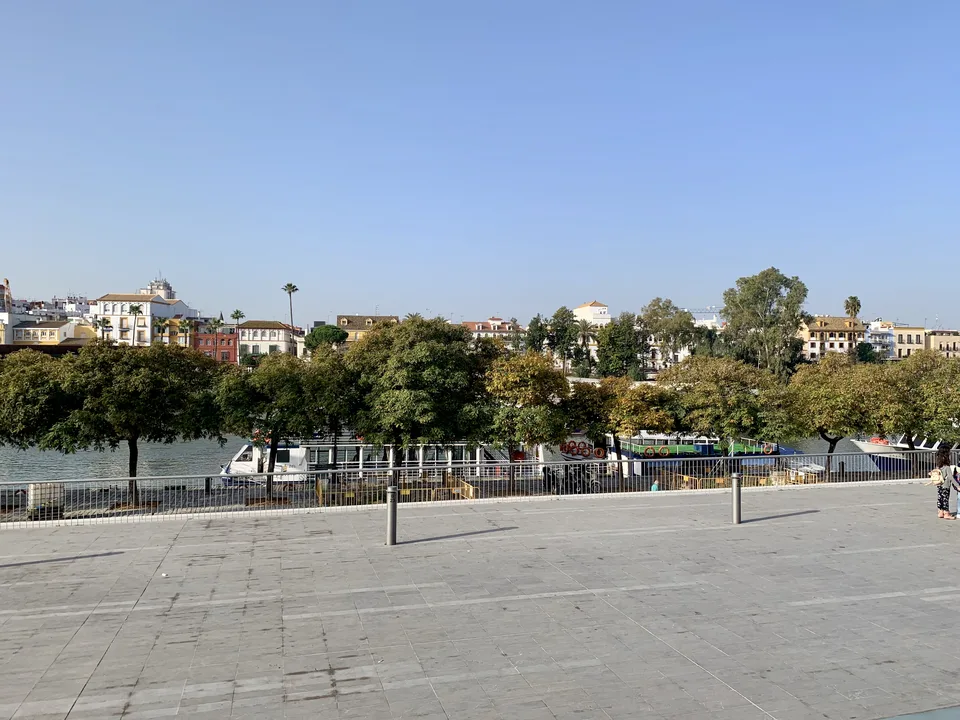
Triana offers a different base across the Guadalquivir. Include the bridge crossing in your daily plan rather than judging distance from a map pin alone. A riverside setting can be attractive for an evening walk, while groceries, transport and the exact street become more important during a longer stay.
Around Alameda de Hércules, the tourism office’s neighbourhood account emphasises bars, restaurants, creative venues and nightlife. That can suit a visitor who wants evenings close to home, but someone seeking early nights should investigate the room’s position. Do not treat every surrounding street as identical. For relocation, extend the search according to work or study: test the complete commute and visit the area at different times. A neighbourhood that makes a lively weekend may answer different needs from one chosen for a regular working week.
Book the Alcázar as a substantial visit
The Real Alcázar deserves time for both interiors and gardens. The monument’s official visitor page lists general admission at €15.50 and the Cuarto Real Alto at an additional €5.50. The upper royal rooms are a separate choice; a general ticket does not automatically include them. Check reduced or free admission eligibility before selecting a category, and bring the required evidence.
Reserve through the ticket portal linked by the Alcázar rather than a similarly named sales page. Enter personal details carefully: the booking FAQ requires identification details and says the physical identity document is checked on entry. Tickets cannot simply be rescheduled if your itinerary changes. Confirm the final amount and booking conditions before payment; checkout charges could not be independently checked during this review.
October–March admission is advertised from 9:30am to 5pm, with clearance beginning at 5:45pm. April–September admission extends to 7pm, with clearance at 7:45pm. Those are different cutoffs. Choose a slot that leaves time to explore rather than arriving close to the final admission period.
Give the Cathedral and Giralda their own appointment
The Cathedral’s current visitor page lists general admission at €13 online or €14 at the ticket office, with entry to El Salvador church included. Check the final booking total and any applicable handling charge. Specialist visits, audioguides and roof tours are different products; choose the experience you want before comparing prices.
The general visit begins at the Giralda and the printed ticket time is your access time. The standard schedule is Monday–Saturday from 10:45am and Sunday from 2:30pm, ending at 7pm, but worship and other activities can change access. Read the day’s notice before fixing the rest of your itinerary. If climbing the tower is unsuitable, check accessibility arrangements directly rather than assuming every part of a cathedral visit has the same demands.
Free Sunday public visits require an advance online reservation, have limited capacity and exclude public holidays. They are an opportunity to investigate, not a reliable substitute for a paid booking on a brief trip.
Make Plaza de España more than a photograph
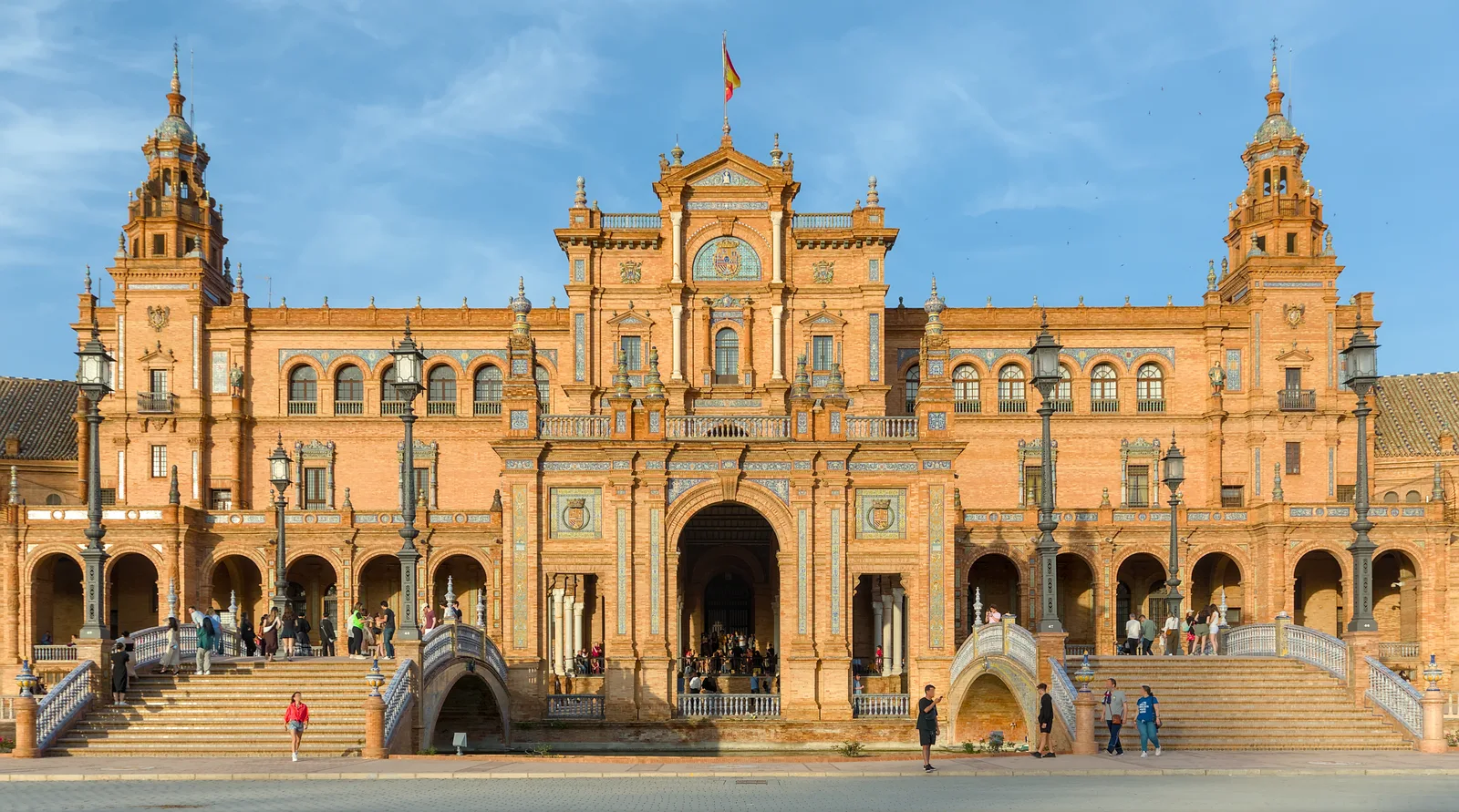
Plaza de España presents another period of Seville’s ambition. Designed by Aníbal González for the 1929 Ibero-American Exposition, its curved building, towers, bridges and ceramic decoration reward a slower look. The official Plaza de España information connects it with the surrounding María Luisa Park and highlights the decorated provincial benches.
Plan the square and park together, preferably when outdoor walking is comfortable. Leave time for shade and a drink instead of treating the exposed spaces as a midday endurance exercise. Check the events calendar: concerts and other activities can affect access. A canal boat is an optional extra, subject to current operation and price, rather than a necessary part of the visit. The surrounding buildings are not all open visitor attractions merely because their facades face a public square.
Use Triana and the river for a different afternoon
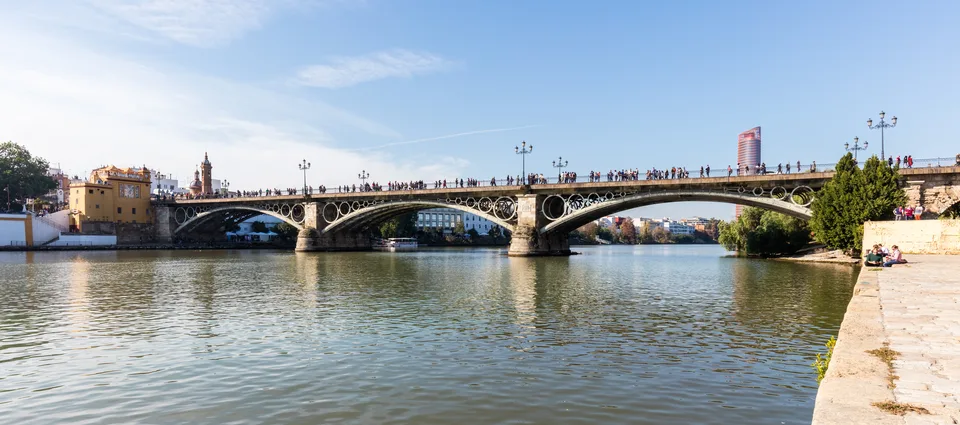
Crossing Puente de Isabel II, usually called Triana Bridge, creates a natural change of pace after the central monuments. Explore the riverside and the neighbourhood’s ceramic connections, then choose somewhere nearby for a meal. The city’s craft information points visitors towards Triana’s ceramic tradition and the Triana Ceramics Centre.
If you want to visit the centre, confirm current admission and hours rather than assuming a palace ticket means unrestricted entry at any time. The Alcázar’s published general-admission information includes access to several municipal museum spaces, but each venue still has its own arrangements. For a simple outing, a walk across the bridge and along the river can stand on its own. Plan the return according to your accommodation and energy, especially after a day already spent on foot.
Choose a performance for its programme
Flamenco can be a worthwhile evening when you choose a specific performance rather than an undefined package. Compare the advertised artists, running time, seating and whether the price includes a drink or meal. A concert-style presentation and dinner with a show can offer different evenings; neither should be assumed from the word flamenco alone.
Check the venue’s current programme and booking conditions, including age restrictions where relevant. Leave time for the journey and avoid a demanding afternoon immediately before a late performance. If music is central to the trip, make the reservation early enough to organise the day around it. For a quieter evening, the river and a neighbourhood meal may fit better.
Match the accommodation type to the trip
The tourism office’s accommodation information distinguishes hotels, hostels and pensions, tourist apartments and convent accommodation. Compare the practical arrangements rather than assuming one category always offers the best value. A staffed hotel may simplify a late arrival; an apartment may be useful when cooking, laundry and separate sleeping space matter.
For an apartment, ask who handles key collection, how repairs are reported and which charges are additional. Confirm cooling in the actual bedroom, not merely somewhere in the property. A photograph of a courtyard or terrace does not establish exclusive use. Check cancellation terms against your monument bookings and transport. For longer stays, begin with temporary accommodation so that a home search is based on visits and tested journeys.
Arrive at the airport with the return journey in mind
Seville Airport is identified by SVQ. The Aena airport-bus page lists the EA service at €6 for a single journey and €8 for a return valid only on the day of purchase. That return product should not be mistaken for a ticket covering the outward journey at the end of a holiday. The airport fare does not include a free transfer to another TUSSAM line.
Compare the bus stop with your final address and the walk with luggage. For a group, add all fares and any onward connection before comparing a taxi quote. Follow official airport signs for the boarding or taxi area, and confirm payment arrangements. Bank-card payment is listed for TUSSAM buses. Check the current timetable for an early flight or late arrival; allow for the road journey instead of relying on a promotional transfer time.
Keep city buses, tram and Metro distinct
Walking works well for a concentrated central itinerary, but transport becomes useful as you widen the area. The city transport overview distinguishes TUSSAM buses, the Metrocentro surface tram, the Metro and the Sevici bicycle system. They should not be treated as one interchangeable ticket network.
The TUSSAM visitor-ticket page lists an ordinary single ticket at €1.40 and a three-day tourist card at €10 plus a €1.50 deposit. Compare the journeys you will actually take and check the product’s current validity before buying. Airport travel needs separate attention. Some discounted products displayed during research referred to earlier subsidy measures, so this guide does not present those reductions as a guaranteed current fare.
For the Metro, consult current operator information for your route and ticket. For cycling, check the hire conditions and docking arrangements before setting off. Flat terrain does not remove the need to judge traffic, heat and confidence.
Read the station name before booking an onward journey
Seville can form part of a wider rail journey, but check the actual station and service on your ticket. Do not assume that a central sightseeing address is beside the departure point. Include the transfer, station access and reporting time when comparing rail with a flight or coach.
For coaches, confirm the operator and boarding station rather than relying on a city name in a search result. Save the ticket and departure instructions offline. A convenient-looking connection can become fragile if it depends on an incoming service arriving exactly on time. Leave a generous buffer before a flight, especially after a day trip. Hiring a car makes more sense when it serves a wider itinerary than when it adds parking and access questions to a stay concentrated on the historic centre.
Enjoy tapas without losing track of the bill
The tourism office’s tapas introduction describes eating as a way of moving through the city, with different bars and small dishes forming an evening. Start with a short list of places near each other rather than crossing Seville between every plate. Read the menu for portion sizes and prices: a tapa and a larger sharing portion are different purchases.
Ask what a dish contains if you have allergies or dietary restrictions. A vegetable-based description does not establish that the cooking uses no meat stock, fish or dairy. Check whether bread or other extras are charged, and clarify the service arrangement when sitting outside. Keep a simple meal available for a late arrival or a tired child instead of requiring every dinner to become a tour. No universal food budget can represent both modest bar orders and an extended restaurant meal.
Shop for work you can understand and transport
Ceramics offer a useful connection between what you see in Seville’s buildings and something you can take home. Ask where a piece was made, how it is decorated and whether it is suitable for food use if that matters to you. A decorative object and a kitchen item may require different care.
Compare prices and quality without assuming every souvenir is locally produced. Request a receipt and confirm packing, delivery and return conditions for a substantial purchase. Leave room in the luggage calculation: fragile ceramics are less convenient when bought just before an airport transfer. During a longer stay, finding ordinary grocery and household shops near home may be more useful than concentrating every purchase in the visitor centre.
Build a budget around the choices that change it
Accommodation dates, room type and repeated transport can have more effect on the total than a small purchase. Compare quotes with the same occupancy, cancellation terms and included services. Add admissions, airport journeys, meals and a reserve for changes. Keep an eye on final booking charges rather than adding only advertised base prices.
For two adults paying general admission, the Alcázar’s published base rate totals €31. Two Cathedral online admissions total €26 before any applicable booking extras. Four €6 single airport-bus journeys total €24 for two people arriving and leaving on different days. These examples help construct an itinerary budget; they do not establish a complete daily cost. Use dated room quotes and current menus for your trip. Carry a backup payment method and check the currency conversion offered before accepting it.
Take summer heat seriously when choosing dates
The AEMET climate table for Sevilla Aeropuerto uses the 1981–2010 baseline. It records July average daily highs of 36°C and lows of 20.3°C, compared with January highs of 16°C and lows of 5.7°C. The summer average is not an upper limit, and airport observations are not a forecast for a particular street or week.
For summer sightseeing, favour early outdoor visits, a substantial indoor or accommodation break and an easier evening. Check cooling carefully before booking. Spring and autumn can suit walking, while winter calls for layers and rain flexibility. The same historical table shows much more rain in December than July. Consult current forecasts and warnings near departure. For relocation, assess the home in the season that will test it most: cooling, shade and electricity costs deserve as much attention as an attractive terrace.
Let festival plans change the itinerary honestly
Holy Week and the Feria are reasons to visit in their own right. They also create a different city experience from an ordinary sightseeing week. Check the actual year’s dates, accommodation terms and transport notices before booking. A festival advertised in a general destination description is not evidence of the dates or access arrangements for your trip.
If the event is your priority, leave room for crowds and schedule changes instead of adding a full normal itinerary around it. If it is not, compare another period before assuming the same hotel price or ease of movement. Ask the accommodation about the practical route to its entrance during major events. For a longer stay, visit on ordinary weekdays too. Festival atmosphere is one part of the city, but it is not a test of the routine you would have after moving.
A three-day itinerary with room to pause
Day one: visit the Alcázar at your booked time, then explore the surrounding monumental area and Santa Cruz without another demanding appointment. Keep lunch and the evening flexible. If you have a Cathedral slot later, leave a proper break and enough time for its separate entrance arrangements.
Day two: make the Cathedral and Giralda your main visit if you did not combine them on the first day. Continue towards the river and cross into Triana for an afternoon walk or a ceramic-focused visit. Day three: explore Plaza de España and María Luisa Park, then choose shopping, another collection or a prebooked performance according to your interests.
In summer, shift outdoor portions to cooler hours. With two days, remove an extra activity rather than compressing every visit. A departure day needs its airport or station buffer before it needs one last monument.
Test daily life before signing for a home
For relocation, practise an ordinary week from temporary accommodation. Test the work or campus journey at the actual travel time, find groceries and pharmacies, and check the street after dark. Compare total monthly costs, including rent, utilities, internet, commuting and any community charges that apply to the agreement.
Inspect the exact unit and establish the landlord’s authority before paying a substantial deposit. Get the term, notice, inventory, repair responsibilities and deposit conditions in writing. Ask about cooling, heating, ventilation, damp, lift access and noise. Test mobile reception and the connection where you would work. For utilities, identify account holders, meter readings and the process for transferring responsibility. A temporary holiday apartment and a home suitable for year-round occupation answer different questions; neither should be selected solely from photographs of a sunny room.
Arrange local services alongside the immigration route
The municipal registration requirements explain the padrón process and the identity and address evidence required. The online procedure has digital-signature requirements; check the alternative arrangements if that method is unsuitable. Municipal registration records where you live and should not be treated as permission to work or remain in Spain. This municipal resource timed out during final connection checks.
Identify healthcare arrangements before a move, including entitlement or insurance, routine appointments and ongoing prescriptions. Families should obtain school admission information and travel arrangements directly before choosing housing around an assumed place. Ask the landlord about water, electricity and internet bills and keep records of agreed responsibilities. For a purchase, obtain independent legal and tax advice.
Separate tourism, study and permission to work
Spain’s official entry conditions describe short stays for relevant third-country travellers within the Schengen limit of ninety days in any 180-day period. The calculation concerns the wider Schengen area, not a fresh allowance for each country. Visa requirements depend on nationality and circumstances; border documentation remains relevant even where a visa is not required.
For longer residence, employment or study, use the appropriate national route. EU, EEA and Swiss citizens have different rules from third-country nationals. Spain also has a conditional international teleworker residence route; receiving overseas income does not by itself establish eligibility. Confirm the route before committing to work, study or a long lease. VisaWand’s Spain destination page and consultant listings can help organise professional questions around your circumstances. A tourist visit, municipal registration and permanent residence are separate matters, each with its own requirements.
Choose an extension that leaves time for Seville
For a wider Andalusian trip, compare separate stays in Córdoba or Granada using their VisaWand location pages. Check the onward transport and book important attractions independently; a destination page does not replace a reservation. Málaga’s location page provides another option when a coastal urban base suits the wider journey.
Avoid treating a distant city as a small detour between two Seville bookings. With a short visit, an additional neighbourhood walk or a slower afternoon beside the Guadalquivir may be the better use of time.
Official planning resources
Reviewed 15 October 2026. Use the official resources linked throughout this guide for admission, transport, housing and immigration decisions. Prices, services and rules can change; confirm the details relevant to your dates. Photography illustrates the locations and is not a live view.
View all official resources
- Visita Sevilla visitor information
- UNESCO: Cathedral, Alcázar and Archivo de Indias
- Real Alcázar: prepare your visit
- Official Alcázar ticket portal
- Alcázar booking questions
- Seville Cathedral hours and prices
- Seville airport bus: Aena
- TUSSAM recommended tickets and travelcards
- Visita Sevilla: prepare your trip
- Visita Sevilla: getting around
- Alameda nightlife and character
- Seville tapas culture
- AEMET: Sevilla Aeropuerto climate normals
- Seville municipal registration requirements
- International teleworker residence: UGE
- Spain: conditions for entry
- Plaza de España: visitor information
- Seville crafts and shopping
- Spain: national visa information
Plan the next part of your journey
Explore the Spain guide, browse other cities or compare consultants for your travel and relocation questions.