Visa
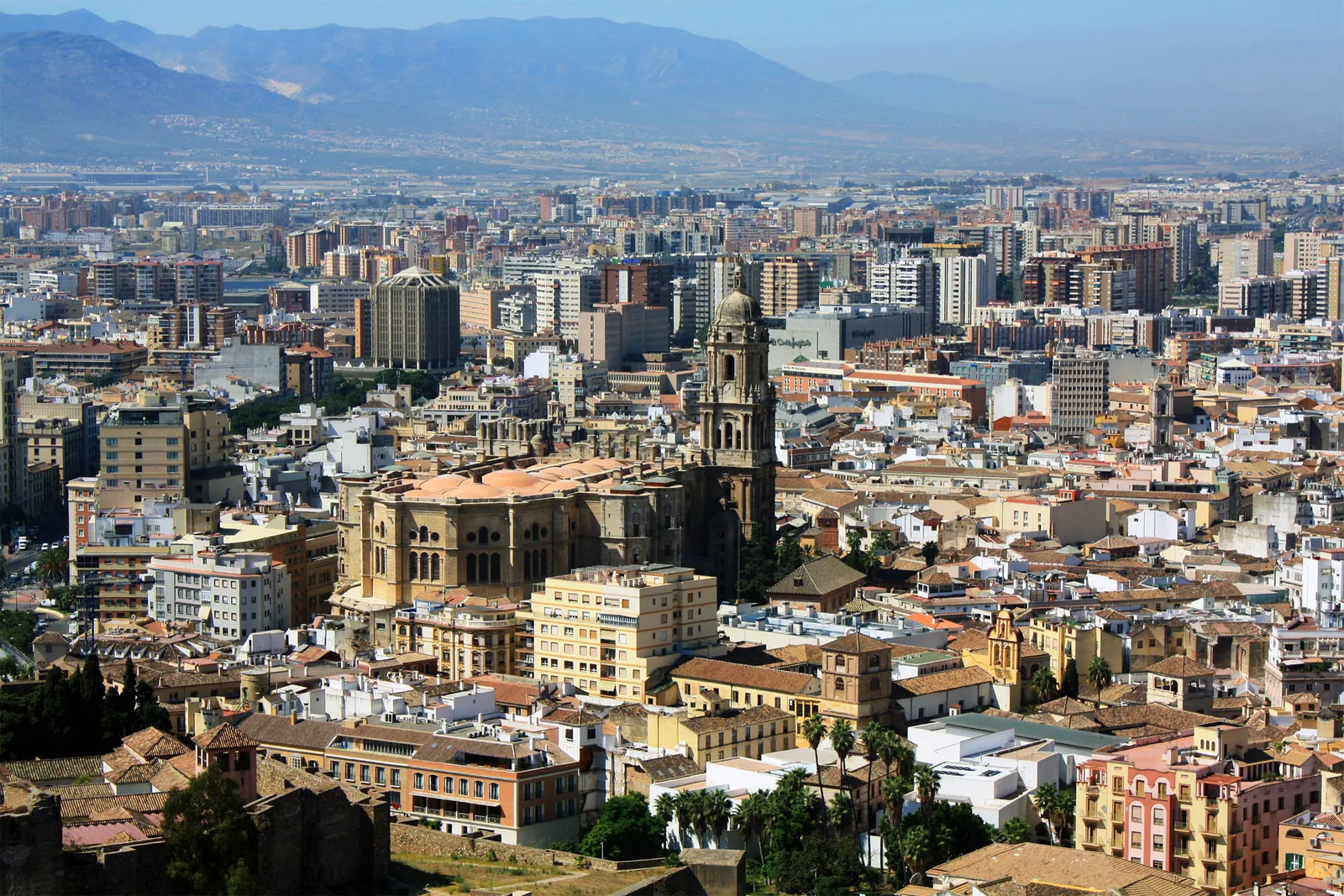
Find the city behind the Costa del Sol gateway
Málaga makes a convincing base when you want a city break with time beside the sea. The useful combination is a compact cultural itinerary, an airport connected to the urban transport network and coastal neighbourhoods that offer a change of pace. A museum morning and a beach afternoon can fit the same stay, provided you leave room for the journey and the weather.
For a first visit, allow three days before adding excursions. That gives the Alcazaba, Picasso Museum and historic centre space of their own. For a possible move, stay longer and practise ordinary routines away from sightseeing hours. VisaWand’s Spain country guide provides the wider context; this guide focuses on choosing a base and making practical decisions within Málaga. Prices and operating notices were reviewed on 15 October 2026.
The choice between an urban base and a coast-focused holiday is worth making early. Someone planning a different museum each morning will value central access; someone mainly seeking beach days should compare the room and shoreline they will actually use. Neither choice requires filling every day with paid attractions.
Read the history in the streets
The municipal history traces Málaga’s origins to a Phoenician settlement near the hill now occupied by the Alcazaba. Roman trade passed through its port, including wine, oil and garum, the fermented fish sauce. The medieval Muslim city developed important fortifications and shipyards. The conquest by the Catholic Monarchs in 1487 brought another major transformation, including the conversion of mosques and the beginning of cathedral construction.
Later industrial expansion associated with families including Larios, Heredia and Loring complicates the familiar image of a place built around holidays. Tourism and museum development belong to the more recent story. Look for these successive layers rather than treating every old building as belonging to one period. The Roman theatre and Alcazaba make an especially clear introduction because their different histories are visible within the same area.
Choose the centre for concentrated sightseeing
For a short visit, compare accommodation around the historic centre with your actual museum and monument plans. Proximity is valuable when it lets you return for a rest, change clothes or put down shopping between visits. It matters less if the room itself is noisy or awkward to reach with luggage.
Ask for the final approach from the nearest practical vehicle stop. Check stairs, lift access and whether the entrance is staffed at your arrival time. Around busy restaurant streets, establish whether the bedroom faces the street or an internal space. A central address can mean different experiences from one room to the next. If you plan early starts, prioritise sleep over the promise of being directly above the evening activity. Read recent reviews for the same room category where possible.
Compare Soho, Malagueta and the eastern neighbourhoods
The municipality’s alternative neighbourhood routes distinguish Soho as an arts district, Malagueta through its port and urban character, and El Palo–Pedregalejo through their maritime connections. These are useful starting points for exploring beyond the historic centre, rather than proof that every proposed improvement is complete.
Compare Soho for an arts-oriented stay and Malagueta when beach time is a substantial part of the plan. For El Palo or Pedregalejo, include the transport journey back to central bookings in your comparison. A coastal address alone does not establish a sea view, quiet bedroom or easy beach access. For a longer stay, visit several surrounding streets and locate ordinary shops. Judge the district through the workday you would have there, not only an afternoon meal by the water.
Give the Alcazaba and Gibralfaro enough time
The dedicated municipal monument page currently lists general admission at €7, or €10 for a combined Alcazaba and Gibralfaro ticket. Older general directory entries show lower prices, so use the dedicated current tariff when planning. Reduced categories require evidence and have specific conditions; do not assume every student or older visitor qualifies.
The published winter season runs November–March, with opening from 9am to 6pm and last admission at 5pm. April–October extends opening to 8pm, with last admission at 7pm. Leave time for the visit rather than arriving at the cutoff. Sunday admission is free from 2pm, subject to the actual access arrangements.
Treat the two monuments as separate visits when judging energy, gradients and weather. A combined ticket is a purchasing option, not a promise of an effortless route. Ask about suitable access before buying if steep walking or changes of level are difficult.
Bring water and footwear suitable for uneven walking. If travelling with children or someone whose energy varies, agree which visit has priority before starting. Leave the second monument as a decision you can make with a realistic view of the day, while checking the ticket’s actual conditions of use.
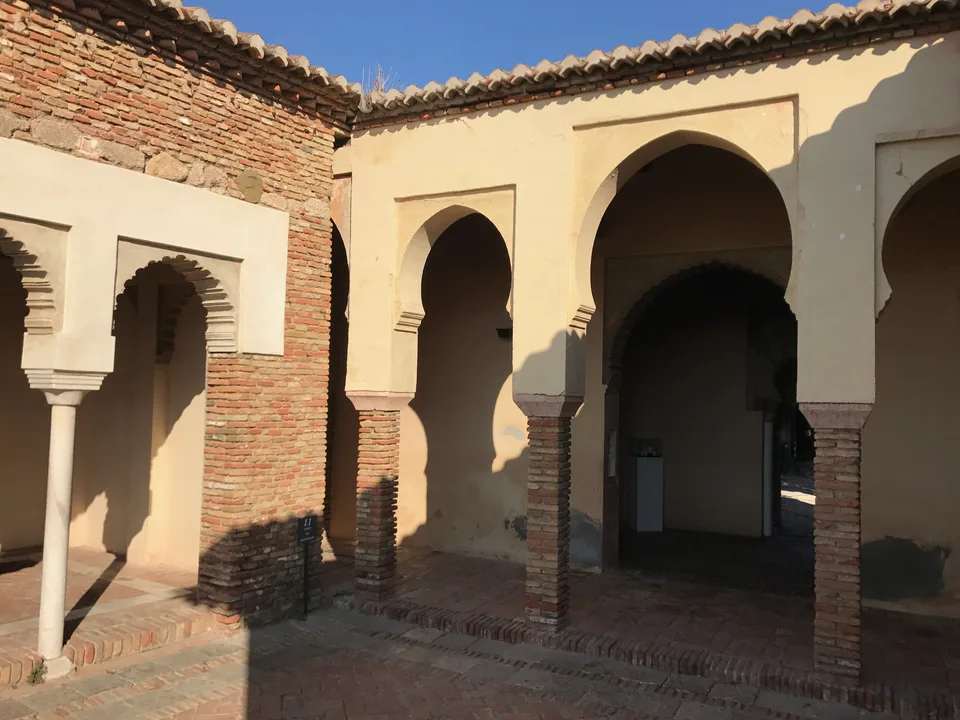
See the Roman theatre as a separate archaeological site
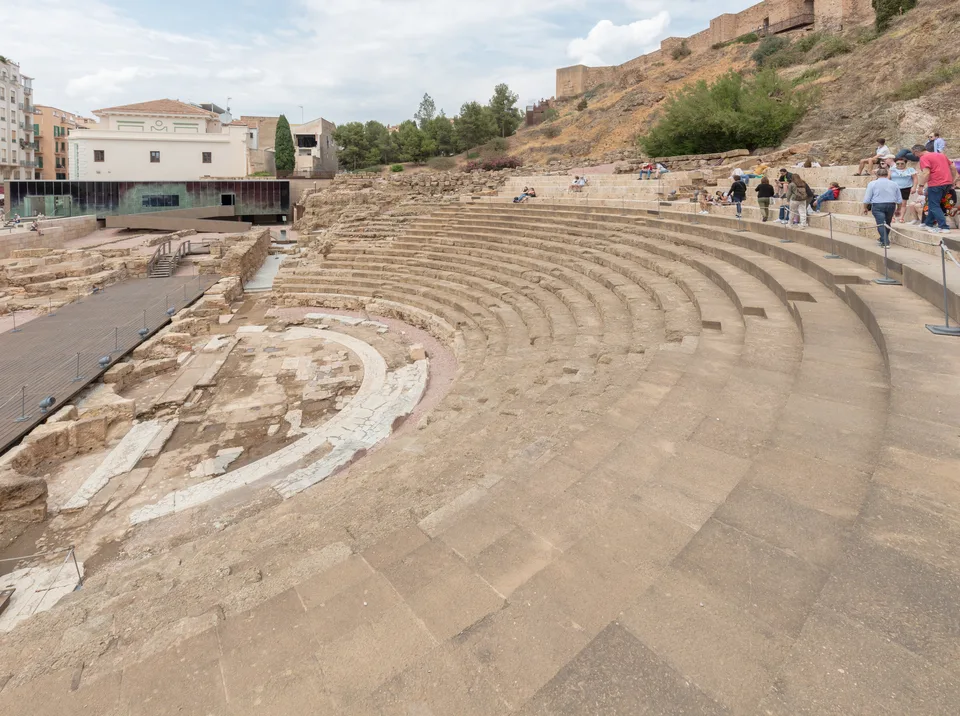
The regional heritage authority’s Roman theatre information dates the building to the early first century AD and explains its rediscovery in 1951. The surviving seating and stage area help make the Roman city tangible beneath the Alcazaba hillside. Its later abandonment and changing uses are part of the story, rather than evidence that the present remains preserve the complete original building.
Admission is free within the site’s capacity. The published schedule is Tuesday–Saturday, 10am–6pm, and Sundays and public holidays, 10am–4pm, with specific holiday closures. Entry stops thirty minutes before closing. Independent visits do not require a reservation; guided visits should be arranged ahead. Check notices before travelling: the authority can close the site during excessive heat alerts. A Monday itinerary should not depend on entering the theatre.
Reserve a proper visit for the Picasso Museum
The Museo Picasso Málaga visitor page lists full access at €13 and reduced admission at €11, with a phone-based audio web app included. Check eligibility and bring the required proof for concessions. The museum occupies Palacio de Buenavista on Calle San Agustín, making it a natural part of a central cultural day.
Use the seasonal timetable rather than assuming one closing time throughout the year. Published hours are 10am–7pm in March–June and September–October, 10am–8pm in July–August, and 10am–6pm in November–February. Last admission is thirty minutes before closing; holidays have exceptions. The final two hours on Sundays are free, but that does not guarantee entry whenever you arrive.
Follow the museum’s own ticket link and check the selected product. The Picasso Museum and Picasso’s birthplace museum are different institutions; a booking for one should not be assumed to cover the other.
If you want to use the audio guide, bring a charged phone and suitable headphones, and check the access instructions before entering the galleries. Leave a gap before the next timed reservation so that a collection you enjoy does not become a hurried walk towards the exit.
Leave room for the waterfront and beach
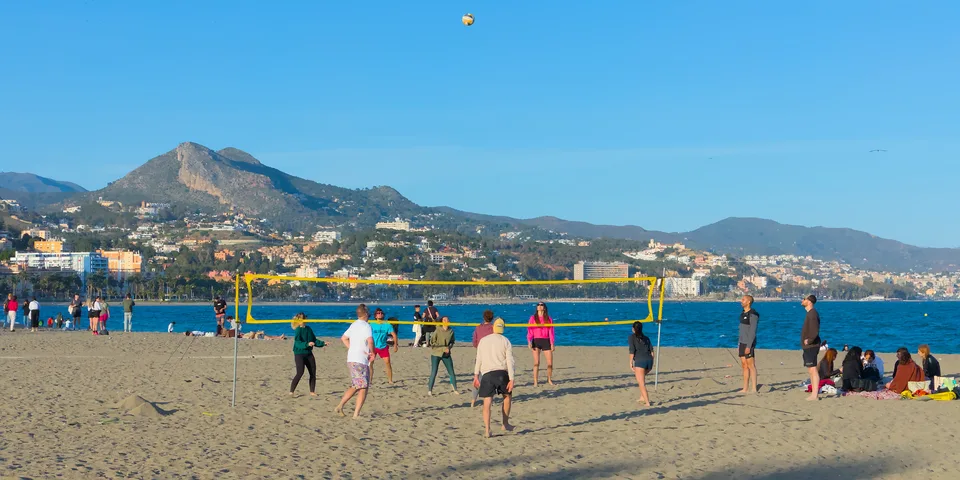
A beach afternoon works best as a flexible part of the trip. Malagueta is an option to compare with a central cultural stay; farther along the coast, the maritime neighbourhoods offer another reason to widen the itinerary. Judge the beach conditions on the day, follow local signs and check available facilities rather than relying on a photograph.
Pedregalejo needs particular care during current planning. A municipal works update from July 2026 describes expanded promenade infrastructure and accessibility works, with completion then estimated for the end of 2026. That is a planned date, not confirmation that the route is finished. Ask your accommodation or chosen business about the current approach. The works notice does not establish that the entire beach or every business is closed, but it does make an uninterrupted promenade walk an unsafe assumption.
Choose accommodation for the way you travel
A staffed hotel can simplify a late arrival and give you a clear contact for luggage or maintenance. An apartment may suit cooking, laundry and separate sleeping space. Compare the final price for the same occupancy and cancellation terms, including cleaning or other charges disclosed during booking.
Ask how keys are collected, where luggage can be kept and who responds if a lock or appliance fails. Verify cooling in the bedroom, window position and the full route from street to room. A terrace in the listing may be shared. For a family, confirm sleeping arrangements and equipment directly. For relocation, temporary accommodation gives you time to inspect homes and test commuting before taking on a longer agreement. A holiday booking is a poor substitute for checking the conditions of year-round occupation.
Arrive through Málaga–Costa del Sol Airport
Aena identifies Málaga–Costa del Sol Airport by the code AGP and lists the C1 rail connection between Málaga Centro Alameda and Fuengirola. Choose the transfer around your address and arrival time, including the final walk. Airport rail should not be confused with Málaga Metro.
The dedicated Aena rail pages were under maintenance during this review, so this guide does not quote an unconfirmed current rail fare or precise journey time. Use Renfe’s Málaga Cercanías information for live operations and the applicable zone-based ticket. Its contactless payment system is called Cronos.
For an early flight, check the first service for your actual date; for a late landing, consider baggage collection and the last usable connection. Compare a taxi or booked transfer using the full group cost and clear luggage arrangements. Leave a buffer for disruption before a flight rather than planning around the shortest advertised journey.
Check the airport bus’s temporary stops
The Aena airport-bus page lists the express airport service at €4 for a single journey, with luggage included. The EMT operator page accepts cash, Visa and Mastercard, and explains app-based QR tickets. Bank-card users tap when boarding, not again on leaving the bus. This differs from the Metro payment process. The EMT page refused connections during final link checks.
An EMT notice dated 13 October 2026 reports stop closures on the south side of Paseo del Parque and temporary relocation of termini, including the airport service, during preparations for the Ironman event. Check the current notice and stop information before setting out; do not rely on a saved map showing the usual terminus.
The operator advertises a peak frequency of twenty to twenty-five minutes. That should not be read as a guaranteed interval at every hour. Add waiting time and the final walk when comparing the bus with rail.
Keep Metro payment and rail connections distinct
MetroPay allows contactless travel without registration at a published €1.35 per journey. Use the same payment method at entry and exit; a physical card and a phone linked to that card should not be treated as interchangeable. Surface stops have different exit arrangements, so follow the operator’s instructions for the route. The Metro page was readable during research but blocked final browser checks.
Regular commuters can compare the registered MetroPayPlus product with other eligible tickets. Transport-consortium transfer discounts are not automatically applied merely because you use a bank card. Check the product that matches your journeys before assuming a reduced fare.
For onward trains, Málaga María Zambrano station connects high-speed, longer-distance and regional services with Cercanías, Metro and the bus-station area. Read the station name on every ticket. A transfer that looks convenient on a network diagram still needs time for walking, boarding arrangements and possible delays.
For regular journeys, compare the door-to-door route rather than only the minutes spent on board. Check the walk to the stop, the wait and any change of vehicle. Test the return after an evening shift or class too. A home that works for a daytime appointment may be less convenient for the timetable you will actually keep.
Make a meal part of the coastal experience
The provincial tourism account of espetos explains the local tradition of fish, especially sardines, skewered on cane and roasted beside embers, often in a prepared boat at a beach restaurant. A leisurely meal gives this coastal tradition a place in the itinerary alongside the monuments and museums.
Choose from the menu and ask how the price is calculated, particularly for fish sold by weight. Confirm portion size before ordering several dishes for a group. If you have allergies, discuss ingredients and shared cooking surfaces directly. Keep drinks, bread and additional orders in the running total. A waterfront meal can be the main activity of an afternoon; there is little advantage in rushing it between two distant museum appointments.
Look closely at Atarazanas and everyday shopping
Atarazanas offers a link between food shopping and the older city. The municipal archaeological account explains that the gate reused in the central market comes from the former shipyard complex. The surviving arch should not be mistaken for proof that the entire present market is medieval.
Combine a look at the building with shopping only when the stalls you want are open. Ask before photographing people at work and keep circulation space clear. For an apartment stay, decide what you can store and cook before buying perishable food. Beyond souvenirs, locate a dependable grocery shop, pharmacy and household supplier near your accommodation. During a longer stay, those repeated small journeys can influence the usefulness of an address more than its distance from a major attraction.
Build a budget from verified choices
For two adults paying general admission, two combined Alcazaba–Gibralfaro tickets total €20 and two Picasso Museum full-access tickets total €26 at the published base rates. Four €4 airport-bus singles total €16 for two people arriving and departing. Together those choices amount to €62 before accommodation, meals, other travel or any applicable booking extras.
That calculation is a planning example, not a daily spending promise. Add dated room quotes, realistic restaurant choices and a reserve for changes. Compare accommodation with identical conditions and check the final checkout amount. Free-entry periods can reduce costs when they fit your schedule, but leave an alternative if capacity or timing prevents entry. For a longer stay, keep one-off arrival costs separate from recurring rent, utilities, commuting and food so that the monthly picture remains clear.
Choose the season around your priorities
AEMET’s Málaga airport climate table uses the historical 1981–2010 baseline. Average daily highs and lows are 30.5°C and 20.5°C in July, compared with 16.8°C and 7.4°C in January. November and December each record average rainfall of 100mm. These figures describe past conditions at the airport, not a forecast for a particular neighbourhood or travel week.
For summer visits, place demanding outdoor walking early and allow a cooling break. Spring and autumn can suit a mixed city itinerary, while winter requires layers and a flexible indoor option. A mild daytime average does not establish comfortable sea temperatures or a warm apartment at night. Before departure, check the forecast and warnings. Anyone considering a move should inspect ventilation, cooling, heating and shade rather than selecting housing from a sunny-season photograph.
A three-day itinerary with useful breathing space
Day one: make the Alcazaba your principal visit, with the Roman theatre when its opening day and conditions allow. Leave lunch and the rest of the centre flexible. Add Gibralfaro only if the time, weather and walking demands suit your group; the combined ticket should not force an exhausting afternoon.
Day two: reserve the Picasso Museum, then explore the surrounding centre at an easier pace. Include Atarazanas when its working hours fit, or use Soho for a different neighbourhood walk. Keep a museum visit available as an alternative to unsuitable outdoor weather.
Day three: choose Malagueta for beach time or travel towards the eastern maritime neighbourhoods, checking Pedregalejo access first. With only two days, remove an outing instead of compressing everything. On departure day, put the airport or station buffer into the schedule before adding one final visit.
Test a home against an ordinary working week
Begin a relocation search from temporary accommodation and test the complete work or campus journey at the relevant hour. Inspect the exact home, establish the landlord’s authority and obtain the term, deposit, notice and repair responsibilities in writing before making a substantial payment.
Compare total costs, including utilities, internet and commuting. Check damp, noise, window seals, cooling, heating and lift access. Ask which rooms receive direct sun and test mobile reception where you would work. Identify account holders and meter readings when responsibilities change. A furnished room may still lack the desk, storage or reliable connection needed for daily life. For a purchase or a complex lease, obtain independent professional advice. This guide does not quote an unsupported citywide rent or promise that a visitor apartment is available for permanent residence.
Arrange registration, healthcare and household services
The municipal padrón procedures link address registration, changes of address and the confirmation or renewal processes relevant to different residents. Check the procedure and documents for your circumstances. Municipal registration records residence at an address; it does not grant immigration permission or the right to work.
Use the Andalusian primary-care information and health-centre finder to identify services and appointment channels. Confirm your healthcare entitlement or insurance separately, including arrangements for ongoing prescriptions. A visitor’s coverage should not be assumed sufficient after moving. Families should obtain school admission information before choosing a home around an expected place. For water, electricity and internet, confirm responsibility, activation arrangements and outstanding charges with the provider or landlord. Keep copies of the agreement, inventory and meter readings where you can retrieve them later.
Separate a holiday from permission to live or work
Spain’s official entry conditions describe short stays for relevant third-country travellers within the Schengen limit of ninety days in any 180-day period. The calculation covers Schengen travel collectively, rather than restarting at Spain’s border. Nationality, purpose and supporting documents matter even when a visitor does not require a visa.
For employment, study or longer residence, investigate the appropriate national route and the consulate responsible for your circumstances. EU, EEA and Swiss citizens follow different rules. The international teleworker residence route has conditions; overseas income alone does not establish permission to work remotely from Málaga. Permanent residence is a separate status, not an automatic consequence of a long lease or property purchase. VisaWand’s Spain destination page and consultant listings can help organise questions for professional advice before making commitments.
Choose an extension that fits the time available
Málaga can be one stop in an Andalusian journey rather than the base for every excursion. Compare a separate stay using VisaWand’s Seville city guide, or explore the Granada and Córdoba location pages. The latter are destination directories; they should not be mistaken for completed travel guides or attraction reservations.
Check transport and important bookings independently before committing to an extension. An ambitious day away can remove the only relaxed afternoon from a short city break. If the objective is to understand Málaga, another neighbourhood walk, coastal meal or ordinary shopping trip may be the better choice.
Official planning resources
Reviewed 15 October 2026. Use the official resources linked throughout this guide for admission, transport, housing and immigration decisions. Prices, services and rules can change; confirm the details relevant to your dates. Photography illustrates the locations and is not a live view.
View all official resources
- Alcazaba and Gibralfaro: official prices and hours
- Picasso Museum visitor information
- Aena Málaga airport
- Aena airport buses
- EMT express airport bus and service notices
- MetroPay payment rules
- Pedregalejo promenade works: municipal July2026 update
- Renfe Málaga Cercanías
- Municipal alternative neighbourhood routes
- AEMET Málaga airport climate normals
- Municipal population register procedures
- Municipal history of Málaga
- Atarazanas gate: municipal archaeology
- Costa del Sol: the espeto tradition
- Málaga María Zambrano station
- Roman theatre: regional heritage authority
- Andalusia primary healthcare and health-centre finder
- International teleworker residence: UGE
- Spain: conditions for entry
- Spain: national visa information
Plan the next part of your journey
Explore the Spain guide, browse other cities or compare consultants for your travel and relocation questions.