Visa
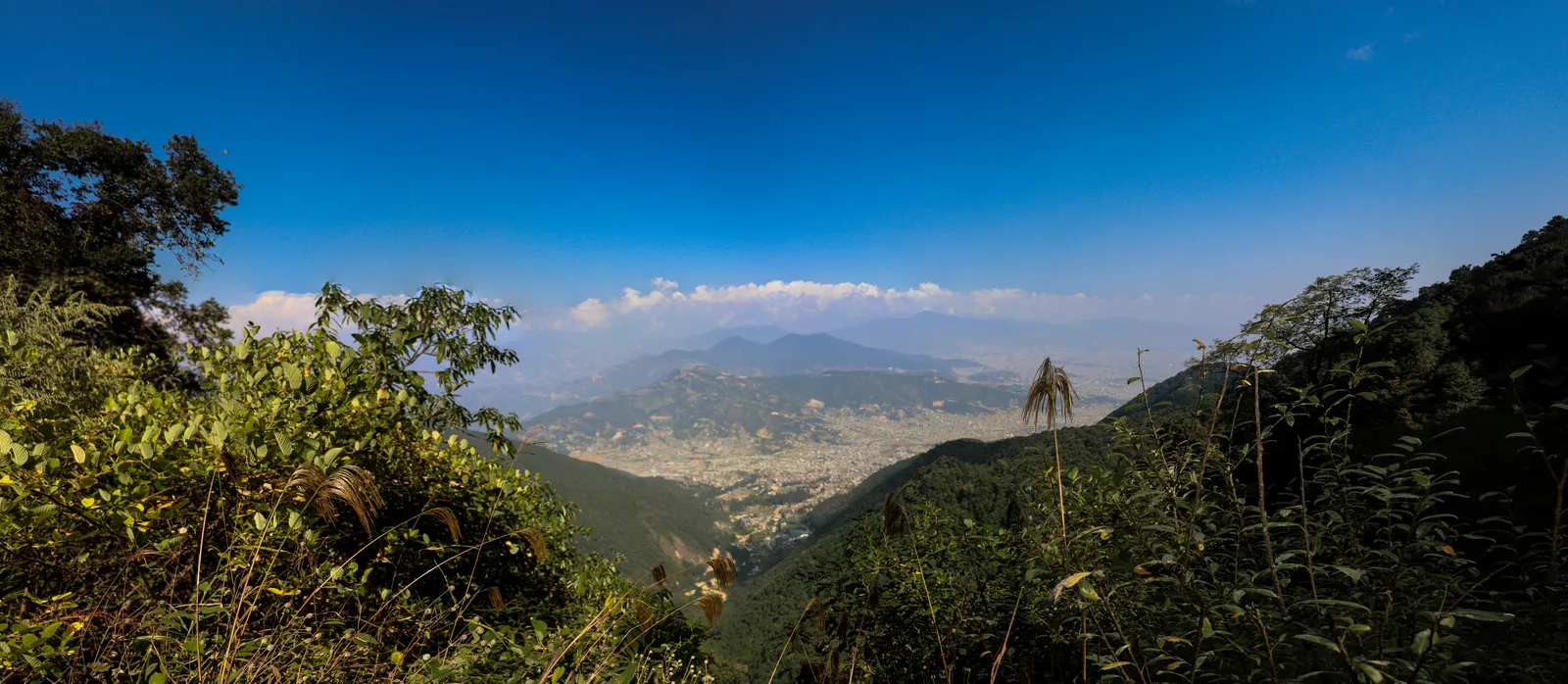
Give Kathmandu time beyond the airport
Kathmandu rewards people who leave room between appointments. A lane leading towards a former royal palace can also be a route to the vegetable market; a monumental stupa remains a place where worshippers circle, pray and meet. Nepal's capital combines these daily routines with the practical business of arranging onward journeys. Three full days are a reasonable introduction, provided you resist treating the entire valley as one sightseeing circuit.
For a prospective resident, the same density creates a different calculation. Being close to work, a school or essential treatment can matter more than having a famous address. Use the VisaWand Nepal country guide for national context, then assess Kathmandu through actual journeys and individual buildings. A pleasant holiday base and a workable household address need not be the same place.
Understand the city and its valley
Kathmandu is one city within a much broader urban and cultural landscape. Patan, also called Lalitpur, and Bhaktapur have their own historic centres. Calling every palace square a Kathmandu neighbourhood obscures both their identity and the time required to reach them. The distinction becomes particularly useful when choosing a hotel or agreeing where a driver will collect you.
The Kathmandu Valley World Heritage property comprises seven monument zones, rather than a single enclosed attraction. Its palace squares and religious ensembles preserve extraordinary Newar craftsmanship in brick, timber, stone and bronze. Hindu and Buddhist traditions appear alongside one another, sometimes within the same complex. Look closely at carved roof supports and courtyard thresholds: these details explain more about the valley's character than a rapid count of temples. An informed local guide can help interpret them without turning living religious practice into a performance.
Start with Basantapur and Hanuman Dhoka
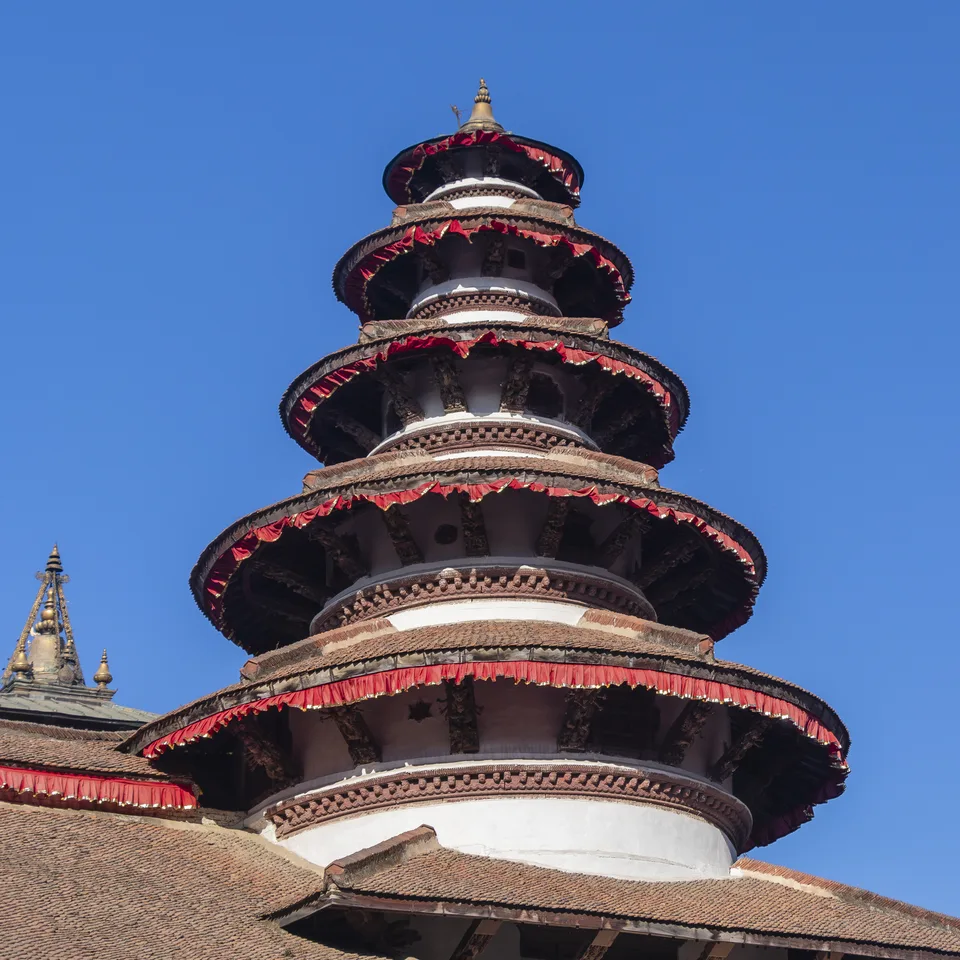
The Kathmandu Durbar Square precinct is the natural starting point for the old city. Basantapur and Hanuman Dhoka are names you will encounter around this former royal setting. Palace buildings, layered roofs and courtyards give the area its architectural weight; people passing through, meeting and worshipping keep it connected to ordinary life.
Allow a substantial morning, with time to sit and look rather than moving directly between photography positions. Ask the ticket office which museum spaces and courtyards are accessible that day. Admission to the wider precinct does not mean every doorway is open. Taleju has restricted religious access, while Kumari Ghar is a living residence associated with the Kumari tradition. Do not buy a tour on the assumption that a particular appearance or ceremony is guaranteed. Follow current signs and staff instructions about photography, shoes and entry.
Walk Asan as a working market
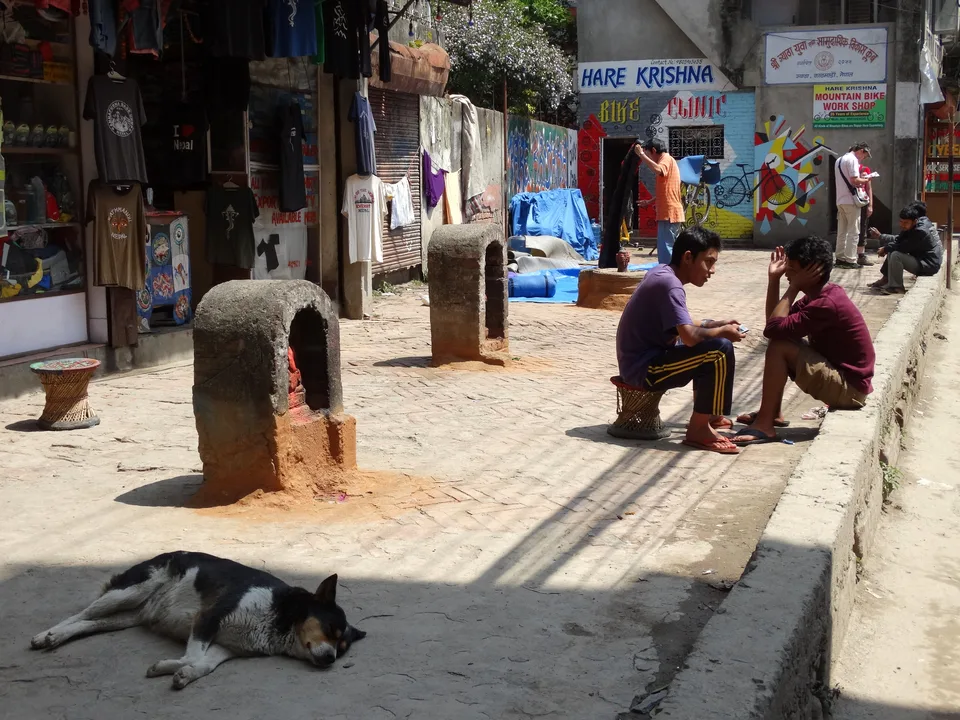
From the old palace area, build a short walk around Asan's market streets. The bazaar sells vegetables, spices, household utensils, clothing and other everyday goods. Its Annapurna temple belongs to this commercial and religious setting. Watching deliveries and shoppers is part of understanding the place, but avoid standing in the path of people trying to work.
Keep the route flexible. A narrow lane that looks attractive on a map may be busy with vehicles, goods or a procession. Wear shoes suited to uneven surfaces, keep purchases compact and ask before photographing a person or entering a courtyard. This is a useful outing even if you buy nothing. For families, a shorter market walk followed by a seated meal usually makes more sense than several continuous hours on crowded streets.
Climb to Swayambhu with realistic expectations
West of the centre, Swayambhunath combines a hilltop Buddhist stupa, subsidiary shrines and views across the urban valley when conditions permit. The familiar name Monkey Temple refers to the animals around the site, but the religious complex deserves more attention than that nickname suggests. Look for the relationship between the main stupa, prayer wheels and surrounding places of worship.
The eastern stone stairway is steep. Visitors who cannot manage that climb should ask about the motor road near the summit and the remaining walk before committing to transport; a shorter approach is not a promise of wheelchair access. Keep bags closed around monkeys and avoid encouraging close encounters. Choose a comfortable pace, particularly after an overnight journey. Haze or cloud may limit the panorama, so plan the visit for its architecture and atmosphere rather than a guaranteed mountain photograph.
Give Boudhanath an unhurried afternoon
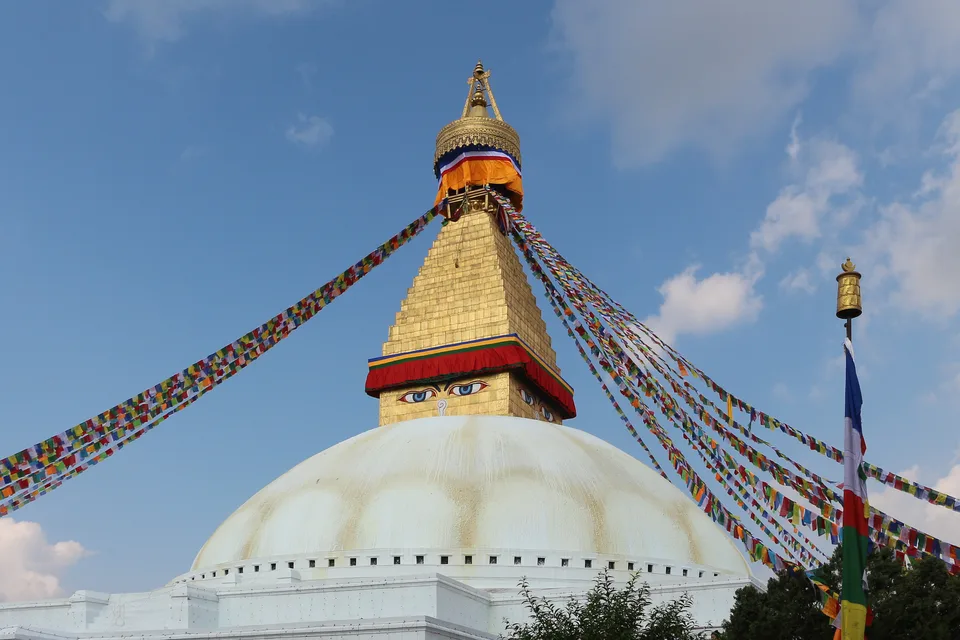
Boudhanath, also written Bauddhanath, offers a different rhythm. Shops and restaurants surround the great stupa, while the circular path accommodates prayer wheels, prostrations and clockwise walking. Join the direction of movement, leave space for worshippers and keep conversations and photographs considerate. The setting is more rewarding when you stay long enough to notice these routines.
An afternoon here can stand on its own. Choose a place to sit after walking around the stupa, then explore the surrounding streets without assuming every monastery welcomes casual visitors at every hour. Ask locally about access. For accommodation, distinguish a room overlooking a busy public space from one on a quieter side street. Boudha can suit someone whose main interest is this religious landscape, while repeated journeys to the western old city require a separate transport allowance.
Visit Pashupatinath respectfully
At Pashupatinath on the Bagmati River, access depends on religious rules. The main temple complex admits Hindus; non-Hindus can view the setting from terraces across the river to the east. Paying an entry fee does not remove this restriction. The tourism board also prohibits photography within the main complex and identifies restrictions on leather items there.
The riverfront includes cremation grounds. Families are conducting funerals, and visitors should avoid close photography, intrusive commentary or treating the occasion as entertainment. Ask an authorised guide where you may stand and what you may enter. This is a visit to consider carefully with children or anyone uncomfortable around death rituals. Choose modest clothing and follow instructions even where other tourists appear to ignore them. A respectful, shorter visit is preferable to staying where your presence causes distress.
Use gardens and museums to vary the pace
The Garden of Dreams at Kaiser Mahal provides a useful change from busy streets near Thamel. Its pavilions, fountains and planted spaces make it a reasonable pause between outings. Check opening hours and admission when planning a late visit, allowing enough time to enjoy the grounds before closing.
Across the valley in Lalitpur, Patan Museum places religious art within a former palace setting. Its bronze images and interpretation give context to forms you encounter outdoors. Reserve a separate half-day or longer for Patan's square, museum and surrounding lanes. Trying to append it to every other major Kathmandu attraction reduces the value of both visits. Choose one museum you will actually explore rather than collecting several entrances without time for the displays.
Choose a base around your daily journeys
Thamel concentrates accommodation, restaurants, travel businesses, bookshops and trekking supplies. That makes it convenient for a first visit with several arrangements still to make. It also means that the exact street and room position deserve attention. Ask about nearby bars, traffic access and whether your taxi can reach the entrance with luggage.
A heritage stay near Basantapur puts the old city close at hand, but inspect stairs, vehicle access and room facilities rather than judging solely from the facade. Boudha is worth considering for repeated visits around its stupa. A Lalitpur base makes sense when your main activities are in Patan. Before booking, plot the places you expect to visit most often and compare the journey in both directions. Hotel star ratings cannot resolve an inconvenient location, and a quieter photograph does not establish a quieter night.
For a short stay, compare a hostel bed, private guesthouse room and hotel on the facilities you need. Check whether hot water, heating or cooling, breakfast and luggage storage are included. Travellers returning from a trek should ask about storing a bag and arranging a later check-in. For an apartment, establish whether cleaning, linen and utilities are included, and whether the booking has the cancellation flexibility you need. Compare total prices for the same dates and room conditions rather than promotional starting rates.
Arrange arrival before leaving the terminal
Kathmandu's international gateway is Tribhuvan International Airport. The airport's passenger information identifies taxi, private car and city bus access. For a first arrival with luggage, consider a hotel collection or an airport taxi arrangement whose destination and price you have confirmed. Ask where the driver will meet you and how the hotel handles a delayed flight.
No single airport transfer fare or journey time is quoted here: these could not be verified reliably enough for publication. Obtain a current total, including any parking or waiting charge, before agreeing. Keep the accommodation name, address and telephone number available offline. If continuing on a domestic flight, verify the terminal transfer and connection arrangements with your airline. Avoid planning an important appointment immediately after an arrival that still requires immigration, baggage collection and a road transfer.
Before setting out on the first morning, organise a small set of essentials: your accommodation contact, a saved street map, an agreed way to pay and the details of any booked collection. Check that your phone works away from hotel Wi-Fi. If buying a local mobile service, ask the provider about identification, activation and the coverage relevant to your onward route. Save booking confirmations where you can read them without a connection. These arrangements make it easier to change an afternoon plan without repeatedly returning to your room for information.
Group local journeys instead of crossing repeatedly
The tourism board's local transport guidance describes buses, battery-powered three-wheelers, taxis and rickshaws. Sajha buses use designated stops, so identify the actual boarding point and destination rather than waiting anywhere along a main road. Ask your accommodation to explain a useful route for your particular journey. Ask about current fares and where to pay before boarding, particularly if you will need a connection.
Walking works well within a compact sightseeing cluster; crossing the wider urban area is a different undertaking. Pair the old city and its nearby market streets, then give eastern sites their own time. Confirm a taxi's charging arrangement before departure and ask about passenger seatbelts when booking a car. FCDO advice highlights serious road and bus safety risks and advises against night bus travel. For onward journeys, compare the operator and vehicle as carefully as the advertised price.
Budget for the attractions you will actually enter
The tourism board's English heritage fee table lists full foreign visitor admission at NPR1,000 for Kathmandu Durbar Square, NPR200 for Swayambhu, NPR400 for Boudhanath and NPR1,000 for Pashupatinath. Patan Durbar Square including its museum is listed at NPR1,000. Together these five entries total NPR3,700 before transport, meals or guiding. Confirm the applicable rate at each counter, since nationality concessions and changes affect the amount payable.
Build the rest of your budget from current quotations for the style of visit you want. Add your actual accommodation quote, airport transfers, local journeys and meals, plus room for delays. Keep cash in manageable denominations and verify payment acceptance before relying on a card. When shopping for crafts, compare materials and workmanship and obtain a receipt for a substantial purchase. Trekking equipment should be assessed for fitness and safety, rather than bought solely because it is available in Thamel.
Match the season to your priorities
The Nepal Tourism Board's climate guidance favours spring and autumn, with clearer skies commonly following the monsoon in October and November. June to September is the monsoon period. Winter brings colder conditions, especially at night and inside accommodation without effective heating. Pack for the room as well as the daytime street temperature.
Rain changes transport plans as well as clothing choices. Leave flexibility for an out-of-valley road journey and check forecasts close to departure. As of this guide's review, current government travel advice reports damage from August 2026 flooding around the Rasuwa border route and other affected districts. Check the specific route with your operator, since a regional warning does not establish conditions on every Kathmandu road. Festivals can also change access and availability, so confirm dates and reservations for your actual travel period.
Spend three full days without racing the valley
On day one, visit Kathmandu Durbar Square in the morning, pause for lunch and make a manageable walk through Asan's market streets. Return to your accommodation before deciding whether you want another outing. This provides a useful introduction without making arrival fatigue part of the itinerary.
On day two, visit Swayambhu at a comfortable pace, then allow a substantial break. Spend the later afternoon around Boudhanath, accepting that the transfer between these western and eastern sites takes part of the day. Substitute Pashupatinath for either if it is a higher priority; do not force all three into a rushed circuit.
On day three, choose Patan's square and museum, or devote the day to Bhaktapur. Finish with time to prepare for onward travel. These are suggested groupings, not timed tours or guarantees of access. With an additional day, add the eastern religious site you omitted and a quieter garden or museum visit.
Check accessibility through specific questions
Historic streets and religious monuments require more detailed planning if you use a wheelchair, have limited stamina or travel with a pushchair. Ask a hotel for the number of steps between the vehicle drop-off, reception and your room. Confirm lift dimensions where relevant, bathroom access and whether staff assistance is actually available at your arrival time. A description such as accessible or suitable for seniors is too broad to settle these questions.
For each attraction, ask about the exact entrance, surface, steps, seating and accessible toilet. Agree a collection point that avoids an unnecessary return climb. If travelling with children, keep an alternative activity available when crowds or religious rituals become overwhelming. These checks are especially useful at Swayambhu, where choosing a shorter approach still leaves a walk. Plan the day around the least mobile person in your group, with time for rests and a practical route back to accommodation.
Test a longer stay before signing a lease
For relocation, book temporary accommodation while you investigate a realistic working week. View a potential home in daylight and after dark, and make the commute at the hours you would actually travel. Include a school run or regular medical appointment if either is relevant. A short distance on a map can still produce a journey you would dislike repeating.
Ask for a written tenancy agreement specifying rent, deposit, notice, repairs, included furniture and separate charges. Test taps, drainage, hot water, sockets and ventilation. Ask how drinking water, storage tanks and any backup electricity are managed, without assuming every building has the same arrangements. Check stairs and emergency exits, and seek competent advice on structural concerns. A view from the roof cannot establish earthquake resistance. Compare current quotations for similar properties, including utilities and the deposit, before deciding whether a rental fits your budget.
Plan essential services at the household level
Request an actual internet test inside the intended room and ask what happens during an interruption. If your routine depends on connectivity, compare a mobile backup and the cost of keeping it available. Identify groceries, laundry and a pharmacy you can reach along a workable route. These modest details often determine whether an address functions well for a longer stay.
Write the household budget as separate commitments: rent, deposit, utilities, communications, commuting, food, school costs and healthcare. Ask which payments are due in advance and what evidence of payment you receive. Keep an emergency reserve separate from money intended for regular bills. Someone sharing a furnished apartment has different needs from a family bringing household goods, so compare arrangements that match your situation. Clarify who organises repairs and how quickly an urgent water or electrical problem would be handled before paying a deposit.
Review healthcare and insurance arrangements before committing. Identify a suitable hospital, its contact details, payment requirements and how to get there; do not assume a universal public ambulance number or automatic cashless admission. Air pollution is a recognised health concern, so consider your needs when choosing a room and planning outdoor activity. Families should check school admission, fees, transport and available support directly. Confirm what is included in each quote rather than building a household budget from travel anecdotes.
Separate a holiday from work or residence
The Department of Immigration's tourist visa information lists 15-, 30- and 90-day on-arrival fees of US$30, US$50 and US$125 respectively. Eligibility and exemptions depend on nationality and circumstances: check before travel. Completing an online form is not itself permission to enter. Leave time for the border process and verify any extension before your authorised stay expires.
Employment requires the appropriate working visa and supporting approvals; a tourist stay while paperwork is processed does not permit starting work. Study has its own documentation, including admission and an education ministry recommendation. Residential visas are separate, with eligibility and approval requirements. A lease creates no immigration entitlement. Do not assume remote work, volunteering or repeated tourist visits authorise long-term residence. For help identifying the questions relevant to your circumstances, consult VisaWand's consultant listings and verify the final requirements with the responsible authority.
Compare nearby cities before extending the trip
Use VisaWand's Patan location page and Bhaktapur location page to identify these separate valley destinations. They are location directories, rather than completed city guides. Patan suits a focused interest in palace art and urban lanes; Bhaktapur deserves its own generous visit rather than a brief stop between distant attractions.
Pokhara's location directory is useful for considering a different Nepal base, but it is an onward destination, not a casual Kathmandu afternoon excursion. Before adding a trek, check current route-specific permits, guide requirements, weather and insurance. For a broader comparison, explore the Nepal location directory and Nepal destination page. Choose the next place according to the experience and travel time you want, leaving enough flexibility for Kathmandu itself.
Official planning resources
Reviewed 15 October 2026. Use the official resources linked throughout this guide for admission, transport, housing and immigration decisions. Prices, services and rules can change; confirm the details relevant to your dates. Photography illustrates the locations and is not a live view.
View all official resources
- UNESCO: Kathmandu Valley
- Nepal Tourism Board: Kathmandu Durbar Square
- Nepal Tourism Board: Swayambhunath
- Nepal Tourism Board: pilgrimage sites and Bauddhanath
- Nepal Tourism Board: Pashupatinath access
- Nepal Tourism Board: heritage admission fees
- Nepal Tourism Board: Thamel
- Nepal Tourism Board: Asan market
- Nepal Tourism Board: Garden of Dreams
- Nepal Tourism Board: local transportation
- Nepal Tourism Board: Nepali food
- Nepal Tourism Board: climate and seasons
- FCDO: current Nepal travel advice
- FCDO: transport, security and natural hazards
- FCDO: healthcare and health risks
- Nepal Department of Immigration: visa categories
- Nepal Tourism Board: Patan Museum
- Tribhuvan International Airport: passenger FAQ
Plan the next part of your journey
Explore the Nepal guide, browse other cities or compare consultants for your travel and relocation questions.