Visa
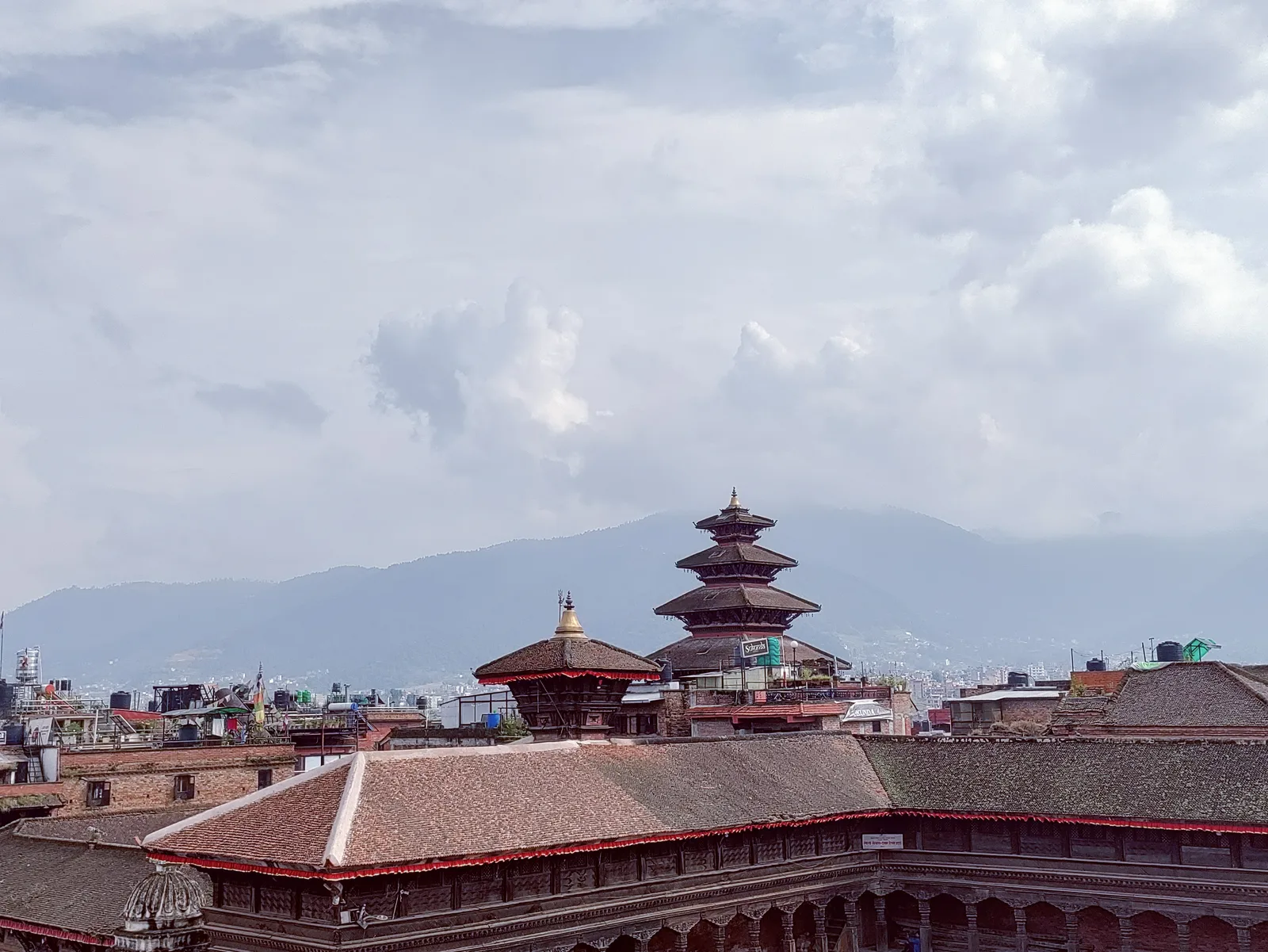
Give Bhaktapur more than a hurried afternoon
Bhaktapur is a city to explore on foot and at close range. Look at the timberwork above a doorway, the proportions of a temple courtyard and the clay vessels taking shape in a workshop. Its appeal lies in the relationship between monumental architecture and ordinary streets. A quick tour can show you the principal squares; a night here gives you time to return to them without watching the clock.
This is Bhaktapur in the Kathmandu Valley, east of Kathmandu, rather than one of Nepal’s other settlements with the same name. The Nepal Tourism Board’s city overview places it on the Arniko Highway and describes its traditions of pottery and woodcarving. Bhaktapur is also known locally as Khwopa. Keep the city, its surrounding district and the wider valley distinct when comparing accommodation addresses.
Use the Nepal country guide for national planning. Choose Bhaktapur for heritage, craft and a slower city stay; choose a Kathmandu base if most of your appointments and onward connections are there. For a prospective move, test your daily routine before committing. Enjoying a square at breakfast does not establish whether the commute will work.
Understand the heritage designation and the living city
Bhaktapur Durbar Square is one of seven monument zones in the Kathmandu Valley UNESCO World Heritage property. The designation brings the square into a broader story alongside Kathmandu, Patan and other religious sites. It does not mean that every building across Bhaktapur district is a protected monument or that the whole valley is a single museum precinct.
Malla-period patronage is central to the art and architecture that draw visitors here. Read a palace façade and a nearby temple as different expressions of wealth, skill and devotion. A good guide can connect those details with the city’s social history. Agree the route, language, duration and price first, and ask for an explanation of what you are seeing rather than a rapid recital of names.
The most useful attitude is curiosity with restraint. A courtyard may be someone’s route home; a platform may be in use for worship. Do not rearrange objects or enter a doorway merely because it makes a pleasing photograph. Leave room for residents, ask permission for close portraits and let ongoing ceremonies take priority over your sightseeing plan.
Budget for the current city entrance charge
The municipal visitor-information centre’s entrance schedule says that, from 17 July 2025, the charge for non-SAARC visitors is US$15 or NPR 2,000. It lists NPR 500 for SAARC visitors and Chinese visitors, and free entry for Nepalis. Carry the identification needed to establish the applicable category; the Chinese category explicitly requires a passport. Confirm payment arrangements at an official counter.
An older tourism-board table still lists NPR 1,800 or US$18 for the general foreign category. Use the newer municipal schedule for planning, rather than assuming those figures are interchangeable currency conversions. Keep the original entrance ticket. A room booking, a guide fee and a city admission charge are separate items unless your provider explicitly includes them.
If staying several nights or returning repeatedly, ask about ticket validity when buying it. The visitor centre describes extensions and a special visitor-pass process, including documentary requirements. Do not assume that leaving and returning on an ordinary ticket is automatically covered. Establish the arrangement before you build a multi-day plan around repeated entries, particularly if your accommodation is outside the core.
Start with Durbar Square and the palace frontage
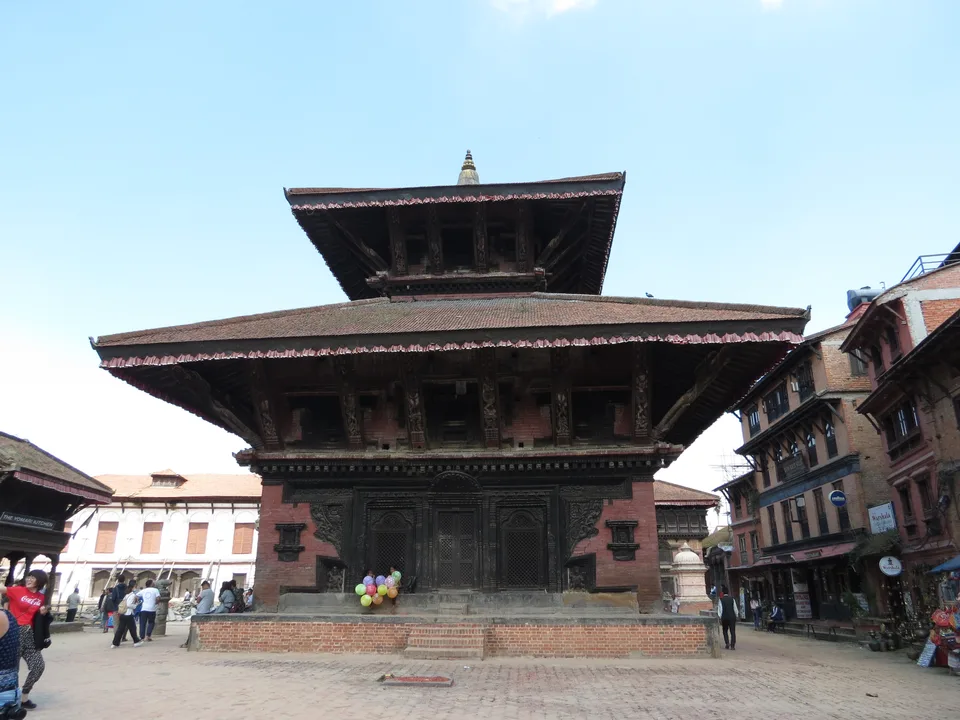
Give Durbar Square a sustained visit rather than using it only as a meeting point. The Golden Gate, palace frontage, sculpture and varied temple forms reward looking across the space before concentrating on details. Choose a place where you can stand comfortably without obstructing worshippers or people moving between buildings. A small notebook or annotated photograph can help separate the different structures later.
The municipal visitor site’s 55 Window Palace page explains the carved windows that give the building its name and describes paintings relating to royal and religious life. Do not infer that every interior mentioned online is open on your visit. Ask what the current admission permits and follow restrictions on access and photography.
For a first morning, this square and one additional stop are enough. Let a closer look at craftsmanship take precedence over adding another palace complex elsewhere in the valley. If you plan a museum visit, check its opening day before arranging your route. The tourism board’s museum-fee table lists the National Art Museum in Bhaktapur separately and notes a Tuesday closure.
Spend time in Taumadhi, beyond the postcard view
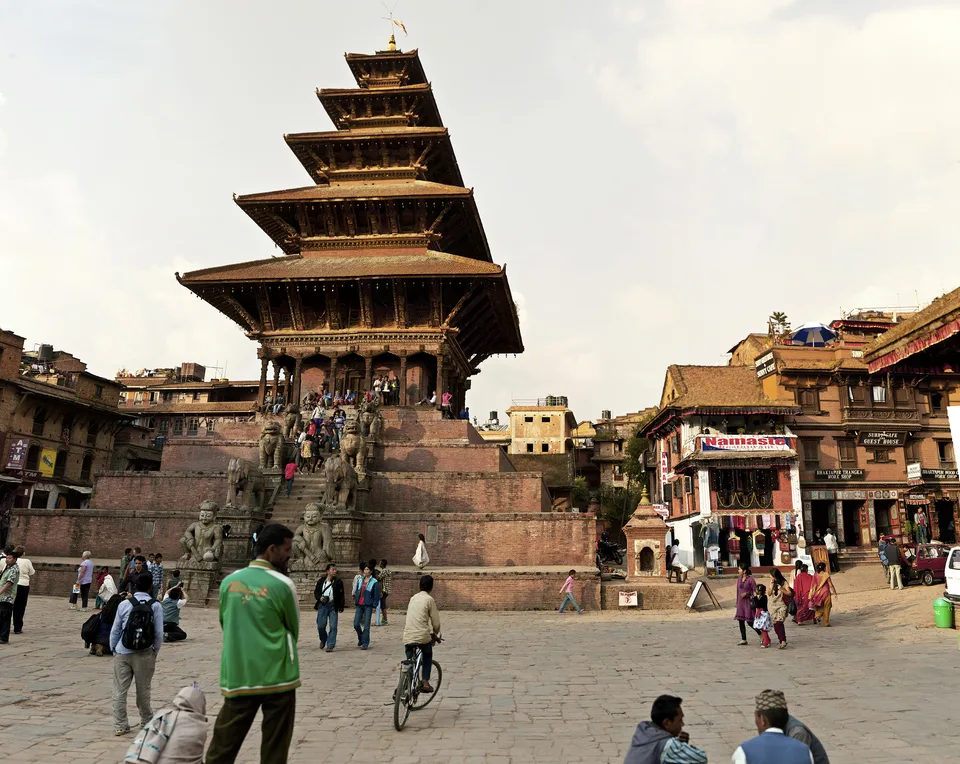
Taumadhi Square brings you to Nyatapola and Bhairavnath. Nyatapola’s five roofs and steep stepped base make its form particularly easy to recognise. The tourism board describes the stone guardians beside its staircase and places Bhairavnath adjacent to it. The two buildings make a useful comparison in scale and silhouette without requiring an elaborate cross-city journey.
Look from ground level before deciding whether to climb any permitted steps. Worn surfaces, a fear of heights or difficulty descending are good reasons to remain below. Visitors with limited mobility should ask about the precise route and available viewpoints; a general statement that the old city is walkable says nothing about access to an individual platform.
Allow a pause here rather than moving straight on when the photographs are taken. If choosing an upper-floor café for the view, check the stairs and actual seating before ordering. Pay for the refreshments or service you use, and keep camera equipment within your own space. A viewing position in a private business is not a public observation deck.
Walk towards Dattatreya for a closer look at woodwork
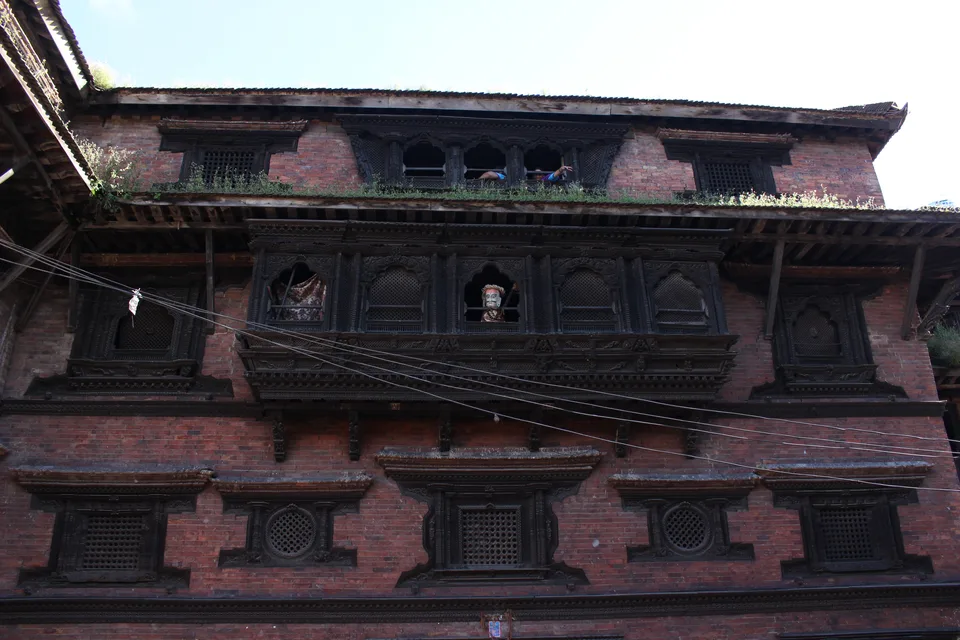
The municipality’s introduction to Bhaktapur identifies Dattatreya Square with temples, carved windows and the woodcarving and metalwork museums. It offers a different emphasis from the broad palace square: spend time looking at façades and smaller architectural details. Notice variations rather than expecting every decorated window to be the same famous example reproduced in guidebooks.
Keep the walk flexible. Stop when a detail interests you, but leave entrances and shopfronts usable. A guide can help explain the distinction between a religious building, a former monastic structure and a private house. The explanation should also establish where visitors may go. Being able to see an interior through a doorway is not permission to enter it.
For museum access, confirm the ticket, opening arrangements and whether another collection is included. Do not assume that the general city admission automatically covers every institution. If a collection is closed, the surrounding streets can still justify the walk. Save the indoor visit for another day if it interests you, instead of paying someone for an informal promise of access.
Pottery is work before it is an activity
Bhaktapur has more than one pottery locality. The municipality identifies Talako in the middle-south of the city and Suryamadhi in the east, beyond Dattatreya. Ask which one a proposed tour visits. “Pottery Square” is not a sufficiently precise meeting instruction if your group is arriving independently or joining a guide halfway through the day.
Watch from a respectful distance and avoid stepping into areas used for drying or storing pots. If you want to try working with clay, agree with the potter what is offered, the cost and whether the result can realistically travel home. A short demonstration does not automatically include tuition, firing or a finished item. Ask before touching a wheel or lifting someone’s work.
Buying directly can be a satisfying part of the visit, but select for practical reasons as well as appearance. Consider weight, fragility and how an object will be packed. Ask whether a vessel is intended for food use or decoration. Leave enough time to arrange protection for a fragile purchase rather than carrying it loose through the rest of a crowded day.
Eat locally without turning every meal into a checklist
Juju dhau, the yoghurt associated with Bhaktapur, is one of the foods the municipality highlights as distinctive to the city. Try a small portion if it suits your diet, and ask about ingredients and storage. A product’s local reputation does not establish whether a particular serving is appropriate for someone with a dairy allergy or other medical restriction.
The visitor centre describes yomari as a traditional steamed rice-flour dumpling of the Newar community. Ask what filling is available rather than assuming every kitchen prepares the same version. For a broader meal, choose dishes you are curious about and ask how they are served. A modest lunch with an explanation can be more informative than ordering a large assortment that nobody finishes.
Prefer food cooked thoroughly and served hot, and establish a safe drinking-water supply. Carry a translated allergy explanation if necessary; removing a visible ingredient may not remove it from a sauce or shared preparation surface. Choose your restaurant for clear communication, a menu you understand and suitable handling of food. This guide does not endorse an unverified “best” yoghurt shop or rooftop restaurant.
Choose accommodation for the experience you want
An overnight stay near the principal squares is worth considering if you want an early walk and an easy return after dinner. Compare the exact room and entrance, not only an attractive exterior photograph. Ask whether the bedroom faces a busy square, an internal courtyard or another building, and whether you can reach it comfortably with luggage.
Heritage-style guesthouses, small hotels and homestays should be compared on practical details: bathroom arrangements, hot water, heating in cool weather, breakfast time and evening access. Upper floors can bring additional stairs. Request specific information about lifts, handrails and step-free routes if those matter to your party. A historic setting is part of the appeal, but it does not guarantee a particular level of comfort.
An address nearer the main road may suit an early departure or regular journeys elsewhere in the valley. Balance that convenience against the walking route into the core. Ask your host where a vehicle can actually collect you and whether they can help carry bags. Confirm the applicable city-entry arrangements separately, particularly when choosing a property outside the ticketed area.
Arrive through Kathmandu and arrange the final approach
Tribhuvan International Airport in Kathmandu is the relevant air gateway for a Bhaktapur stay. The airport’s official passenger information identifies prepaid taxis among its services. For a direct transfer, give the full hotel name, map location and a working contact number. Establish the fare, vehicle capacity and destination before setting off; this guide does not quote an unverified airport-to-Bhaktapur tariff.
Allow time for immigration, baggage and the road transfer. The final drop-off may need to be at a place from which you continue on foot, so discuss that with the property before arriving late or with heavy luggage. Travellers who require a child seat, accessible vehicle or help with bags should arrange it explicitly rather than expecting it to be available on demand.
For departure, plan backwards from the airline’s required arrival time at the terminal. Ask for advice on your actual day and route, and keep room for traffic delays. Avoid pairing a long excursion with a tight airport connection. A short straight-line distance across the valley is not a dependable prediction of the time your transfer will take.
Combine walking with realistic valley transport
The tourism board’s valley-transport guidance describes buses and taxis as options for moving around the Kathmandu Valley. For a local bus, confirm the boarding point, destination and fare for your precise trip. The service you need for Bhaktapur is not established simply because a bus is travelling east. Ask how to identify the return stop as well.
A reserved vehicle can be worthwhile when several people are travelling together or combining an outlying site with luggage. Agree whether the quote covers waiting, parking and the return journey. If you hire a vehicle and guide together, ask what each person provides. Neither arrangement should leave you negotiating a second fare unexpectedly at the end of the outing.
Inside the historic centre, organise a walk around a few related stops. Wear shoes with reliable grip, watch uneven surfaces and leave time to sit down. A pushchair or wheelchair route needs more planning than a pedestrian route. Explain your requirements to a host or guide and ask about the actual entrances you want to use, not only the general neighbourhood.
Plan for seasons and festivals separately
The Nepal Tourism Board’s climate guidance describes the summer monsoon, generally June to September, and cooler Kathmandu Valley winters. It identifies spring and autumn as favourable travel periods, with clearer conditions often following the monsoon. These are seasonal patterns; they cannot guarantee a mountain view or a rain-free day in Bhaktapur.
For a walking visit, spring or autumn is a reasonable starting choice. In winter, ask how your room is heated and take a layer for early starts and evenings. During the monsoon, protect documents and allow flexibility in road journeys. Check current forecasts and road conditions before travelling farther into the hills. A city sightseeing itinerary and a rural excursion can face quite different weather-related difficulties.
Bisket Jatra is associated with the Nepali New Year period in April. It can be a compelling reason to visit, but festival access is different from an ordinary quiet walk. Verify the programme for your year, book suitable accommodation and follow local crowd instructions. Keep clear of moving ceremonial equipment and avoid positioning children or anyone unsteady in a dense crowd for a better photograph.
A two-day stay, with room for a third
Day one: arrive with enough time to settle in and arrange admission. Concentrate on Durbar Square, the palace frontage and Taumadhi, with a lunch break between substantial visits. Finish early enough to orient yourself around your accommodation before dinner. If arrival procedures take longer than expected, move part of the walk to the following morning.
Day two: walk towards Dattatreya and give the woodwork your attention, adding a museum if its opening arrangements suit. Choose the pottery locality that fits the route you actually want. Keep an afternoon interval for shopping or returning to a favourite square. Arrange any ticket-validity extension before it becomes an issue, rather than assuming that two days in town means two automatic admissions.
With a third day, consider Changu Narayan as a separate outing, or keep the day for a slower city visit. Do not add a hilltop sunrise, a temple excursion and an airport departure merely to fill the available hours. Families may prefer shorter walks with one clear focus each. The itinerary is a suggested pace, not a packaged tour or a claim that all interiors share opening hours.
Spend on things you can assess
The Nepalese rupee is the useful currency for a local spending plan. Start with your actual room rate, the relevant city admission, transfers and meals. Add any guide, class or separate museum costs explicitly. Compare the total for your party rather than multiplying a generic backpacker budget that may exclude the largest parts of your own visit.
Ask how a business accepts payment before ordering or buying. Carry cash for smaller purchases and retain an alternative for larger bills. Check withdrawal and exchange costs with your provider, keep receipts where useful and avoid displaying your whole travel fund. A price in dollars, a price in rupees and a card charge after conversion can produce different final totals.
For handicrafts, ask about materials and production, inspect the object and obtain a receipt. Avoid antiquities unless you have independently established ownership, export and import requirements.
Moving here means testing an ordinary week
Before taking a long lease, stay temporarily and test the journey to your workplace or institution at the times you would use it. Bhaktapur can suit someone whose commitments are nearby; it may be a poor fit for repeated appointments across the valley. Establish where you would buy groceries, do laundry and arrange household repairs, instead of judging the city only by its visitor circuit.
Inspect water storage, drainage, bathroom ventilation, hot water and electrical arrangements. Ask how electricity and other services are billed, who organises repairs and whether internet is included. Record the deposit, payment currency, inventory and termination terms in a written agreement you understand. For an older building, seek appropriate advice about structural condition rather than treating a freshly painted room as evidence of safety.
Test mobile reception in the actual room. Ncell’s tourist-SIM information asks visitors to bring an original passport for registration; compare the current products with your intended length of stay. A short-term SIM does not resolve household broadband needs. Families should establish school admission and transport first, then choose accommodation that supports those arrangements rather than working backwards from an appealing rental photograph.
Make healthcare and permission part of the decision
Khwopa Hospital identifies itself as an undertaking of Bhaktapur Municipality. Check directly whether it offers the service you need and how to obtain it. The UK government’s Nepal health guidance advises suitable insurance and accessible funds for medical treatment. If you have ongoing needs, arrange a clinical plan before moving; the existence of a local hospital does not guarantee every specialist or medicine will be available.
For tourism, the Department of Immigration’s visa guidance lists on-arrival fees of US$30 for 15 days, US$50 for 30 days and US$125 for 90 days. Eligibility and exemptions depend on nationality and circumstances. Check official requirements before departure, use the application channel linked by the department and follow instructions about the submission receipt. An online form is not the same as completed permission to enter.
Employment, study and residence require their appropriate permissions. Tourist status does not itself authorise work or make a rental address a right to remain. Ask your employer or educational institution to establish the process with immigration, and distinguish temporary permission from a long-term residential route. VisaWand’s consultant listings can help you begin enquiries; assess the adviser’s relevant experience and written service terms.
Choose nearby alternatives with a clear purpose
Changu Narayan’s official visitor overview describes a hilltop Vishnu temple rich in wood and stone carving. Plan transport, access and admission separately from your Bhaktapur city ticket. Nagarkot suits a different purpose: time in the surrounding hills and the possibility of a view, rather than another urban square. Weather can make an early start less rewarding than expected, so avoid treating a sunrise photograph as a guaranteed outcome.
Kathmandu and Patan offer other perspectives on the valley. Compare them according to the collections, neighbourhoods and appointments you actually want to reach. The Kathmandu city guide provides a useful starting point for that decision. Moving between several bases only makes sense if the experience gained outweighs packing and transfer time.
Continue through VisaWand’s Nepal destination page or explore the Nepal location directory. The latter lists places and does not establish that every location has a completed travel guide. For Bhaktapur itself, the strongest plan leaves room to look carefully: a few well-understood buildings, a conversation about craft and enough time to notice the streets between the principal sights.
Official planning resources
Reviewed 17 October 2026. Use the official resources linked throughout this guide for admission, transport, housing and immigration decisions. Prices, services and rules can change; confirm the details relevant to your dates. Photography illustrates the locations and is not a live view.
View all official resources
- Nepal Tourism Board: Bhaktapur
- UNESCO: Kathmandu Valley
- Bhaktapur municipal visitor centre: current entry fee
- Bhaktapur visitor centre: 55 Window Palace
- Nepal Tourism Board: heritage entrance fees
- Bhaktapur Municipality: city introduction
- Bhaktapur visitor centre: yomari
- Tribhuvan International Airport: passenger information
- Nepal Tourism Board: valley transport
- Nepal Tourism Board: climate
- Ncell: tourist SIM and eSIM
- Khwopa Hospital: municipal hospital
- UK FCDO: Nepal health
- Nepal Department of Immigration: visa information
- Nepal Tourism Board: Changu Narayan
Plan the next part of your journey
Explore the Nepal guide, browse other cities or compare consultants for your travel and relocation questions.