Visa
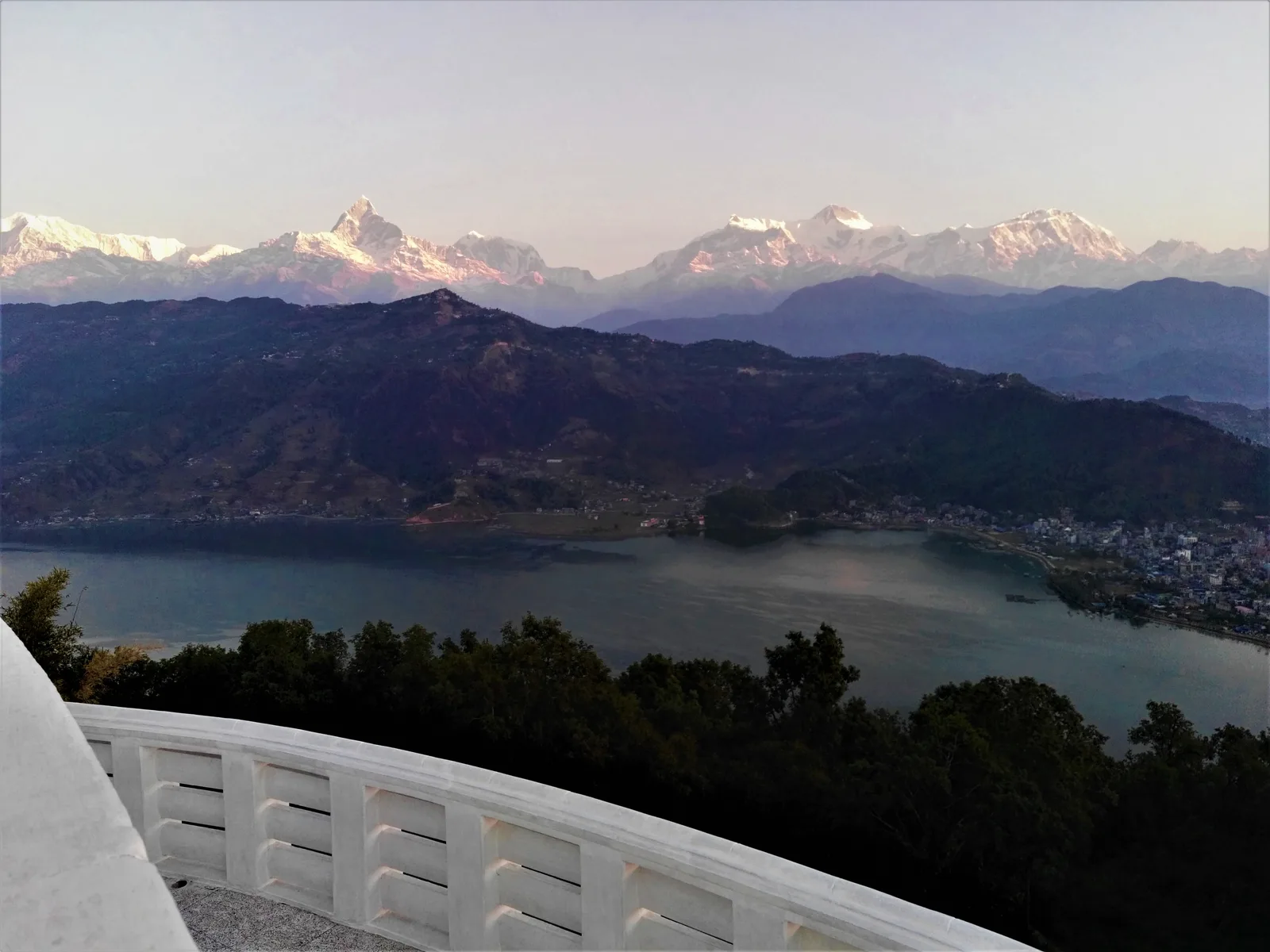
Pokhara rewards a little breathing room
Pokhara gives a Nepal journey room to breathe: a lakefront base, hilltop viewpoints and access to the Annapurna region without requiring every visitor to undertake a trek. Its appeal changes with your ambition. You can spend several days walking, visiting temples and learning about mountaineering, or use the city to prepare for a much longer mountain journey. The Nepal Tourism Board’s Pokhara overview explains that relationship between the valley and the trails beyond it.
Allow three full days for a first city visit, plus travel time. Add days for trekking rather than squeezing a mountain itinerary into the same allowance. For anyone considering a longer stay, the useful question is how comfortably ordinary life works once the holiday schedule ends.
Understand the city beyond Lakeside
Pokhara is a substantial urban destination in Gandaki, not simply a resort strip. Its municipal profile describes 33 wards across a broad metropolitan area. Lakeside, the historic commercial areas and the outlying lakes serve different purposes. Plot them separately before deciding where to sleep or how many activities fit into a day. The distinction becomes particularly useful when comparing a convenient visitor base with an address chosen for work or study.
The metropolitan boundary is not a sensible walking boundary. A room advertised as being “in Pokhara” may still require a transfer to your chosen waterfront, appointment or trail departure. Save the property’s exact map pin and ask for a written description of its road access. This matters especially when arriving after dark or carrying trekking equipment.
Follow the older trading city
Before its modern visitor economy, Pokhara lay on an important trading route between India and Tibet. That history gives a useful frame for looking beyond the lake: the city has long connected mountain communities with markets farther south. Avoid treating every traditional building as a preserved monument or assuming that commercial streets exist primarily for sightseeing.
The Old Bazaar and Bindyabasini area offers a different introduction from the waterfront, with Newar architectural influences and an active religious setting. Give it an unhurried half day rather than adding it as a hurried photograph stop. A local cultural guide can help explain buildings and worship practices; ask what interpretation and language are included before booking. Shops and courtyards remain working places, so keep entrances clear.
Choose Lakeside for a first visit
Lakeside, also called Baidam, runs beside Phewa’s eastern shore. The tourism board describes its concentration of accommodation, restaurants and bars in its Phewa and surrounding lakes information. It is the clearest starting point for visitors who want their meals and waterfront time close together.
Choose the actual room as carefully as the neighbourhood. Ask whether it faces a road, entertainment venue, courtyard or lake, and whether another building blocks the advertised view. A balcony does not establish privacy or quiet. If early departures matter, confirm reception arrangements, breakfast timing and luggage storage. Walk the route between the entrance and the places you expect to use: an attractive hillside address can introduce steps that a booking photograph leaves out.
Give Phewa Lake its own afternoon
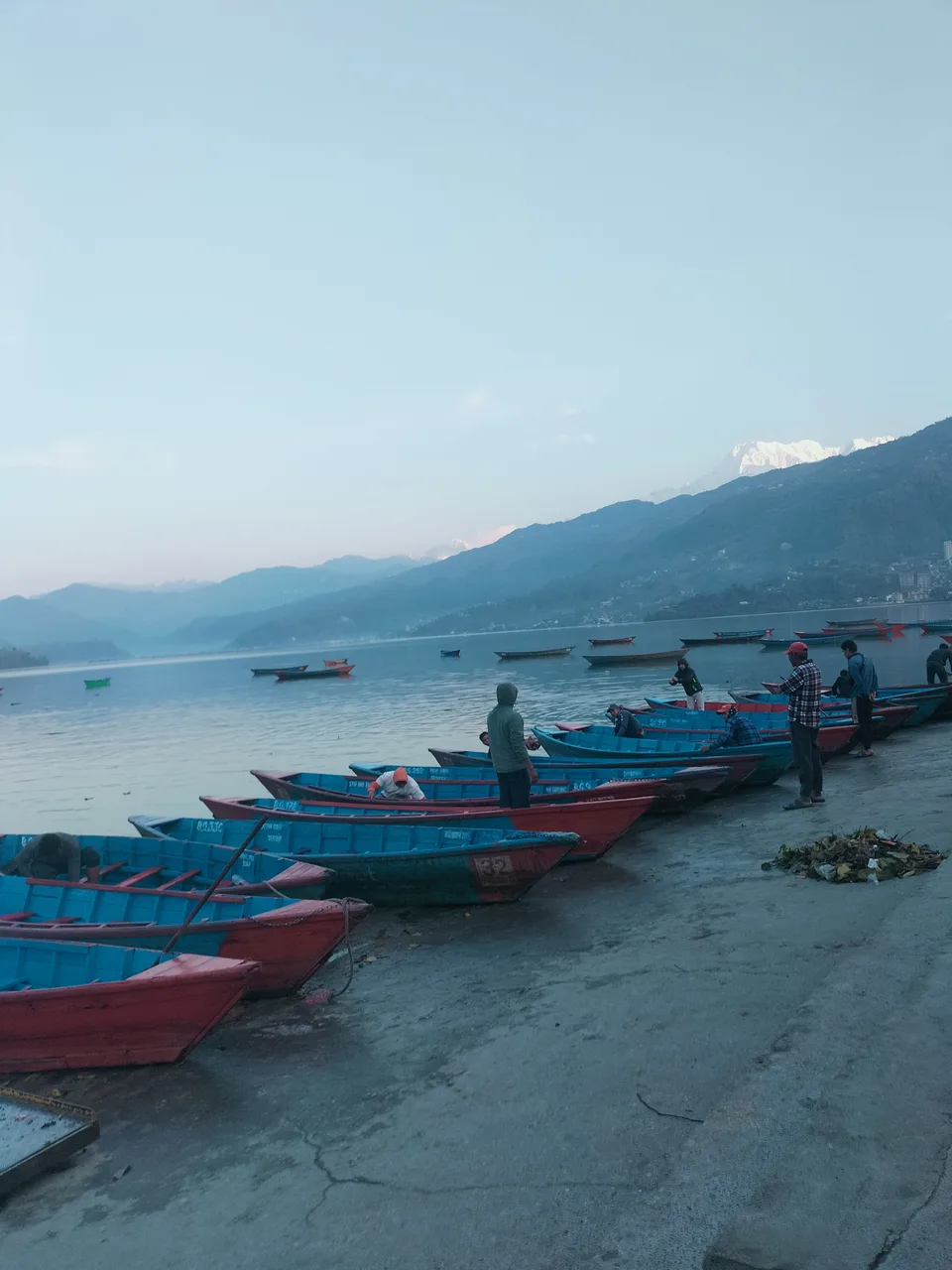
Phewa is worth experiencing from the shore before committing to a boat outing. Watch the light, look at the landing arrangements and decide whether you want a short crossing or a longer excursion. Taal Barahi, the island temple, is a place of worship as well as a visitor attraction.
Before boarding, agree the total price, duration, passengers and return arrangement. Check that a suitable life jacket is available for every person, including children, and decline a departure if conditions or equipment seem unsuitable. These are booking checks rather than a published tariff: no independently verified current boat fare is quoted here. Leave cameras and phones secure while stepping between shore and vessel, and ask before photographing a religious ceremony.
Climb above the water at the Peace Pagoda
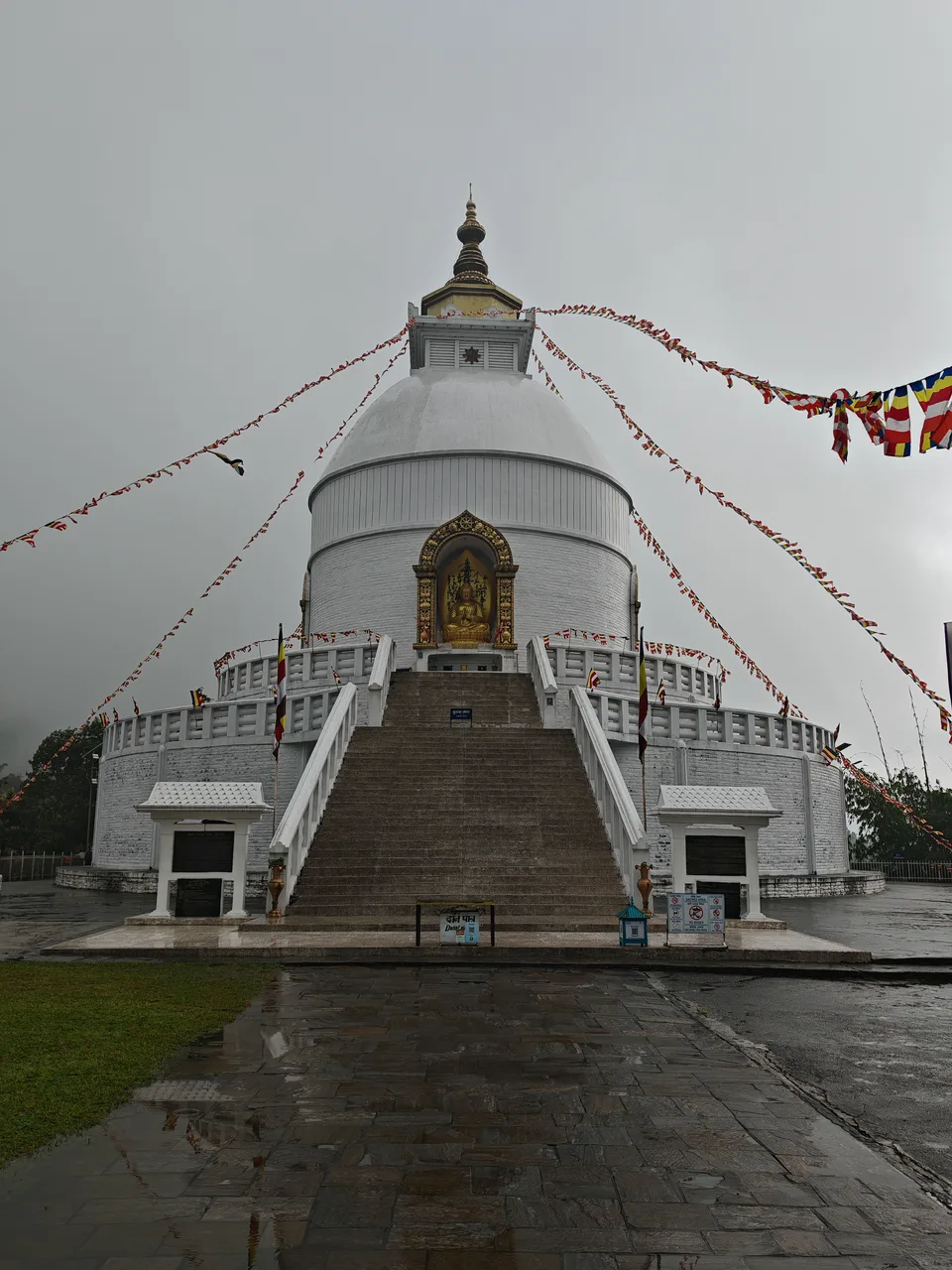
The World Peace Pagoda stands on a hill along Phewa’s southern fringe, with Buddha images facing four directions. It gives the lake a different scale and, when visibility cooperates, opens a view towards the mountains. The setting deserves more attention than a quick climb followed by an immediate departure.
Choose your approach according to the group’s walking ability and that day’s conditions. Ask the accommodation or guide to explain the complete route, including any boat leg and the return pickup. Do not assume a downhill path is straightforward after rain. Bring footwear with grip, cover appropriately for the religious setting and avoid playing music. Keep enough daylight for the return instead of relying on an unfamiliar path after sunset.
Use Sarangkot as a weather-dependent option
Sarangkot’s viewpoint is another way to see the relationship between Pokhara, Phewa and the Himalayan skyline. Sunrise is a popular reason to go, but a departure before dawn makes sense only if the forecast, transport and your appetite for an early start align. A ticket or transfer buys access, not clear mountains.
Agree where the driver will wait and whether the quoted return includes waiting time. Pack a warm layer even when the afternoon in town feels comfortable. If cloud closes the view, change the day’s emphasis instead of repeatedly buying transfers in pursuit of the same photograph. Families may prefer a later visit with a rested group. Confirm current access and charges locally; this guide does not quote an unverified viewpoint tariff.
Put mountaineering into context indoors
The International Mountain Museum at Ratopairo explores mountain communities, geology, climbing equipment and the history of mountaineering. It is a useful stop before a trek and an alternative when an outdoor plan loses its appeal. Give the displays time rather than treating the building as a short diversion between transfers.
Its published visitor information lists daily opening from 09:30 to 17:00 and admission of NPR 750 for foreign visitors, NPR 350 for SAARC nationals and NPR 150 for Nepali visitors. Confirm the applicable category and any photography charge before paying. The operator notes a ramp beside the main entrance; visitors with access requirements should still ask about the full route through the galleries, toilets and vehicle drop-off.
Make Begnas a separate excursion
Begnas and Rupa extend the choice beyond Phewa. Treat a visit as a change of setting rather than an obligation to collect every lake. Pick one focus, arrange the outward and return journey, and allow time simply to sit by the water. Combining several shores, lunch and distant viewpoints can turn a relaxed idea into a day spent negotiating transport.
For a stay outside the main visitor area, ask how meals, groceries and evening returns would work. Confirm the property’s exact shoreline or hillside position rather than assuming every lake address has direct water access. If boating is offered, repeat the equipment and fare checks you would make at Phewa. Weather and the condition of the approach matter more than an ambitious list of stops.
Book accommodation around the trip you have
Pokhara’s accommodation spans basic rooms and more elaborate hotels, but category names reveal little about the room you will receive. For a short stay, prioritise dependable arrival arrangements, sleep and convenient meals. For trekking preparation, secure storage, laundry turnaround and the ability to sort equipment may matter more than decorative facilities.
Ask for the total price in writing, including taxes, breakfast, transfers and cancellation terms. Confirm hot-water arrangements, cooling or heating where needed, lift access and any construction beside the property. A mountain-view room needs a realistic expectation of visibility. For a family or group, check bed configuration rather than assuming “family room” means separate sleeping spaces. Book a flexible first stay if the location is unfamiliar, then extend once you have seen it.
Check the new international flight option
Pokhara no longer needs to be approached solely through a Kathmandu arrival. In its September 2026 announcement, flydubai confirmed daily Dubai–Pokhara flights beginning on 23 September. Check the operating timetable for your dates and compare the complete ticket, including baggage, connection conditions and the arrival airport printed on the booking.
For travellers already in Nepal, Buddha Air’s flight information lists Kathmandu–Pokhara at around 25 minutes and requests arrival an hour before departure. That is scheduled flying time, not the whole journey. Allow for check-in, transfers and disruption. When separate tickets are involved, leave a substantial buffer before an international departure. Review current aviation advice as part of the choice between flying and travelling by road.
Plan the airport transfer precisely
Use the current international airport’s official location and contact details when arranging a pickup. Older descriptions of Pokhara Airport can refer to a different site, making an apparently precise distance misleading. Send your flight number, arrival date, passenger count, luggage needs and hotel pin to the transfer provider, then obtain a meeting point and total price.
Ask whether waiting after a delayed flight costs extra and how you will contact the driver without mobile data. Save the hotel’s telephone number offline. For a departure, work backwards from the airline’s requested reporting time and add a road buffer. No fixed taxi fare or guaranteed transfer duration is given here: the evidence reviewed did not establish a dependable current tariff for every destination.
Leave room for road journeys
The tourism board identifies tourist buses as an intercity option for Pokhara. Compare the actual departure point, arrival point, luggage allowance, vehicle and cancellation policy before choosing a ticket. An advertised travel duration should not become the basis for an immediate onward connection.
The FCDO’s Nepal safety guidance warns about road conditions and bus accidents, and advises against night bus travel. Choose a daytime journey and check conditions before departure, particularly after heavy rain. In town, group activities by area and confirm local transport arrangements with your accommodation. For a hired vehicle, agree whether the price covers a one-way trip or a return with waiting. Keep a contingency fund for a changed route or an extra night.
Get to know dal bhat and regional cooking
Dal bhat is a useful meal to understand: rice and lentils accompanied by vegetables, pickles and sometimes meat. Momo are filled dumplings, commonly served with a sauce or pickle. The tourism board’s cultural handbook describes these staples, while its culinary introduction explains the country’s regional diversity, including Thakali and Newar traditions.
Use menus to compare complete meals rather than judging value by one familiar item. Ask whether a set includes refills, drinks or extra portions, and explain dietary restrictions clearly. Vegetarian wording does not answer every allergy question; discuss ingredients and shared preparation if it matters. For an early excursion, arrange breakfast the evening before and carry a snack if the first meal will be delayed. Check the final bill against the menu before leaving.
Build a budget from the costs that change it
Separate the city budget from the mountain budget. Accommodation, meals and local journeys form one total; guides, permits, equipment and extra trail nights form another. A low room rate says little about the cost of a trip built around paid excursions. Keep visa charges and arrival or departure transfers visible rather than burying them in miscellaneous spending.
For shopping, inspect an item before paying and compare like for like. A familiar outdoor logo is not proof of performance or authenticity. Buy safety-critical equipment through a supplier whose provenance and suitability you can establish. For gifts, ask about materials and transport restrictions. Carry enough accessible funds for a disrupted journey, but avoid keeping every card and all cash in the same bag.
Pick a season and keep a cloudy-day plan
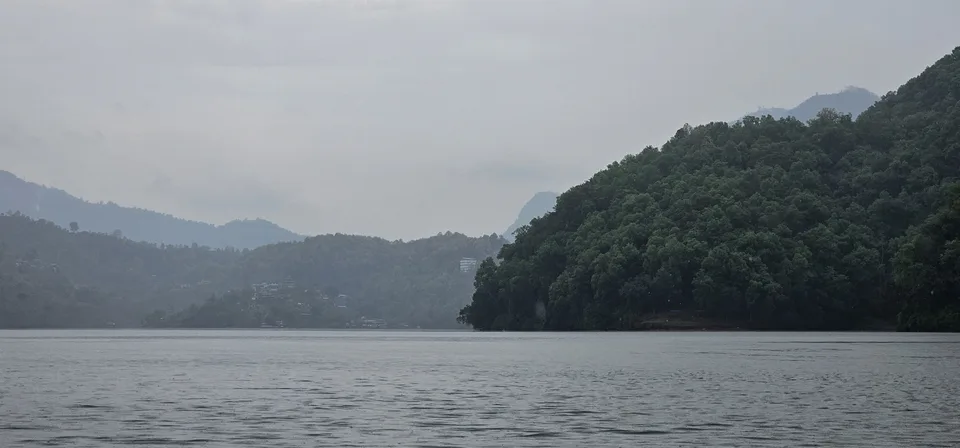
The Nepal Tourism Board’s climate guidance identifies spring and autumn as favourable travel periods, with particularly clear skies often following the monsoon in October and November. Pokhara receives substantial rain; a green landscape and dependable mountain visibility do not necessarily arrive together. Winter can suit a city visit, but pack for cooler mornings and evenings.
During the wet season, build flexibility into outings and road travel. Check a current forecast before leaving, rather than relying on a seasonal summary as a daily prediction. Keep the museum and a slower food or shopping afternoon available when a viewpoint becomes unappealing. If a trek follows the city stay, assess conditions at the route’s elevation separately: comfortable weather beside the lake does not establish conditions higher up.
Spend three full days without rushing
Day one: settle into your accommodation, explore the waterfront and decide whether conditions suit a short boat outing. Keep the evening free after the arrival journey. Day two: visit the Old Bazaar and Bindyabasini area, then spend the afternoon at the International Mountain Museum. Arrange transfers around actual opening hours and leave room for lunch.
Day three: choose the Peace Pagoda or Sarangkot according to weather and walking preferences, followed by an unstructured afternoon. With a fourth day, add Begnas instead of compressing it into the first three. This is an editorial itinerary, not a timed tour promise. Swap the days when cloud, rain or fatigue calls for it, and add a separate block of days for a trek.
Treat an Annapurna trek as another booking
The tourism board’s current TIMS rules require a licensed guide and agency-issued TIMS card on specified routes, including Annapurna Base Camp, Poon Hill and Mardi Himal. Published TIMS charges are NPR 1,000 for SAARC nationals and NPR 2,000 for others. Ordinary city sightseeing should not be confused with a protected-area trek.
The separate NTNC conservation permit portal lists NPR 3,000 for foreign visitors and NPR 1,000 for SAARC nationals, including tax. Online payment adds 2.9%; check-post issuance costs double. Restricted areas can require additional permission. Ask the agency to itemise every permit, guide service, transfer and included night. Confirm route-specific requirements before paying, and choose insurance covering the actual activities, altitude and evacuation arrangements rather than assuming a city policy is sufficient.
Match entry permission to your passport
The Department of Immigration’s visa information lists tourist visa-on-arrival fees of US$30 for 15 days, US$50 for 30 days and US$125 for 90 days. Eligibility and any exemption depend on nationality and circumstances. Confirm the current rule with Immigration or the relevant Nepali mission before buying a non-refundable journey.
For the published arrival process, complete the form, retain the barcode receipt, pay the fee and present the required documents at immigration. The receipt is valid for 15 days; it is not itself permission to enter. Keep cash available as a payment backup. Compare these official requirements with VisaWand’s Nepal country guide, and use the authority’s current application instructions whenever a summary and an official notice differ.
Separate a visit from work or study
A tourist stay does not authorise employment. Immigration states that work requires the appropriate Working Visa, with a labour permit and relevant government recommendations among the supporting documents. Study has its own category and documentation, including admission and an Education Ministry recommendation. Obtain advice for your exact activity before assuming that a course, volunteer role or remote arrangement fits visitor conditions.
For a permanent move, establish an eligible residence route before making a housing commitment. Repeated holidays are not evidence of a right to settle. VisaWand’s consultant directory can help identify professional support, but verify a provider’s qualifications, scope and written fees. Keep immigration approval, tax questions and professional licensing separate: resolving one does not automatically resolve the others.
Test ordinary life before signing a lease
Begin a relocation assessment with temporary accommodation and a list of recurring journeys: work, classes, groceries and healthcare. Visit candidate homes at the times you would actually travel. Compare the benefit of being near the waterfront with the cost and inconvenience of reaching your daily commitments. No reliable current citywide rent benchmark was established for this guide.
Inspect water supply, drainage, cooking facilities, ventilation, locks and electrical fittings. Request written terms covering deposit return, maintenance, utilities, furnishings and notice periods, and keep an agreed inventory. Ask how bills are measured and who pays for repairs. A monthly quote is not comparable with another until the inclusions match. For a household arriving from overseas, confirm the lawful rental arrangement and required identification before transferring a substantial deposit.
Check services at the address you will use
Test internet performance in the actual room and at the times you need it. Ask about power backup, mobile coverage, laundry and rubbish collection, then include those costs in a household budget. If moving with children, confirm school places, language of instruction, transport and the complete annual charges directly with the institution.
The FCDO’s health advice recommends checking suitable care and insurance, and notes that Nepal has no central public ambulance service. Identify an appropriate hospital, save its number and discuss evacuation arrangements with your insurer. The Tourist Police information page describes assistance with visitor complaints and lost documents. Keep copies of essential records accessible to a trusted person and retain the originals securely for appointments and travel.
Plan for access and the people travelling with you
A lake view does not explain how a wheelchair user reaches the breakfast room, how a child negotiates the jetty or how far an older traveller must climb from a vehicle. Request photographs of the entrance, bathroom and any intervening steps before paying. Ask for measurements when equipment clearance matters, and confirm that an accessible room is reserved rather than merely requested.
Build the day's plan around the slowest comfortable pace in the group. Separate an optional viewpoint outing from an essential transfer so that some people can stay behind without losing the day's transport. For religious visits, follow the site's own instructions about shoes, clothing, photography and access to sacred spaces. A guide should explain those boundaries before the group enters.
Keep the lakefront and paths useful to the people who live and work there. Carry rubbish to an appropriate collection point, avoid blocking worship or trade, and ask permission before making a person the subject of a photograph. Practical courtesy improves an outing more reliably than trying to reproduce somebody else's perfect holiday image.
Compare Pokhara with the rest of your journey
Choose Pokhara when the lake-and-mountain setting is central to the trip, then assess other stops according to a different purpose. Kathmandu may belong in a broader itinerary for its urban and cultural sites; do not add it solely because an old routing description assumes every international passenger must change there. A second lakeside stay may be more useful than another transfer if rest is the priority.
Use VisaWand’s Nepal location directory to explore places by name and its Nepal destination page for related planning options. Directory entries are not necessarily completed travel guides. Before adding a stop, check the real travel day it consumes, the season and what you would remove from the existing itinerary. A satisfying visit leaves time to experience a place rather than merely reach it.
Official planning resources
Reviewed 16 October 2026. Use the official resources linked throughout this guide for admission, transport, housing and immigration decisions. Prices, services and rules can change; confirm the details relevant to your dates. Photography illustrates the locations and is not a live view.
View all official resources
- Nepal Tourism Board: Pokhara
- Pokhara Metropolitan City: municipal profile
- Nepal Tourism Board: Old Bazaar and Bindyabasini
- Nepal Tourism Board: Phewa and surrounding lakes
- Nepal Tourism Board: World Peace Pagoda
- Nepal Tourism Board: Sarangkot viewpoint
- International Mountain Museum: galleries and location
- International Mountain Museum: hours, tickets and access
- flydubai: Dubai–Pokhara service launch
- Buddha Air: published flight durations
- Pokhara International Airport: official contact and location
- Nepal Tourism Board: local and intercity transport
- FCDO: Nepal transport and outdoor safety
- Nepal Tourism Board: cultural handbook, cuisine
- Nepal Tourism Board: regional food traditions
- Nepal Tourism Board: seasons and climate
- Nepal Tourism Board: current TIMS and guide requirements
- NTNC: conservation entry permits and fees
- Nepal Department of Immigration: visa categories
- FCDO: healthcare and emergency planning in Nepal
- Nepal Tourism Board: Tourist Police services
Plan the next part of your journey
Explore the Nepal guide, browse other cities or compare consultants for your travel and relocation questions.