Visa
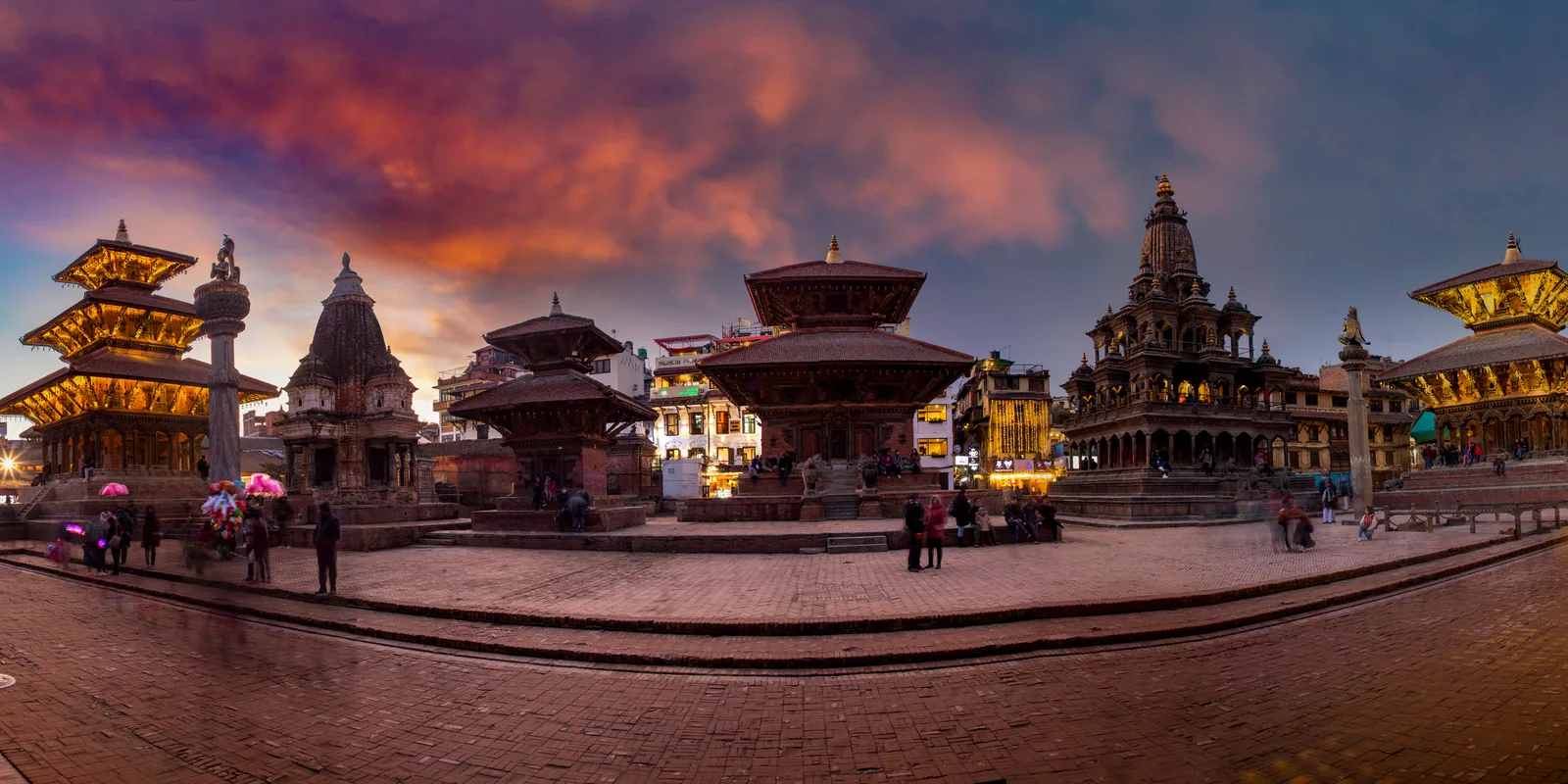
Give Lalitpur more than a hurried afternoon
Lalitpur rewards visitors who slow down. Around Patan Durbar Square, a palace doorway, a metalworker's display and a courtyard shrine can each justify stopping. The attraction is not simply a collection of monuments: it is the way historic spaces remain part of a working city. Plan time for a museum, a walk and a meal rather than treating the square as a photograph taken between transfers.
Patan and Lalitpur refer here to the same city in Nepal's Kathmandu Valley. The Nepal Tourism Board identifies Patan as Lalitpur, southeast of Kathmandu. The historic centre is only part of the wider metropolitan municipality. This distinction matters when choosing accommodation or considering a move: a Lalitpur address does not necessarily put you within a short walk of the palace. Start with VisaWand's Nepal country guide, then shape the local stay around your interests and daily journeys.
Read the city through its craft and conservation
Newar craftsmanship helps explain the appeal of the old streets. Metalwork, carved timber and religious imagery are not merely decorative themes borrowed by souvenir shops. They are part of the cultural setting that gives Patan its identity. Ask a maker about technique and materials, and distinguish a contemporary piece from an object being marketed as old.
The Kathmandu Valley Preservation Trust's palace restoration account places most of the surviving palace structures in the seventeenth-century Malla period. It also describes damage and hurried repairs following the 1934 earthquake, later institutional use and the continuing importance of ritual space. Conservation is therefore part of the story, rather than an interruption to an otherwise unchanged past. Look for how buildings have been repaired and reused. Avoid assuming that a restored structure is wholly original or that a site under conservation is fully accessible.
Know what World Heritage status actually covers
UNESCO's Kathmandu Valley inscription comprises seven groups of monuments, including the Durbar Squares of Patan, Kathmandu and Bhaktapur. Patan's palace square belongs to that shared World Heritage property; the designation does not mean that every building across modern Lalitpur is individually listed. It is a useful framework for understanding the ensemble rather than collecting unrelated landmark names.
Begin with a broad look at the square before concentrating on a particular temple or courtyard. Notice the relationship between palace façades, gathering places and shrines. Then return to details after visiting the museum, when the imagery and craftsmanship may be easier to interpret. If hiring a guide, establish the length of the walk, languages, price and whether admission is included. A guide's service and a site ticket are separate purchases unless expressly combined.
Budget correctly for the square and museum
The Nepal Tourism Board's published admission table lists Patan Durbar Square including Patan Museum at NPR1,000 for its general foreign-national category. It lists NPR500 for Chinese visitors and a NPR500 regional category shown under SAARC with a BIMSTEC annotation. Check the category applicable to your passport at the ticket office rather than assuming one tariff applies to everyone.
Keep the ticket and confirm the current museum inclusion, re-entry arrangements and any concessions before leaving the counter. The board's list is a published planning reference, not assurance that a future tariff cannot change. Do not add a second full museum admission to your budget automatically if it is already covered, or assume a ticket grants unrestricted access to worship spaces. Allow a proper block of time rather than arriving shortly before galleries close.
Let Patan Museum explain what you are seeing
Patan Museum's official information places it in Keshav Narayan Chowk within the northern palace complex. Its interpretation of sacred art offers a useful introduction to the Hindu and Buddhist imagery encountered outside. For many visitors, this is the difference between recognising a beautiful object and beginning to understand why it mattered to its makers and worshippers.
Set aside an unhurried morning or afternoon, with time to read displays. Opening-hour information online includes older notices with different seasonal dates, so confirm current gallery and courtyard hours directly. A palace courtyard being accessible does not establish that every gallery is open. Ask about stairs and any accessible route if mobility is a concern. Respect photography restrictions and allow enough time for the building itself; the setting is part of the visit, not just a passage to the exhibits.
If rain interrupts your walking plans, reorganise around confirmed gallery access rather than assuming the entire palace offers indoor shelter. Keep a dry layer for the journey between buildings and protect your ticket and other documents.
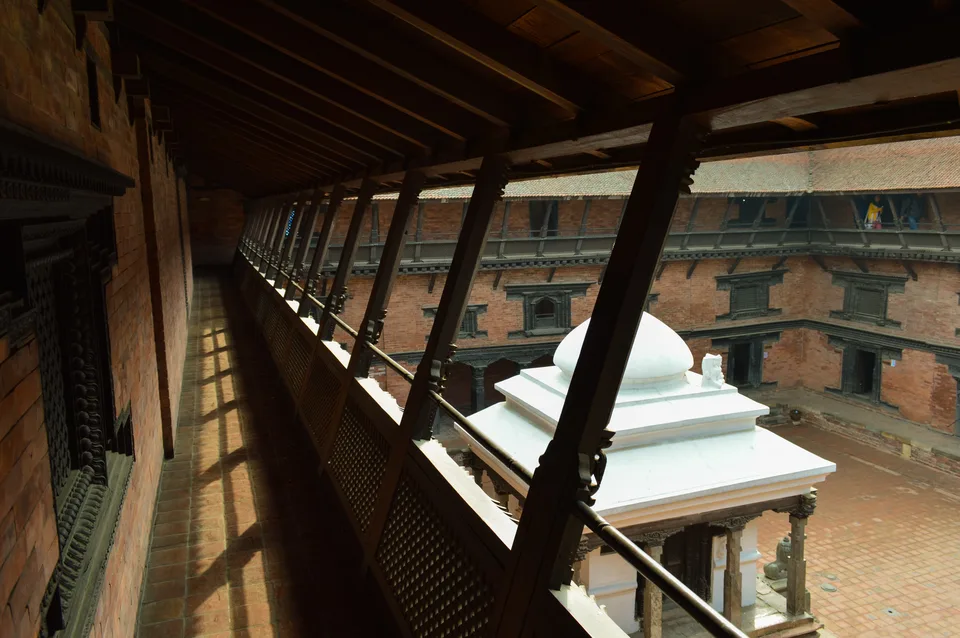
Explore the Golden Temple and neighbouring religious spaces considerately
Hiranya Varna Mahavihar, commonly called the Golden Temple, is among the important Buddhist sites around Patan's historic centre. The tourism board also identifies Kumbheshwar, dedicated to Shiva, and Mahabouddha, known for its terracotta work. Choose a short group of visits rather than trying to complete every temple name on a map.
These are religious places with their own arrangements. Check the entrance rules, dress requirements, charges and photography restrictions on arrival. A ticket for Durbar Square should not be assumed to cover every separate site. Ask before entering a courtyard that might be private or restricted, and keep doorways clear for worshippers. If a ritual is under way, observe from where visitors are welcome rather than trying to position yourself for a photograph. A local guide can be particularly useful for understanding which spaces are appropriate to enter.
Choose between the old centre and the wider city
For a short cultural visit, a base around Swotha and the Durbar Square area reduces the need to cross town between meals and sightseeing. You can make a morning walk, return to your room and go out again without building the day around a vehicle. Check the last section of access, since the property entrance may be along a lane rather than on the road where a taxi stops.
For a longer stay, compare that setting with addresses around Pulchowk, Jawalakhel and Lagankhel. These names matter to transport and everyday appointments, not simply to a hotel's marketing description. Test the actual route to your workplace, school or main destination. If you expect frequent journeys into Kathmandu, include the whole journey and crossings rather than judging convenience by a short map distance. Noise, room access and the walk home can outweigh a more photogenic address.
Ask different questions of a heritage guesthouse
Restored homes offer an appealing way to stay near the old centre, but their physical details deserve attention. Newa Chen's own room information says some twin and double rooms have ceilings only 1.8 metres high, while its higher rooms differ. That is a meaningful booking detail, particularly for taller travellers; the word heritage does not describe a standard room layout.
Traditional Homes Swotha describes the conversion of a residential house near the square into guest accommodation. Use such properties as examples to compare, rather than assuming every restored house provides the same comforts. Ask about stairs, bedroom heating, hot-water arrangements, ventilation, bathroom access and sound between rooms. Request the exact room category and a complete price including compulsory charges. For families, confirm real beds and the safe use of windows, terraces and stairways before paying.
Keep a walk flexible enough for the streets themselves
Give yourself permission to leave space between major sights. A shopfront, courtyard entrance or conversation about an object can be more interesting than another hurried stop. Carry a manageable bag and shoes suited to uneven surfaces. Keep a map available offline, but look up frequently in narrow streets where pedestrians and vehicles share limited space.
If you are travelling with children or have limited stamina, plan breaks where you can sit comfortably instead of treating every courtyard as another task. Ask about toilets when choosing a longer museum or café stop. Avoid blocking entrances or leaning equipment against religious objects. For evening walks, establish the return route while it is still light. A shorter circuit that you can enjoy and navigate comfortably is preferable to following an ambitious route simply because a walking itinerary labels it easy.
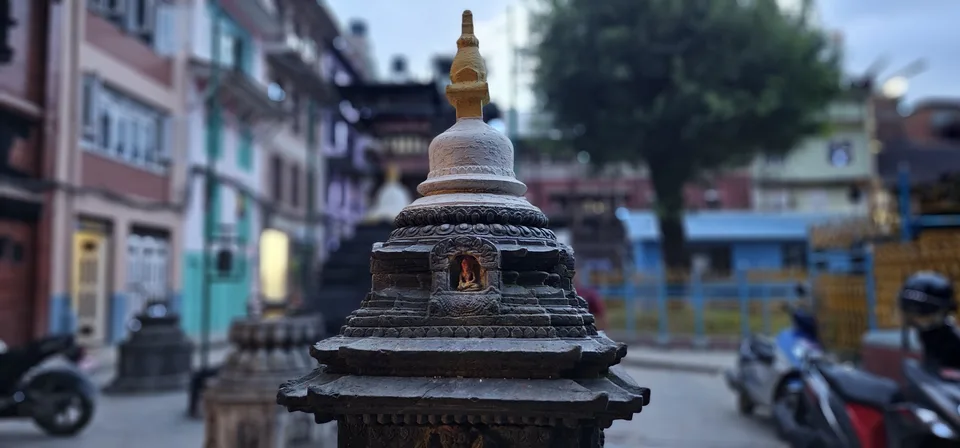
Arrive through Kathmandu with a clear transfer plan
Tribhuvan International Airport in Kathmandu is the usual air gateway for a Lalitpur visit. Organise the onward journey to your actual accommodation, making clear that you mean Patan or Lalitpur rather than a similarly named property elsewhere in the valley. Save the address, map pin and contact number offline, and ask where the vehicle can stop near the entrance.
For a prearranged transfer, confirm the vehicle, luggage capacity, price and procedure after a delayed flight. If arranging a taxi on arrival, establish the applicable fare arrangement before departure. Do not rely on a fixed journey time quoted in an old hotel review: road conditions, traffic and your destination affect the trip. Keep your arrival day light enough to absorb delays. Before an international departure, leave a realistic buffer and check the airline's reporting time rather than treating a short geographical distance as a reliable schedule.
Use the bus network for the journey it actually serves
Sajha Yatayat's official short-route information lists Lagankhel–Gongabu Buspark services running through Kumaripati, Jawalakhel and Pulchowk before continuing toward central Kathmandu and northwards. It also lists a separate Lagankhel–Budanilkantha route. These are useful starting points for planning a journey, with boarding points and current operation to be checked locally.
The operator's airport listing is Thankot–Tribhuvan International Airport; do not infer from that listing that there is a direct airport bus to every Lalitpur neighbourhood. Confirm the complete connection if using public transport with luggage. Keep smaller rupee notes and ask about the applicable fare when boarding. For a taxi or other hired vehicle, specify the pickup location and destination clearly. A short trip through the old centre can involve a walk at one end, so confirm that detail if carrying bags or travelling with someone who cannot manage stairs or uneven lanes.
Make food part of the cultural visit
Leave time for Newar food rather than treating lunch as an inconvenient break between temples. Ask what is freshly prepared, what a portion includes and which ingredients are used. Explain dietary restrictions clearly; the appearance of a vegetable or sweet dish alone does not establish whether it suits your needs. Choose drinking water and food handled appropriately for the conditions.
One distinctive item is yomari. The tourism board's account of the rice-harvest tradition describes a steamed rice-flour dumpling with fillings such as chaku, a molasses preparation, or khuwa, a milk-based filling. Ask what is available that day rather than expecting every eatery to offer it. Seasonal and festival associations are part of its interest, but a festival page with an undated calendar heading should not be treated as confirmation of this year's event date. Make room for a relaxed meal and a conversation about what you are eating.
Buy crafts with an understanding of what is being sold
Patan's artistic reputation makes craft shopping particularly rewarding when you ask specific questions. For a metal object, ask about the material, production technique, maker and finishing. For carved work, ask about the wood and whether the item was made recently. A useful purchase need not be presented as rare, old or religiously significant to be worth taking home.
Request a receipt describing the object and keep the seller's details. Check packing, weight and any export requirements before purchasing something represented as antique or culturally significant. Do not accept a seller's assurance as a substitute for official clearance where required. If visiting a workshop, ask permission before photographing people or processes, and make clear whether a demonstration carries a charge. Allow time to compare work without pressuring yourself to buy simply because you have been shown how something is made.
Plan spending around the visit you want
Separate accommodation, meals, transport, admissions and purchases. A visitor staying near Durbar Square and concentrating on walks will spend differently from someone crossing the valley repeatedly. Obtain actual room quotes for your dates, occupancy and cancellation terms. No dependable single current daily budget or residential rent average covers every kind of Lalitpur stay.
The published NPR1,000 general foreign-category square-and-museum ticket is a useful starting component, not the total cost of a day. Add any separate sites, guide services and journeys you choose. Confirm whether a quoted price is per person, per room or for the whole vehicle. Keep some cash for small transactions and a separate contingency for changes to transport. A more convenient room may reduce paid journeys, but compare the real itinerary before assuming that a higher nightly price will pay for itself.
Choose the season for comfortable walking
The Nepal Tourism Board's climate guidance identifies the principal monsoon period as June–September and generally clearer skies after it in October and November. Spring and autumn are practical starting points for planning a walking-focused valley visit. They do not guarantee clear mountain views or identical weather every day.
Winter can mean comfortable sunny afternoons alongside cold mornings, evenings and rooms. Ask about heating rather than assuming a guesthouse is warm because outdoor temperatures appear manageable. During wetter months, carry a light rain layer, protect documents and electronics and leave flexibility around outdoor visits. Regional air quality also matters: consult current conditions if respiratory health is a concern. This guide does not turn a Kathmandu airport reading or a general national climate range into an exact temperature promise for every Lalitpur address. Check the forecast close to departure and adjust the day accordingly.
A realistic three-day introduction
On the first day, settle in and explore the streets around your accommodation. Make an initial visit to Durbar Square if time and ticket arrangements suit, then choose dinner within a comfortable return journey. Avoid committing to an elaborate cross-valley outing immediately after an international flight.
On day two, give the palace area and museum a proper block of time, confirming gallery hours before setting out. Follow with a manageable circuit to the Golden Temple and another chosen religious site. Keep enough room for lunch and an unscheduled stop rather than adding every monument to the same afternoon.
On day three, focus on craft, a slower neighbourhood walk or an independently planned visit elsewhere in the valley. This is an editorial suggestion, not a tour timetable. If the museum is especially important to you, arrange the days around its confirmed access. Add another night if you want both Lalitpur and a substantial excursion without hurrying.
Test the commute before committing to a home
For a possible move, begin with temporary accommodation and inspect longer-term properties in person. Repeat the commute at the hours you would actually travel, including the walk from a stop to your door. A holiday afternoon in a quiet lane is not a test of the school run or a regular journey into Kathmandu.
Read the lease terms carefully and establish the deposit, payment currency, notice period, repair responsibilities and which utility charges are included. Inspect drainage, damp, ventilation, secure storage and access to the building. Ask for information about the structure and any alterations, particularly in an older property, and obtain professional advice if structural safety is material to your decision. The appearance of a restored façade is not proof of the condition of the whole building. Keep an inventory and agree how existing defects will be recorded before taking possession.
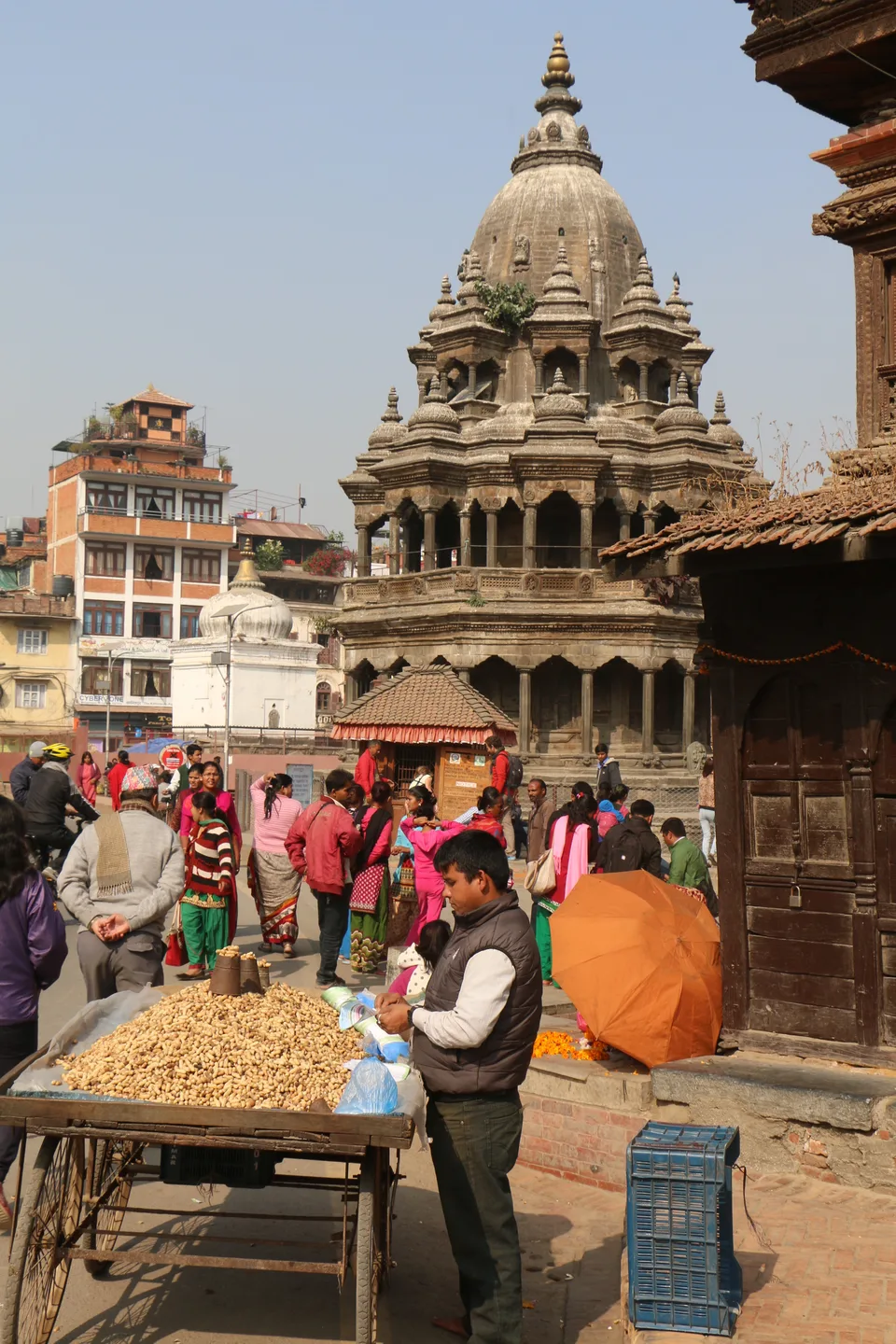
Check water, internet and municipal arrangements at the address
Ask the owner how water is supplied and stored, what happens during interruptions and which costs are shared. Check the arrangements for safe drinking water separately. Test hot water at the time it would be needed, and ask how power interruptions affect lighting, cooking, internet and any equipment you depend on.
For online work, test a video call from the actual room and check mobile reception indoors. Confirm laundry, groceries, deliveries, rubbish collection and the practical address used by drivers. The Lalitpur Metropolitan City's official services and contact information is a starting point for local enquiries; the correct ward and the property's jurisdiction matter. Do not assume all of Lalitpur District is served by the same municipal office. Families should establish school admissions, fees, language and travel arrangements before selecting a home simply because it looks convenient on a map.
Identify healthcare that meets your own needs
Patan Academy of Health Sciences' hospital information identifies its Lagankhel, Lalitpur location and links clinical services. Use the provider's current information to check the department, appointment arrangements, prescription availability and payment conditions relevant to you. The existence of a nearby hospital does not establish that a specific specialist is available when required or that your insurer will settle the bill directly.
Read current official Nepal travel-health guidance, including air pollution and dengue precautions, and organise suitable insurance. Keep accessible funds and your insurer's contact details. If moving with an ongoing condition, establish continuity of treatment before arrival and check the rules for bringing medicines. An urban valley stay and a remote mountain trek have different practical health needs; if adding a trek, reassess your cover and preparations for that journey rather than assuming the city plan covers it.
Separate entry permission from work, study and residence
The Department of Immigration's current tourist application guidance lists standard tourist options of 15 days for US$30, 30 days for US$50 and 90 days for US$125. Nationality-based exemptions and special categories exist, so check your own eligibility. Use the official application links, retain the approved documents and distinguish an application receipt from permission actually issued.
For a longer stay, consult the Department's visa and document requirements. Standard tourist extensions are subject to a visa-year limit, with separate rules for some categories. Employment requires the relevant permission and supporting authorisations; study and residential categories have their own conditions. Renting a flat or extending a visit does not itself authorize work or permanent settlement. Use the Nepal destination page and Nepal consultant listings to arrange a case-specific discussion, then verify the applicable requirements with the official authority. No service can guarantee approval.
Compare other valley bases before adding another journey
Kathmandu's destination page and Bhaktapur's destination page are useful next references when comparing places in the valley. These links identify destinations and available listings; they should not be mistaken for promises that every page contains a completed detailed travel guide. Choose excursions around the time you can spend on site as well as the transfer.
Staying in Lalitpur makes most sense when you want repeated access to its streets, craft and religious spaces, or when your everyday commitments lie on this side of the valley. For a short visit, one careful museum visit and a few considered walks can be more satisfying than attempting to see every valley monument. For a move, return to the ordinary questions: the actual home, the commute, services and lawful status. Those decisions deserve as much attention as the palace square that first attracted you.
Official planning resources
Reviewed 21 October 2026. Use the official resources linked throughout this guide for admission, transport, housing and immigration decisions. Prices, services and rules can change; confirm the details relevant to your dates. Photography illustrates the locations and is not a live view.
View all official resources
- Nepal Tourism Board: Kathmandu Valley and Patan
- Kathmandu Valley Preservation Trust: Patan Palace conservation
- UNESCO: Kathmandu Valley World Heritage property
- Nepal Tourism Board: current published heritage entry fees
- Patan Museum: official collections and visitor information
- Newa Chen: heritage guesthouse and room specifications
- Traditional Homes Swotha: building and accommodation concept
- Sajha Yatayat: Kathmandu Valley short routes
- Nepal Tourism Board: yomari and Newar food traditions
- Nepal Tourism Board: seasons and climate
- Lalitpur Metropolitan City: official contact and services
- Patan Academy of Health Sciences: hospital services and location
- UK FCDO: Nepal healthcare, air quality and travel health
- Nepal Department of Immigration: official ETA, eVisa and tourism conditions
- Nepal Department of Immigration: visa fees and required documents
Plan the next part of your journey
Explore the Nepal guide, browse other cities or compare consultants for your travel and relocation questions.