Visa
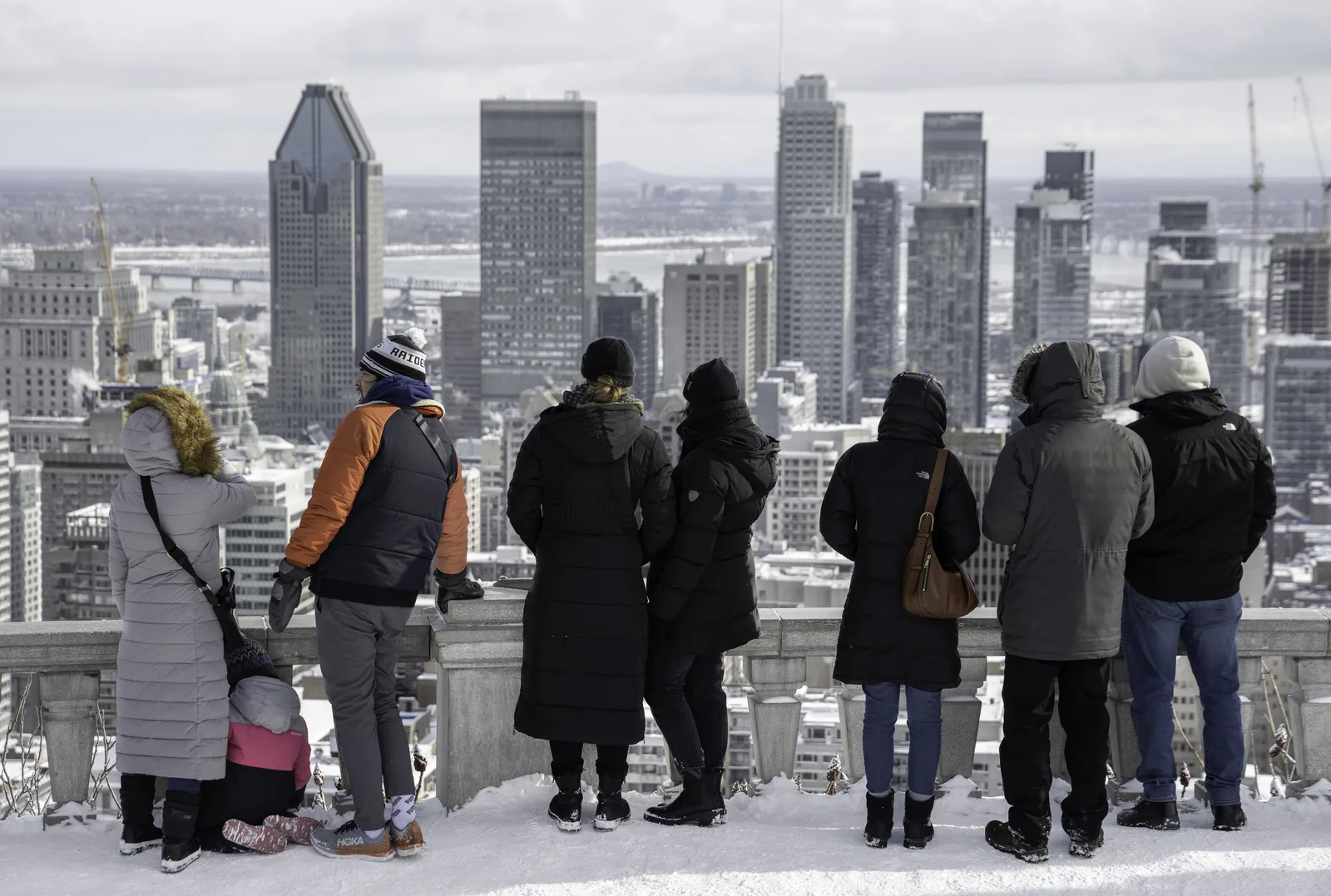
A city best understood between its landmarks
Montréal rewards visitors who leave room between bookings. A morning among Old Montréal’s stone façades can become an afternoon on residential streets, followed by dinner far from the waterfront. The pleasure lies in that change of scale: substantial museums and an international cultural life alongside neighbourhood bakeries, outdoor staircases and parks where an ordinary hour feels well spent.
For a first visit, allow three full days. That gives history, the mountain and everyday neighbourhood life their own space. A prospective resident needs longer, including weekdays spent testing a commute and viewing housing. Montréal is a French-speaking city in Québec, on an island in the St Lawrence system. Its wider metropolitan area includes separate municipalities; neither the entire island nor every suburb is the City of Montréal.
Begin with the history beneath the streets
The French settlement of Ville-Marie was founded in 1642, but that date is not the beginning of human history here. Indigenous presence and relationships belong at the centre of the account. Pointe-à-Callière’s introduction to its historic site explains the settlement’s location, while its archaeology makes an unusually tangible starting point for understanding the city.
The museum’s Crossroads Montréal exhibition combines surviving remains, contemporary Indigenous art and interpretation of encounters including the Great Peace of 1701. This is more useful preparation than treating Old Montréal as a collection of picturesque European buildings. Later commerce and industrial development changed the waterfront again. Look at warehouses, transport corridors and repurposed buildings as evidence of that working history, rather than assuming every attractive façade belongs to the settlement’s earliest years.
Choose a base around your actual plans
Downtown suits a short stay built around museums, shopping, performances and connections through central transit stations. Old Montréal suits visitors who want historic streets outside the door and are happy to return there after evenings elsewhere. The Plateau and Mile End put neighbourhood walks and cafés closer, but an appealing address can still involve a bus ride or a substantial walk to the metro.
Use Tourisme Montréal’s neighbourhood overview to narrow the search, then check the individual property on a map. Compare walking routes to stations, not the district name in a booking filter. For light sleepers, ask about the room’s position relative to terraces, entertainment venues and busy roads. For winter travel, the difference between a short sheltered connection and several exposed blocks can matter more than a view.
Walk Old Montréal without buying every experience
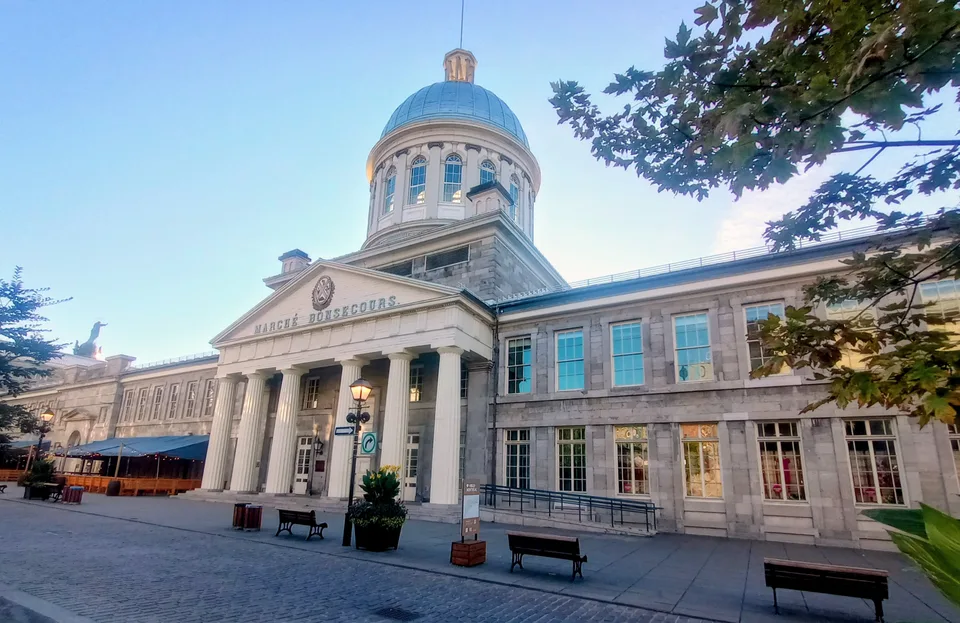
Start around Place d’Armes, continue through the historic street network and give the waterfront its own unhurried stretch. Rue Saint-Paul and the area around Marché Bonsecours offer architectural interest even when you have no shopping plans. The Old Port is a waterfront destination beside the historic quarter; it is not a synonym for the whole neighbourhood.
Choose one substantial indoor visit rather than assembling a succession of short admissions. That leaves time to notice changes in street level, building materials and the relationship between the old commercial streets and the water. Wear shoes suited to uneven surfaces, and shorten the walk when snow or ice makes footing difficult. A photograph of an empty summer square does not establish what the same route will feel like on a busy or freezing afternoon.
Decide between Notre-Dame by day and AURA
Notre-Dame Basilica is a deliberate booking rather than a free stop to squeeze between cafés. Its official visiting hours and ticket rates list daytime adult admission from C$16 plus tax. The evening AURA experience starts at C$37 plus tax. These are different experiences: choose the daytime visit for looking closely at the interior, or investigate AURA if an evening sound-and-light presentation is the priority.
Published sightseeing hours are Monday to Saturday, 9am–4pm, and Sunday, 12:30pm–4pm; check the chosen date before paying. Worship follows a separate schedule and should not be treated as a sightseeing workaround. The operator describes the building as partially accessible, so travellers with mobility requirements should review its detailed access information rather than infer full access from the presence of an entrance ramp.
Give the archaeology museum a proper visit
At Pointe-à-Callière, the point is the connection between objects, excavated structures and the place beneath your feet. Allow a substantial museum session rather than regarding it as a shelter during a brief shower. Read the permanent-exhibition descriptions before choosing temporary displays, especially if your main interest is Montréal rather than the subject of a touring exhibition.
The museum’s current admission page lists C$30 for adults aged 31–64 and C$20 for ages 18–30, with taxes included. Its regular published hours are Tuesday–Friday, 10am–5pm, and weekends, 11am–5pm; ticket sales end an hour before closing. Holiday arrangements differ. Those distinctions matter when comparing prices with the basilica, whose advertised rates exclude tax, or when planning an itinerary that would otherwise put the museum on a Monday.
Climb Mount Royal with weather and access in mind
Mount Royal gives the city a topographical centre as well as a skyline viewpoint. The park opened in 1876 and is associated with landscape architect Frederick Law Olmsted, as explained in Tourisme Montréal’s anniversary account. Choose a route that leaves time for the climb and the return, rather than treating the lookout as a quick roadside photograph.
The Mount Royal welcome centre provides a useful destination for facilities near the chalet. Conditions on the way there deserve equal attention. The city’s current park works notices include stairway renewal, tree work and work around the cross. Check detours before setting off; a familiar route on an older travel blog may be affected. In cold weather, bring traction-appropriate footwear and warm layers, and turn back if the surface exceeds your confidence or equipment.
Slow down in the Plateau and Mile End
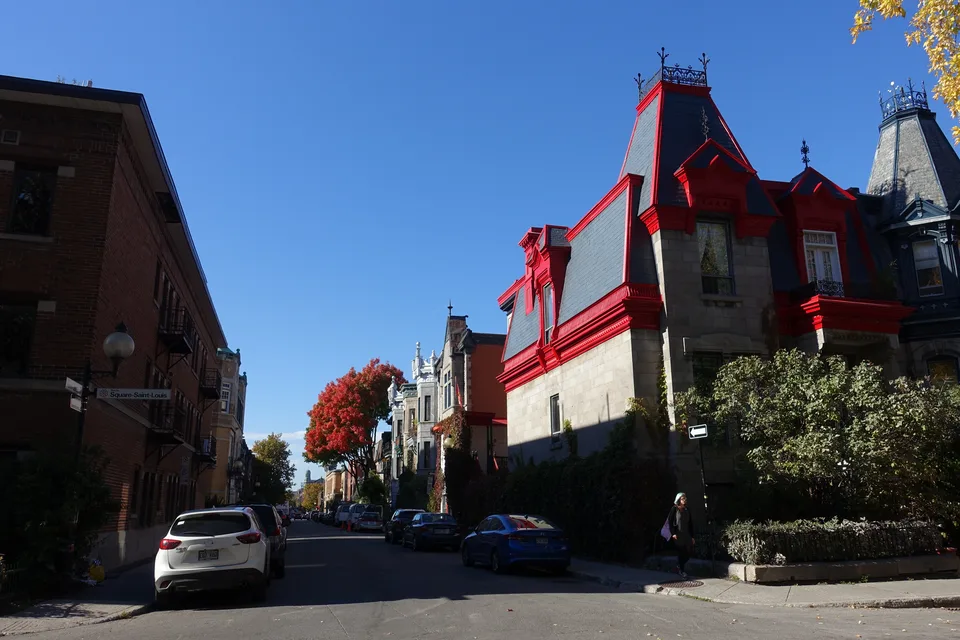
The Plateau is better approached as a lived-in district than an outdoor architectural exhibit. Walk around Square Saint-Louis, browse commercial streets and leave room for a park or café stop. Homes with exterior staircases are part of the streetscape, but they remain private homes: admire them from public space without climbing steps or obstructing entrances for photographs.
Tourisme Montréal’s Plateau guide provides context for the area and Mile End’s food and cultural stops. Choose a manageable portion instead of trying to cover every named street on foot. For accommodation scouting, return at another time of day and observe deliveries, traffic and evening activity. The same lively corner that makes an enjoyable lunch stop may be a poor match for someone who works early shifts or needs a consistently quiet bedroom.
Follow the canal for a different Montréal
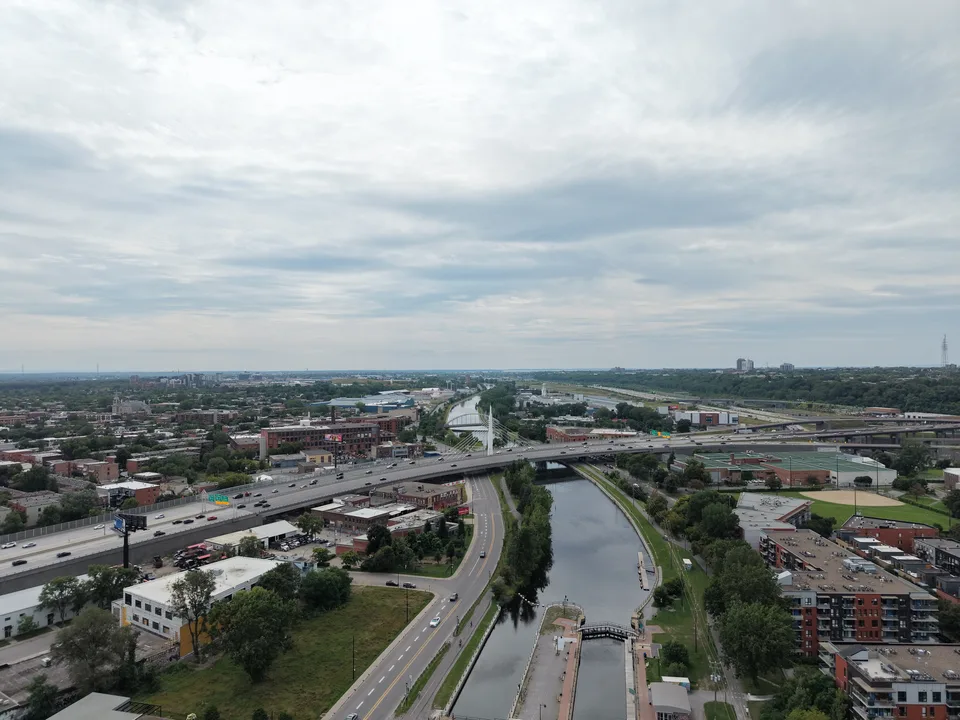
The Lachine Canal offers a change from old-town façades and mountain paths: water, former industrial areas and neighbourhoods shaped by the city’s working infrastructure. Combine a manageable walk with a meal or market visit rather than assuming you should traverse the entire corridor. Cyclists and walkers share a busy setting, so keep attention on crossings and other users.
Check Parks Canada’s canal operating information for the distinction between grounds, facilities and navigation. The published 2026 boating season ran from May 15 to October 12; it has finished at this guide’s October review. That does not mean every waterside walk has closed, but it does mean an autumn visit should not promise operating locks or seasonal services. Toilets and visitor facilities also have their own operating arrangements; plan a return route accordingly.
Make a public market part of a meal
Jean-Talon and Atwater markets work well when you arrive with a purpose: buying picnic ingredients, comparing Québec products or finding lunch. The public-market operator’s practical information confirms that both operate year-round, with their outdoor configuration changing seasonally. Individual vendors keep different hours, and winter holiday closures apply. Do not postpone a particular purchase until the last advertised minute without checking the seller.
Markets are useful for self-catering, but artisan products are not automatically the cheapest groceries. Compare quantities and prices before building a meal. Payment methods vary by merchant, so keep a backup. For other food stops, Montréal’s bagels, smoked meat and poutine are familiar starting points, not a complete account of its cooking. Ask about ingredients and preparation when allergies or religious requirements matter; a dish’s name cannot establish its suitability.
Compare accommodation by the final bill
Hotels, hostels and furnished accommodation solve different problems. A hostel may keep a solo trip affordable, while a hotel near the day’s main transit route can save time on a short visit. A kitchenette becomes more useful over several days, particularly for families, but only if grocery access and the actual cooking equipment fit your needs.
Compare final checkout totals, cancellation conditions and any cleaning or parking charges. Ask whether heating, air conditioning and laundry are included, and whether reaching the room requires stairs. Photographs rarely answer those questions. For a longer arrival stay, book enough flexibility to inspect neighbourhoods before signing a residential lease. Avoid using a holiday apartment’s nightly rate as evidence of the rent you should expect for a year; the contracts, included services and length of commitment differ substantially.
Ask for a specific access description when travelling with a wheelchair or a stroller: entrance steps, lift dimensions and bathroom layout are more useful than a general accessibility label. Check whether luggage can be stored before check-in. That small detail can determine whether the first afternoon is available for exploring or spent waiting beside your bags.
Arrive from YUL using current stop information
Montréal–Trudeau airport is in Dorval, outside the central sightseeing districts. STM’s current 747 route and boarding information identifies airport boarding at door 28 and services towards Lionel-Groulx and downtown. Since January 26, 2026, the downtown 747-1 terminus has been relocated to stop 52905 on René-Lévesque at Berri. It is not simply the former coach-station boarding point; check the stop before your return journey.
The 747 fare page lists C$11.25 for the airport fare with 24-hour Zone A travel. Onboard cash payment requires exact coins, not banknotes; eligible passes offer other options. YUL’s airport REM station update expects direct airport-station service in 2027. Do not plan an October 2026 arrival around that future rail connection. Allow margin for road traffic, baggage collection and the onward journey to your accommodation.
Save the accommodation’s full address and arrival instructions before leaving the terminal. If a late flight makes several transfers unattractive, compare an authorized airport transfer with the whole public-transport journey, including the final walk. Ask the accommodation about late entry in advance, particularly when there is no continuously staffed reception.
Understand fares before crossing the river
ARTM’s current fare schedule lists an All Modes A single trip at C$3.75, a 24-hour ticket at C$11.25 and a three-day ticket at C$21.75. The three-day product covers consecutive days and ends at 11:59pm on the third day; it is not a rolling 72-hour pass. Compare it with your arrival time and expected journeys before buying.
Zone A covers the Montréal agglomeration. Laval and Longueuil belong to Zone B, and an All Modes AB single trip is C$5. Choose a product for the modes and zones your journey actually uses rather than assuming any metro ticket covers every suburb. Keep your fare available throughout the trip and consult live service information before departing. For visitors, combining walking with transit usually makes more sense than paying to keep a car beside a centrally located room.
Budget around choices you can verify
Build a daily plan from actual bookings: accommodation, the right transit product, one paid attraction and meals you have priced from current menus. Then leave a reserve for tax, discretionary spending and an unexpected transfer. The C$30 museum admission and the basilica’s C$16 starting price are not directly comparable totals because their published tax treatments differ.
There is no single reliable daily figure that fits a dormitory guest, a family using a kitchen and a visitor booking restaurant dinners. A useful saving is to choose fewer paid attractions and spend longer at each, alternating them with neighbourhood walks. For shopping, decide whether you want food, independent design or mainstream retail before crossing town. Carry purchases comfortably and check customs rules for anything you intend to take home, especially food, rather than assuming a shop’s willingness to sell establishes import permission.
Choose a season for the trip you want
Summer favours terraces, long outdoor days and cultural events, but book around the actual calendar if a particular performance matters. Autumn suits neighbourhood walks and foliage, with shorter daylight changing how much outdoor ground you can cover. Spring brings a transition in conditions rather than a dependable early start to summer. Montréal’s official seasons overview is useful for choosing the character of a visit before selecting dates.
Winter offers a distinct city, provided you budget for warm clothing and shorter outdoor sessions. Waterproof insulated boots, gloves and layers matter more than adding another attraction. Do not assume that an indoor downtown connection will carry you directly to every museum or residential address. If ice or severe weather makes a mountain walk unsuitable, substitute an indoor visit and leave the viewpoint for better conditions rather than forcing the original plan.
A realistic three-day first visit
On day one, concentrate on Old Montréal: walk the historic streets, visit Pointe-à-Callière during its opening hours and continue towards the waterfront. Add Notre-Dame only if the booking leaves enough room to enjoy both interiors. Keep dinner flexible after an arrival day, especially when crossing time zones.
On day two, take Mount Royal in suitable conditions, then spend the afternoon in the Plateau or Mile End. Break the walking with lunch and a café rather than treating the two areas as a race. On day three, choose a public market and a manageable canal walk, or substitute indoor cultural time if the weather turns. Reorder these days around museum closures and reserved tickets. This is a suggested allocation of time, not an assurance that every venue operates daily or every route remains accessible throughout the year.
With children or limited walking stamina, retain one main outing each day and let the neighbourhood time expand or contract. With a strong interest in history, give the archaeology museum more space and drop an optional stop. The useful itinerary is the one that leaves everyone able to enjoy dinner.
Test everyday housing rather than holiday atmosphere
For a possible move, arrange temporary accommodation and inspect homes in person where practical. Compare the actual journey to work or study, grocery access and the cost of heating before deciding that one district offers better value. A lower asking rent can lose its advantage through transport costs, utilities or a difficult winter walk.
View storage and practical access as part of the home’s usable space. Find out where bicycles, winter equipment and bulky purchases can go, and whether moving furniture through the stairwell is realistic. These questions are especially useful when comparing an attractive upper-floor apartment with a simpler home that is easier to use every day.
Québec’s rental-payment rules from the housing tribunal are particularly important: landlords cannot require a security or key deposit, more than the first rental period in advance up to one month, or postdated cheques. The first rental payment may be required when signing, even before the tenancy begins. Read the lease carefully and clarify what is included. Inspect windows, heating arrangements, noise and access stairs, and keep written records of agreed repairs and payments rather than relying on a friendly viewing conversation.
Plan household services before the first week
Make a household checklist tied to the property: electricity or heating accounts where required, internet installation, laundry, furnishings and waste arrangements. Ask which responsibilities belong to the tenant and which to the owner. Test the commute at the hour you will use it, including the walk from the station, and consider how that walk changes with snow and shopping bags.
French deserves early attention for daily administration and participation in local life. Québec’s settlement resource pages provide routes into language learning, education, childcare and integration support, with eligibility depending on the service. Families should investigate school admission requirements directly rather than assume their preferred language of instruction is freely available. A first-week plan should also identify a nearby grocery shop and pharmacy, arrange a working phone connection and retain digital copies of essential documents.
Check health coverage rather than assuming it
Visitor insurance and resident health coverage serve different purposes. A tourist should arrange suitable insurance for the visit; renting an apartment or intending to remain does not itself create eligibility for Québec’s public plan. RAMQ’s eligibility rules depend on immigration and residence circumstances and should be checked for each household member.
For eligible people arriving from another country, coverage usually starts after a waiting period of up to three months following registration with the required documents. Exceptions include certain social-security agreements and children under 18. RAMQ recommends private insurance during an uninsured gap. Register promptly if eligible and confirm the effective date in writing. Also plan ongoing medication and records before travelling: finding a pharmacy is a different task from securing a clinician who can assess a condition or provide a new prescription.
Keep tourism, work, study and settlement separate
Use IRCC’s official visitor eligibility and application pages to determine whether your passport and journey require a visa or an eTA. Entry documentation, permission to work and permission to study are separate questions. A sightseeing visit is not a general authorization to take employment, and a short exploratory stay should not be presented as permanent residence.
Québec adds provincial procedures to relevant federal processes. Its temporary foreign-worker information explains one employment route; other situations have different requirements. Prospective students should check Québec’s study-authorization guidance alongside federal requirements and any applicable exceptions. For permanent plans, begin with Québec’s immigration portal rather than an old blog describing a route that may have changed. VisaWand’s Canada guide and consultant listings can help organize questions, while official authorities remain the source for eligibility and applications.
Decide what to add beyond Montréal
Do not turn a three-day Montréal visit into a rushed circuit of eastern Canada. If Québec City or Ottawa is important to you, allocate separate nights and compare current transport before booking hotels. VIA Rail’s Montréal–Toronto route information is useful for a longer onward itinerary; a connection on the map still consumes a meaningful part of a travel day.
For relocation comparisons, consider the job or study location, language needs and household budget before choosing a city by photographs. VisaWand’s Toronto city guide and Vancouver city guide offer other Canadian settings to assess, while the Canada location directory helps identify places without implying every entry has a completed guide. The Canada destination page provides another planning entry point. Montréal deserves time on its own terms before becoming merely the first stop in a larger journey.
Official planning resources
Reviewed 15 October 2026. Use the official resources linked throughout this guide for admission, transport, housing and immigration decisions. Prices, services and rules can change; confirm the details relevant to your dates. Photography illustrates the locations and is not a live view.
View all official resources
- Montréal neighbourhoods
- Plateau-Mont-Royal
- Pointe-à-Callière: about
- Crossroads Montréal
- Pointe-à-Callière: hours and rates
- Notre-Dame: hours and rates
- Mount Royal park works
- Mount Royal welcome centre
- Mount Royal 150 years
- Lachine Canal hours
- Montréal public markets FAQ
- STM747 routes and current stops
- STM747 fare
- ARTM fare schedule
- YUL future airport REM station
- VIA Rail Montréal–Toronto
- Montréal seasons and climate
- Québec settlement resources
- TAL paying the rent
- RAMQ eligibility
- IRCC Visit Canada
- Québec immigration
- Québec temporary foreign workers
- Québec study authorizations
Plan the next part of your journey
Explore the Canada guide, browse other cities or compare consultants for your travel and relocation questions.