Visa

A skyline is only the beginning
Toronto makes more sense when you give its neighbourhoods as much attention as its skyline. A museum morning, a market lunch and an evening beside Lake Ontario offer three different ways into the city. The CN Tower supplies the grand overview; street-level exploring explains why a return visit need not repeat the first.
Ontario’s capital sits on Lake Ontario’s north shore. The provincial Toronto introduction is a useful starting point for its cultural institutions and neighbourhood life. Plan around a few connected areas rather than treating the entire urban region as one walkable centre. For someone considering a move, the important map connects a particular home with work, education and everyday services. A pleasant downtown weekend answers only some of those questions.
Read the history beyond the towers
The city’s history begins well before British settlement. Fort York’s historical account recognises the many Indigenous nations who lived and gathered here before 1793, and explains the roles of First Nations warriors and free Black communities alongside British and Upper Canadian forces. That context gives the waterfront a history beyond its present buildings.
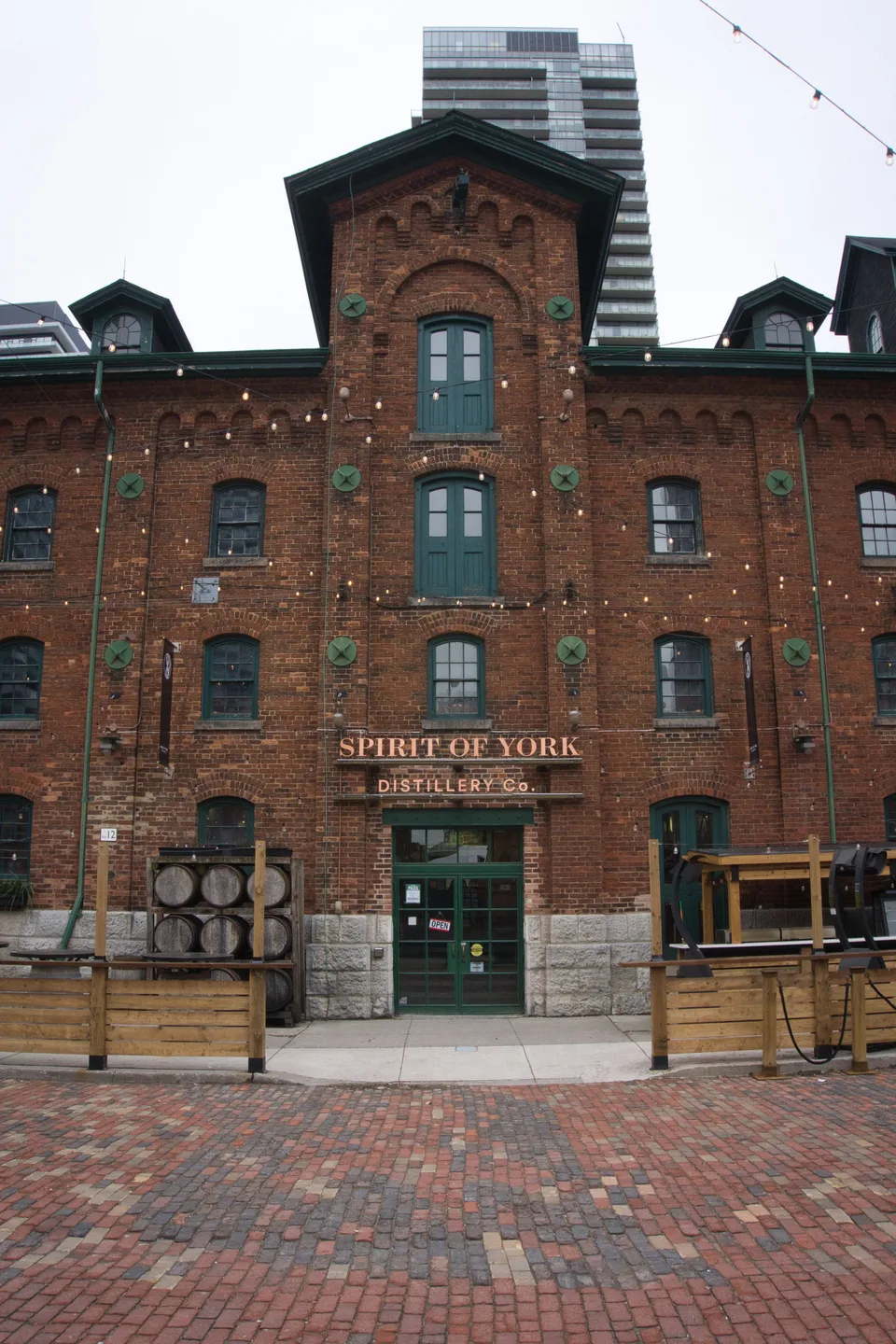
The municipal Toronto in 1834 exhibition explores the period when York became the City of Toronto. Pair that background with the industrial brickwork of the Distillery District and the contrasting architecture around the Royal Ontario Museum. Toronto’s character emerges through these different layers, rather than through a single preserved old centre. Leave room to notice how historic buildings and newer development occupy the same streets.
Fort York’s normal visiting hours are Wednesday–Sunday, 11am–4pm, with free general admission and some separately charged events. Its outdoor routes and historic interiors have different access limitations. Read the site’s guidance before arranging a visit around a wheelchair or other mobility need; admission being free does not make every part equally accessible.
Choose neighbourhoods that fit your interests
Use Destination Toronto’s neighbourhood directory to organise the possibilities. The City Centre suits landmark sightseeing and major venues; Old Town provides a starting point for the market and historic streets. Waterfront areas offer a different pace, while Midtown and the Annex are useful for a museum-focused visit. These tourism groupings help with orientation without describing every block alike.
The official Annex introduction places the neighbourhood in its older residential and cultural setting. Around Chinatown’s Spadina and Dundas crossroads, food shops and restaurants can turn a gallery outing into a longer neighbourhood day. Choose one additional area because something there interests you. Scarborough, Etobicoke and the east end deserve time in their own right, with travel planned from the actual address rather than a broad Toronto label.
The CN Tower: buy the view you want
The CN Tower ticket table lists adult timed general admission, ages fourteen–sixty-four, at C$47 before applicable taxes. Adding The Top brings that combination to C$59. Flex costs more and allows arrival at a chosen time within the selected day. Decide whether that flexibility matters before paying for an upgrade; the standard timed ticket already provides a substantial viewpoint.
The closure notice matters for an October visit. On October 20, 2026, last entry moves to 8:30pm and the Tower closes at 10pm. Portions of the Main Observation Level also have restricted hours on October 20, 21 and 27, and November 6; other observation areas are treated separately. Check the current opening hours and visibility before committing a short visit’s main viewing opportunity. Neither a ticket nor a clear photograph guarantees distant views on your day.
Give the Royal Ontario Museum a proper morning
ROM combines art, culture and natural history, making it a useful choice when different members of a group want different things from a museum. Select a few galleries or a particular exhibition instead of attempting an exhaustive circuit. A break between collections will usually serve the visit better than adding another attraction immediately afterwards.
The ROM visitor information explains Plan Ahead Pricing: admission depends on the date and how far ahead you book. Check the actual calendar for your party rather than relying on a single advertised city-guide price. Special-exhibition tickets include general admission. Read the dated opening calendar too, especially for Mondays and holidays. The exterior photograph here was taken in July 2015; it illustrates the building’s contrasting forms rather than current entrance works or exhibition arrangements.

The AGO can suit one visit or several
The Art Gallery of Ontario offers another substantial indoor day, readily paired with nearby neighbourhood exploring. Its admission options list C$30 adult single admission and a C$40 annual pass. The pass can make sense for repeated visits, but it is personal rather than a way to bring a different companion each time. Some programmes carry separate charges.
Free youth arrangements depend on age and Ontario residency; do not assume every visitor under twenty-five qualifies for the same product. Check the relevant documents and booking instructions for your household. The AGO hours and location page lists normal Monday closure and later Wednesday and Friday openings, with holiday exceptions. An evening visit can free daylight for outdoor plans. Choose between ROM and the AGO according to your interests rather than buying both simply because they appear on a highlights list.
Market mornings and industrial lanes
At St. Lawrence Market, distinguish the South Market’s food shopping from the Saturday farmers’ market. Published South Market hours are Tuesday–Friday, 9am–7pm; Saturday, 7am–5pm; and Sunday, 10am–5pm, with Monday closure. Check holiday arrangements and individual merchants before planning a special purchase. Browse first, compare displayed prices and build lunch around what appeals to you.
The Distillery Historic District’s visitor information describes the former Gooderham & Worts site, whose origins date to 1832. Its shops, galleries and places to eat make an architectural walk easy to extend. Cobblestones can be uneven even where buildings have ramps. Casual personal photographs and organised professional photography have different permit rules. Check event access separately, especially for seasonal programmes, rather than assuming ordinary arrangements cover every evening.
The islands need their own time allowance
An island outing changes the perspective on Toronto, replacing a continuous city walk with a crossing and a return deadline. The municipal ferry information lists the adult round trip, ages twenty–sixty-four, at C$9.57. Tickets include the return journey; buying online does not reserve a particular sailing. Capacity and queues still matter, especially on busy weekends.
The seasonal ferry schedule is essential. Summer routes serve Centre Island, Hanlan’s Point and Ward’s Island, while winter service operates to Ward’s Island only. At this October 2026 review, the exact winter changeover dates were still awaiting confirmation on the schedule page. Plan the landing, walking distance and last suitable return together. Check which facilities operate in your season, bring what the outing requires, and keep an indoor alternative for poor weather. The skyline photograph from the islands is a historical view, not a sailing forecast.

Where to stay: compare the whole journey
The official accommodation directory covers hotels, hostels and other lodging types. Near Union Station can suit rail arrivals and a landmark-focused break; Old Town can work well for market exploring. A base near the Annex may fit museum plans, while a waterfront room changes the setting without automatically shortening every journey. Compare exact addresses and evening transport.
For a longer visit, weigh kitchen access, laundry and room size against travel time. An airport hotel can be practical for an early flight but is a different proposition from a downtown sightseeing base. Confirm breakfast, parking, cancellation terms and access needs with the property. For a short-term home rental, consult the city’s rental-information hub and check the registration details shown on the listing. A holiday booking should not be assumed to offer the same arrangements as a residential tenancy.
Accommodation taxes belong in the comparison
Toronto’s municipal accommodation tax notice confirms a 6% rate for stays beginning August 1, 2026, after the temporary 8.5% rate ended. That is one component of a booking total, rather than a promise that all additions amount to six per cent. Compare the final itemised amount, including applicable taxes and compulsory charges, across the same dates.
Ask whether a quoted rate is per room or per person and whether it changes with occupancy. A cheaper room can lose its advantage if it requires daily airport travel or paid parking. For temporary lodging during a move, price a realistic search period rather than assuming the first flat viewed will be ready immediately. Keep refundable booking options in view while employment, study or immigration arrangements remain unresolved.
Pearson arrivals: check the terminal connection
The Pearson airport rail page describes normal UP Express journeys to Union Station in about twenty-eight minutes, with trains every fifteen minutes. The station is at Terminal 1. Treat the rail time as one part of the arrival, allowing separately for formalities, baggage, finding the platform and the onward trip to your room.
There is an immediate exception to the usual Terminal 3 directions: Pearson’s Terminal Link train is suspended from October 12 through 11:59pm on October 16, 2026, for maintenance. Replacement buses connect the terminals and Viscount Station. This notice concerns the terminal connection, so do not confuse it with a closure of UP Express itself.
The UP Express fare table lists standard adult Union–Pearson tickets at C$12.35 one way or C$24.70 return; children twelve and under travel free. Compare the payment options for your party and check current service before departure.
When paying with a card on UP Express, follow its tap-on and tap-off instructions. Do not carry over a payment habit from the TTC without checking the airport operator’s rules.
Billy Bishop and intercity rail arrivals
Billy Bishop Airport’s transport information covers a separate airport, YTZ, on the island beside downtown. Passengers reach the mainland by pedestrian tunnel or ferry, then continue by public transport, shuttle or another onward option. Check which airport your flight actually uses before comparing transfer costs or choosing an airport hotel.
For rail, VIA Rail’s Toronto Union Station information provides station services, access details and connections. Allow time to find the correct operator and departure area within the station complex; an airport train arrival is not the same as reaching an intercity train’s platform. Arrange any boarding assistance with the relevant operator. Keep the arrival day’s sightseeing flexible enough to absorb a delay without losing an expensive timed admission or turning the first meal into a rushed connection.
Paying for local transport
The TTC fare rules list adult PRESTO and debit or credit-card fares at C$3.30, compared with C$3.35 cash. Eligible card and PRESTO Ticket payments include a two-hour transfer; cash follows different continuous-journey rules. Use the same card or device consistently and keep valid proof of payment. Each passenger aged thirteen or older needs their own card, ticket or device; children twelve and under ride free.
Check the route for each day rather than assuming the nearest subway station handles every useful journey. Streetcars and buses are part of the network too. The TTC service advisories identify planned closures and diversions; consult accessibility information when a lift or step-free connection is essential. Walking works well within a chosen cluster, but crossing several districts on foot can consume the time intended for a museum or meal.
Monthly fare capping changes commuting costs
TTC monthly fare capping began on September 1, 2026. After forty-seven eligible paid trips in a calendar month using the same payment method, subsequent qualifying TTC trips that month are free. At the standard adult C$3.30 fare, forty-seven charges total C$155.10. Transfers within the same two-hour window do not each count as another paid trip.
Continue tapping after reaching the cap. A physical card and the same card in a phone wallet can be counted separately, so switching devices can delay the benefit. Regional systems have their own arrangements; do not treat the TTC cap as unlimited travel across every operator. Most ordinary monthly passes have ended, while some other pass products remain. For a prospective home, compare the actual commute and payment rules before inserting a remembered monthly-pass price into the household budget.
Food and shopping as neighbourhood exploration
Toronto’s food options are a reason to explore beyond one dining strip. Chinatown supplies one practical starting point for browsing groceries and menus; the market offers another. The choice between a planned restaurant meal, a bakery stop and self-catering will shape both the budget and how far the day travels. Use current menus for prices and dietary information rather than treating a neighbourhood reputation as a guarantee about every kitchen.
Give shopping a purpose: a food purchase, a book, a gallery visit or a particular independent business can anchor a walk more usefully than another generic mall stop. Check business hours before travelling across the city. If you are assessing a move, note where ordinary groceries, household supplies and prescriptions will come from. The shop that makes a pleasant holiday detour may be inconvenient for a weekly errand after work.
Budget around choices, not an unsupported average
A C$47 standard adult CN Tower ticket and two separate C$3.30 TTC fares total C$53.60 before the Tower’s applicable taxes. Food, lodging, airport travel and other admissions remain additional. That transparent calculation is more useful than an unverified promise about what every traveller will spend each day.
Decide which paid experiences matter and balance them with neighbourhood walks or Fort York’s free general admission. Compare any attraction bundle against the specific visits you will actually make, including reservation requirements. Obtain dated room quotes for the complete stay, and leave room for weather-related substitutions. A relocation budget needs a separate column for deposits, temporary lodging, utilities and setup purchases; those costs should not disappear inside a holiday spending estimate.
Seasons change the shape of the visit
The tourism board’s seasonal overview helps separate a summer waterfront trip from a winter cultural break. Warmer months support longer outdoor days, but island plans still depend on service and weather. Spring can be changeable; a blossom photograph should not become a promise about a particular week. Winter calls for warmer clothing, suitable footwear and shorter outdoor stretches between indoor stops.
The autumn visitor guidance highlights shortening daylight and variable conditions. Put an outdoor excursion earlier in the day and keep a gallery or museum alternative. Check event calendars directly before booking around a festival or sporting fixture. For someone considering relocation, a visit outside their favourite season can be informative: test the commute, entrance, grocery journey and household routine in conditions closer to those you will actually live with.
A realistic three-day first visit
Day one: settle in and orient yourself around Union and the waterfront. Choose the CN Tower if the arrival time, visibility and booking conditions fit, then leave the evening for a nearby meal. Avoid committing the first afternoon to several prepaid attractions after a long flight.
Day two: give ROM a substantial morning, followed by the Annex and a manageable neighbourhood walk. Alternatively, pair the AGO with Chinatown and nearby shopping, using the later gallery opening if helpful. Check the calendar before choosing Monday for either plan.
Day three: start at St. Lawrence Market on an operating day, then explore the Distillery District. In suitable weather and with enough time, substitute an island outing for part of that programme. Keep the return sailing and departure journey separate. With extra days, add Fort York or Niagara rather than compressing everything into the final morning.
Moving here starts with the tenancy details
Compare housing around the actual work or study address, including early starts and late returns. Record the total rent, utilities, laundry, parking and internet arrangements for each option. Inspect ventilation, heating, windows, appliances and storage, and retain a dated condition record at handover. A furnished short stay and an unfurnished residential lease create different setup costs.
Ontario’s standard-lease guidance explains the form required for most residential tenancies and its exceptions. The city’s tenant-rights information distinguishes a rent deposit, generally limited to one rental period and applied to the final period, from an unlawful damage deposit in covered tenancies. Owner-shared accommodation and other exceptions need particular care. Ask whether the unit is subject to rent-increase guidelines; do not assume identical protection for every building. Seek advice on unclear terms before paying or signing.
First residential occupation after November 15, 2018, is relevant to guideline exemptions. Establish the applicable facts for the particular unit.
Utilities, health care and the first working week
If electricity is your responsibility, Toronto Hydro’s account service provides a starting point; confirm whether the building instead uses a different billing arrangement. Ask the manager about bins and collection, using the Waste Wizard for sorting questions. Arrange internet, postal access and essential household purchases before relying on the new address for work.
Ontario’s OHIP application guidance states that eligible residents have no waiting period, but eligibility still depends on residence and qualifying status. Visitors do not qualify simply by being in Ontario. Check insurance for each household member and organise prescriptions during the transition. The city’s newcomer-service kiosks provide referrals across housing, employment, education and health. Families can also consult school-board settlement support, confirming school registration documents and the relevant address rather than assuming a place is automatically arranged.
Entry, employment, study and permanent residence
IRCC’s visitor-visa guidance explains that entry documents depend on nationality, travel document and how you arrive. Most visitors may stay up to six months, but the border decision can set a different period. Visa validity is not permission to remain for its entire lifetime. Use the official eTA application resource if eligible; the government fee is C$7.
Tourism is separate from employment. IRCC’s work-permit explanation sets out the general requirement and conditional exemptions. Study-permit eligibility requires its own assessment, while Express Entry is a separate permanent-residence process involving eligibility, selection and a decision. A job offer, degree or lease does not automatically settle those questions. VisaWand’s Canada country guide and consultant listings can help organise preparation, with official instructions as the application reference.
Add another place only when the journey fits
For Niagara, GO Transit’s visitor information describes rail and connecting-bus options. Read the Lakeshore West construction notice before choosing dates: October 17–18, 2026, includes a rail gap between Aldershot and Oakville, with replacement buses. Check the entire outward and return journey rather than assuming an uninterrupted train. Niagara deserves a separate day or overnight stay.
The provincial road-trip directory offers wider Ontario ideas. For another Canadian city, VisaWand’s Montréal location page provides location information and consultant connections; it is a directory page rather than a completed travel guide. The Canada location directory and Canada destination information provide further starting points. Choose an extension that answers a real interest and leaves enough time for Toronto itself.
Official planning resources
Reviewed 14 October 2026. Use the official resources linked throughout this guide for admission, transport, housing and immigration decisions. Prices, services and rules can change; confirm the details relevant to your dates. Photography illustrates the locations and is not a live view.
View all official resources
- Provincial tourism Toronto overview
- City archives Toronto in 1834
- City Fort York visitor and historical information
- Tourism board area directory
- Tourism board Annex
- Tourism board Chinatown
- CN Tower tickets
- CN Tower standard hours
- CN Tower forthcoming partial closures
- ROM official visitor guidance
- AGO official visitor options
- Distillery operator FAQ
- St Lawrence Market official history and hours
- City island ferry tickets and access
- City seasonal ferry schedule
- Tourism board accommodation directory
- Municipal accommodation tax
- Pearson airport rail and terminal notices
- UP Express fare table
- Billy Bishop airport onward access
- TTC official fares and transfers
- TTC current monthly capping
- TTC service status and construction
- Tourism seasonal overview
- Tourism autumn planning
- Ontario lease guidance VERIFIED NORMAL BROWSER
- Toronto tenancy guidance
- Toronto Hydro account service
- Municipal sorting lookup
- Ontario health eligibility VERIFIED NORMAL BROWSER
- City newcomer services
- Public school board settlement support
- IRCC visitor visa and authorised stay
- IRCC official eTA applications
- IRCC work eligibility and exemptions
- IRCC study permit eligibility
- IRCC Express Entry
- Provincial excursion planning
- VIA Rail Toronto Union Station services and access
- GO Transit Niagara rail and connecting bus options
- GO Transit October 2026 Lakeshore West construction
- AGO current opening, location and admission calendar
- City short-term rental information for visitors and operators
Plan the next part of your journey
Explore the Canada guide, browse other cities or compare consultants for your travel and relocation questions.