Visa
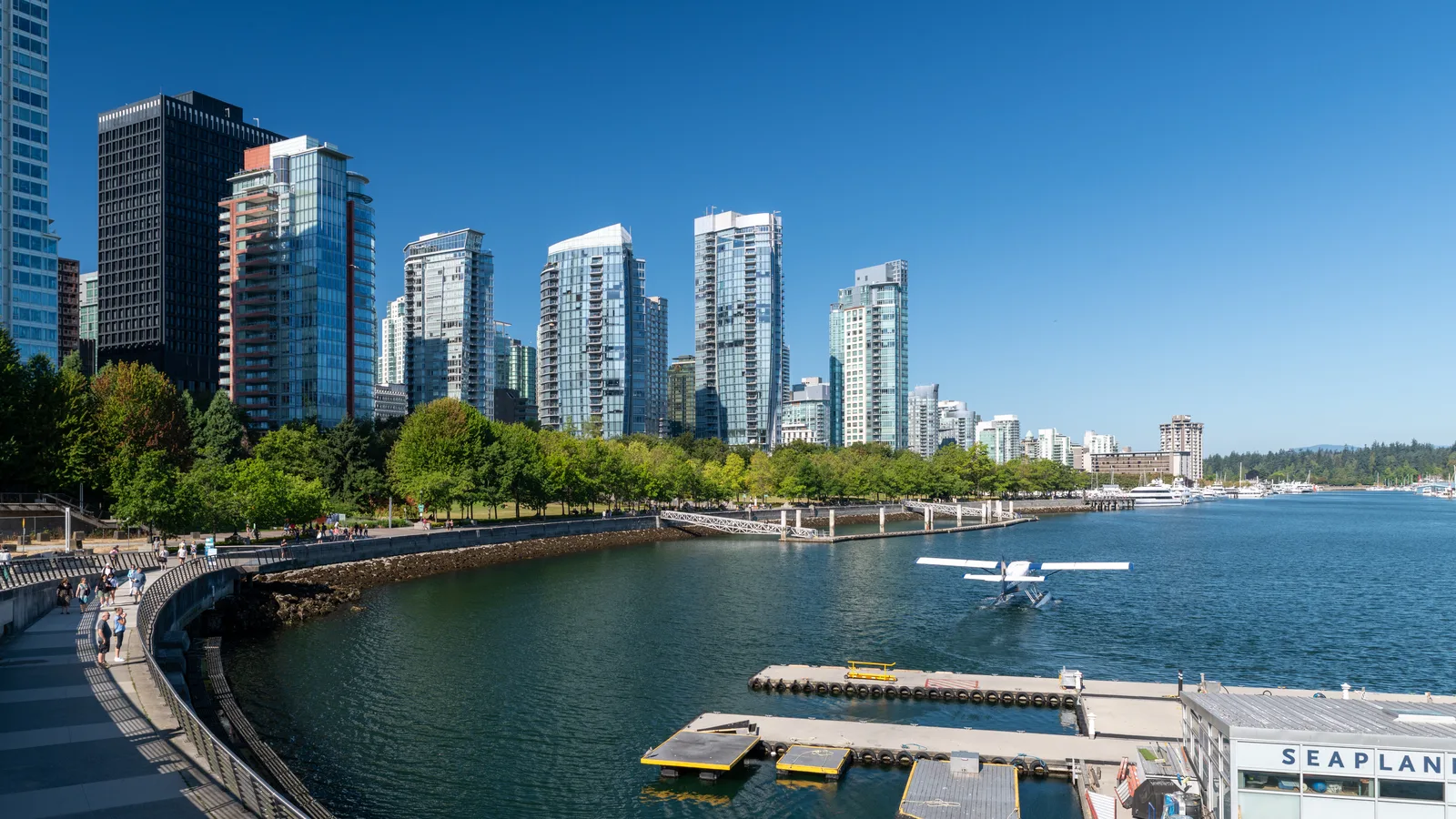
Vancouver works best at neighbourhood pace
Vancouver makes it possible to spend a morning beside a working harbour, an afternoon in a museum and an evening eating well without changing cities. Water and mountains shape the view, but the more useful question is how they shape your journeys. A hotel beside the harbour, a home near a university and a base for mountain outings solve different problems.
For a first visit, allow three full days and keep an outdoor afternoon flexible. For a possible move, add time for ordinary journeys, property appointments and household research. Vancouver rewards walking and public transport, but a promising address still needs testing against your actual destination, luggage, mobility and working hours.
Start with the land and the harbour
The city acknowledges that it stands on the unceded traditional territories of the Musqueam, Squamish and Tsleil-Waututh Nations. These are living communities with continuing relationships to the land, not simply an introductory chapter before the modern city. Let that understanding inform visits to museums, public art and waterfront places.
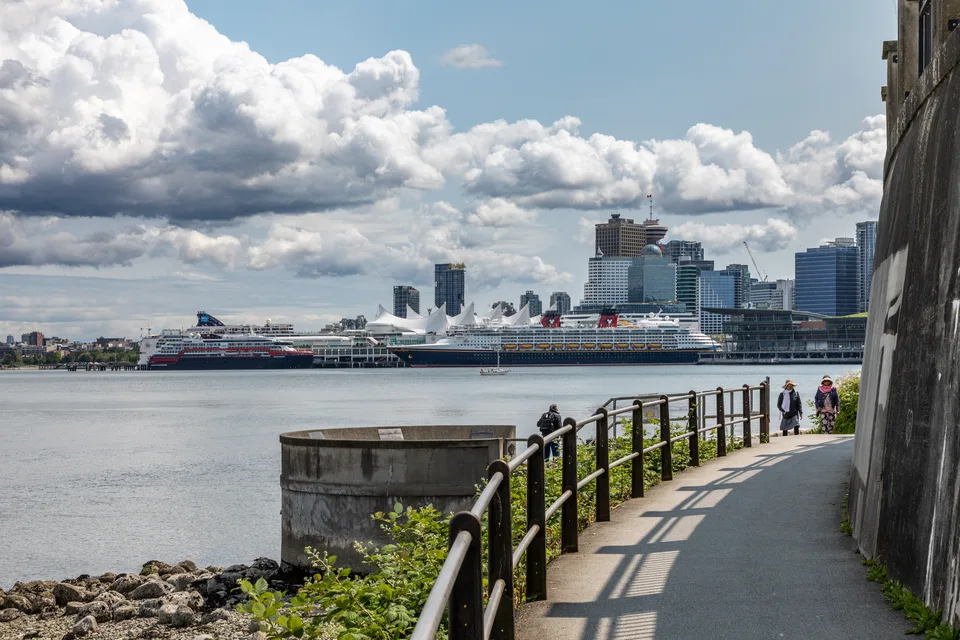
The municipal history of Downtown records incorporation in April 1886 and the destructive fire that followed that June. Port activity, commerce and rebuilding helped shape the urban centre. Today, looking across the harbour at ships and transport infrastructure gives a more complete impression than treating the skyline as a purely recreational waterfront. Leave room for historical interpretation alongside the scenic stops, and avoid assuming that every Indigenous artwork represents the same nation or tradition.
Choose a base around the journeys you want
Use the official neighbourhood overview to compare a few areas before booking. Downtown suits a visit combining harbour walks, shopping and connections elsewhere. Coal Harbour puts the waterfront prominently into the day; Yaletown offers another waterfront setting around False Creek. The West End is worth comparing for access to English Bay and Stanley Park.
Kitsilano and Mount Pleasant can suit a stay focused on neighbourhood routines, shops and eating out, but check the journey to each major activity. Lower Lonsdale is in North Vancouver, across the inlet; UBC is farther west on the Point Grey peninsula. A regional visitor website may group these places together without implying they are interchangeable locations. Compare door-to-door routes rather than selecting solely from a photograph or an attractive neighbourhood description.
Give Stanley Park more than a quick circuit
The city’s seawall information distinguishes the nine-kilometre Stanley Park section from the wider 28-kilometre seaside greenway. Those figures describe different outings. Choose a manageable section if your afternoon also includes a museum or dinner reservation; completing every metre is not a prerequisite for enjoying the park.
Walking and cycling areas are marked separately. Follow signs, particularly where users share narrow approaches, and stop clear of moving traffic when taking photographs. Maintenance, storms or rock-slope work can close sections, so check current notices rather than relying on an old map. Take a layer and water, allow time to sit beside the harbour, and plan how to return. A comfortable urban waterfront walk and an ambitious mountain hike require very different preparation.
Make Granville Island a meal and a browsing stop
The Granville Island Public Market brings produce, prepared food and market artisans together. Its usual published hours are 09:00–18:00, with holiday closures and January Monday maintenance exceptions. Individual businesses keep their own hours; summer 2026 extended opening should not be assumed to apply throughout the year.
Arrive with an appetite and enough time to look before buying. A market lunch can be a useful change from a formal restaurant, although eating this way does not automatically make the whole day inexpensive. Leave room for studios and shops instead of visiting only the food counters. Check the route from your accommodation and the return options before committing to an evening performance or meal. Treat photographs of particular stalls as historical illustrations, not confirmation of today’s tenants.
Set aside a proper visit for UBC’s Museum of Anthropology
The Museum of Anthropology at UBC offers an important cultural visit beyond the downtown cluster. Its collections encompass Northwest Coast material and cultures from many other parts of the world. Read the interpretation and the identities of artists and originating communities rather than treating everything on display as generically local.
At review, standard admission is C$26 for adults aged 19–64, with half-price admission on Thursday after 17:00 and other eligibility-based reductions. The museum closes on Mondays from 15 October to 15 May; Thursday opening extends to 21:00. Check holiday exceptions. Allow for the journey across the city and the final approach from UBC Exchange. The museum describes a connecting number 68 bus; its presence on a campus does not mean the galleries are immediately beside every arriving bus.
Treat North Shore attractions as separate outings
For Capilano Suspension Bridge Park, select a date and arrival window through the official ticket page and compare the final price, including tax. The operator states that the suspension bridge, Treetops Adventure and Cliffwalk are not wheelchair accessible. Check suitability before buying, especially if the group has different mobility needs or discomfort with heights.
Grouse Mountain is another choice, rather than an obligatory addition to the same afternoon. Its download ticket is specifically for hikers travelling downhill after walking up; the listed C$20 online price for ages thirteen and above is not a return sightseeing ticket. Choose the appropriate admission product and check operating and trail conditions. A mountain outing deserves a weather decision, suitable clothing and a realistic return plan, even when the city below feels mild.
Read Chinatown as a living neighbourhood
The official Chinatown introduction describes a place where established food shops and restaurants coexist with newer businesses, and records its National Historic Site designation in 2011. Plan a considered walk with time for food and cultural interpretation rather than reducing the neighbourhood to a gateway photograph.
Check the current opening arrangements of whichever institution or business you want to visit. Do not assume a festival mentioned in a past tourism article is happening during your dates. Ask before photographing people, and keep entrances clear. If unfamiliar surroundings make a particular route uncomfortable, choose another street or arrange transport without turning residents into a spectacle. A daytime visit can help you understand the actual route you would use from a proposed accommodation address.
Arrive from YVR with the whole journey in mind
The airport’s public-transport information describes the Canada Line connection to downtown Vancouver in under thirty minutes. That is the train journey, not a promise covering immigration, baggage collection, station access and the walk to your room. Check the final connection with luggage before choosing a property advertised as convenient for the airport.
For many airport departures, the current TransLink surcharge adds C$6.50 to the normal fare. It applies to qualifying eastbound journeys from YVR–Airport, Sea Island Centre and Templeton beyond Sea Island, with specified pass and ticket exemptions. There is no equivalent surcharge for travelling to the airport. The airport page still displays an older C$5 figure; use the operator’s current fare rules. For very late arrivals, check the N10 NightBus or an authorised road-transfer option.
Understand fares before buying a pass
The current TransLink fare page lists adult contactless single fares of C$3.50, C$5.10 and C$6.70 for one, two and three zones. An adult all-zone DayPass is C$12.55. Compare the trips you will actually make; a pass is not automatically the cheapest choice for a day spent largely walking.
Buses charge one zone throughout the day. SkyTrain and SeaBus depend on boundaries and travel time, with one-zone travel after 18:30 on weekdays and at weekends and provincial statutory holidays. Tap out as well as in on the gated system; buses require boarding taps only. Use the same card or device throughout a journey. A cash bus transfer does not transfer to rail or SeaBus. Check airport-surcharge rules separately when purchasing a pass at YVR.
Check construction before judging a commute
The Broadway Subway project is scheduled to open in 2027. In October 2026 it should not appear in your plan as an operating railway, and an advertised future station does not establish today’s commute. Construction also affects surface access and some bus stops around Broadway and Cambie.
Use the journey planner for your particular day and inspect the final walk from the stop. For a move, repeat the route at the time you will travel, including a rainy evening if possible. Compare reliability and the number of changes, not only the fastest displayed time. Someone working irregular hours may make a different housing choice from a visitor leaving after breakfast, even when both are heading to the same neighbourhood.
Choose the season for the trip you want
The official weather overview presents mild summer conditions and a wetter autumn and winter. July and August suit long outdoor days, while cooler months require stronger indoor alternatives. Spring and autumn can work well for a mixture of museums, neighbourhood walks and weather-dependent outings, provided the itinerary can move around a forecast.
Bring a waterproof outer layer and footwear you can comfortably walk in when wet. Mountain conditions can differ sharply from the waterfront, so a pleasant city forecast is not sufficient preparation for higher ground. Avoid purchasing several inflexible outdoor experiences merely because the dates are consecutive. With limited time, choose one major mountain or North Shore outing and retain a museum or market alternative. Check current alerts before setting out, including any smoke or severe-weather advisories.
Let food and shopping shape an unhurried day
Granville Island can combine lunch, food shopping and browsing for makers’ work. Chinatown offers another setting for exploring food traditions and specialist shops. Elsewhere, choose a neighbourhood walk around a meal rather than crossing the city repeatedly between isolated recommendations. Ask businesses directly about ingredients, allergens, dietary needs and current menus.
For shopping, compare what you can carry home with what needs shipping. Ask who made an object and what materials it contains instead of assuming every souvenir represents a local maker. Keep receipts and establish delivery terms before paying. On a longer stay, spend part of the same day checking grocery options near a possible home. The availability of a memorable dinner says little about the convenience of carrying a week’s shopping back to the apartment.
Groups can make eating out easier by agreeing a price range before choosing a table. Check whether a booking requires a deposit, whether a service charge already appears on the bill and how cancellations work. A counter-service lunch and a reserved evening meal need different allowances. Keep one simple meal option near your accommodation for the night when weather, tiredness or a delayed outing changes everyone’s plans.

Budget from real quotations rather than a headline average
Price accommodation first for your actual dates, then add transport, chosen admissions and meals. Check whether displayed amounts include taxes, parking and any mandatory property charges. A room with a kitchen may reduce some meal costs, but only if its location and minimum stay also work for you.
As a simple illustration, the C$26 standard adult Museum of Anthropology admission plus the C$12.55 adult DayPass totals C$38.55 before food or accommodation. That is a calculation using two published products, not a universal daily budget. Separate the airport transfer from ordinary local travel and keep room for a weather-related change of plan. For expensive experiences, compare cancellation conditions as carefully as price. Avoid turning a tightly priced itinerary into a sequence of non-refundable obligations.
Check the accommodation arrangement before paying
Hotels, hostels and furnished accommodation offer different balances of privacy, facilities and length of stay. Compare the exact room, bed arrangement and bathroom, and ask about late arrival, stairs, lifts, laundry and luggage storage. Check street noise if you need an early night or will work from the room.
For a private short stay, the city’s licensing rules require qualifying accommodation rented for fewer than ninety consecutive days to have a short-term rental licence. The operator’s principal-residence requirements matter, and a licence number should appear in the listing. A platform listing alone does not establish compliance. Verify the property, booking terms and payment instructions through trusted channels. Do not confuse a holiday booking with a residential tenancy or assume the same cancellation and deposit rules apply to both.
A realistic three-day introduction
Day one: begin with a harbour walk and a manageable Stanley Park section. Keep the rest of the afternoon flexible for the West End, a break and a meal close to your base. Avoid treating the full seawall loop as an obligation immediately after a long flight.
Day two: choose Granville Island for browsing and lunch, then give another neighbourhood a considered visit rather than scheduling several distant stops. Day three: reserve time for the Museum of Anthropology and the journey to UBC, checking the opening day first. If mountain scenery is the priority, substitute a suitable North Shore outing on the best-weather day. Add a fourth day for the experience you displaced. Build in rest and transport time instead of interpreting three days as enough to see everything.
Test a move against an ordinary working week
Start with the location of the actual job, campus or household commitments, then compare homes along workable routes. An appealing neighbourhood across the region may introduce extra changes or a difficult last journey home. Include school travel and grocery shopping in the comparison before deciding that a lower advertised rent represents a saving.
Inspect the particular building: heating, ventilation, daylight, laundry, storage and noise affect everyday comfort. Ask which utilities are included and what previous bills can reasonably establish. Compare the full household budget, including insurance, internet, commuting and initial setup purchases. A visitor’s preferred waterfront base may be quite different from the most practical year-round home. Keep temporary accommodation long enough to inspect options without making rushed payments to an unverified landlord.
Know which tenancy rules cover your home
For residential tenancies within the provincial system, the deposit guidance limits a security deposit to half the first month’s rent. A separate pet damage deposit may also be permitted, up to another half month. Application-processing fees are not permitted under that guidance. Establish whether the arrangement is covered before applying these rules to a room, holiday stay or other agreement.
Arrange the joint move-in condition inspection and retain the completed record, photographs and payment receipts. The ordinary annual rent-increase limit is 2.3% for 2026 and 2.2% for 2027, with timing, notice and coverage rules and possible exceptions. These limits concern existing tenancies; they do not establish a maximum asking rent for every vacant apartment. Seek Residential Tenancy Branch guidance if proposed terms or deductions are unclear.
Put electricity and household services into the agreement
Ask whether you must open an electricity account or whether electricity is included in rent. BC Hydro’s moving service provides routes to start, move or close service, but establish the correct address and responsibility before submitting a request. Ask separately about heating, hot water and internet: an electricity arrangement does not answer every utility question.
Check mobile coverage inside the home, available internet connections, building delivery arrangements and the procedure for reporting urgent faults. Record landlord or manager contact details and find out how access works outside office hours. Families and shared households should agree how bills will be divided and whose name appears on each account. Keep setup costs separate from routine monthly spending so that deposits, basic furnishings and installation charges do not become unexpected pressure on the first month’s budget.
Arrange health coverage and school registration early
British Columbia’s MSP waiting-period guidance generally describes the remainder of the month in which eligible residence is established plus two months. Immigration status and exceptions affect the calculation; arrival as a tourist does not automatically begin coverage. Confirm your situation and arrange appropriate insurance for any gap instead of assuming medical treatment will be free immediately.
Families should consult Vancouver School Board registration and the Newcomer Welcome Centre document requirements. Proof of residence and status documents for parents and children may be needed, with document verification after the online application. Ask about eligibility and the relevant school assignment before building housing decisions around a particular school. Registration, a desired catchment address and a guaranteed place in a preferred programme are different matters. Keep original records and usable copies available.
Match entry documents to the purpose of the stay
The official Canadian entry-requirements page distinguishes citizenship, travel documents, immigration status and arrival by air, land or sea. Check your own combination before buying tickets. An eTA requirement for one passenger does not establish what another passenger needs, and a visa or eTA is distinct from permission to work or study.
For employment, use the official work-permit starting point to identify the relevant category, eligibility and application route. A job offer does not automatically authorise starting work. For study, the application guidance generally directs applicants to apply before coming to Canada and explains acceptance and attestation documents, including exceptions. Confirm requirements with your institution and IRCC. Do not assume every accompanying family member has the same permission or that every applicant can change status after arriving as a visitor.
Keep permanent relocation separate from a scouting visit
Canada’s permanent-residence programmes have their own qualifying routes and application requirements. A visit to Vancouver, a residential lease or admission to a course does not by itself establish a guaranteed route to permanent status. Check current programme availability before making a long-term financial commitment; older descriptions may concern routes that have closed or paused.
Use VisaWand’s Canada country guide for broader planning and the Canada destination page to explore relevant services. Compare consultant listings, stated experience, scope and fees when you need individual advice. Keep unresolved questions in writing, particularly the right to work, family members’ permissions and healthcare eligibility. A useful scouting trip gathers evidence about a possible life here while respecting the conditions of the permission under which you entered.
Choose nearby places without underestimating transfers
North Vancouver offers a different base for harbour and mountain plans, while Richmond may suit priorities closer to YVR. Compare the actual onward journeys before adding another hotel. Use VisaWand’s Canada location directory for other cities and settlements, recognising that a directory entry may not yet contain a completed guide.
For a different Canadian city experience, compare the completed Toronto city guide before choosing an additional flight.
Victoria needs a separate transport decision. The BC Ferries Tsawwassen–Swartz Bay route involves about one hour thirty-five minutes on the water, plus travel to and from both terminals, check-in and any waiting. It is not a ninety-five-minute downtown-to-downtown transfer. Consider an overnight stay if Victoria is important to the trip rather than squeezing it around a fixed Vancouver dinner reservation. Choose fewer bases when that gives the places you have selected enough time.
Official planning resources
Reviewed 15 October 2026. Use the official resources linked throughout this guide for admission, transport, housing and immigration decisions. Prices, services and rules can change; confirm the details relevant to your dates. Photography illustrates the locations and is not a live view.
View all official resources
- Vancouver neighbourhoods — official visitor information
- Vancouver’s reconciliation journey — City of Vancouver
- Downtown history — City of Vancouver
- Seawall routes and maintenance — City of Vancouver
- Granville Island Public Market: opening hours
- Museum of Anthropology: admission, hours and access
- Capilano Suspension Bridge Park: official tickets and hours
- Grouse Mountain: downhill download tickets
- Canada Line airport connections — YVR
- Current fares and zones — TransLink
- Transfers and YVR airport surcharge — TransLink
- Broadway Subway project — TransLink
- Vancouver climate and weather — official visitor information
- Chinatown — Destination Vancouver
- Vancouver short-term rental licensing
- Tenancy deposits and fees — British Columbia
- Move-in condition inspection — British Columbia
- Current rent-increase limits — British Columbia
- Moving and electricity accounts — BC Hydro
- MSP coverage waiting period — British Columbia
- School registration — Vancouver School Board
- Newcomer school-registration documents — Vancouver School Board
- Canada entry requirements by travel document and arrival mode
- Work in Canada: official permit starting point
- Study permit: official application guidance
- Permanent residence programs — Canada
- Tsawwassen–Swartz Bay sailing conditions — BC Ferries
Plan the next part of your journey
Explore the Canada guide, browse other cities or compare consultants for your travel and relocation questions.