Visa
A university city worth more than a hurried stop
Leuven combines a compact historic centre with a working university, major art collections and neighbourhoods that extend well beyond the familiar squares. It suits a cultural weekend, a quieter Belgian base or a reconnaissance visit before study or employment. Its appeal lies in the combination: a painting encountered in its original church, a library shaped by wartime destruction, and an evening meal in a former brewing district.
Allow two full days for the main sights without rushing, or add a third for Park Abbey and more time beyond the centre. One important change affects planning: the town hall is closed for restoration through 2029, with its façade covered during part of the works. Older photographs do not show the present visitor experience. Use VisaWand’s Belgium country guide for the national context, then plan Leuven around current access rather than a checklist that assumes every landmark interior is open.
Get the place name and university history straight
Leuven is in Flanders, in Belgium’s Dutch-speaking region. Louvain is its French name; Louvain-la-Neuve is a separate town. Check the station, institution and street address carefully when booking travel or arranging an academic visit. KU Leuven’s historical timeline begins with the university’s foundation in 1425 and records the division of the bilingual institution in 1968. That long academic history helps explain the colleges and libraries woven into the city. The present university is also an employer and research institution with practical housing and commuting needs extending beyond the sightseeing centre.
The city works best when approached at both scales. Walk the old streets, but also locate the campus, laboratory or hospital relevant to your visit.
Compare the centre, station and surrounding neighbourhoods
The historic centre suits visitors who want to walk between museums, restaurants and the main squares. Staying near the railway station can simplify early departures and trips elsewhere in Belgium. Compare the final walk to your property, especially with luggage, rather than assuming all “central” addresses offer the same convenience.
KU Leuven’s neighbourhood guide also covers Heverlee, Kessel-Lo, Wilsele and Wijgmaal. These are parts of Leuven’s wider municipality, with different residential settings and routes to campuses and services. They deserve consideration for longer stays, particularly when the workplace or household priorities lie outside the old centre.
Visit at the times that matter to you. An address near evening venues may suit a sociable weekend but require careful noise checks before signing a lease. A greener neighbourhood can appeal for space while adding a commute. Map groceries, schools and healthcare alongside the workplace.
See Grote Markt with realistic expectations
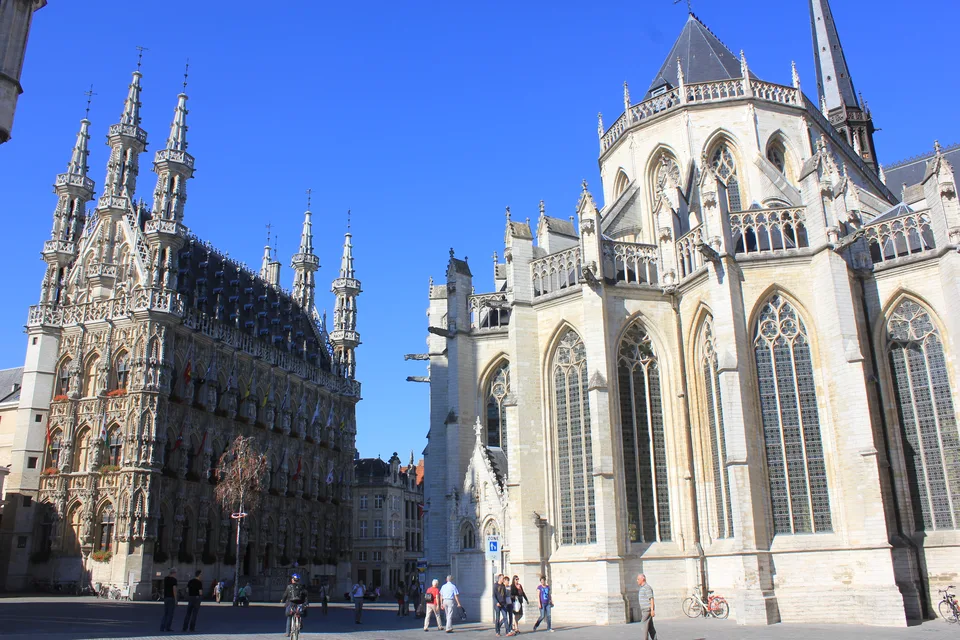
Grote Markt remains an important point of orientation, but the official town hall information is explicit: interior visits are unavailable through 2029. Scaffolding is expected to surround the building until summer 2027, with a construction banner covering the façade. Do not book a stay expecting the unobstructed view seen in older images.
The square still helps you understand the relationship between civic and religious architecture. Look across to Saint Peter’s Church and explore the surrounding streets, then allow time for a café rather than treating the covered building as the end of the visit. A guided city walk can provide context while restoration continues.
Check exactly what a tour includes. A walk starting near the town hall is not an interior tour of it. The tourist office’s opening hours are also separate from attraction access. For enquiries, Visit Leuven currently lists its reception at Jozef Vounckplein 2, which is useful when arranging tickets or adapting a programme after arrival.
Give Bouts and Saint Peter’s Church proper time
Saint Peter’s Church offers free entrance and an opportunity to encounter significant works in the setting for which they were made. The church is a major Late Gothic building, but the art rewards attention beyond an architectural photograph. M Leuven’s Experience Bouts information highlights Dieric Bouts’ Last Supper and Martyrdom of Saint Erasmus among its treasures.
Check the seasonal hours before visiting. In the published October-to-March schedule, the church closes on Wednesdays; Sunday and holiday opening differs from other days. A digital experience or guided interpretation may have its own arrangements, so confirm what is included rather than assuming that free entrance covers every option.
Respect worship and staff instructions.
Make room for M Leuven and check its current access
M Leuven combines historical and contemporary art, making it a useful counterpoint to the city’s outdoor architecture. Its current admission information lists a standard ticket at €16, a €6 youth rate for ages 19 through 25, and free access for visitors aged 18 and under. The €12 rate is a qualifying reduction, including Leuven residents, rather than the standard visitor price.
The museum’s published opening schedule is normally 11am to 6pm except Wednesdays, with Thursday opening until 10pm. Holiday exceptions apply. Check the programme and reserve ahead if a particular exhibition is the reason for your visit.
There is also a specific accessibility notice for the current period: the Mee-maak-kamer and M-resident Elise El Yousfi presentation are inaccessible to wheelchair users from 26 October through 19 November, with access expected again from 20 November. That restriction does not mean the entire museum is closed. Contact M about the spaces and route you intend to visit.
Use the library to understand the city’s resilience
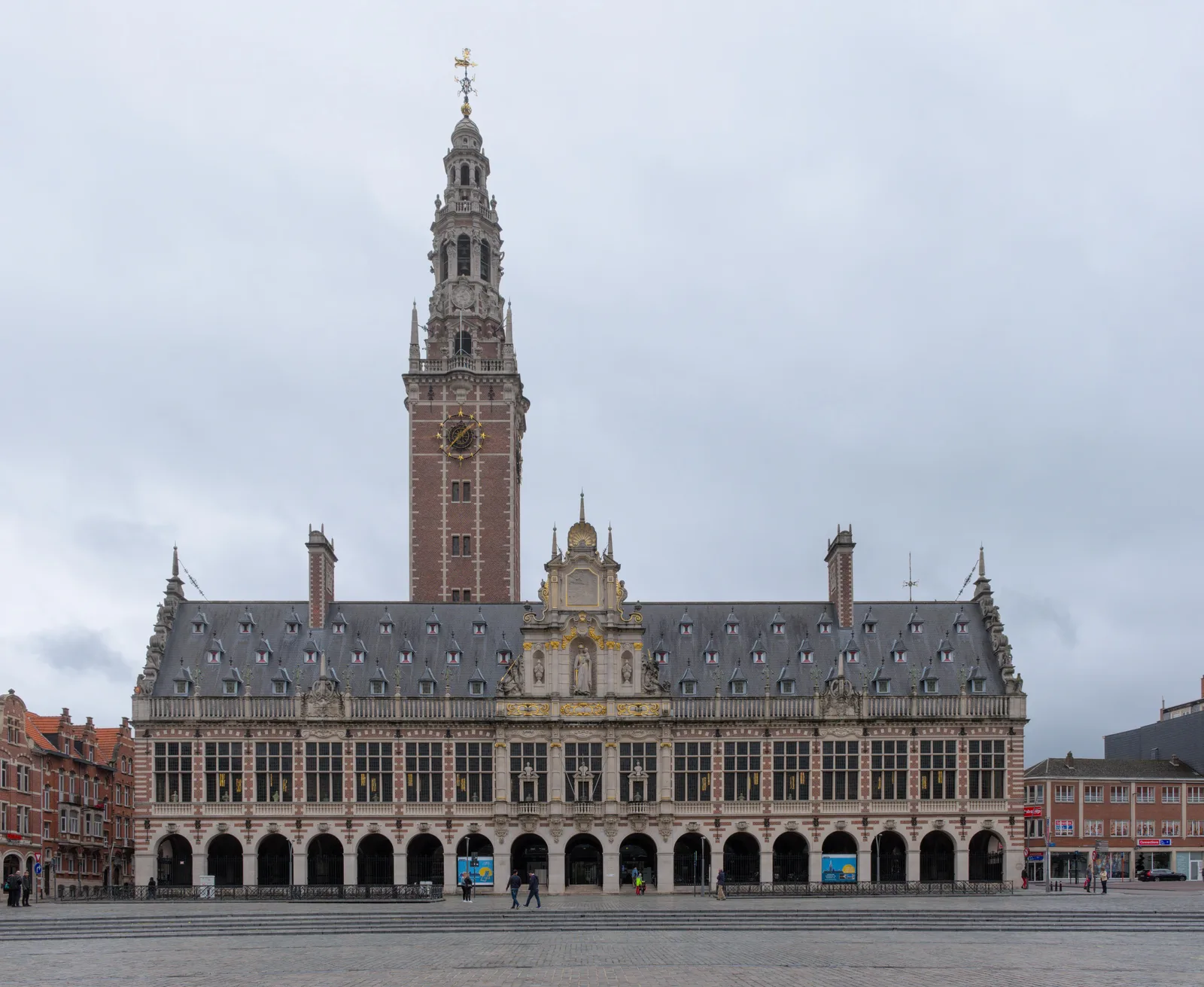
The University Library and Tower on Ladeuzeplein is both a landmark and a place where Leuven’s twentieth-century history becomes tangible. The present neo-Renaissance building was constructed between 1921 and 1928 with American support after the destruction of the old library in the First World War. The university’s history records further wartime destruction and restoration.
Visitor arrangements for the reading room, tower and guided experiences should be checked separately from ordinary library use. A building’s study hours are not necessarily its tourist hours. Confirm whether your ticket includes the spaces you want and whether a timed visit is required.
The tower offers a different perspective on the centre, but ask about the climb and accessibility before purchasing. Ground-floor accessibility does not establish step-free access to every viewpoint. Combine the library with nearby cultural visits without turning an active academic building into an unrestricted sightseeing space.
Walk the Great Beguinage as a guest in a neighbourhood
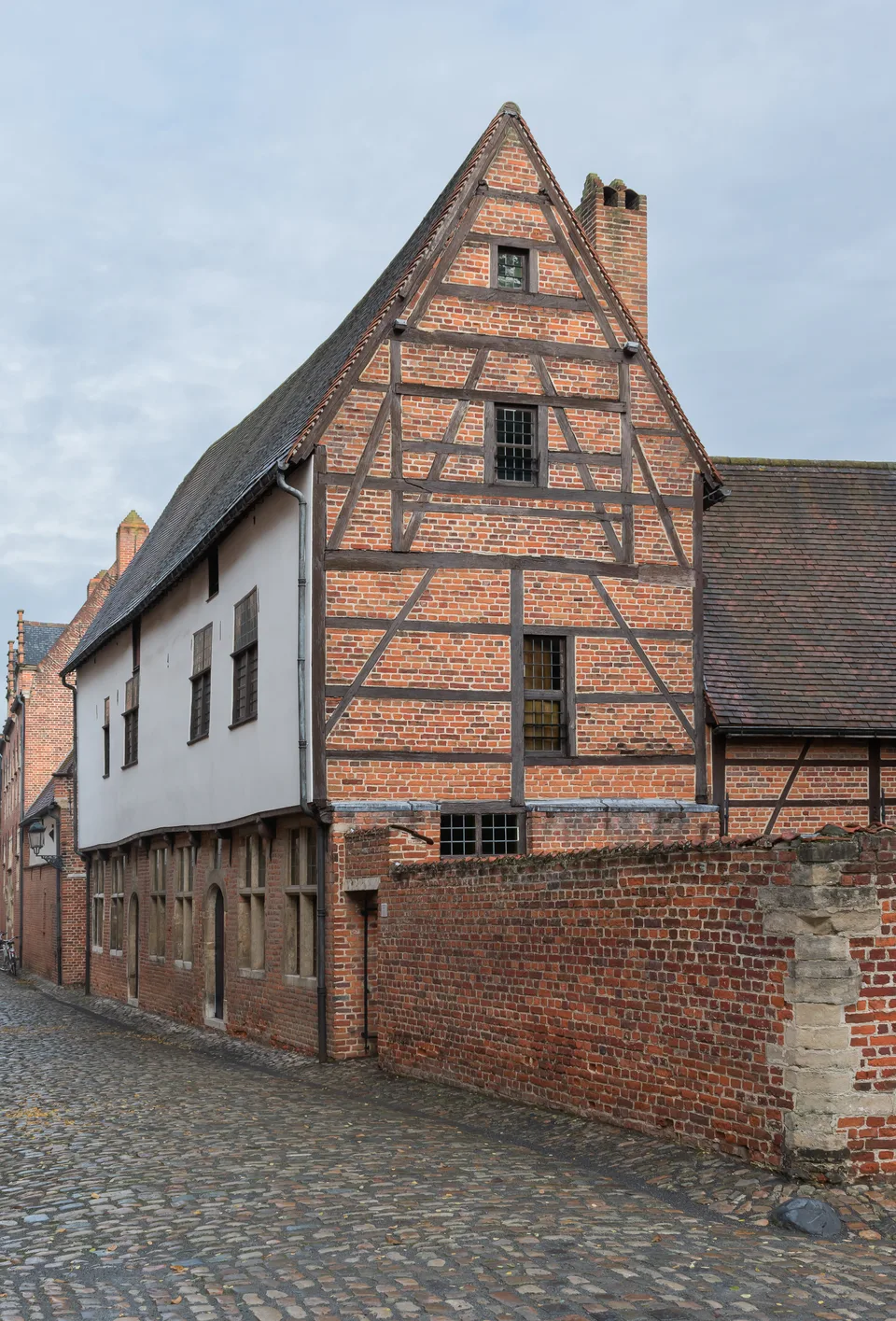
The Great Beguinage is a network of lanes, houses, courtyards and green spaces with roots in the thirteenth century. It joined the UNESCO listing of Flemish beguinages in 1998. Today KU Leuven owns the estate, which houses students, visiting professors and staff. The sense of a small district within the city comes partly from the fact that people actually live here.
Access is free, with respect for its private residential character. Keep conversations and photography considerate, avoid peering into homes and do not interpret an open-looking courtyard as permission to enter. The walk is about the ensemble and atmosphere, not gaining access to every interior.
Cobbles and uneven surfaces matter for wheelchair users and pushchairs; the tourism page specifically warns of difficult accessibility. Choose footwear accordingly and discuss a suitable route if needed. Guided group visits require advance arrangements.
Add Vaartkom or Park Abbey for another side of Leuven
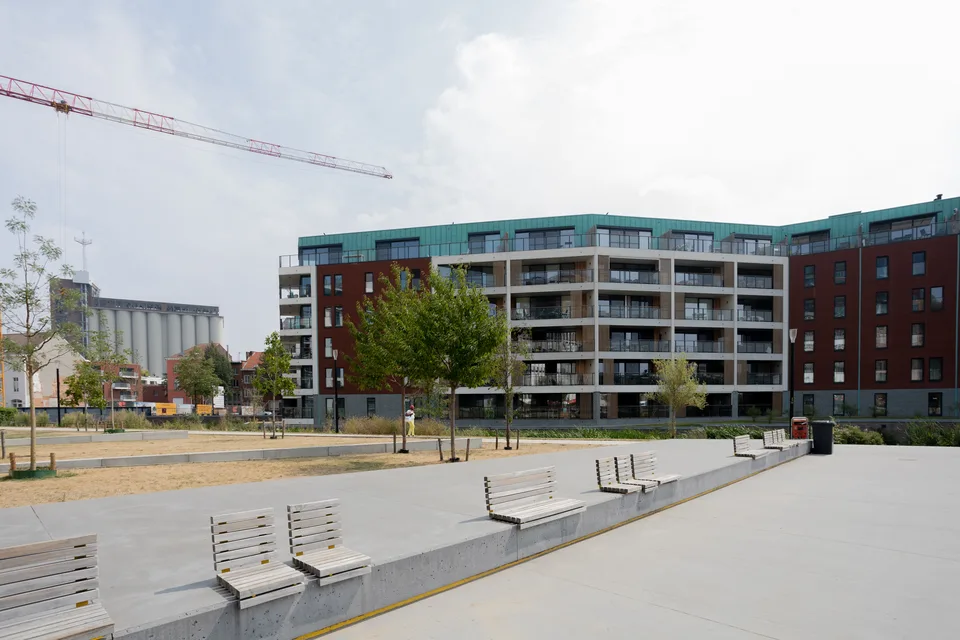
Vaartkom’s visitor information describes the former industrial and brewing area’s transformation around the harbour. The promenade, public spaces and reused buildings offer a different impression from Grote Markt. It makes a useful extension for visitors interested in how a university city adapts old infrastructure to contemporary life.
Park Abbey in Heverlee provides another option, with ponds, meadows and historic buildings. The grounds are free to walk, while access to the abbey buildings is through Museum PARCUM. Keep those two experiences separate when comparing costs and opening days.
The tourism page retains a closure notice ending on 23 October 2026, but also lists the reopening exhibition beginning on 24 October. Read dated notices carefully rather than assuming the earlier closure is ongoing. Check the museum directly for the day you intend to visit.
Choose accommodation for sleep and useful connections
Use Visit Leuven’s accommodation directory to compare hotels, guesthouses and other visitor options. It also identifies accessible and cycle-friendly accommodation. Treat those categories as starting points: confirm the room, entrance, lift and bicycle-storage arrangements that matter to you directly with the property.
A central hotel can support an itinerary largely on foot. A station-area stay may be more useful if you will travel daily, while a property closer to a particular campus can reduce repeated bus journeys. Check whether the room faces an evening venue or a quiet courtyard, and ask about cooling, breakfast and late arrival.
Compare the complete price for your dates, including cancellation conditions and any separately charged services. Student accommodation is a separate market with eligibility and contract conditions; a published university room rate should not be treated as an offer available to every tourist.
Arrive through the airport you actually booked
Brussels Airport at Zaventem and Brussels South Charleroi Airport are different facilities. Compare the whole onward journey before choosing a flight by fare alone. Brussels Airport’s rail information places its station below the terminal and gives approximately 13 minutes for a normal direct train journey to Leuven. That is train time, not a guarantee from aircraft door to hotel.
Check the journey planner for your travel date, particularly around engineering works. The airport page’s notice about disruption from 3 to 18 October concerns an earlier period; it should not be repeated as a continuing closure. Fresh works or timetable changes still need checking.
For Charleroi, the rail option involves an additional connection from the airport to a railway station. Allow for that transfer, luggage and the final journey from Leuven station. A cheaper flight can lose its advantage if it requires an extra night or a costly late transfer. For an early departure, confirm the first usable connection before booking accommodation.
Understand rail supplements and local bus tickets
The SNCB/NMBS airport-ticket guidance states that the Brussels Airport Supplement costs €6.90 when it is not already included. Most relevant tickets include it, so do not automatically add it again. The supplement is also not the complete fare between Leuven and the airport. Retain the ticket barcode for the airport station gates.
For local buses, De Lijn’s single ticket costs €3 and provides a 60-minute travel period. Activate an app or website ticket before boarding. Contactless payment uses the designated reader; when transferring within the permitted period, use the same payment method as instructed. A ticket sitting unused in an app is not an activated journey.
Plan the route to your actual address rather than relying on an old bus number in a brochure. Walking covers much of the centre, while buses or a bicycle can be useful farther out. For a work commute, compare the recurring ticket options and any employer arrangements with the cost of repeated single journeys.
Build a practical budget from the visits you want
Some of Leuven’s most rewarding experiences need no admission budget: the Great Beguinage, Saint Peter’s Church and the grounds of Park Abbey. Balance those with the paid museum, library and guided visits that interest you most. Walking between central sights also reduces the need for transport purchases.
One transparent subtotal is €22 for a standard €16 M Leuven ticket and two €3 De Lijn single journeys, assuming those are the tickets you need. Food, accommodation, other attractions and airport travel are additional. Age-based concessions can change the calculation, so compare the correct categories rather than multiplying an adult rate for everyone.
The €19 ILUVLeuven Ticket includes a guided city walk, the University Library and tower, and a choice between M Leuven and Park Abbey. It does not include both museums. Select the walk’s date, time and language; the other vouchers have a limited validity period linked to that walk. Check closing days before deciding the package is economical for your itinerary.
Match the season to your preferred pace
Plan for changeable weather and keep an indoor option beside outdoor walks. A waterproof layer and comfortable shoes are useful beyond winter, while warmer days make water, shade and a flexible afternoon sensible. Check the Royal Meteorological Institute’s forecast close to departure rather than treating a seasonal expectation as a daily prediction.
Spring and early autumn can suit a programme of walking and museums; summer offers longer evenings, while winter calls for more attention to daylight and indoor opening hours. University activity also affects the atmosphere. If you are choosing a home or investigating study, visit during an ordinary teaching period where possible and test the journeys you would actually make. A Wednesday arrival, for example, should not be built around an afternoon inside M Leuven or a winter visit to Saint Peter’s Church.
A two-day itinerary with a useful third-day option
On day one, orient yourself around Grote Markt, acknowledging the town hall works, then visit Saint Peter’s Church when open. Continue toward the library for a booked visitor experience. Leave room for lunch and an evening meal rather than treating the short distances as a reason to fill every hour.
Use day two for M Leuven, followed by the Great Beguinage at a slower pace. Reverse the order if opening times or a booked slot make that more practical. Travellers choosing the combined ticket should position the guided walk and other visits within its stated validity, with museum closing days checked first.
A third day can accommodate Park Abbey, or a Vaartkom walk and a longer lunch before departure. Keep arrival and departure time honest: two nights do not necessarily provide two complete days. Those exploring a move should add working-day appointments for housing and registration enquiries. A holiday itinerary and a serious household reconnaissance need different amounts of unscheduled time.
Moving: compare the lease and the campus route
Locate the actual workplace or study building before deciding where to live. An address within Leuven may still create a daily journey across the municipality. Test cycling, walking and bus options with the hours, weather and equipment you expect to manage, including school travel if relevant.
KU Leuven’s published residence-room information gives €525 or €553 a month for specified Stuvo rooms in the 2026–2027 academic year. The stated all-in arrangement includes energy, water and internet on a ten-month contract, with eligibility and availability to establish. These are student-residence examples, not ordinary family-apartment rents or guaranteed rooms for new arrivals.
For any lease, clarify the deposit, included costs, duration, notice and inventory. Verify the property and the person entitled to let it before transferring money. Compare total household costs rather than rent alone. A room suitable for one student may be inappropriate for a couple, a family or someone needing a permanent registered address.
Set up the household around local services
Confirm the property’s utility arrangements, meter readings and responsibility for contracts at handover. Ask about energy costs, internet installation and any communal charges that are not included in rent. Keep the inventory and payment records accessible, and establish the route for reporting repairs before a fault interrupts work or study.
Waste collection is address-specific. The city’s waste-management information covers designated bags, biodegradable-waste arrangements, recycling and collection calendars. Some streets use shared sorting facilities requiring an access card rather than ordinary doorstep collection. Ask the landlord which system applies to your address and obtain the relevant calendar.
Families should contact schools and childcare providers directly about places, language and admission requirements. For daily life, some Dutch will help with local administration and neighbourhood communication even when an academic workplace operates in English.
Arrange healthcare before it becomes urgent
For a longer stay, establish health-insurance eligibility and identify a GP who can meet ongoing needs. Carry the records needed for continuity of care and keep essential medication accessible during travel.
For urgent out-of-hours GP advice, Leuven’s GP service instructs patients to call 1733 first. People using an international telecom provider are directed to +32 2 524 98 89 instead. The service assesses the problem and directs care; it is not a substitute for emergency assistance.
Belgium’s emergency information explains when to use 112, including serious medical emergencies and fire. Know your accommodation’s precise address when seeking help. Travellers with mobility needs should also check the complete route through attractions and transport, not just whether the first entrance has a ramp. The Beguinage’s cobbles and the library tower require different assessments from a modern museum’s main entrance.
Distinguish a visit, a student stay and employment
The EU’s travel-document guidance explains nationality-dependent visa requirements and the usual short-stay limit of 90 days in any rolling 180-day period across Schengen, rather than 90 new days in each country. Check passport validity and supporting documents before travel. Consult the official Entry/Exit System and ETIAS information for the requirements and status applying to your journey; neither substitutes for a visa where one is required.
For a move, follow Leuven’s long-stay registration guidance, which distinguishes nationality and circumstances. Student registration has its own routes, including different mobility situations. An admission letter, local address or tourist entry does not by itself grant all residence and work rights.
The Belgian government’s Working in Belgium portal explains employer procedures, including relevant single-permit applications for non-EEA or non-Swiss workers staying beyond 90 days. Permanent residence is a separate question. VisaWand’s Belgium consultant listings provide a starting point for professional assistance where needed, with qualifications and written terms checked.
Compare nearby cities before extending the stay
Brussels’s destination page is useful when comparing a national-capital base with Leuven’s smaller university-city setting. For a daily commute, check the station-to-office journey as carefully as the intercity train. A quick rail connection can still leave a substantial final leg at either end.
Mechelen’s destination page offers another nearby-city comparison for a wider Belgian trip. Look at the current timetable and the specific experiences you want rather than adding a stop simply because it appears close on a map. Use Louvain-la-Neuve’s destination page when resolving the university-place-name distinction, not as an alternative spelling for Leuven. These pages are geographical references; current visitor services and bookings should be verified with operators. The Belgium destination directory can support wider comparisons, while Leuven itself rewards enough time to connect its art, academic life, residential quarters and changing industrial waterfront.
Official planning resources
Reviewed 28 October 2026. Use the official resources linked throughout this guide for admission, transport, housing and immigration decisions. Prices, services and rules can change; confirm the details relevant to your dates. Photography illustrates the locations and is not a live view.
View all official resources
- KU Leuven: university history timeline
- KU Leuven: Leuven and its suburbs
- Visit Leuven: Town Hall and Grote Markt
- Visit Leuven: Saint Peter’s Church
- M Leuven: Experience Bouts at Saint Peter’s Church
- M Leuven: ticket prices and discounts
- M Leuven: hours and closing days
- Visit Leuven: University Library and Tower
- Visit Leuven: Great Beguinage
- Visit Leuven: Vaartkom
- Visit Leuven: Park Abbey
- Visit Leuven: accommodation and accessibility
- Brussels Airport: rail connections
- SNCB/NMBS: Brussels Airport Supplement
- De Lijn: single tickets and validation
- De Hoorn: current restaurant menu
- Visit Leuven: ILUVLeuven combined ticket
- Royal Meteorological Institute: weather forecasts
- KU Leuven: residence room rental fees
- City of Leuven: waste collection and sorting
- Leuven out-of-hours GP service
- Belgian emergency services: emergency numbers
- European Union: non-EU travel documents and Schengen rules
- EU: Entry/Exit System information
- EU: official ETIAS information
- City of Leuven: stays exceeding three months
- City of Leuven: foreign student registration
- Belgian government: Working in Belgium and single permits
Plan the next part of your journey
Explore the Belgium guide, browse other cities or compare consultants for your travel and relocation questions.