Visa
Brussels rewards a slower look
Brussels offers an unusually varied city break: a theatrical guild square, surrealist painting, neighbourhood markets and the working institutions of the European Union. Its appeal becomes clearer when you leave time between major sights. An afternoon moving from a museum to a garden and then a residential shopping street can reveal more than a hurried circuit of monuments.
For a first visit, allow three days and choose accommodation around the places you actually want to explore. For a possible move, add ordinary weekday tasks: take the prospective commute, inspect a supermarket and check the municipality responsible for your address. VisaWand’s Belgium country guide provides national context; this guide concentrates on decisions within Brussels.
Understand which Brussels you mean
The Brussels-Capital Region contains 19 municipalities, including the City of Brussels, Ixelles and Saint-Gilles. A property advertised as “Brussels” may belong to a different municipal administration from the historic centre. Use the full address when checking registration, schools or municipal services, rather than assuming one city hall handles everything.
The central visitor route also has an important vertical dimension. The Mont des Arts connects the lower town with the royal and museum quarter above it. A short distance on a map can involve slopes or steps. When comparing rooms, ask about the actual approach with luggage, the nearest useful stop and whether the building has a lift serving your floor.
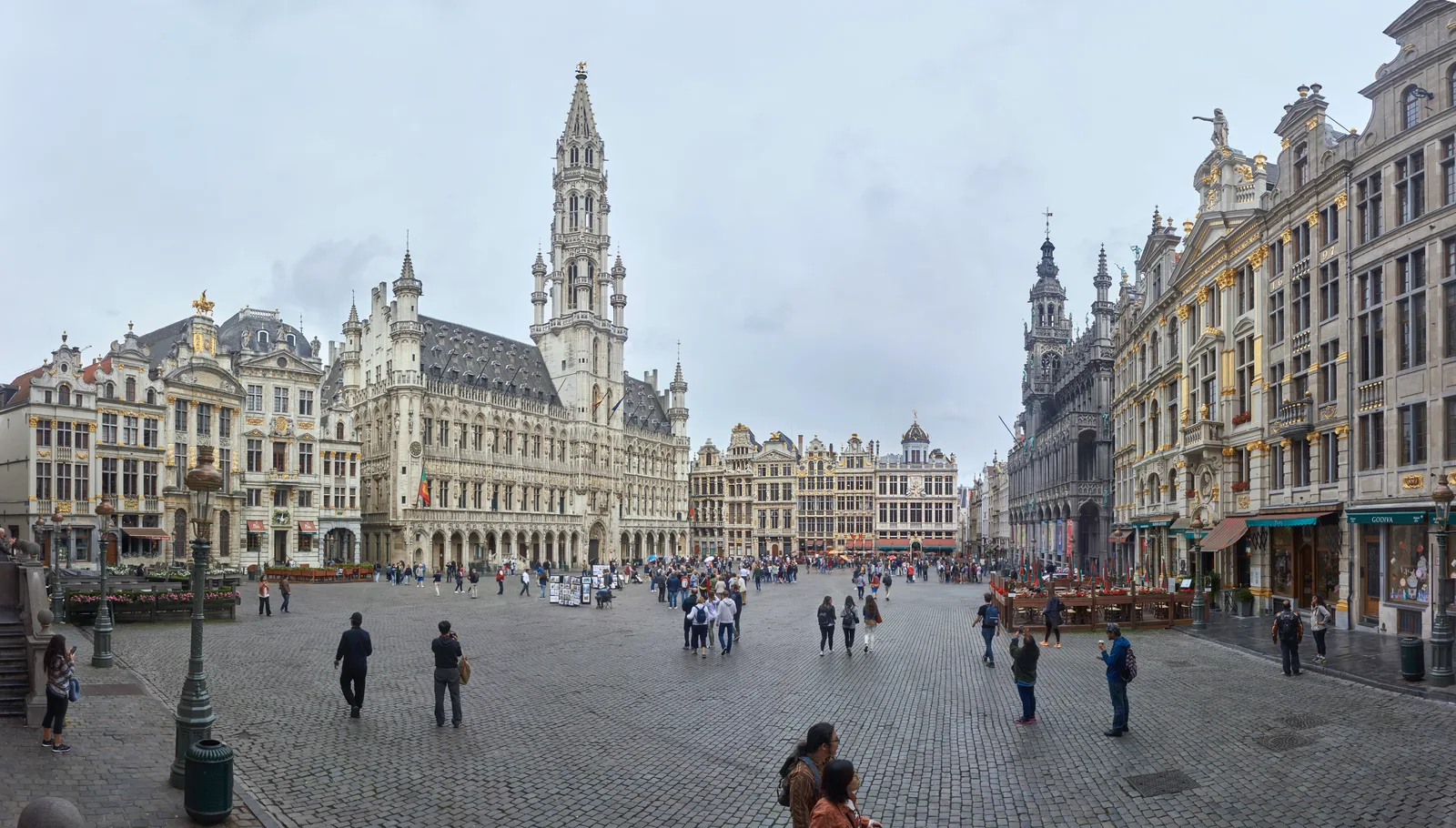
Read Grand-Place through its rebuilding
Grand-Place is the natural starting point, but its architectural unity needs explanation. The City of Brussels’s history of the square describes how French bombardment in 1695 destroyed most surrounding houses. The guilds rebuilt them, producing much of the richly decorated stone frontage visible today. The Town Hall’s surviving tower and facade make a striking counterpoint to that reconstruction.
The square entered the UNESCO World Heritage List in 1998. Look separately at the guild houses, Town Hall and Maison du Roi instead of treating the ensemble as one undifferentiated medieval scene. Return later for a different light, if your schedule allows. Seasonal events can alter access and the view; a photograph of the flower carpet does not mean it will be present during your visit.
Pick a neighbourhood with a purpose
For an introductory stay, the centre makes Grand-Place and the Royal Galleries convenient. A room near the upper town can suit a museum-focused trip, while the European Quarter deserves consideration when institutional visits or work appointments dominate. These are useful starting areas, rather than guarantees about the quality or quietness of every street.
The tourism board’s neighbourhood walking itineraries extend the picture to the Ixelles ponds and Flagey, architectural streets in Saint-Gilles, and Sablon and Marolles. Choose one district for a substantial walk. For accommodation, examine the exact block after considering the neighbourhood: restaurant terraces, road traffic and late arrivals can matter more to sleep than a broad district description.
Use Mont des Arts as your orientation point
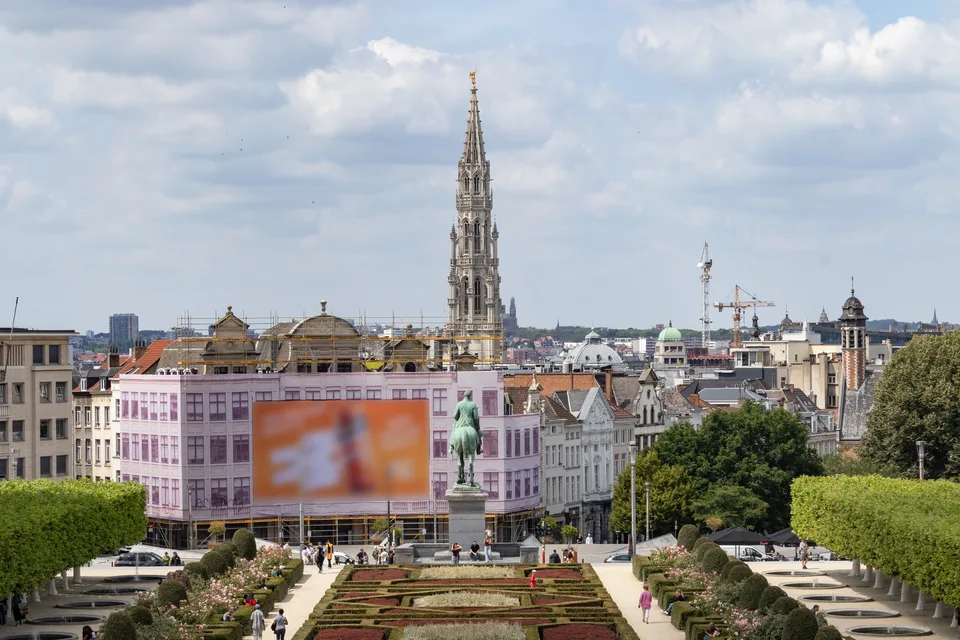
At Mont des Arts, stop above the formal garden to understand the relationship between the upper and lower town. The view towards the Town Hall spire helps connect the monumental centre with its surrounding streets. It is a useful pause between indoor visits, rather than another timed attraction to rush through.
The official introduction to Brussels’s landmarks also identifies the nearby Royal Galleries and the city’s comic-strip murals. Use those as different kinds of exploration: the galleries offer a covered architectural detour, while a few selected murals can shape a street walk. Leave space for looking around; trying to collect every mural turns a distinctive local art form into an exhausting checklist.
Choose your art ticket before arriving
The Royal Museums of Fine Arts offer separate collection experiences. Check the museum’s collection tickets and entrance instructions before choosing between Magritte, Old Masters or a combination. Walk-in visitors use the main entrance at Rue de la Régence 3; the entrance at Place Royale 2 is reserved for visitors with tickets bought in advance.
The published standard adult admission prices are €13 for Magritte, €13 for Old Masters and €20 for the combination. Buying both separately therefore costs more. Decide whether you have the attention and time for two collections, rather than buying the larger ticket automatically. Special exhibitions may have different arrangements, and eligibility for a reduced fare needs to be checked against the museum’s conditions.
Put museum opening days into the itinerary
The Royal Museums’ opening-hours page lists Tuesday–Friday opening from 10:00 to 17:00 and weekends from 11:00 to 18:00, with Monday closure and holiday exceptions. This changes the order of a short break: a Monday arrival should not be built around a museum visit that afternoon.
The collections page also describes free admission to the permanent collections and Magritte from 13:00 on the first Wednesday of the month. A same-day ticket is still required and capacity applies; temporary exhibitions are separate. Treat this as a useful opportunity if your dates align, rather than a reason to compress a visit into the final part of the afternoon. Allow time for admission and cloakroom procedures.
Give the Atomium its own excursion
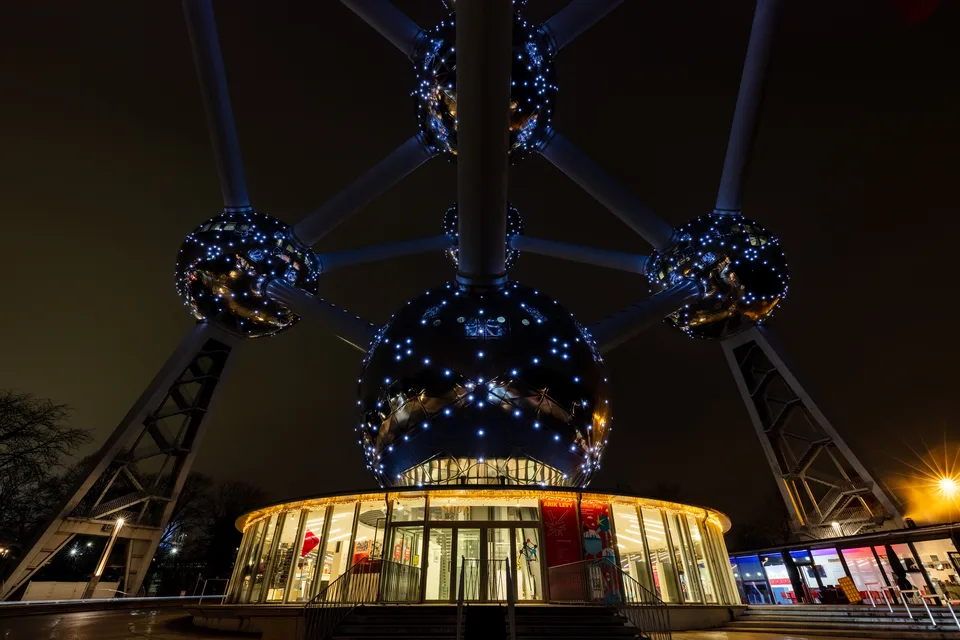
The Atomium belongs to a different phase of Brussels’s history: the 1958 World’s Fair. Its connected spheres make it immediately recognisable, but it sits outside the compact historic-centre circuit. Plan the transport and the visit together instead of assuming it is a short walk from Grand-Place.
The Atomium’s current ticket information lists €17 for adults aged 18–64, including five spheres open to visitors and admission to Design Museum Brussels nearby. The page currently displays an on-site-only ticket notice, even though other text discusses online sales; check the current sales channel before relying on advance purchase. “Open spheres” does not establish step-free access throughout. Anyone needing a particular access arrangement should obtain confirmation before travelling.
Visit the European Quarter with the right documents
The Parlamentarium visitor centre provides a useful introduction to the European Parliament and is free to visit. Its self-guided material is available in 24 languages, and the operator suggests around 90 minutes. Reserve a slot; admission without a reservation depends on capacity.
Bring the valid physical passport or national identity card used for the booking. A driving licence, photocopy or identity document displayed on a phone is not accepted. This is a practical reason to organise the visit before leaving your accommodation. The centre explains parliamentary work, but it does not guarantee access to a live debate. Keep the rest of this outing flexible enough to include a park walk or an unhurried meal.
Make room for parks and architecture
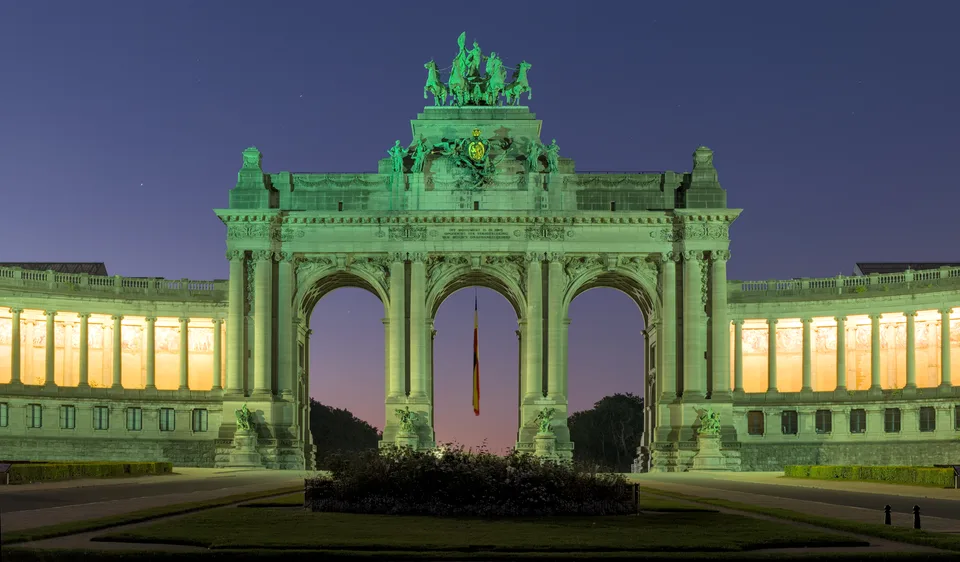
Cinquantenaire offers a change of scale after the narrow streets around Grand-Place. The park was developed for Belgium’s fiftieth anniversary in 1880, and its monumental ensemble combines formal gardens with museum buildings. It works well as outdoor time rather than an obligation to buy several more admission tickets.
For another architectural perspective, follow a Saint-Gilles neighbourhood walk and examine individual facades. An attractive exterior does not imply public interior access. Select a particular house museum only after checking its own booking arrangements. These two outings suit different moods: Cinquantenaire gives you open space and monumental views, while a residential architecture walk asks for closer attention to materials, doors, windows and the scale of the street.
Choose accommodation beyond the headline rate
Hotels, hostels and apartments serve different trips. A hotel can simplify a brief stay; an apartment may suit a longer visit if cooking and laundry genuinely reduce costs. Confirm late check-in, luggage storage, lift access and cancellation conditions in writing. For a shared apartment, establish what is private and what is communal before paying.
The regional tourist-accommodation tax has a standard 2026 rate of €5 per accommodation unit per night, including additional surcharges; different rates apply to homestays and campsites. It is not a universal €5 charge for each guest. Ask the property for the total payable for your dates and occupancy, including how tax is reflected in its quotation. Compare complete stays rather than the first number displayed.
Distinguish Brussels Airport from Charleroi
Check the airport on your ticket before choosing a transfer. Brussels Airport and Brussels South Charleroi Airport are separate gateways with different onward journeys. An apparently cheaper flight can become less convenient once the transfer, baggage allowance and arrival time are included.
For Brussels Airport, SNCB’s airport rail information explains the station beneath the terminal and the airport supplement. The €6.90 supplement, where not already included, is an addition to the rail fare, not the complete ticket price. Obtain a quote for the actual station you need. A central hotel and an onward international train may require different destinations, so avoid buying simply for “Brussels” without checking which station serves the journey.
Understand the Airport Line’s direction-specific fare
STIB’s Airport Line fare instructions make an important distinction. Travelling from Brussels Airport towards the city costs €7.90 with contactless payment or an eligible MOBIB ticket, or €8.40 for the paper Airport2City ticket. Travelling towards the airport uses ordinary STIB tickets.
Airport2City allows transfers within 60 minutes on the STIB network under its stated conditions. Choose a connection that serves your accommodation: Schuman connects with metro lines 1 and 5, while Trône connects with lines 2 and 6. Check current route information for the date of travel. Do not assume the ordinary daily contactless cap includes the special airport departure fare, or that an airport ticket covers every transport operator in Belgium.
Allow a separate transfer for Charleroi
The Flibco Charleroi shuttle links the airport with Brussels Midi, also called Gare du Midi or Zuidstation. The Brussels stop is on Rue de France; check the current boarding directions and the final connection to your room. The operator gives an indicative journey of roughly 55–60 minutes, but road conditions can change that substantially.
Use the booking result for your date and baggage needs instead of relying on a promotional starting price. The operator’s fare packages include different luggage allowances. A cheap ticket may be poor value if it excludes your suitcase. For an early departure, check the actual timetable and allow an airport check-in margin as well as the bus journey; a day-ticket validity window is not proof of continuous overnight service.
Use contactless transport consistently
For ordinary STIB travel, the bank-card ticket rules list €2.40 per journey and a daily cap of €8.50. Transfers within 60 minutes use the same card or device, and you must validate again when transferring. Keep using exactly the same payment medium: a physical bank card and the phone wallet linked to it should not be treated as interchangeable tickets.
One card or device serves one traveller. A couple cannot simply tap the same card twice and expect two independent journeys. These rules cover STIB services, not every regional bus or national train. For a resident’s commute, compare the appropriate subscription with actual travel needs once you know the route; occasional sightseeing fares are not a reliable monthly commuting budget.
Eat with curiosity and check the complete order
Waffles provide an easy introduction to local food, but the two familiar styles differ. The tourism board’s guide to Brussels and Liège waffles describes the Brussels version as rectangular and light, while the smaller Liège style is denser and contains sugar crystals. Choose the base before adding toppings; a heavily decorated display can obscure the difference.
For meals, read the menu and portion descriptions before ordering, and ask about ingredients when dietary requirements matter. Budget for drinks and additions as well as the main dish. A useful food plan combines one deliberate restaurant meal with simpler lunches or groceries, leaving money for the experiences you value. Confirm whether the displayed offer is a complete meal or a single item.
Browse markets without expecting identical stalls
The City of Brussels market directory lists the Place du Jeu de Balle flea market every morning and identifies other markets with their own schedules. The Marolles outing can therefore combine browsing with a neighbourhood walk, but individual traders and stock will vary. Go with curiosity rather than an expectation of finding a particular object.
For purchases, check condition, dimensions and the cost of transporting anything fragile or bulky home. Food shopping needs a different approach: consult the market’s actual operating day and bring an appropriate bag. Keep a separate allowance for gifts and souvenirs. A memorable small purchase is easier to accommodate than a suitcase problem discovered at the airport, especially when your flight or shuttle has a restrictive baggage package.
Budget from verified components
A practical daily budget starts with your own accommodation quote. Add the transport you will actually use, meals, a paid attraction and a reserve for changes. For example, two ordinary €2.40 STIB journeys plus a €13 museum ticket total €17.80 before food and accommodation. That is a component calculation, not a claim that Brussels costs €17.80 a day.
Airport transfers, special exhibitions and shopping sit outside that example. Families should price the correct ages and concessions rather than multiplying an adult headline rate. Photograph or save the confirmed booking conditions and review what is refundable. When comparing a pass with individual tickets, count only attractions you realistically intend to enter during its validity period; unused inclusions do not create a saving.
Plan seasons around the trip you want
For climate context, Belgium’s Royal Meteorological Institute explains the Uccle climate normals and the 1991–2020 reference period. A long-term average describes a pattern, not the weather on your arrival day. Check the current forecast before packing and again before an outdoor excursion.
Build a mixed-weather itinerary: pair a garden or neighbourhood walk with an indoor option, carry a layer you can add, and choose footwear suitable for wet paving. Summer offers a different experience from a winter museum break, but neither guarantees comfortable conditions every day. Check event dates directly before booking around them. A short visit works better with one flexible afternoon than with every hour committed to a reservation that depends on good weather.
Three days with sensible geographical groupings
Day one: begin at Grand-Place, then explore the Royal Galleries and a small selection of nearby streets. Continue towards Mont des Arts if the climb suits your group. Keep the afternoon for a chosen art collection, provided its opening day fits, and leave the evening unstructured.
Day two: reserve the Parlamentarium, bring the required identity document and explore the European Quarter. Add Cinquantenaire if energy and weather permit, choosing outdoor time or one museum rather than attempting everything. Day three: make the Atomium your principal excursion, then use the remaining time for a market or neighbourhood walk. This is a suggested sequence, not a package; swap days for closures, reservation availability or a Monday arrival.
Test a future home through ordinary routines
For relocation, take a weekday journey from a prospective address to the actual workplace or campus. Include the walk to the stop and the final walk at the other end. Try the return journey at the time you expect to travel, and check the evening alternative if your work finishes late.
Inspect housing with household needs in mind: heating arrangements, ventilation, noise, storage, laundry, internet availability and the separation of rent from service charges. Ask for the written lease, inventory and a clear explanation of utilities. Short-term visitor accommodation does not necessarily provide the documentation or registration arrangements needed for a main home. Establish that before treating a furnished holiday apartment as a relocation solution.
If viewing remotely, request a live tour that shows the entrance and shared areas as well as the rooms. Confirm who is authorised to let the property and obtain the proposed paperwork before making a payment. Attractive photographs alone cannot establish the terms of a tenancy.
Handle the deposit and utilities carefully
The Brussels regional security-deposit rules cap the guarantee at two months’ rent for leases entered into or renewed from 1 November 2024. Several permitted forms exist; use the arrangement applicable to your lease rather than assuming a transfer to a landlord’s personal account is required. Release of a financial guarantee requires the appropriate agreement or judgment.
Check the regional lease-registration instructions and applicable federal requirements; do not assume one registration system automatically replaces another. On moving day, record meter readings together. BRUGEL’s energy handover guidance calls for signed copies for both parties and transmission to the supplier, not to BRUGEL or Sibelga. Keep the evidence and confirm when your supply contract begins.
Arrange healthcare and schooling before they become urgent
The region’s healthcare-insurance explanation describes affiliation and reimbursement through a mutualité or ziekenfonds. Coverage depends on your situation, and reimbursement is not a promise that every consultation or treatment is free. Confirm the arrangements for your household and any gap between arrival and local coverage before travelling.
Families should also investigate the Brussels education system early. Subsidised schools belong to the French or Dutch communities, alongside private and international options. Check teaching language, admissions, available places, transport and fees with the school itself. An international workplace does not establish access to an English-language school. Choose housing after considering the combined school and work journeys, especially if different household members need to travel in opposite directions.
Separate a visit from permission to live and work
For non-EU visitors, official short-stay guidance explains nationality-dependent visa requirements and the general Schengen limit of 90 days in any 180-day period. Count travel across the Schengen area, and respect any shorter permission on your visa. Private accommodation can also trigger declaration-of-arrival formalities; check the instructions for your circumstances.
EU citizens staying beyond three months should follow the municipal registration process, bringing a complete file for their qualifying status. For non-EU long stays, consult the Immigration Office’s visa D requirements. Employment commonly requires the single-permit procedure through the employer and competent region, with exceptions and separate conditions. Study and permanent residence have their own requirements. A rental contract or tourist entry does not itself grant those rights; use VisaWand’s consultant listings when individual advice is needed.
Leave space for another Belgian destination
If your Brussels priorities fit comfortably, use the SNCB journey planner to compare a separate outing to Leuven, Ghent or Bruges. Check the actual connection, return service and ticket conditions for the chosen day. Keeping one base can be convenient, but a longer Belgian trip may justify an overnight elsewhere rather than repeated travel.
VisaWand’s Belgium location directory helps identify other destination pages; directory coverage should not be confused with a completed guide. The Belgium destination page provides another starting point for country planning. For a different international city break, compare the completed Amsterdam city guide, allowing for a separate intercity journey. Choose the place that suits your interests and time rather than adding another destination simply because it is reachable.
Official planning resources
Reviewed 15 October 2026. Use the official resources linked throughout this guide for admission, transport, housing and immigration decisions. Prices, services and rules can change; confirm the details relevant to your dates. Photography illustrates the locations and is not a live view.
View all official resources
- The Brussels-Capital Region and its municipalities
- Grand-Place: history and World Heritage status
- Official neighbourhood walking itineraries
- Brussels landmarks and cultural districts
- Royal Museums: collection tickets and entrances
- Royal Museums: admission prices
- Royal Museums: opening hours
- Atomium tickets and current sales notice
- Parlamentarium: reservations and identification
- STIB contactless bank-card fares
- Airport Line: direction-specific fares
- SNCB Brussels Airport rail tickets
- Charleroi Airport–Brussels Midi shuttle
- Brussels waffles: styles and ingredients
- City of Brussels markets
- Regional tourist-accommodation tax
- Brussels rental security deposits
- Brussels residential lease registration
- Moving home: BRUGEL energy handover
- Healthcare insurance in Brussels
- Schools and educational systems
- Non-EU short stays and arrival formalities
- EU citizens: residence beyond three months
- Belgian Immigration Office: long-stay visa D
- Belgian Immigration Office: single permit for work
- KMI climate normals: Uccle and changing baselines
Plan the next part of your journey
Explore the Belgium guide, browse other cities or compare consultants for your travel and relocation questions.