Visa
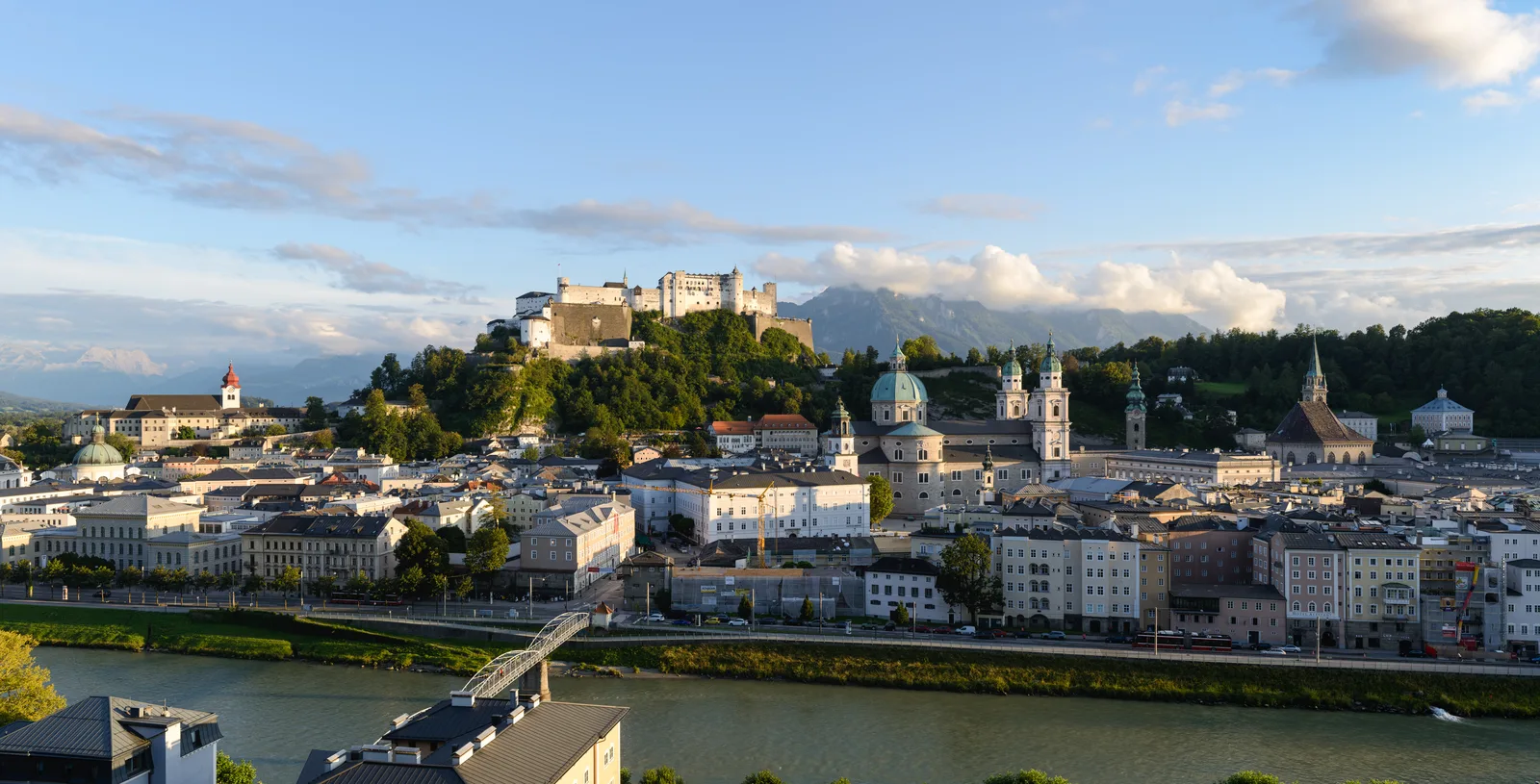
Salzburg rewards a stay beyond the sightseeing circuit
Salzburg’s first impression is unusually coherent: fortress walls above church domes, narrow shopping streets opening into ceremonial squares, and the Salzach running through the middle. Music supplies another reason to come, whether your interest is Mozart’s family homes, a major festival or a single evening concert.
The historic centre works well on foot, but a successful visit still needs choices. You cannot give two Mozart museums, the fortress, cathedral quarter and Hellbrunn proper attention in one hurried day. Two or three nights make room for the experiences you care about and leave alternatives when the weather changes.
For someone considering a move, Salzburg’s attractive centre is only the beginning. Housing, work or university location, transport and residence formalities deserve their own investigation. Use VisaWand’s Austria country guide alongside this city guide when comparing a holiday with a longer stay.
Read the streets through the city’s history
The UNESCO-listed Historic Centre of Salzburg reflects its past as a city-state governed by prince-archbishops. Large religious and administrative buildings express that authority, while smaller plots and narrower streets reveal a different commercial life. Italian and German cultural influences helped shape the city’s architecture, including its celebrated Baroque appearance.
The inscription dates from 1996 and concerns the defined historic centre, rather than every building across modern Salzburg.
Walk between Getreidegasse, the cathedral squares and the river without treating the gaps as empty space. Passages, courtyards and changes of scale are part of the experience. Looking closely at those transitions gives a clearer understanding of the city than collecting façade photographs without noticing how the streets connect.
Choose your side of the river deliberately
An Old Town address suits visitors who want short walks to the cathedral quarter, shopping streets and fortress approach. Check the final route with luggage, however: a central map pin does not establish convenient car access, an entrance without steps or a quiet bedroom. Ask which side of the building your room faces.
Around Mirabell and the Andräviertel, a base can work well for combining gardens, the Mozart Residence and walks across the river. Accommodation near the main station is worth comparing when you arrive late or plan several rail journeys. Check the actual walk and bus connection rather than judging the whole area from its district name.
The city archives’ account of Salzburg’s neighbourhoods helps distinguish places such as Nonntal, Riedenburg, Schallmoos and Elisabeth-Vorstadt. These are starting points for investigation, not fixed price or safety categories. Prospective residents should compare individual streets with their workplace, campus, schools and essential shopping.
Give the fortress a substantial part of a day
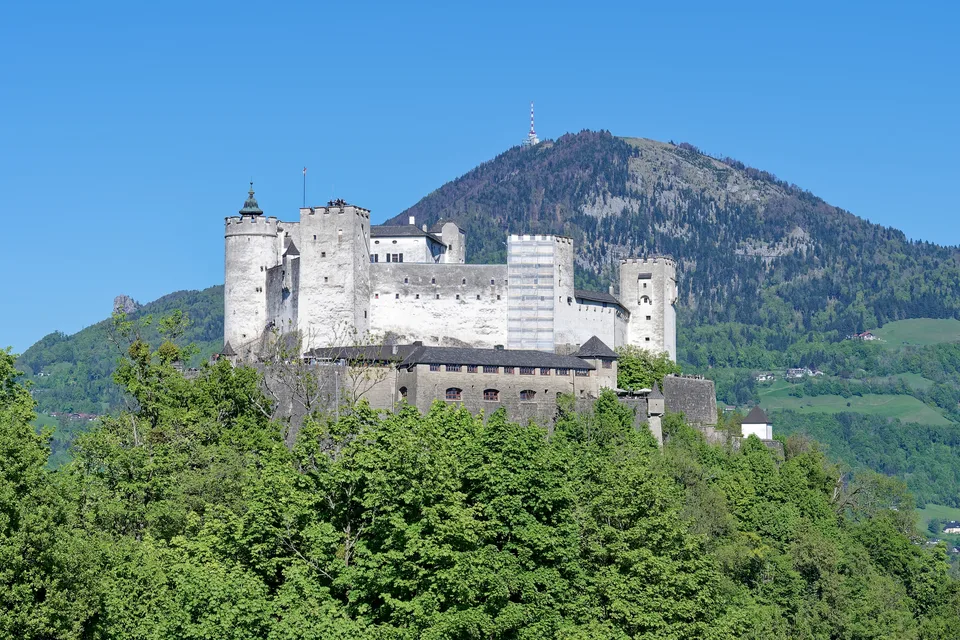
Hohensalzburg is the landmark that repeatedly draws your eye upward. Its position makes a visit useful both for exploring the complex and for understanding the city below. Decide whether your priority is the outdoor setting, interiors or both, then check the ticket’s inclusions before purchase.
The fortress operator’s opening information matters particularly for upcoming visits. During 9–13 November 2026, the Festungsbahn funicular is scheduled for maintenance: the walking path and outdoor areas remain open, but museums and indoor areas close. A further funicular closure is scheduled for 11 January–14 March 2027, when the operator says interiors remain open via walking access.
These are different arrangements, so a general claim that the fortress opens every day is insufficient. Consider the ascent, surfaces and your party’s mobility before choosing walking access. Leave room for the return journey and a meal instead of adding the fortress as a brief stop between timed museum bookings.
Choose the Mozart museum that fits your interests
Mozart’s Birthplace and the Mozart Residence are separate museums. The Residence at Makartplatz 8 was the family’s home from 1773; Wolfgang lived there until the end of 1780. Its story includes reconstruction after wartime damage, so it should not be presented as an entirely unchanged eighteenth-century interior.
The Residence currently advertises daily opening from 9am to 5.30pm, with last admission half an hour before closing and specific holiday exceptions. Published standard adult admission is €18, or €25 for a combined ticket covering both museums. Check the terms when buying: different pages on the foundation’s website give conflicting combined-ticket validity periods.
The foundation’s accessibility information makes an important distinction: the Residence has barrier-free access, while the Birthplace does not. Contact staff about the Residence’s Theatergasse entrance if needed. The operator also directs online buyers to its official webshop. Allow approximately an hour for the Residence rather than assuming two museums will fit one short gap.
Combine Mirabell with a slower walk through the city
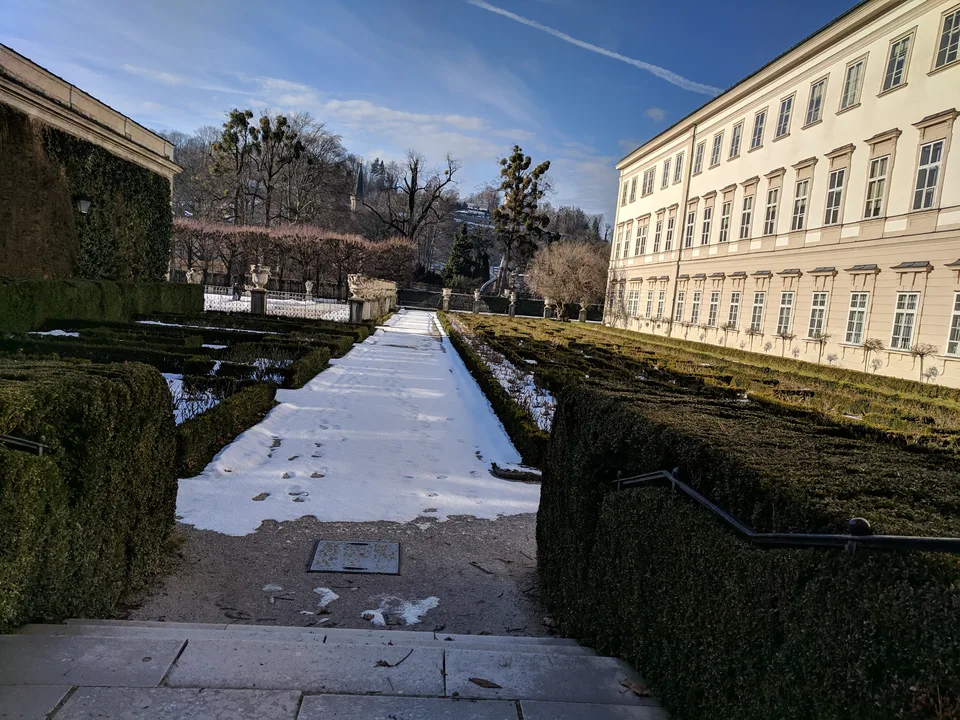
Mirabell Palace and Gardens offer an accessible change of pace from paid indoor attractions. The formal layout and views make the gardens worthwhile even for visitors with no particular interest in the palace’s history. Film enthusiasts may recognise the Pegasus fountain and steps from The Sound of Music.
The tourism authority’s October 2026 information lists free admission and garden opening from approximately 6am until dusk, with partial winter closures. The dwarf garden and hedge theatre close during winter. A snow-covered photograph or a summer garden description should therefore not be mistaken for a promise about conditions on your date.
The palace also houses city administration, and most rooms are unavailable for sightseeing. The Marble Hall has limited visiting times and can close for events. Check before making it your main reason to visit. Free garden access does not include a concert ticket or unrestricted access to the entire palace.
Explore the cathedral quarter through its collections
Around the cathedral and Residenzplatz, the scale of Salzburg’s former ecclesiastical power becomes especially clear. Take time in the squares before deciding how much of the interior heritage you want to explore. Religious spaces, museums and event venues can have different access arrangements even when they appear to form one complex.
The DomQuartier provides a route into this cultural setting through its state rooms and collections. Its published standard hours are 10am–5pm, normally closed on Tuesdays, with last admission at 4pm. July and August have daily extended opening, while the Christmas period has its own schedule and a closure on 24 December.
Choose this visit because the collections interest you, rather than simply because a sightseeing pass includes it. Check the current route and any restricted sections before buying. On a wet day, giving one museum a proper visit can be more rewarding than moving rapidly between several buildings to maximise an admission count.
Treat Hellbrunn as a separate outing
Hellbrunn’s visitor information makes it easy to plan a trip beyond the central walking circuit. Its 2026 palace and trick-fountain season runs from 28 March to 1 November. In October, opening is 9.30am–5.30pm, with last admission at 4.30pm. The gardens have a separate schedule; a winter walk is not the same experience as a fountain visit.
The published adult ticket is €16.50. It covers the trick fountains, palace exhibition and Folk Museum in the Monatsschlössl. The operator estimates around 50 minutes for the fountains and 30 minutes for the palace, with further time needed for the Folk Museum and its approach.
Bus 25 serves Schloss Hellbrunn from the main station and the city-centre Rathaus stop, in the direction of Untersbergbahn. Published journey estimates are about 30 and 25 minutes respectively. Allow additional time for waiting and walking. Bring suitable layers and consider a change for children when planning the water features.
Add a city hill when the conditions suit
Salzburg’s hills provide a way to step outside the busiest streets while keeping the city in view. The Kapuzinerberg rises on the right side of the Salzach, with woodland paths, religious buildings and viewpoints. The tourism authority identifies the Hettwerbastei as a place to look across towards the fortress and historic centre.
Choose a route that matches your fitness and the available daylight. A hill appearing close on a map does not make its paths level or suitable for every wheelchair, pushchair or pair of shoes. Ask for accessible alternatives if a climb would make the day difficult.
Book music for the performance you actually want
Salzburg’s musical identity does not reduce every concert to one interchangeable experience. Compare the programme, performers, venue, seat category and duration. A small chamber concert, a dinner event and an opera production answer different interests and should be budgeted separately.
Use the Salzburg Festival’s official programme for Festival performances. Private concerts elsewhere in the city should not automatically be described as part of that institution. Check the season and year carefully; a previous summer’s calendar is useful history, not evidence of an upcoming performance.
If music is the principal reason for travelling, establish your ticket options before committing to accommodation. For a general city break, choose an evening that leaves time to return, change if appropriate and eat without rushing. Confirm any dress or admission requirements with the venue, and retain the official booking details in a form you can access offline.
Compare accommodation by the whole cost of the stay
A central hotel can make a short visit simpler, while a guesthouse or apartment elsewhere may suit a longer stay. Compare room type, cancellation conditions, breakfast, parking and the journey back after an evening event. A lower nightly rate does not necessarily produce a lower trip total.
Ask whether the property will provide the Guest Mobility Ticket in advance and how local accommodation charges appear on the bill. Families should verify actual bed arrangements and occupancy rather than relying on a room being labelled family-friendly. For an apartment, check cooking equipment, laundry and check-in arrangements.
The tourism authority’s surrounding-community information includes places such as Wals-Siezenheim, Grödig and Elsbethen. These are separate communities, not simply Old Town neighbourhoods. They may suit particular plans, but compare the last useful connection and the final walk to the property before choosing an outlying address for a largely central itinerary.
Arrive by rail or plane with the last connection planned
Salzburg’s official arrival guidance identifies rail, air and bus options, including its position between Munich and Vienna. Compare the complete journey to your accommodation, rather than only the advertised flight or train duration. Check current timetables and conditions directly when booking, especially for a connection after a late arrival.
At Salzburg Airport, bus 2 connects with the main station and bus 10 serves the city centre. The airport publishes approximate journey times of 23 and 15 minutes. Its language versions differ on bus 10’s operating days, so use the linked current timetable for your actual date instead of assuming an identical daily pattern.
If you arrive from Munich or another place outside Salzburg province, do not assume a local guest ticket covers the entire journey. Establish the ticket boundary and buy the remaining travel correctly. With luggage or accessibility needs, allow extra time for the final connection and accommodation entrance.
Understand the two visitor cards before paying twice
The Guest Mobility Ticket is supplied to overnight guests in Salzburg province and covers public transport for the stay within its area of validity. Ask your host about receiving it before arrival through pre-check-in. The current mobility fee is €0.50 per liable person per night, separate from the overnight accommodation tax; the tourism authority specifies guests aged 15 and over.
The ticket operator’s information explains the covered transport categories and digital delivery. Keep the ticket available for inspection, and check the validity of an excursion rather than assuming every destination reached from Salzburg is included.
The paid Salzburg Card focuses on attraction admission and other benefits. Adult 24-, 48- and 72-hour prices for April–October 2026 are €38, €45 and €49; January–March and November–December prices are €35, €41 and €44. Compare the attractions you will actually visit. Having transport through your accommodation changes that calculation, and an ambitious list is not evidence you will enjoy completing it.
Eat locally without turning every meal into a reservation
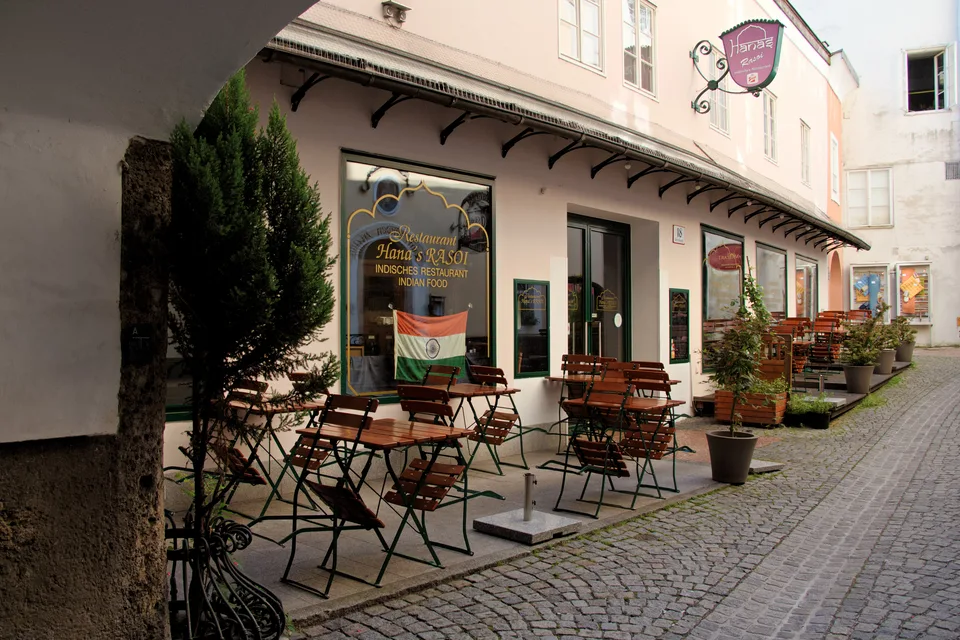
The tourism authority’s culinary overview introduces several useful starting points. Salzburger Nockerl is a light, peaked dessert; Bosna combines grilled sausages with a bread roll and condiments; Mozartkugeln connect confectionery with the city’s musical identity. Ask about portions and ingredients rather than assuming similarly named dishes are identical everywhere.
The Schrannenmarkt around St Andrä Church and Mirabellplatz normally operates on Thursdays, 5am–1pm, selling regional food, flowers and other goods. Holidays can move it to another day, with special Christmas rules. It can make a useful morning stop without becoming a promise that every stall will be present or accept the same payment methods.
Shop with a purpose and keep the budget transparent
Getreidegasse and its passages invite browsing, but the practical purchase is one you can assess and carry home. Compare confectionery by producer and packaging, and ask about ingredients when buying gifts. For clothing, crafts or jewellery, establish the material, return terms and total price before paying.
Build your trip budget from confirmed accommodation and transport costs, then add selected attractions and meals. At published standard adult rates, the combined Mozart museum ticket of €25 plus Hellbrunn’s €16.50 totals €41.50. That is an example admission subtotal, not a recommendation to fit both into a particular day or a complete daily spending estimate.
Compare any card against current inclusion rules, opening days and your likely pace. Leave a separate allowance for a concert if that matters to you. Residents should make a different budget covering rent, heating, electricity, insurance and commuting, rather than multiplying a holiday food allowance into a household estimate.
Let the season shape the itinerary
Salzburg offers different visits across the year. Gardens and longer outdoor outings can feature more strongly when conditions suit, while winter planning needs shorter daylight, warm clothing and attention to surfaces. Check the forecast close to travel and leave an indoor option available instead of relying on a picture of clear mountain skies.
The tourism authority’s autumn guidance highlights museums, walks and cultural events, but an event mentioned on a seasonal page still needs its own confirmed date. Equally, a summer festival or Christmas market should not be treated as a permanent attraction operating throughout the year.
Attractions impose their own seasonal limits: Hellbrunn’s fountains close after their published season, Mirabell has winter restrictions and fortress access changes during maintenance. Before choosing dates, identify which experience is essential. If everything depends on one seasonal attraction or performance, confirm it first and choose accommodation terms that reflect the remaining uncertainty.
A realistic three-night introduction
On arrival day, keep the first walk local: Mirabell and the river from a right-bank base, or the cathedral squares from the Old Town. Have dinner nearby and leave the substantial museum visit for a day when travel has not consumed your attention.
Use the first full day for the historic core and fortress, adjusting around the maintenance dates. Choose one museum or the DomQuartier rather than adding every interior. On the second full day, visit your preferred Mozart museum, leave time for a café or market, and choose either Hellbrunn in season or a suitable hill walk. Put a concert into the evening only if the timetable remains comfortable.
Protect departure day for the onward journey. With an extra night, add an excursion rather than squeezing one into the same programme. People assessing a move can use that additional day for property viewings, a commute test and ordinary grocery shopping.
Investigate housing as a resident
Choose a temporary base while you compare homes with the journeys that will structure daily life. A location close to a visitor attraction may be inconvenient for a workplace or school. Walk the street at different times, test the useful bus connection and check storage, laundry, internet availability and bicycle or car parking.
Request a written breakdown of rent, operating charges and heating arrangements. Establish the deposit, payment schedule, maintenance responsibilities and termination conditions. Inspect the property and document its condition at handover. Do not send a deposit merely because a listing uses attractive Salzburg photographs.
The city’s municipal housing allocation information sets out a separate application process and eligibility framework. It should not be read as a guarantee of immediate housing for a new arrival. Compare the private market and any employer or student accommodation options using current, written terms. A tenancy agreement also serves a different purpose from immigration permission.
Set up the household and complete address registration
For a move into a home, Austria’s address-registration guidance specifies registration within three days of taking up accommodation, subject to the applicable exceptions. Prepare the required signed form or establish whether you can use an eligible online service. Hotel guest registration and a resident’s move into a dwelling should not be confused.
Salzburg AG’s moving guidance identifies practical utility details such as the address, start date, meter number and reading. Record readings at handover and clarify which bills you must arrange yourself. Heating, building charges and electricity may be handled differently under the individual agreement.
The province’s healthcare information helps identify services, but confirm insurance eligibility, provider access and charges for your circumstances. Families should establish school places and transport before committing to a distant address. Keep immigration documents, housing records and account details organised; completing one administrative step does not automatically complete the others.
Distinguish visiting, employment, study and settlement
Check the Austrian Foreign Ministry’s visa guidance for your nationality and purpose. A Schengen short stay generally operates within a 90-days-in-180 framework, with visa requirements depending on nationality; it does not provide general employment permission. EU, EEA and Swiss citizens have a different legal position from third-country nationals.
On 15 October 2026, the official EU ETIAS website states that ETIAS is not operating and applications are not being collected. Recheck that site before travel rather than paying a service based on an assumed launch date.
For work and longer residence, use the Austrian government’s migration platform. The Red-White-Red Card has eligibility conditions and can be tied to a specified employer; its settlement purpose does not mean immediate unlimited permanent residence. Students should consult OeAD’s entry and residence guidance with their institution. Address registration is separate from these permissions. VisaWand’s consultant directory can help you identify advisers and questions to investigate.
Choose an excursion for the landscape you want
The official excursion overview distinguishes nearby outings from trips needing a fuller day. A mountain visit, an ice-cave excursion and time in another town require different clothing, access checks and transport plans. Do not assume that seeing mountains from Salzburg makes every alpine attraction a quick extension of a city walk.
For a quiet base outside the core, investigate the surrounding communities and test the complete journey back. For a broader city itinerary, compare the completed Vienna guide or Munich guide, allowing enough nights for the additional destination. Check ticket coverage on cross-border journeys independently.
Use the Austria location directory to find other places to research and the Austria destination page for relevant consultation options. Salzburg works particularly well when you resist turning every free afternoon into a distant excursion: another walk, collection or concert can justify staying in the city itself.
Official planning resources
Reviewed 15 October 2026. Use the official resources linked throughout this guide for admission, transport, housing and immigration decisions. Prices, services and rules can change; confirm the details relevant to your dates. Photography illustrates the locations and is not a live view.
View all official resources
- UNESCO: Historic Centre of the City of Salzburg
- Salzburg Tourism: Guest Mobility Ticket
- Salzburg Verkehr: Guest Mobility Ticket
- Salzburg Tourism: Salzburg Card prices
- Salzburg Airport: public transport
- Hohensalzburg Fortress: opening hours and maintenance
- International Mozarteum Foundation: Mozart Residence
- Mozarteum Foundation: museum accessibility and visitor rules
- Hellbrunn Palace: 2026 opening, prices and access
- Salzburg Tourism: Mirabell Palace and Gardens
- DomQuartier Salzburg: visitor information
- Salzburg Tourism: local food classics
- Salzburg Tourism: Schrannenmarkt
- Salzburg Tourism: autumn visits
- Salzburg Tourism: Kapuzinerberg
- Salzburg Festival: official programme
- Salzburg Tourism: arrival and mobility
- Salzburg City Archives: neighbourhood names
- Salzburg City: municipal housing allocation
- Salzburg AG: moving and utility accounts
- Austria government: registering a home address
- Austria Foreign Ministry: visas and entry
- European Union: official ETIAS information
- Austria migration platform: work and residence routes
- OeAD: entry and residence for students and researchers
- Salzburg Province: healthcare services
- Salzburg Tourism: excursions beyond the city
- Salzburg Tourism: surrounding communities
Plan the next part of your journey
Explore the Austria guide, browse other cities or compare consultants for your travel and relocation questions.