Visa
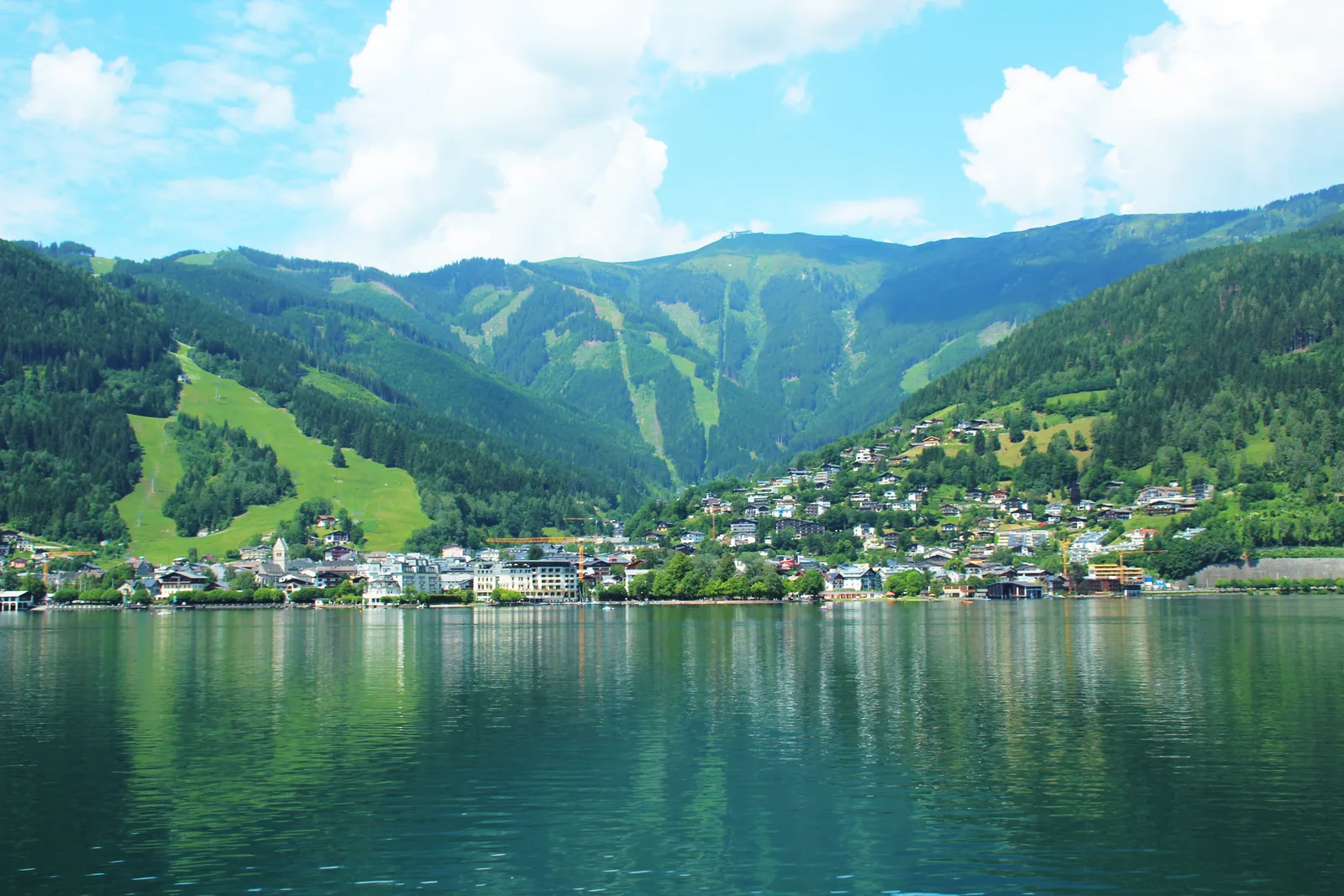
Choose Zell am See for a lake-and-mountain stay
Zell am See makes an unusually persuasive case for travelling without a car: arrive at the station, leave your luggage at a central hotel and spend the evening beside a mountain lake. Its appeal comes from that close relationship between town, water and slopes. You can build a visit around gentle waterfront time, a mountain excursion or skiing, but the season determines which combinations actually work.
This is a small Austrian town in Salzburg province, rather than a miniature version of Vienna. Kaprun is a separate neighbouring base within the jointly marketed holiday region. Schmittenhöhe belongs to Zell am See's immediate mountain landscape; the Kitzsteinhorn glacier excursion is associated with Kaprun. Treating those names as interchangeable can produce inconvenient accommodation and transport choices.
The best first decision is therefore practical: choose the experiences you want, check their operating dates, then select a base. A spectacular photograph cannot tell you whether a particular lift, museum or boat will be running during your stay.
Find the older town behind the resort
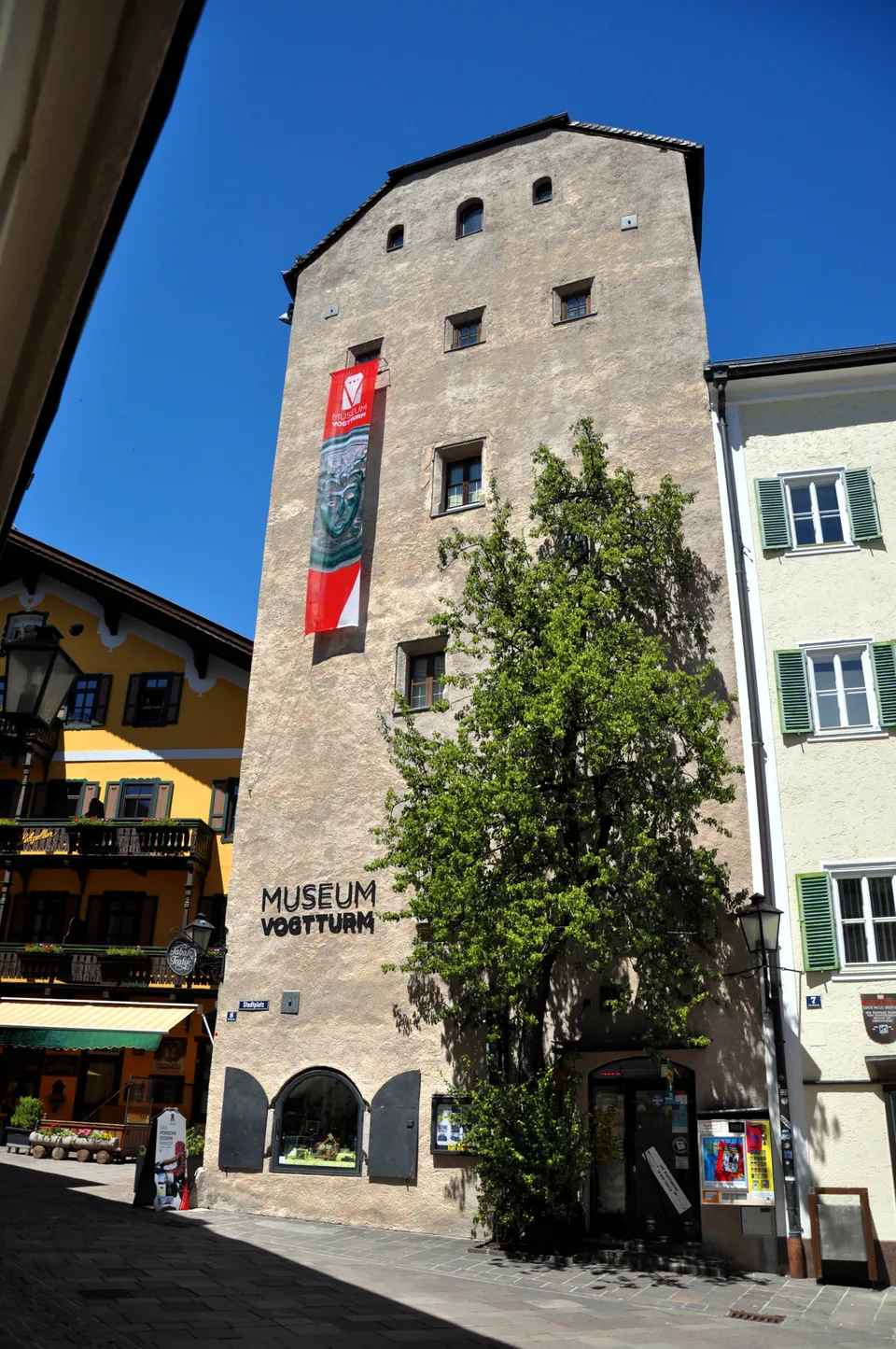
The regional tourism board's historical overview traces Zell's records to the eighth century and its town status to 1928. Around the Stadtplatz, the parish church and Vogtturm give the centre an identity that predates today's outdoor holiday economy. Looking at those buildings before heading uphill makes the town feel more substantial than a collection of hotels beneath ski slopes.
Walk through the centre at an unhurried pace, then continue towards the waterfront. The transition is part of the attraction: a compact historic core leads into a much larger landscape. The pedestrian area is useful for exploring, although it should not be confused with a claim that the whole municipality is car-free.
For visitors, this scale rewards a flexible approach. You need not fill every hour with paid attractions. A museum visit, a lakeside pause and a meal can make a satisfying first afternoon, particularly after a long journey or before an early mountain start.
Pick a base by the journeys you will make
The centre suits travellers who want the station, old-town streets and waterfront within their daily routine. Check the precise hotel entrance and walking route rather than relying on a search result labelled central. Ask about railway or road noise, luggage storage and step-free access if those details will influence your stay.
Thumersbach lies on the eastern shore, while Schüttdorf and Seespitz are to the south. The tourism board's Lake Zell overview identifies their respective lidos. These are useful geographical anchors when comparing addresses: a lake view across the water does not mean a short walk to the old town. Compare the available bus journey and its last return with your evening plans.
Accommodation towards mountain lift terminals can be attractive for a particular activity, but verify which terminal your ticket or lesson uses. Kaprun deserves consideration when your plans concentrate there. Choose it deliberately, with the transfer to Zell included in your calculations, rather than assuming that a regional booking label describes one continuous town centre.
Use Vogtturm for a closer look at local history
Museum Vogtturm offers a useful counterweight to a holiday spent looking at distant peaks. Its position on the Stadtplatz makes it straightforward to combine with the old town. Check the museum's own opening and admission page before reserving a rainy afternoon: the schedule changes across the year, and the building has no lift.
At the October 2026 check, adult admission was €10, with separate youth, concession and family rates. The published autumn schedule runs Wednesday to Sunday, 13:00–18:00, through 31 October 2026. November is closed, and April 2027 is also listed as closed. December and winter dates have their own arrangements; this is not a year-round five-afternoon timetable.
That distinction matters for accessibility and planning alike. Someone who cannot comfortably manage stairs should ask the museum about what is feasible before making the journey. A valid participating Summer Card provides admission under the museum's listed conditions, but possession of a card does not override a closure.
Give Lake Zell enough time
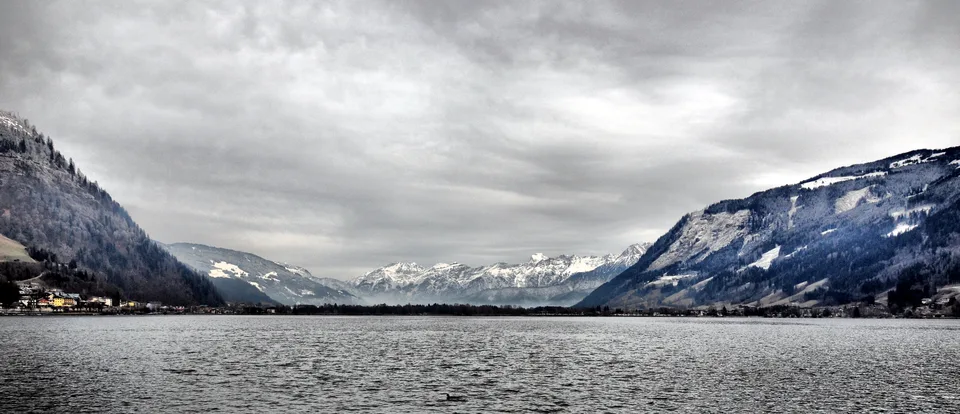
There are several ways to enjoy the lake, and they demand different levels of effort. A short waterfront walk works well on an arrival day. The full circuit is a separate undertaking: the tourism board gives approximately 11.2 kilometres and around two-and-a-half to three hours on foot. Allow longer for stops, photographs and any conditions that slow your group.
For swimming, compare a serviced lido with a simpler public access area. The official lake page identifies free swimming areas at Wieshof and Erlberg, alongside the three lidos. Facilities and supervision should be checked for the specific place and date; free access does not establish that conditions are suitable for everyone.
Winter photographs require particular caution. Snow beside the shore, or a picture of ice from another year, says nothing about present safety. Keep winter sightseeing on appropriate open routes and obtain current local instructions before considering any activity on frozen water. A scenic setting should never be mistaken for an assessment of the lake surface.
Plan Schmittenhöhe around the actual lift
Schmittenhöhe is a natural choice when you want a mountain day without organising a distant excursion. Decide whether you want a viewpoint visit, a manageable walk or a more demanding route before buying transport. Those are different outings, even when they begin with the same cable car journey.
The operator's 2026 summer operating schedule shows why the terminal matters. Schmittenhöhebahn is scheduled daily from 09:00 to 16:00 between 5 October and 1 November 2026, while cityXpress and areitXpress have summer closing dates in September. A lift near your hotel may therefore be closed while another is operating elsewhere.
Use the operator's current status information on the day, particularly when visibility, wind or fresh snow could change your plans. Check the last descent before walking away from a station. Mountain footwear, layers and an achievable turnaround time are more useful than treating the summit as an automatic extension of a town walk. Leave a lower-level alternative available if conditions are unsuitable.
Treat lake boats as a seasonal experience
A boat trip provides another perspective on the town and surrounding slopes, especially for travellers who prefer an easier outing to a long walk. Compare a panorama cruise with any scheduled crossing you are considering, since the purpose, departure point and return arrangements may differ.
The Schmitten operator publishes a seasonal boat schedule alongside its lift information. Its 2026 timetable includes reduced autumn departures and services listed into the beginning of November. That should not be read as a year-round transport promise. Confirm the date, boarding point, available sailing and ticket conditions before building a connection around a boat.
For a family or a group with mixed mobility, ask about boarding arrangements before purchasing. Weather can also change the value of the outing: a clear view across the water is a different experience from sitting through a cold, wet crossing. Keep the booking proportional to your priorities, and avoid packing a mountain visit and a tightly timed cruise into the same uncertain weather window.
Compare accommodation by the full price
Hotels, guesthouses and self-catering apartments suit different versions of a Zell am See stay. A central hotel can simplify a short rail visit; an apartment may be more useful when you want laundry, separate sleeping space or control over meals. Establish which facilities are actually inside your unit, rather than merely available somewhere in the building.
Request a final quote that identifies local charges, parking, breakfast, cleaning and cancellation conditions. For an apartment, check linen, kitchen equipment, rubbish disposal and the arrangements for a late arrival. An attractive nightly rate becomes less useful if essential extras appear only after you commit.
In summer, ask whether the property participates in the regional card scheme and whether its contribution is already included in the quoted amount. In winter, check storage and drying facilities, the journey to your lesson meeting point and whether a transfer requires booking. These concrete questions usually reveal more than broad descriptions such as ski-friendly, lakeside or convenient for everything.
Understand the Summer Card before comparing deals
The Zell am See-Kaprun Summer Card is issued through participating accommodation and cannot be bought independently. Its published season is 15 May to 31 October. That makes accommodation choice relevant to excursion costs, although the final comparison should use an inclusive room quote rather than assuming that every card-related charge disappears.
Peak-season rules also affect short visits. From 15 July to 15 September, the card starts at 15:00 on arrival day, and four specified attractions are available only from the second day. Read those conditions before planning your most expensive excursion immediately after check-in.
The card's listed inclusions and discounts are not identical. Special rides, ski lifts and use with winter sports equipment are excluded from its general mountain offer; the 3K K-onnection also has a separate treatment. Check each intended attraction. For a brief stay, calculate the experiences you will actually use instead of assigning value to a long list you cannot reasonably fit into the trip.
Arrive by rail or make the airport connection explicit
The official arrival page places Zell am See's railway station in the town centre and links to the ÖBB journey planner. Search the complete journey for your actual date, including changes and onward travel to the accommodation. Do not assume that a direct service advertised for one season operates for every departure you find.
For flights, Salzburg Airport offers a clearly documented public transport option. The airport's transport information identifies bus 260 from the terminal towards Zell am See via Bad Reichenhall, Lofer, Saalfelden and Maishofen. Check the current timetable against your landing time, allowing for baggage collection and disruption before selecting a departure.
Another option is travelling from the airport to Salzburg's main railway station and continuing by train. Compare the whole journey with the direct bus, including waiting time and luggage handling. If booking a private transfer, obtain a written total and the late-flight policy. Avoid assuming that a holiday region's local airfield offers the scheduled passenger flight you need.
Separate public transport from mountain tickets
The Salzburg Verkehr Guest Mobility Ticket covers eligible public transport during an overnight visitor's stay in Salzburg province. It is issued through accommodation. Have the valid ticket available before boarding, and ask your host about issuing it in advance if you hope to use it for arrival; a reservation confirmation alone should not be treated as a transport ticket.
The tourism board's local ticket guidance distinguishes this product from the Summer Card. Cable cars are not covered, and exclusions include special or steam trains and night buses. Bicycle carriage and seat reservations also need separate attention. A journey extending beyond the covered territory may require an additional fare.
For everyday planning, check the final connection as carefully as the outward one. A convenient morning bus does not establish an equally convenient evening return. Keep a usable offline copy of tickets and your accommodation address, and consider battery life if several people depend on one phone. Those details matter especially after skiing or a long excursion.
Budget for the activity that brought you here
The largest avoidable budgeting error is paying for mountain access you do not use. The official 2026/27 ski-pass table lists an adult main-season day ticket at €82 and six days at €440, with different seasonal rates and a €2 refundable keycard deposit. Confirm the dates and category before purchase; this is a dated winter reference, not a universal price for any mountain journey.
Equipment hire, instruction, food and insurance sit alongside the lift pass. Price the combination for your household, including any non-skiers, rather than multiplying a headline ticket alone. A sightseeing day and a full ski day need different allowances.
Keep an inexpensive alternative in the schedule: an appropriate lakeside walk and time in the old town can balance paid excursions. There is no reliable single daily budget for visitors with such different accommodation and activity choices. A short itemised plan, based on current quotes, will be more useful than a confident but unsupported average.
Eat regionally without relying on invented favourites
Cheese is a useful starting point for understanding local food. The Kitzsteinhorn operator's regional producer information describes Pinzgau cheese from Zell am See's Augut farm being used in Kasnockn and Kaspressknödel. These dishes offer a concrete connection between the agricultural landscape and the food served in the region.
Choose places by a current menu, opening hours and the kind of meal you want. A mountain restaurant may suit a day's outing, while a town meal avoids making dinner dependent on a last descent. Confirm ingredients if you have dietary requirements: a cheese-based dish can still be accompanied by meat stock or other ingredients you need to avoid.
For shopping, separate useful provisions from souvenir browsing. An apartment kitchen makes breakfast and a packed lunch practical only if you can obtain supplies when you arrive. Check opening hours before a late or holiday arrival, and ask whether the accommodation can help with an initial food delivery or breakfast arrangement.
Choose dates for your preferred landscape
Summer suits visitors concentrating on the lake, open walking routes and seasonal excursions. Winter calls for a more specific decision about skiing, instruction and conditions. Neither season guarantees the weather shown in promotional photographs, and the town's conditions should not be assumed to match those at higher elevations.
Autumn can be particularly attractive for quieter walks and changing colour, but it needs careful checking. The tourism board's October guidance warns that not all mountain huts remain open, daylight is shortening and early snow can affect routes. It also makes Kitzsteinhorn skiing conditional on sufficient snow, rather than promising an identical start every year.
Use the mountain forecast and current operating information shortly before each outing. A flexible booking can be valuable when a particular view or outdoor activity is the main reason for travelling. In the transition between summer and winter operations, verify each attraction individually; cheaper accommodation does not compensate for finding your principal activity closed.
Build a realistic three-day visit
On day one, arrive, settle in and explore the old town and nearby waterfront. Add Vogtturm only if its opening schedule fits and everyone can manage the building. Keep the evening simple so that an airport delay does not unravel a prepaid programme.
Use the clearest suitable day for Schmittenhöhe. Choose an outing matched to the group's ability, confirm the last descent and leave enough time to return comfortably. If cloud or wind makes the plan unattractive, exchange this day with the lower-level programme rather than persisting simply because it appeared first on the itinerary.
Devote the remaining day to the lake: choose a short walk, an operating cruise or swimming when conditions and facilities suit. A full circuit needs its own time allowance. Travellers particularly interested in Kaprun can substitute a researched excursion there, but should resist adding it on top of everything else. For a winter visit, replace this summer-oriented plan with realistic ski and recovery days.
Test an ordinary week before moving
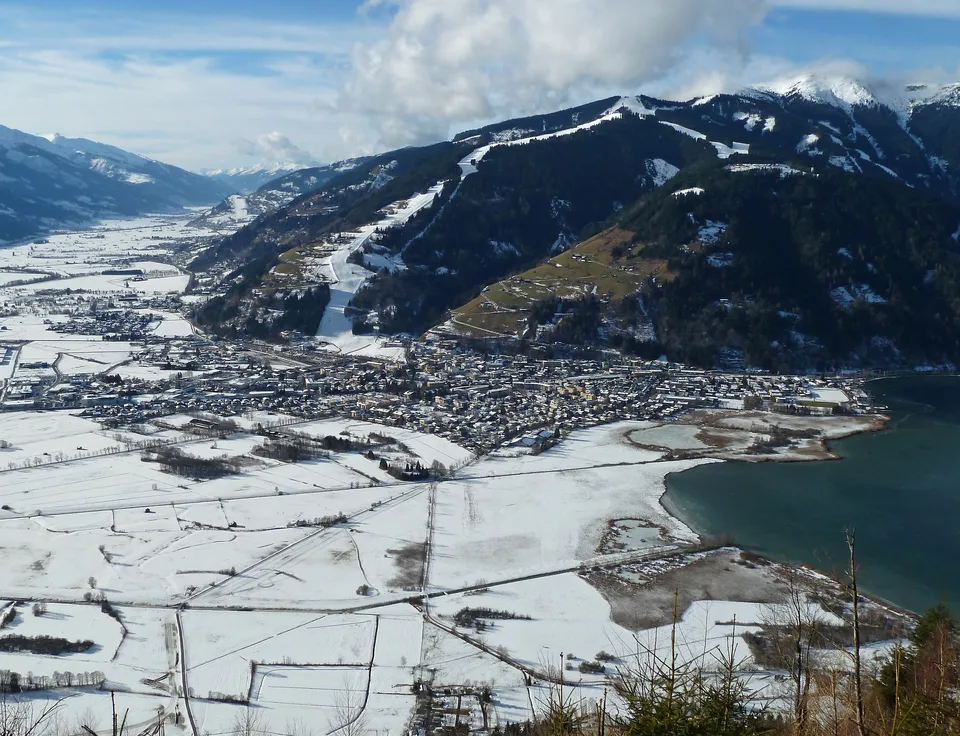
Moving to Zell am See requires a different assessment from booking a holiday. Test the journey from a prospective home to the actual workplace, childcare, shops and medical appointments. Repeat the exercise for winter conditions and your normal working hours; a convenient visitor schedule may not suit an early or late shift.
For housing, request a written breakdown of rent, operating charges, heating, electricity, deposit and any parking cost. Establish the tenancy period, permitted use, furnishing and whether the accommodation provider will complete the necessary residence paperwork. Holiday accommodation should not automatically be assumed suitable for an indefinite household move.
No verified local rental median is offered here. Compare current properties with the same size, location and contract type, then inspect the shortlist. Check insulation, ventilation, laundry, internet availability, storage and access when carrying groceries. A desirable view deserves to sit beside these everyday considerations rather than replace them. Confirm school or childcare availability directly before committing to a family move.
Arrange registration and essential services separately
Austria's residence-registration procedure generally requires registration within three days of moving into a dwelling. The accommodation provider signs the Meldezettel, and registration follows actual occupation. This address procedure is separate from immigration permission. First-time arrivals should also note that the online service requires previous registration in Austria.
Record meter readings and clarify which services you arrange yourself. The municipal Stadtwerke page provides local water and sewer contacts; it should not be read as a universal electricity-contract service. Ask about waste collection, heating billing and internet installation for the exact address before moving day.
For healthcare, identify an appropriate regular provider and check insurance arrangements for your status. The Tauernklinikum emergency page lists ambulance emergencies on 144 and the out-of-hours GP service on 141. Arrange ongoing prescriptions and records in advance. Visitors and residents should establish coverage rather than assuming that treatment, mountain rescue or repatriation is included merely because a hospital is nearby.
Match immigration permission to the purpose
The Austrian Foreign Ministry's visa guidance distinguishes tourism from employment. Depending on nationality, a short visitor stay may require a Schengen visa or qualify for visa-free entry, generally within the 90-days-in-180 limit. Previous Schengen travel matters. Visitor permission is not permission to take a job, and a longer national visa is not a general work authorisation.
For third-country nationals, the federal migration portal describes work and residence categories, including the employer-specific Red-White-Red Card. Eligibility depends on the route. Its temporary validity should not be confused with an unconditional right to permanent settlement. Confirm the correct process before relocating or starting employment.
EU, EEA and Swiss nationals should read the separate residence rules, including qualifying conditions for stays beyond three months and the registration-certificate application within four months of arrival. For study, use the student-residence guidance: admission and the appropriate status matter, and third-country student employment requires the relevant permit. VisaWand's Austria country guide and Austria consultant listings can help structure questions for an individual assessment.
Compare other bases before adding more journeys
Kaprun makes sense as an alternative when its mountain experiences dominate your plans. Salzburg offers a different balance of city culture and onward connections; VisaWand's existing Salzburg city guide can help compare a combined trip. Innsbruck is another distinct Alpine city, covered in the Innsbruck city guide, rather than a neighbourhood or casual extension of Zell.
Use the Austria destination directory to explore additional locations, then check the actual journeys before dividing a short stay. Every change of base brings packing, connections and check-in time. A few well-chosen days beside the lake can be more rewarding than an ambitious circuit that leaves little time outdoors.
Official planning resources
Reviewed 24 October 2026. Use the official resources linked throughout this guide for admission, transport, housing and immigration decisions. Prices, services and rules can change; confirm the details relevant to your dates. Photography illustrates the locations and is not a live view.
View all official resources
- Zell am See history – official regional tourism board
- Lake Zell and swimming areas – official tourism board
- Museum Vogtturm opening hours and admission
- Schmitten lift and lake cruise operating dates 2026
- Summer Card – official regional tourism board
- Arrival – regional tourism board
- Salzburg Airport public transport
- Guest Mobility Ticket – Salzburg Verkehr
- Guest Mobility Ticket – official tourism board
- Ski ALPIN CARD 2026/27 prices – official tourism board
- Regional food producers – Kitzsteinhorn operator
- October conditions – official regional tourism board
- Registering an Austrian residence – Federal Ministry of the Interior
- Stadtwerke Zell am See – municipal services
- Tauernklinikum emergency services
- Visa categories – Austrian Foreign Ministry
- Work and residence routes – Austrian federal migration portal
- EU/EEA/Swiss residence – Federal Ministry of the Interior
- Student and temporary residence – federal migration portal
Plan the next part of your journey
Explore the Austria guide, browse other cities or compare consultants for your travel and relocation questions.