Visa
A city for palace rooms and ordinary neighbourhood days
Munich rewards a visit that leaves space between the grand interiors. You can spend a morning among the Residenz’s painted ceilings, eat somewhere beyond the busiest square, and finish with a walk through the English Garden. Its appeal includes royal architecture and substantial museums, but also the ease of combining culture with a quieter outdoor afternoon.
The Bavarian capital is in southern Germany, with the Isar running through the city. The official Munich overview provides an introduction to that setting. Distinguish a city break from a mountain holiday: reaching a lake or Alpine destination adds a separate journey. For a possible move, make the same distinction between enjoying central Munich and managing a particular home, workplace and household budget.
History deserves more than a royal postcard
Munich’s documented beginnings are associated with 1158 and Duke Henry the Lion’s bridge customs over the Isar. Its name recalls a settlement near monks. Centuries as a residence of the Wittelsbach rulers left an architectural inheritance that visitors encounter at the Residenz and Nymphenburg. Nineteenth-century cultural development and reconstruction after wartime destruction also shaped what stands today.
Those buildings tell only part of the story. Munich’s role in National Socialism requires its own attention. The Documentation Center’s account of the Brown House explains the Nazi Party headquarters at its historic site. Allow time for that history alongside the court collections; the city becomes more intelligible when its difficult past receives the same seriousness as its decorative achievements.
Choose a district around the days you will actually have
Use the official district guide to give your shortlist some shape. Altstadt puts the historic centre around Marienplatz within easy reach. Maxvorstadt suits an itinerary involving museums and university surroundings. Schwabing offers another direction for cafés and access towards the English Garden. Haidhausen, across the Isar, provides a different residential setting, while Gärtnerplatz and Glockenbach are relevant to evening dining and nightlife.
These are starting points, rather than promises about every street. A room facing a busy late venue can feel different from one around the corner. Match the exact address to the station, walking route and places you intend to use. For a relocation visit, include an ordinary supermarket, the return commute and an appointment outside the sightseeing centre. A neighbourhood’s reputation cannot answer those practical questions for a particular household.
Start with Marienplatz, then leave the square
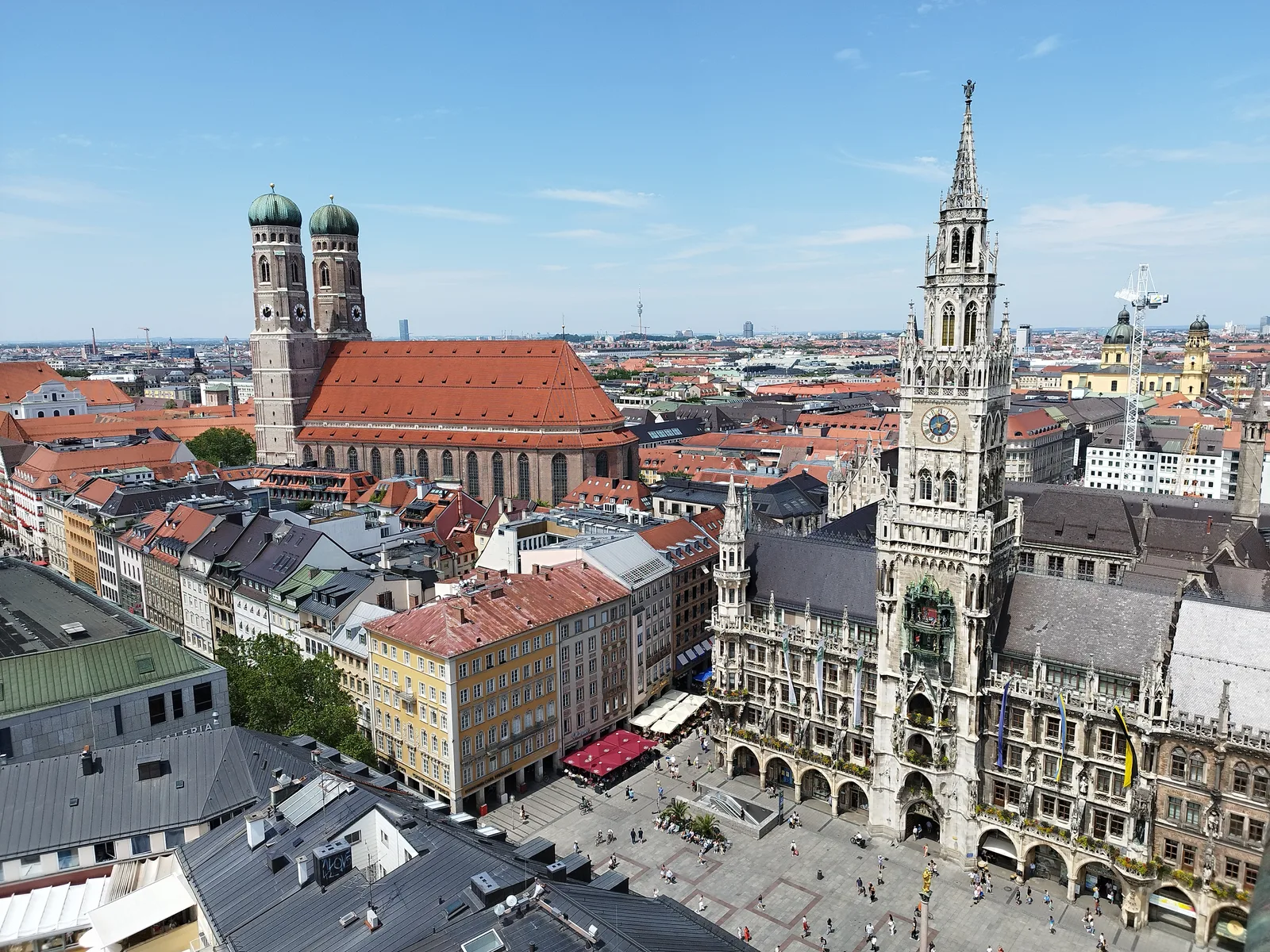
Marienplatz is a useful first orientation, with the New Town Hall and streets leading into the old centre. The official Marienplatz information lists the Glockenspiel performances at 11am and noon, with an additional 5pm performance from March through October. Build a short pause around it rather than spending an entire morning waiting for a clock.
Continue at a pace that permits looking into courtyards or stopping for a meal. Church access, tower admission and a guided town-hall visit are separate arrangements. Decide which interior or viewpoint matters before adding another ticket. The skyline photograph in this guide dates from July 2023; it illustrates the setting rather than current works or crowd conditions.
The Residenz: choose the collection before the ticket
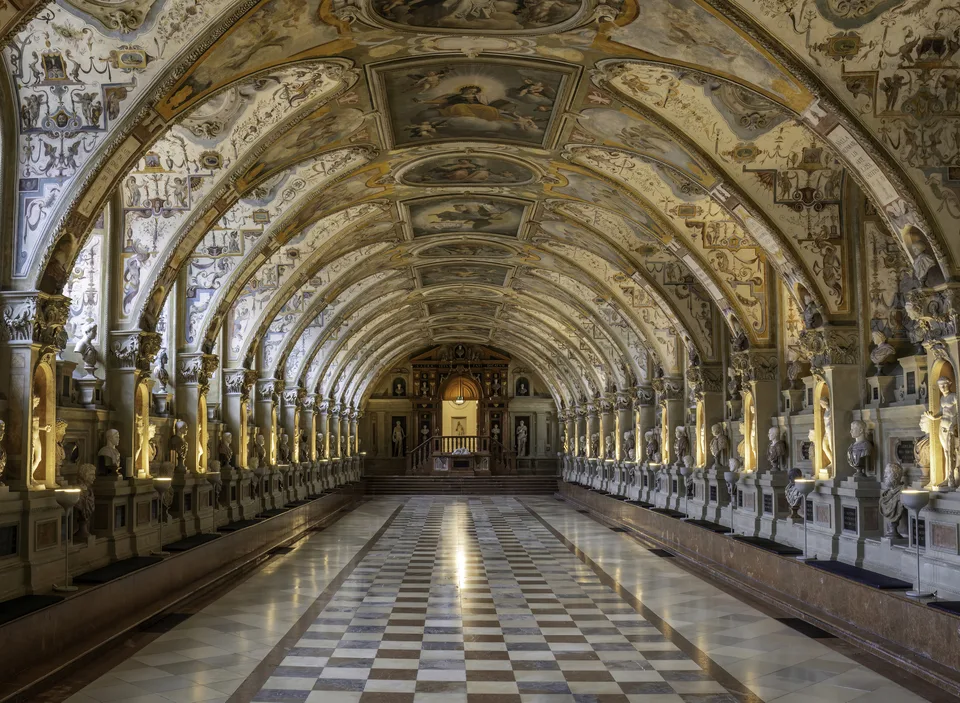
The Residence Museum makes a substantial visit on its own. Its 2026 admission information lists €10 regular entry, or €15 for the museum and Treasury together. The Cuvilliés Theatre has a separate €5 ticket; the three-part combination costs €20. Children under 18 enter free, while those under 14 need an adult supervisor. Check eligibility documents for concessions.
Opening patterns differ too. The museum and Treasury normally open 9am–6pm through October 25, then 10am–5pm from October 26, with last admission an hour before closing. The theatre follows its own timetable. Use the Residenz opening calendar, including holiday closures, instead of assuming one schedule covers every component. Choose enough time for the rooms that interest you and a break afterwards; buying the broadest combination is poor value if the last part becomes a hurried obligation.
Deutsches Museum: plan by visit date, not booking date
On the Museumsinsel, Deutsches Museum covers science and technology through substantial permanent exhibitions. The museum’s visit planner places its entrance beside Corneliusbrücke and identifies Isartor and Fraunhoferstraße as nearby rail access points. Choose a few subjects that interest your group rather than treating the whole institution as a checklist.
The admission table lists adult entry at €16 through October 31, 2026, rising to €18 from November 2. Reduced day tickets rise from €9 to €11 and family tickets from €33 to €40. The family category covers up to two adults with their own children aged 17 or younger; children under six remain free. A future visit booked now uses the rate applicable to that visit.
Normal hours are 9am–5pm, but the museum’s closure calendar includes November 1 and a full exhibition closure on November 11, 2026. Check the calendar before fixing a museum day, especially around public holidays.
Nymphenburg changes with the season
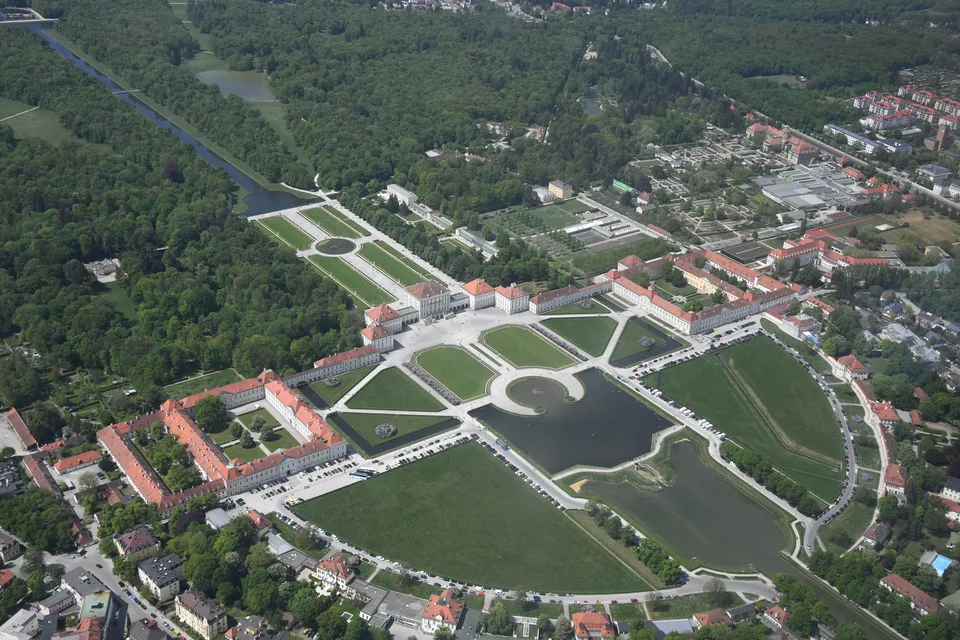
Nymphenburg is a palace-and-park outing with several distinct admissions. The palace’s ticket information lists €10 regular palace entry. The wider combination costs €20 from April 1 to October 15 and €16 from October 16 to March 31. It includes the Marstallmuseum and porcelain collection, with the park palaces included only during their opening season.
The published opening schedule makes the winter difference explicit: the palace and Marstallmuseum move from 9am–6pm to 10am–4pm on October 16; the small park palaces close until spring. The palace itself requires a timed ticket, while the Marstallmuseum and park buildings do not. Online palace tickets can be bought up to the day before visiting, and onsite availability can run out.
Check park-gate hours separately. A winter walk and an extensive summer visit are different propositions. The aerial photograph here shows the grounds in April 2018 and helps explain their scale; it does not imply that every building or fountain will operate on your date.
The English Garden is an outing, not an interval
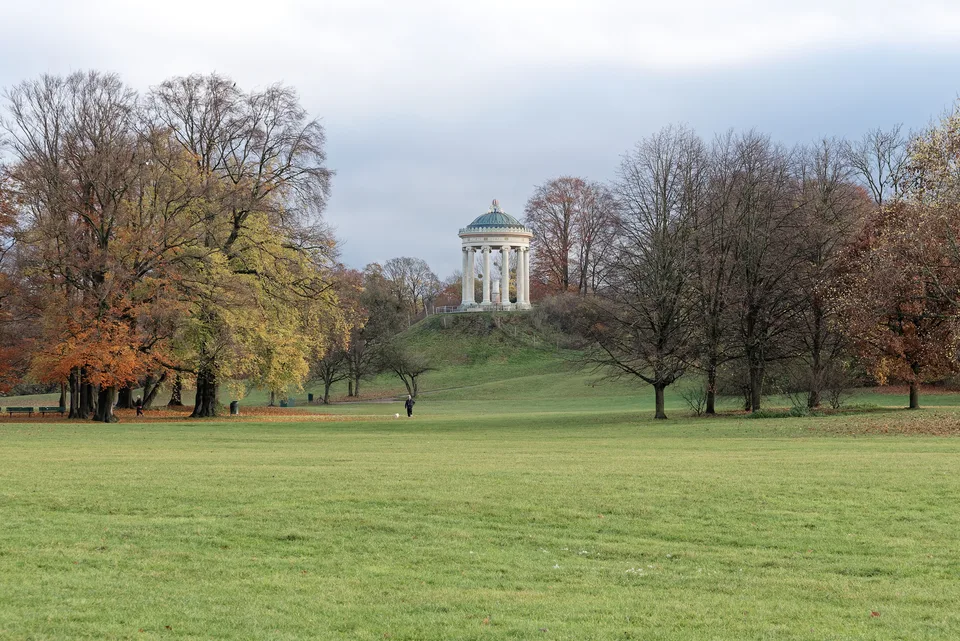
The official English Garden guide describes a public garden established in 1789, with access from U3 and U6 stations including Universität, Giselastraße and Münchner Freiheit. Select an entry point and a manageable section instead of expecting to cover the entire park between museum appointments.
The Monopteros and open lawns give a useful change from the old centre’s interiors. A walk can be shortened, extended or exchanged for an indoor activity when conditions change. Keep cycle routes and other users in mind, and check current notices for any particular facility or activity. The photograph’s autumn trees date from November 2025; seasonal colour and weather will vary. For prospective residents, returning to a park near the shortlisted home can also reveal how easily an outdoor break fits into a normal working day.
Make room for the Documentation Center
The municipal Munich Documentation Center for the History of National Socialism offers free exhibition admission. Its visitor guidance lists Tuesday–Sunday, 10am–7pm, and opening on public holidays even when they fall on Monday. Individual visitors do not need a ticket or advance booking; larger groups have different arrangements.
Some material concerns violence and may disturb younger visitors. Read the age-appropriate media-guide options before bringing children. Approach the exhibition as a serious visit with time to absorb its arguments, rather than a convenient free stop to fill an hour. It provides context that a palace tour cannot supply, and can anchor a day around Maxvorstadt without adding another paid attraction.
Accommodation: the station name is only the beginning
The official accommodation directory includes hotels and guesthouses across Munich. An Altstadt base suits a short historic-centre visit; staying near Hauptbahnhof can simplify a rail arrival. Maxvorstadt, Schwabing or Haidhausen may fit a more neighbourhood-focused stay. Compare the actual route from the property to a useful station rather than a broad claim that it is central.
Calculate the full booking total, breakfast, parking if needed and cancellation terms. Ask about stairs, lifts, room orientation and any access requirement that matters to your party. For several nights, laundry or cooking facilities may be more useful than another hotel amenity. If temporary accommodation is intended as the first address after a move, confirm whether the host can supply the required registration confirmation. Holiday availability alone does not establish that a property meets your administrative needs.
Airport connections: check the disruption notice first
Munich Airport’s transport page describes the normal S1 route through the west and S8 through the east, with approximately 40 minutes to the main railway station. That is an operator estimate for normal service, not a guarantee for an arrival with baggage or a connection.
As checked on October 14, 2026, the airport warns that direct trains are suspended from October 12 at 11:30am until October 16 at 5am because of construction. Replacement buses serve the affected sections. Check the live connection for your terminal and destination, and allow additional time. Travelling after those dates still warrants a fresh service check.
The Airport-City-Day-Ticket covers zones M–5. Current prices are €17.50 single or €32.60 for a group of two to five people, with specific child-counting rules. It lasts until 6am the following morning. A city-only Zone M ticket is insufficient for the airport journey.
Local tickets: compare the journeys, then validate correctly
The 2026 MVV tariff lists a standard adult Zone M single journey at €4.20. The single-day ticket for Zone M costs €10.10. Two full-price singles total €8.40, so do the arithmetic for your itinerary before buying a day ticket. More journeys, a wider area or accompanying children can change the comparison. For later visits, consult MVV’s announced January 2027 tariff changes, including a €10.80 Zone M day ticket.
The day ticket is valid until 6am the following day, rather than for a rolling 24 hours. It covers the selected area across the relevant local transport modes. MVV’s current rules allow accompanying children aged six–fourteen under specified family and group limits; check the product for your party rather than buying from an older family-fare summary.
Validation depends on the ticket. MVV instructs passengers to stamp tickets marked for validation before travelling; some purchase methods supply an already validated ticket. Check the printed instruction or mobile validity period. A payment receipt is not a substitute for a ticket valid for the journey you are making.
Rail arrivals, walking routes and access needs
For a rail arrival, DB’s München Hauptbahnhof information supplies station maps, live departures, replacement-service information and lift status. Plan the onward journey from the actual platform and exit, leaving time for luggage and orientation. A short interchange on paper can become inconvenient when a lift is unavailable or a platform changes.
Central sightseeing works well as clusters of walks and transit journeys. For an access requirement, check the whole route: station, street crossing, building entrance and room. Arrange rail boarding assistance with the operator when needed. A car may help a housing search across several locations, but compare parking arrangements and costs before making it the default for a city visit. Separate the case for a car on one excursion from the cost of keeping it throughout the stay.
Food and shopping beyond a souvenir stop
The official Bavarian food guide introduces dishes such as Weisswurst, roast pork and Obazda, the cheese spread associated with pretzels and beer-garden meals. Use it to understand a menu, then check the chosen restaurant’s own current offerings. Traditional dishes can contain meat, dairy or other ingredients that matter to dietary requirements; a familiar-looking name is not enough.
Mix a planned meal with a simpler bakery or grocery purchase when that suits the day. Confirm a beer garden’s ordering and seating arrangements rather than assuming the same rules everywhere. Neighbourhood shops can make browsing part of a walk instead of another dedicated journey. Check opening days before leaving essential shopping until the last evening, particularly around Sundays and holidays. For a longer stay, identify where groceries, household supplies and prescriptions will come from near the accommodation.
The official Viktualienmarkt guide adds a central market option for food shopping and a meal near the old centre. Browse before choosing, compare the stall’s displayed prices and confirm its opening time. Individual businesses and the market’s different services need not share identical hours.
Budget for what you will use
A Zone M day ticket and regular Residence Museum entry total €20.10 at the checked prices. That is a useful starting calculation, but it excludes accommodation, food, airport travel and other admission. The Residenz combination, a different museum date or travel beyond Zone M changes it immediately.
Obtain dated accommodation and restaurant quotes rather than relying on an unsupported city-wide average. Compare a visitor card against the admissions and transport actually included, not the number of discounts advertised. Keep a separate allowance for a lake or mountain excursion. For relocation, temporary lodging, deposits and setup costs belong alongside the first month’s recurring bills.
Seasons should shape the day’s balance
Munich’s seasonal visitor guidance describes different rhythms across the year. Warmer months offer longer outdoor possibilities, while winter calls for shorter walks, warmer layers and an indoor alternative. Rain can affect a palace park or lake outing in any season; use a forecast close to the visit rather than treating historical averages as a promise.
Festival dates also influence the decision. The official Oktoberfest information records September 19–October 4 for 2026, so the event is already over at this guide’s October review. Check the next edition’s announced dates before booking a festival trip. If the festival is not your purpose, compare accommodation availability for quieter dates. Christmas markets and other seasonal events deserve the same calendar check; normal museum opening hours do not automatically apply over the holidays.
A realistic three-day first visit
Day one: settle in, orient yourself at Marienplatz and choose a Residenz visit that fits the arrival time. Keep the first evening near your accommodation. A late flight makes a prepaid palace slot an unnecessary constraint.
Day two: spend the morning at Deutsches Museum, choosing a few exhibitions and a meal break. Add a manageable English Garden walk if the weather and remaining energy suit. Someone more interested in political history can substitute the Documentation Center and a Maxvorstadt outing. Check the relevant Monday and holiday arrangements before swapping days.
Day three: give Nymphenburg sufficient time for the palace and the outdoor section you want to explore. In winter, plan around the 4pm building closure and closed park palaces. With more days, add a lake excursion or another museum rather than compressing both into the departure morning. This is an editorial sequence, conditional on current openings, admissions and transport; leave the airport journey its own buffer.
Moving: compare the complete housing commitment
Start a housing search with the work or study address and a realistic commute. Test the route at the hours you will use it, including an evening return. A home farther out may suit the budget, but only if its transport and household arrangements work for the people moving there.
For regular journeys, the city’s Deutschlandticket price information lists €63 per month in 2026. MVV’s subscription conditions distinguish local and regional transport from excluded long-distance trains such as ICE. It is a personal monthly subscription, not a three-day visitor pass. MVV requires cancellation by the tenth for the current month’s end; check the chosen seller’s terms before a short stay creates another monthly payment.
Ask for the base rent, operating-cost payments, heating, electricity, internet and any compulsory extras separately. Confirm what is furnished and whether the kitchen equipment belongs to the tenancy. Inspect ventilation, windows, appliances and repair arrangements, and retain a dated handover record. The municipal Mietspiegel service explains the local comparative-rent framework and offers advice; it is not a guaranteed quotation for an available flat.
The German Civil Code’s deposit rule generally limits residential rental security to three months’ rent excluding separately stated operating costs. It also provides for three monthly instalments where the security is a cash sum. Read the actual lease and obtain advice on unclear terms before paying.
Registration and the first household arrangements
The city’s residence-registration instructions require people moving to take up residence to register within two weeks, subject to the applicable stay rules and exceptions. A passport or identity document and the landlord’s Wohnungsgeberbestätigung are central documents. Clarify this with a temporary host before relying on that address. Registration records where you live; it does not grant immigration permission.
SWM’s English customer service is a useful starting point for electricity, gas and water questions. Establish which accounts are yours and which charges run through the landlord, recording meter readings at handover. AWM’s English waste guidance explains Munich’s sorting arrangements; ask where your building’s bins and relevant recycling points are. Check internet installation, postal access and laundry arrangements early enough that the first working week does not depend on unresolved household services.
Health cover and family needs
The federal health-insurance guide distinguishes statutory and private arrangements and stresses continuous cover from arrival. Confirm eligibility, the start date and any interim policy with the relevant insurer or German mission. A visitor’s travel policy should not simply be assumed sufficient for an employment or study move.
Households with children can use the city’s school and education resources to resolve schooling or childcare alongside the address search, including language support and the documents needed for their circumstances. Check the journey to appointments and how essential prescriptions will be continued. Keep identification, insurance information, translated documents where required and important contacts accessible during the move. These arrangements need their own attention even when an employer or university helps with the initial arrival.
Immigration: match the route to the purpose
The Federal Foreign Office’s visa guidance distinguishes short visits from longer stays. Many third-country visitors need a Schengen visa; qualifying visa-exempt visitors generally follow the 90-days-in-180 limit. Check the rules for your nationality and previous Schengen travel, including the conditions attached to any visa already held. Tourist entry is not general permission to take a job or settle permanently.
Work and study routes have separate requirements. The official work-and-study explanation identifies nationality-specific exceptions and the different position of EU, EEA and Swiss citizens. Munich’s study-residence service describes the local process for that particular category. Permanent residence is a further status with its own eligibility, not a consequence of signing a lease. Use VisaWand’s Germany country guide for broader context and its consultant listings to compare professional assistance, verifying scope and credentials. Keep official application instructions as the reference for each household member.
Nearby places and another city to compare
The official day-trip guide provides options around Munich, including lake and mountain outings. Lake Starnberg offers a different day from another city museum; check the specific destination, seasonal services and return transport before adding it. A mountain excursion needs its own weather and equipment decisions rather than being treated as an ordinary urban walk.
For a different German city, VisaWand’s completed Berlin city guide provides a separate comparison. The Germany location directory identifies more cities and settlements, while Germany destination information links into country-level support. Choose an additional place because it answers a real interest or relocation question, and give it enough time to be more than a hurried transfer.
Official planning resources
Reviewed 14 October 2026. Use the official resources linked throughout this guide for admission, transport, housing and immigration decisions. Prices, services and rules can change; confirm the details relevant to your dates. Photography illustrates the locations and is not a live view.
View all official resources
- Munich Tourism city setting and historical overview
- Municipal Documentation Center history of the Nazi Party headquarters site
- Munich Tourism districts and neighbourhood introductions
- Munich Tourism Marienplatz and Glockenspiel information
- Bavarian Palace Administration Munich Residenz 2026 tickets
- Munich Residenz seasonal opening and holiday closures
- Deutsches Museum Museumsinsel exhibitions and entrance access
- Deutsches Museum current and November 2026 admission rates
- Deutsches Museum opening hours and 2026 closure days
- Nymphenburg Palace 2026 admissions and timed entry
- Nymphenburg seasonal buildings and park gate hours
- Munich Tourism English Garden history and access
- Municipal Documentation Center visitor hours, free entry and family guidance
- Munich Tourism hotel and guesthouse booking directory
- Munich Airport S-Bahn, replacement buses and terminal connections
- MVV airport day ticket zones, prices and validation
- MVV official 2026 fare and ticket booklet
- MVV single-day validity, accompanying children and stamping
- MVV announced tariff changes effective 1 January 2027
- DB München Hauptbahnhof station map, lifts and assistance
- Munich Tourism Bavarian dishes and dining introductions
- Munich Tourism Viktualienmarkt shopping and opening information
- Munich Tourism Oktoberfest dates and visitor information
- Munich city portal 2026 Deutschlandticket monthly price
- MVV Deutschlandticket subscription, exclusions and cancellation
- Munich municipal comparative-rent index and advice
- German Civil Code Section 551 residential rental deposits
- Munich residence registration and landlord confirmation
- Municipal SWM electricity, gas and water customer support
- Munich municipal waste collection and sorting guidance
- Federal Make it in Germany health-insurance and continuous-cover guidance
- Munich municipal schools, childcare and education resources
- Federal Foreign Office short-stay and national visa applications
- Federal Foreign Office work and study visas and nationality exceptions
- Munich municipal residence-permit process for study
- Munich Tourism lake and mountain excursion planning
- Munich Tourism weather, seasons and planning
Plan the next part of your journey
Explore the Germany guide, browse other cities or compare consultants for your travel and relocation questions.