Visa
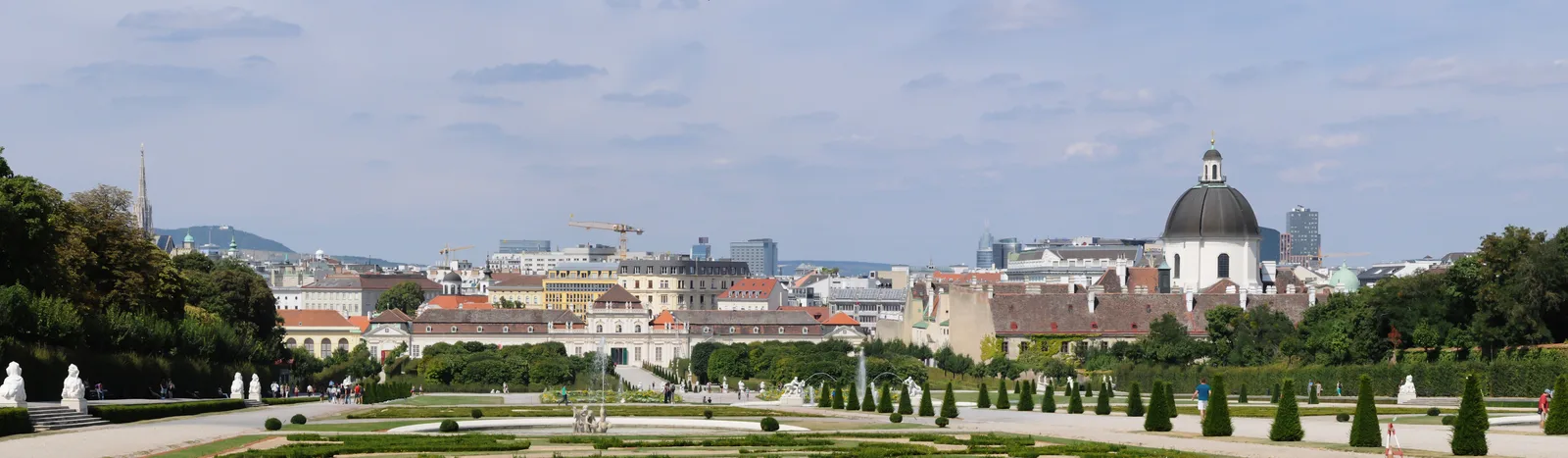
Vienna rewards a trip with room to look and listen
Vienna brings several kinds of city break together: palace interiors, major art collections, live music, coffee houses and neighbourhood walks. Austria's capital is especially appealing when those experiences have room around them. A morning spent with paintings followed by an unhurried café stop can be more satisfying than a day of crossing off buildings. The important early decisions are which interiors matter to you, whether a performance is part of the trip, and where your accommodation sits on the transport network.
Three full days give a first visit a workable shape. A longer stay opens up smaller districts and outdoor time. If you are considering a move, add an ordinary weekday to the sightseeing: investigate your prospective commute, food shopping and the practical condition of a home. Use VisaWand's Austria country guide, Austria destination page, location directory and consultant listings for the wider planning context.
The historic centre explains the city's scale and character
The UNESCO account of Vienna's historic centre describes overlapping medieval, Baroque and nineteenth-century development. Its importance extends beyond individual monuments to the way streets, gardens and grand public buildings fit together. The Ringstrasse follows the line of demolished fortifications, with the opera house, parliament, town hall and museum buildings forming part of that later urban expansion. Exploring this setting helps make sense of the much older lanes inside it.
Begin with an exterior walk rather than committing to every museum you pass. Moving between Stephansplatz, the Hofburg surroundings and part of the Ring gives you a view of the city's different architectural scales. Leave time to notice courtyards, entrances and changes in street width.
St Stephen's: choose a visit that suits your mobility
St Stephen's Cathedral provides a natural starting point for the old centre. Its South Tower, affectionately known as Steffl, offers a very particular experience: the cathedral's official tower information describes an ascent of 343 steps, entirely on foot. That is a physical commitment, not simply another viewpoint to insert between lunch and a museum. Consider it separately from the cathedral interior, especially when travelling with children or anyone who finds prolonged stair climbing difficult.
The operator asks visitors to dress and behave appropriately, and children under fourteen need an accompanying adult or a guided group for the tower. Check the current visiting arrangements before choosing your ticket. You can still make the cathedral a useful part of a centre walk without attempting the climb.
Schönbrunn: book the rooms you want to see
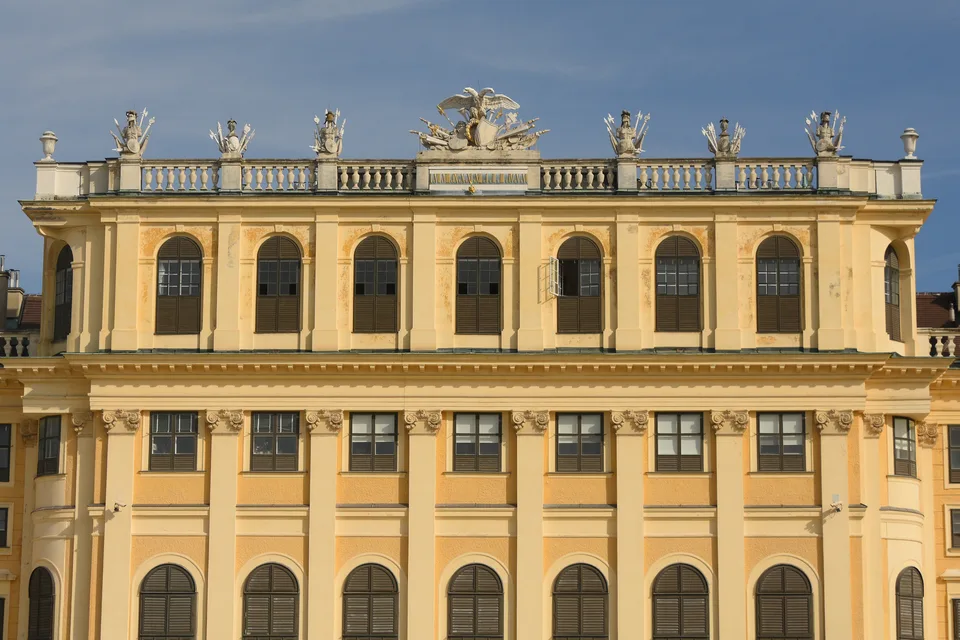
Schönbrunn needs a deliberate allocation of time. The palace's current ticket catalogue lists the adult Palace Ticket at €42, with an approximately seventy-five-minute route through the full main residential floor. The shorter State Apartments option is €30 and approximately forty minutes. These are different visits, so compare their contents rather than assuming the cheapest ticket is the same tour with a discount. Prices are subject to seasonal changes.
Palace admission uses fixed time slots; the operator identifies imperialtickets.com as its exclusive online outlet for original tickets. The catalogue also includes seasonal garden combinations. Confirm their dates and access requirements before buying a package, particularly if you are visiting outside the warmer months or need routes without stairs.
Belvedere: distinguish the collection from the other locations
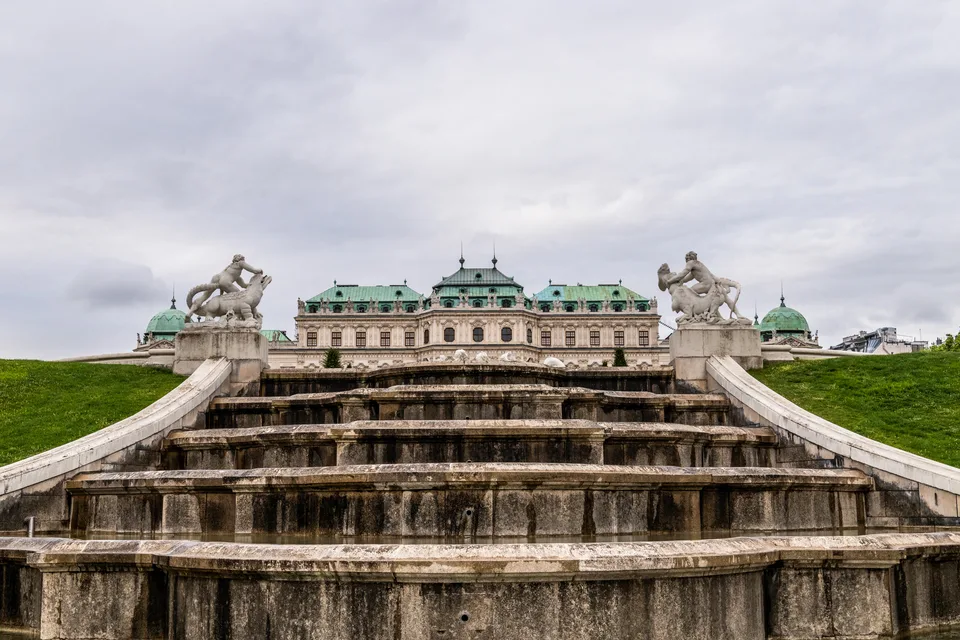
The Upper Belvedere combines a Baroque palace setting with an art collection spanning centuries. It is a good choice when paintings are a central reason for visiting Vienna. Klimt is an obvious draw, but the collection also provides a wider context for Austrian art and its relationship with other European work. Look at the current displays before deciding how long to allow, especially if you are travelling to see a particular painting.
The museum's visiting rules require time-slot tickets for the Upper and Lower Belvedere; Belvedere 21 uses a day ticket. Combination tickets have their own arrangements, with the selected slot referring to the Upper Belvedere and the other included locations visited on the same day. A timed entry does not mean your visit has a fixed duration. Avoid booking another appointment immediately afterwards if you want time for the collection and grounds.
MuseumsQuartier: a place to spend time between exhibitions
MuseumsQuartier works as both a cultural destination and a pause in a sightseeing day. The official ticket information distinguishes the freely accessible outdoor area, open around the clock, from museums, exhibitions and guided tours that require admission. You can therefore explore the courtyards without committing to a full programme of paid visits. This makes it useful when members of a group have different levels of enthusiasm for another gallery.
Inside the institutions, interests diverge: the Leopold Museum is associated with Schiele and Viennese Modernism, while mumok focuses on modern and contemporary art. Architecture and changing exhibitions offer further choices. Compare individual and combined tickets against the venues you actually intend to enter. Choose one substantial visit and leave room for the surrounding area.
Karlsplatz and the Wien Museum: put the monuments in context
For a broader understanding of the city, consider the Wien Museum at Karlsplatz. The museum's current admission table confirms that the permanent exhibition, Wien. Meine Geschichte, is free. Special exhibitions and booked group arrangements are separate. This distinction matters when budgeting: free access to the permanent collection should not be presented as a promise that every exhibition or organised visit costs nothing.
Karlsplatz also provides a starting point for the adjoining Gusshausviertel and Freihausviertel. The tourism board's neighbourhood itinerary connects the area behind Karlskirche with galleries, small shops and cafés around Schleifmühlgasse. Pairing the city museum with a nearby walk gives a day a theme beyond imperial interiors.
Beyond the centre: pick one neighbourhood to explore properly
Karmeliterviertel, near the Danube Canal and Schwedenplatz, brings market life and visible Jewish history into a neighbourhood walk. The tourism board highlights Karmelitermarkt and the nearby Augarten. Servitenviertel offers another route, centred on Servitengasse and the area around Berggasse. These districts are worthwhile additions because they change the pace and subject of a visit, rather than supplying another sequence of monumental façades.
Choose one for an afternoon instead of linking several into a hurried circuit. In Spittelberg, beside MuseumsQuartier, smaller lanes and Biedermeier buildings provide an easy continuation after an exhibition. For accommodation decisions, revisit the same route in the evening and compare the actual walk to your transport stop.
Music: choose a performance or a tour consciously
Vienna's musical reputation deserves a place in the plan, but the experience depends on what you book. A performance is an evening commitment with a specific programme and seat; a building tour explains a working institution. The State Opera's current guided-tour page describes a standard tour of roughly forty minutes, with state rooms, architecture and a view into opera production. Tour dates for the following month are generally added around the middle of the current month.
Read the access information carefully: the operator says its standard tour is unsuitable for people with limited mobility. Confirm arrangements directly if this affects you. For performances, compare the event, duration and seat information through the venue's own booking system. Leave time for dinner and arrival rather than treating the opera as an extra activity after an already crowded museum day.
Outdoor Vienna: allow a change of pace
The Danube Island visitor information presents a recreational landscape quite different from the historic centre. Walking, open space and time beside the water can balance several days of interiors. Choose a particular access point and section rather than planning to explore the entire island, which extends for twenty-one kilometres. The weather and the interests of your group should determine how much time to set aside.
The official page lists a free water playground with a May-to-September season; an autumn or winter visit should not depend on it being available. Outdoor time is also useful for someone assessing a move: see how accessible recreation is from the neighbourhood you are considering, rather than judging the city solely from its central tourist streets.
Accommodation: compare the journey and the room together
The official Vienna accommodation directory covers hotels, guest houses and apartments. Use it to identify options, then confirm the room, cancellation terms and arrival arrangements with the property. Staying in the centre suits visitors who want to walk between major sights and return easily after dinner. Accommodation beside a useful transport connection may suit a longer stay, but the specific address matters more than a broad district label.
Compare the full price for your dates, including any charges shown separately, with the time and effort of daily travel. Ask about lift access, air conditioning, room orientation and noise when these affect your comfort. For an apartment, check cooking and laundry facilities rather than assuming they are included. The current airport disruption also makes the transfer route a useful part of the accommodation comparison.
Airport arrivals: the usual rail advice has changed
Vienna's airport connections require current information. The official disruption notice says that a central section of the inner-city S-Bahn route is closed from September 2026 until the end of October 2027. The usual advice to take the S7 through to Wien Mitte therefore does not describe the present journey. During these works, S7 trains terminate at St Marx and REX7 services are routed to Hauptbahnhof. Railjet connections serve Hauptbahnhof separately.
Plan the final leg to your accommodation, including its interchange, before choosing the airport service. A direct train to a main station may be convenient for one address and less useful for another. Check the current ÖBB journey planner for the day of travel, particularly for a late arrival or early departure. Keep enough time for the airport journey as a whole, rather than relying on the advertised time of one segment.
CAT by bus and airport ticket zones
The City Airport Train operator currently runs premium replacement buses between the airport and Wien Mitte, with the service expected to continue until the end of October 2027. The city stop is Marxergasse 1b; the airport stop is at Terminal 3's bus area. The operator advertises an approximately twenty-one-minute journey. Treat this as a published service estimate, with enough margin for the rest of your arrival or departure.
The tourism board's current S7 and REX7 page lists an adult two-zone fare of €5.50, comprising €2.30 outside Vienna and €3.20 within the city. Travellers who already hold a qualifying city ticket need the additional outer-zone ticket. Confirm coverage when buying: an ordinary city pass does not automatically include the airport. CAT bus tickets are a separate product, so compare both route and fare before choosing.
Local transport: use the current ticket range
Older guides commonly recommend a seventy-two-hour Vienna ticket. The transport operator's current rules state that forty-eight-hour and seventy-two-hour tickets were withdrawn on 1 January 2026. Its twenty-four-hour ticket has a freely chosen start, and the current online listing begins at €9.70; a seven-day option is also available. Compare the precise paper or digital product at purchase, rather than treating a starting price as universal.
Paper twenty-four-hour tickets need validation before the first journey. Digital tickets bought through WienMobil are personalised and require matching official photographic identification. The ticket covers the Vienna core zone, including eligible local rail services there. Before travelling beyond it, check the extra coverage needed. For sightseeing, combine transport with walking: use a connection for the longer gap between areas and explore the smaller streets on foot once you arrive.
Markets and shopping: make them part of a route
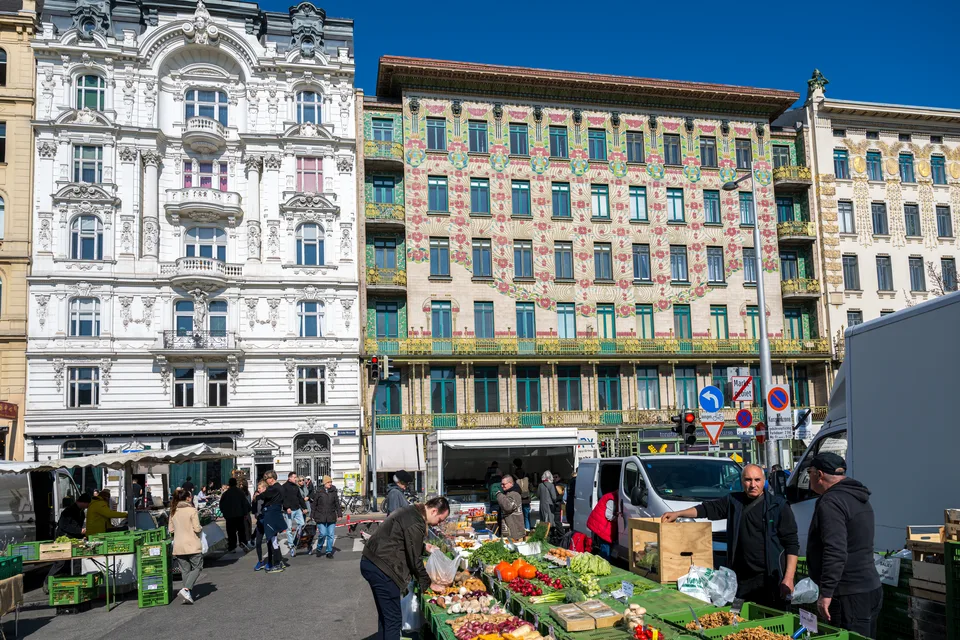
The Naschmarkt visitor page describes a food market with varied cuisines and a Saturday flea market. Decide which aspect interests you: ingredients, lunch, browsing or the flea-market stalls. A market visit is more useful when you give it a purpose and check the relevant day's arrangements. Restaurant hours and stall hours should not be assumed to match.
For other shopping, use the official shopping information to connect stores with the neighbourhood you are already visiting. Schleifmühlgasse fits a Freihausviertel walk; Spittelberg fits MuseumsQuartier. Check a specific shop's hours before making a special journey. Keep purchases that need care, refrigeration or bulky luggage for a suitable point in the day.
Budget for the choices that matter to you
Start a budget with accommodation for the actual dates, then add transport and the admissions you intend to use. The difference between Schönbrunn's €30 State Apartments and €42 Palace Ticket is a choice about content. Free permanent admission at the Wien Museum and free access to MuseumsQuartier's outdoor area can balance paid interiors.
Keep meals, café stops and a performance as separate lines so that you can see what is driving the total. A museum combination is worth comparing only when its included venues match your plan. Do the same with visitor cards: calculate the transport and attractions you will use, rather than their maximum advertised value. Leave a reserve for an altered transfer or an experience you decide to add after arrival.
Seasons: match the weather to the kind of trip
The official climate overview describes distinct seasons, with cold winters, warm to hot summers and no separate rainy season. Summer storms are possible, and snow is possible in winter rather than assured. Spring and autumn suit a trip with substantial walking, provided you bring layers and adjust to the actual forecast. Winter can work well for museums, cafés and performances, with shorter outdoor portions between them.
For summer accommodation, confirm cooling arrangements and plan exposed walks around the heat. Keep an indoor option available instead of locking every afternoon into a garden route. Seasonal markets and outdoor facilities require their own dates; a photograph from a different month is not evidence that the same experience will be available.
A workable first three days
On day one, explore the historic centre around St Stephen's, the Hofburg surroundings and a manageable stretch of the Ring. Choose a cathedral visit that suits your group, then leave the afternoon flexible for a café and an exterior walk. If you have booked a performance, make it the evening's focus and allow time to return to your accommodation beforehand.
On day two, use a reserved Schönbrunn slot as the main commitment. Keep the surrounding visit proportionate to the season and your chosen ticket. On day three, select the Upper Belvedere or a substantial MuseumsQuartier visit, then add one neighbourhood walk. The Wien Museum is a useful alternative for city history. Rearrange these days around availability and opening arrangements; avoid placing several reserved interiors back to back.
Considering a move: test the working week
A successful visit does not settle whether Vienna suits your household. Map the journey from a prospective address to the actual workplace or campus, using the timetable and current disruption information. Try the route at the time you would normally travel. Compare the walk to the station, the number of changes and the return journey after evening commitments, not only the shortest journey shown on a map.
At a viewing, examine daylight, noise, heating, cooling, storage and laundry arrangements. Ask which recurring costs are included and what you would arrange separately. Locate routine food shopping and the services your household uses, including childcare or education where relevant. Put these observations alongside the rent and expected income. Neighbourhood character matters, but the condition and practical location of the individual home deserve equal attention.
Housing: understand the contract and access rules
The municipal housing overview distinguishes private rentals, municipal housing, cooperative flats and ownership. These involve different costs and eligibility. Cooperative accommodation may require a financing contribution; municipal or subsidised housing should not be assumed to be immediately available to a newcomer. The municipal operator's September 2026 announcement confirms a new allocation platform and a valid Wiener Wohn-Ticket requirement. Check its current access criteria before building a relocation budget around it.
For a private rental, identify the main tenant or landlord, contract duration, deposit and complete monthly cost. Review any proposed brokerage charge against the Chamber of Labour's first-principal guidance: since July 2023, responsibility depends on who first commissioned the broker. Responding to an advertised apartment is different from commissioning your own search. Obtain advice on an unclear contract before committing to the property.
Registration, healthcare and the household
Use the city's residence-registration instructions when moving into a home. The Meldezettel is an address-registration document requiring the relevant signatures and identification; it does not grant immigration permission. Check the deadline and appointment arrangements directly, and arrange the accommodation provider's signature promptly. Keep address registration separate from any application documenting your right to live in Austria.
The municipal healthcare overview explains insurance, the e-card and the distinction between contracted and private doctors. Confirm your own coverage and provider before relying on local treatment being paid for; a lease alone does not establish insurance. The housing overview also explains building management, house rules and waste separation. Ask how these work in your particular building, along with utility accounts, internet installation and meter readings at handover.
Visiting, working and studying require different checks
The Austrian foreign ministry's visa guidance distinguishes short visits from longer stays and gainful activity. For relevant third-country nationals, tourism normally falls within the Schengen ninety-days-in-one-hundred-and-eighty framework; nationality and the purpose of travel determine whether a visa is required. Count travel across the Schengen area rather than treating Vienna as a fresh allowance. Work, including activities resembling employment, requires separate examination.
EU, EEA and Swiss citizens have a different framework. The government's mobility guidance explains qualifying residence and its documentation, including the registration certificate for relevant longer stays. For work, study or family relocation, establish the appropriate route, insurance and application sequence before committing to a move. Use VisaWand's consultant directory for finding assistance while checking the official requirements yourself. Permanent residence is a further status with its own conditions, not a consequence of renting a home.
Another Austrian stop: give Salzburg its own time
If you want a contrasting Austrian city, investigate Salzburg's official visitor information and its VisaWand city listing. Its old town, Mozart connections and fortress setting offer a different scale of sightseeing. Treat it as a separate destination with its own accommodation and transport decision, rather than assuming it can be fitted into an already full Vienna day. Check the current rail itinerary and the return journey before choosing a short excursion.
For a Vienna-based stay, another neighbourhood or a longer outdoor visit may be the better addition when time is limited. Before leaving, identify what you still want from the trip: more art, music, local streets or another landscape. VisaWand's location directory helps compare destinations without implying every listing contains a completed travel guide.
Official planning resources
Reviewed 14 October 2026. Use the official resources linked throughout this guide for admission, transport, housing and immigration decisions. Prices, services and rules can change; confirm the details relevant to your dates. Photography illustrates the locations and is not a live view.
View all official resources
- UNESCO historic centre of Vienna
- St Stephen Cathedral South Tower access
- Schönbrunn current ticket options
- Upper Belvedere current collection and visitor information
- Belvedere timed tickets and combined visits
- MuseumsQuartier official admission information
- Wien Museum permanent and special exhibition admission
- Official Vienna neighbourhood walking itinerary
- Spittelberg official district information
- Vienna State Opera tours and access
- Danube Island official visitor information
- Official Vienna accommodation directory
- Current Vienna airport rail disruption notice
- CAT replacement bus operator information
- S7 and REX7 current airport zones and fares
- Wiener Linien current 24-hour tickets
- Viennese cuisine official dish information
- Official Vienna coffee-house overview
- Naschmarkt and Saturday flea market visitor information
- Official Vienna shopping information
- Official Vienna climate and seasons
- Municipal Vienna housing and household overview
- Municipal housing allocation changes from September 2026
- Chamber of Labour current rental brokerage guidance
- Vienna municipal residence registration
- Municipal healthcare, insurance and e-card information
- Austrian foreign ministry official visa categories
- Official EU, EEA and Swiss mobility and residence documentation
- Salzburg official sights and visitor planning
Plan the next part of your journey
Explore the Austria guide, browse other cities or compare consultants for your travel and relocation questions.