Visa
About Asian University for Women
An international university in Bangladesh
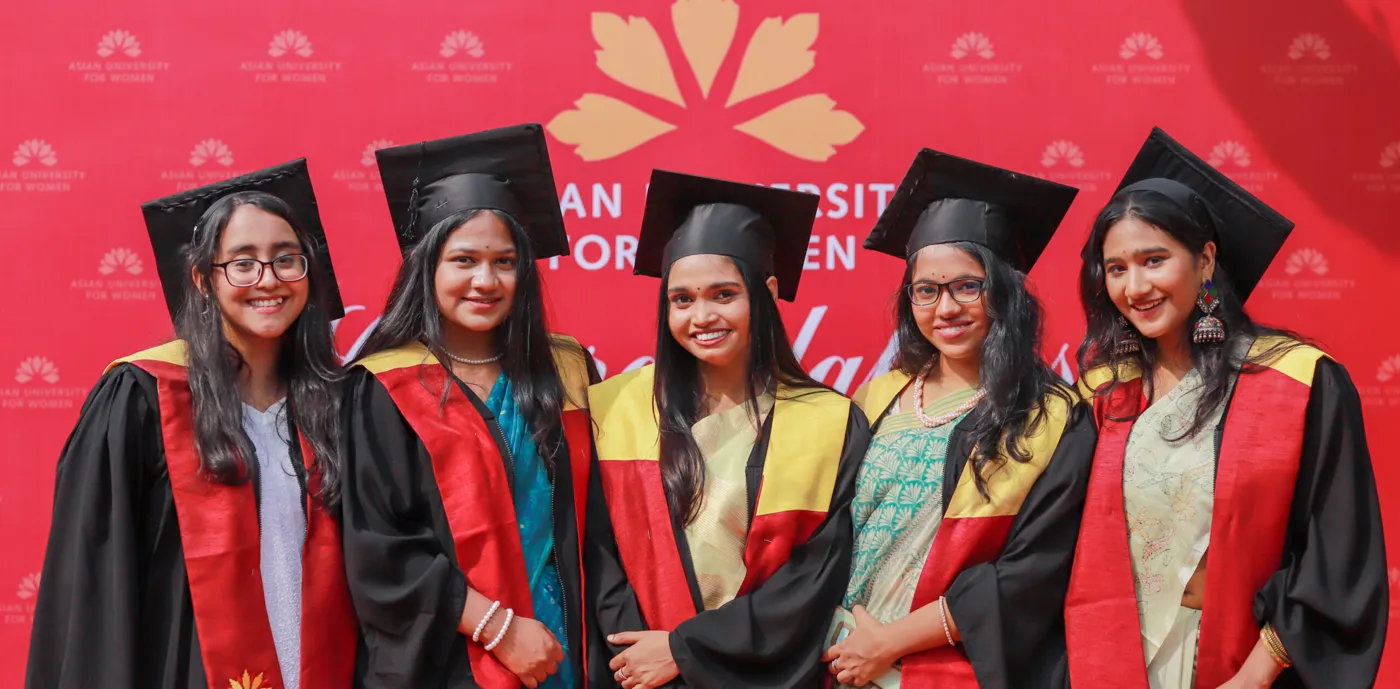
Asian University for Women, or AUW, is an independent international university in Chittagong, also known as Chattogram, Bangladesh. The Parliament of Bangladesh chartered the university in 2006. Its origins lie in an idea developed by Kamal Ahmad while he was an undergraduate in the mid-1980s. The World Bank and UNESCO Task Force on Higher Education and Society later provided a setting in which he could advance that idea. An international support committee and the AUW Support Foundation helped move the proposal toward a workable institution. Academic, organisational and financial studies culminated in a Plan of Operations published in 2005. This history places the university within a wider effort to expand women’s access to higher education across national borders. The university and its supporting foundation have distinct institutional roles: AUW is based in Bangladesh, while the support foundation is based in the United States.
Sources: Institutional history ↗
Education, inclusion and leadership
AUW’s mission centres on women drawn from varied national, ethnic and socioeconomic backgrounds. Its stated educational purpose combines academic study with leadership, intercultural understanding and service. The university describes a residential learning community in which cultural and religious differences are respected and students develop both intellectually and personally. Humanities, natural sciences and social sciences form a broad base for inquiry rather than a narrowly specialised starting point. The mission also emphasises democratic values and an awareness of global citizenship. Service-oriented leadership and sustainable human and economic development are presented as aspirations for graduates. These priorities shape the institution’s interest in students whose talent and commitment have not necessarily been matched by earlier educational opportunities, including those from communities affected by displacement or other barriers to education.
Sources: Mission and vision ↗
A liberal-arts foundation and subject choices
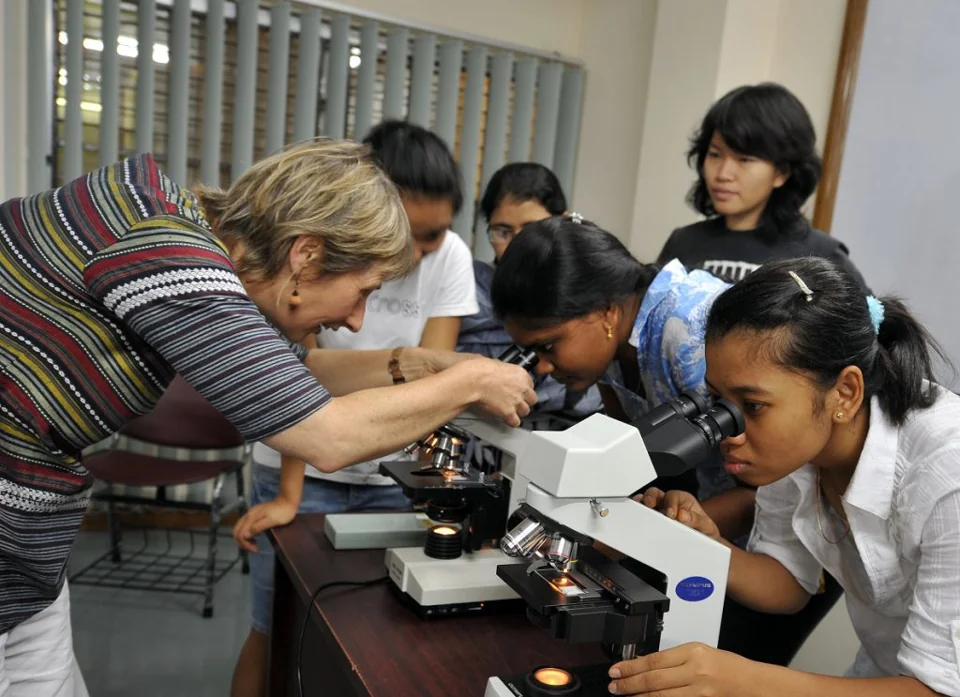
The undergraduate programme is organised around interdisciplinary study and a general education foundation. AUW describes this foundation as a way for students to encounter different ideas, perspectives and methods before deepening their work in a field. Writing and communication, critical thinking, social analysis and ethical reasoning are among its subjects. Literature, history, comparative religion and performing arts sit alongside mathematics, probability and statistics, natural sciences and computing or data analysis. Journalism and media studies are also included. The published major listings span Applied Mathematics and Data Science, Biological Sciences, Computer Science, Economics, Environmental Sciences and Humanities. Politics, Philosophy and Economics provides another interdisciplinary option, while Public Health connects scientific and social questions. This combination allows the curriculum to address quantitative, scientific, interpretive and social inquiry within the same university. The programme description also highlights individual mentorship by faculty as part of undergraduate education.
Sources: Undergraduate programmes ↗
Preparation before undergraduate study
AUW offers preparatory routes for students who need additional support before entering undergraduate study. Its General Studies programme is described as a two-year sequence: intensive English and small-group academic support in the first year, followed by further preparation in mathematics, science and academic English. Pathways for Promise addresses unequal access to previous English-language and mathematics education. Its curriculum combines English with additional work in mathematics and computing, structured reading, group study and mentorship. Activities such as dance, martial arts and community service also appear in its description. Access Academy is explicitly a non-degree preparatory year. It concentrates on English communication, critical thinking, problem-solving and learning strategies, with courses including computer studies, language and composition, pre-calculus and reading across disciplines. These programmes have different purposes and entry arrangements, but share the aim of building academic foundations before degree-level work.
Sources: Pre-undergraduate programmes ↗
Student organisations and representation
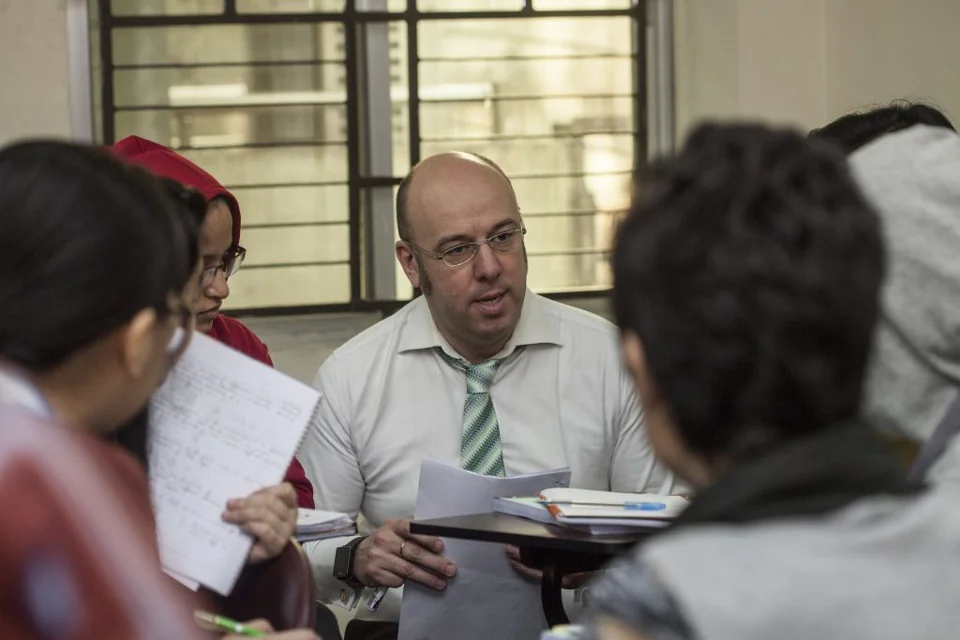
The Office of Student Activities supports interests extending beyond classes and assists students who wish to establish a new club. The university’s published examples range from academic societies to artistic, sporting and community groups. Computer Science, Economics, Biological Science, Astronomy and Physics, and Environmental Science clubs reflect subject interests. Debate, Model United Nations, theatre, photography, music and literary groups provide other forms of participation. Sporting examples include badminton, chess, running and volleyball. Student Government represents the student body in discussions with the administration and advocates for student voices and effective policies. The office also manages a campus work-study programme, intended to develop professional habits, responsibility and time management through work supporting university operations. These activities connect peer organisation and representation with practical responsibilities within the residential educational community.
Sources: Student activities ↗
Service and applied learning
The Service Learning Center’s published 2026 development plan sets out an approach connecting academic learning, service and professional work. The account records foundational research, institutional mapping and programme design from early 2026, followed by a scheduled move toward fuller implementation. Its proposed framework spans three areas: internal university engagement, surrounding communities, and partnerships across Chattogram and beyond. Teaching and research assistance, peer tutoring and support for university units appear within the internal strand. Community work is envisaged around education, environmental sustainability and social awareness. Proposed pilot activities include environmental restoration, heritage walks, intergenerational interaction and collaboration with public and voluntary organisations. These are presented as a developing programme, with structured roles, supervision and learning objectives at its centre. The plan expresses how AUW intends to connect knowledge gained in class with institutional and community needs.
Sources: Service Learning Center ↗