Visa
About Arid Agriculture University
Agricultural education in Rawalpindi
Pir Mehr Ali Shah Arid Agriculture University, Rawalpindi, commonly identified as PMAS-AAUR, is based on Murree Road in Pakistan. Its institutional history links its development to efforts to strengthen agriculture in rainfed regions. Following recommendations by the Barani Commission, Punjab established Barani Agricultural College in Rawalpindi, which was upgraded to a university in 1994.
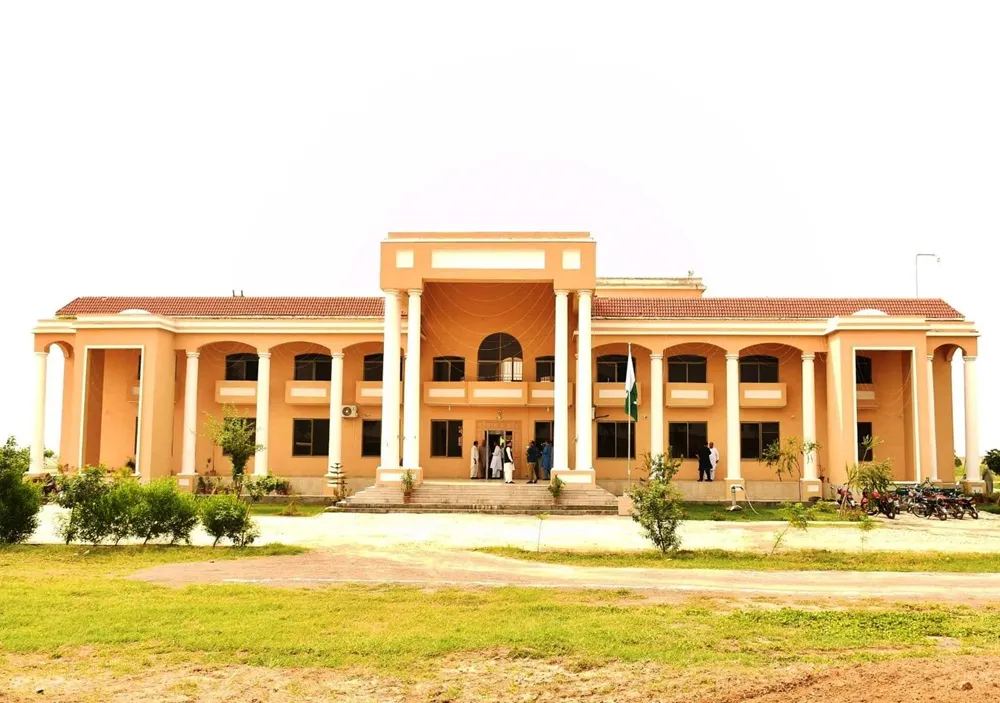
The university’s mandate connects the education of agricultural scientists with research infrastructure serving dryland areas. Its academic range extends beyond agriculture into sciences, social sciences, veterinary and animal sciences, agricultural engineering, management, computing and other specialist subjects. The institutional introduction also identifies a library, museum, auditorium and teaching buildings within its campus facilities. This combination places the university’s agricultural origins within a broader educational setting, while research on dryland development remains an important part of its stated purpose.
An infrastructure for research and practical learning
The university’s research provision includes an Office of Research, Innovation and Commercialization, established in January 2011. Its account identifies responsibility for research administration and activities involving external sponsorship, alongside advocacy for research and assistance with the research environment. Other units address agricultural strategy, cooperation with China and specialist laboratory work.
The University Research Farm at Koont, Gujar Khan, was established in 2007. It is described as a setting for teaching, practical training and investigations relevant to rainfed agriculture, with laboratories, glasshouses and a weather station among its facilities. The Central Research Laboratory supports work in biological, chemical and agricultural sciences. Taken together, these units connect research administration, field-based learning and laboratory investigation. They provide different settings in which students and researchers can examine agricultural questions, develop projects and engage with people working outside the university.
Sources: An infrastructure for research and practical learning ↗
Student affairs and the campus community
The Directorate of Student Affairs describes its work as enriching campus life through extracurricular and co-curricular programmes. One of its responsibilities is communicating students’ concerns to the relevant university offices and helping seek practical solutions. This places the directorate between individual student needs and the administrative units able to respond to them.
Its account also emphasises cultural exchange, participation and opportunities to contribute to the university community. The director’s message connects discussion and creative thinking with learning to address problems, while encouraging students to take part in activities alongside their academic courses. These are educational aims for student development rather than promised outcomes for every participant. The published student-affairs area also provides routes to information about societies, clubs, events and the Senior Tutor Office, helping students identify different parts of campus life.
Working with organisations beyond the campus
The Directorate of External Linkages seeks cooperation with public, private and nongovernmental organisations in Pakistan and abroad. Its published objectives connect university teaching and research with the needs of organisations using scientific knowledge and technology. Developing technical support and opportunities for research funding forms part of that remit.
The directorate also aims to keep faculty members and graduate students in contact with relevant organisations, involve partners in research and development, and maintain dialogue with people responsible for public policy. Collaborative seminars, workshops, symposia and conferences provide further forms of engagement. These activities bring research questions, educational planning and exchange of expertise into the same institutional framework. The directorate’s account presents external relationships as a continuing part of university development, with different partners contributing according to their interests and areas of work.
Training through the Pak–Korea centre
The Pak–Korea Capacity Building Center was developed through cooperation between the university and the Korea International Cooperation Agency. Its account dates establishment to December 2016 and describes facilities for training, workshops, technical sessions and discussion. The centre’s purpose concerns rural development and the skills needed in agriculture and allied fields.
Its stated activities include transferring agricultural and livestock technologies, professional development for people already working in these sectors, and courses concerning production, management and value addition. Farmers, rural women and young people are among its intended audiences, alongside extension workers, researchers, farm managers and staff of relevant organisations. The centre also identifies graduating students among those who may participate in its wider activities. This gives capacity building a broad community and professional remit, connecting university expertise with the practical concerns of people involved in agriculture and rural services.
Developing research proposals
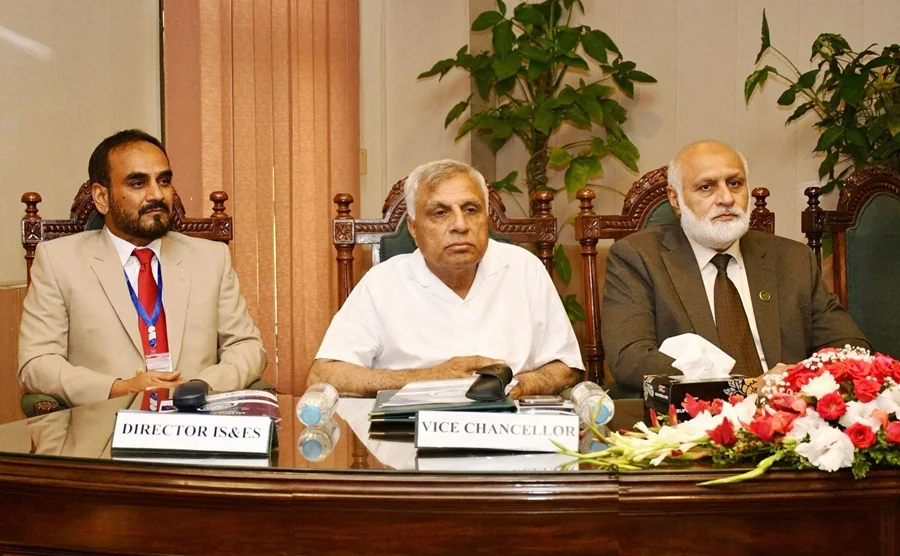
A university report dated 25 August 2026 records the opening of a three-day international workshop on developing research and technology proposals. The Institute of Soil and Environmental Sciences organised the event, with an emphasis on helping faculty members and researchers turn ideas into well-structured projects.
The report describes a hybrid format combining technical sessions with contributions from national and international specialists. Its account of the opening discussion emphasises research addressing social questions and the importance of connecting scientific ideas with practical needs. The workshop provides a dated example of research development at the university: attention is given to how investigations are planned and presented, as well as to the subjects researchers choose to examine.
Sources: Developing research proposals ↗
A renovated space for university activities
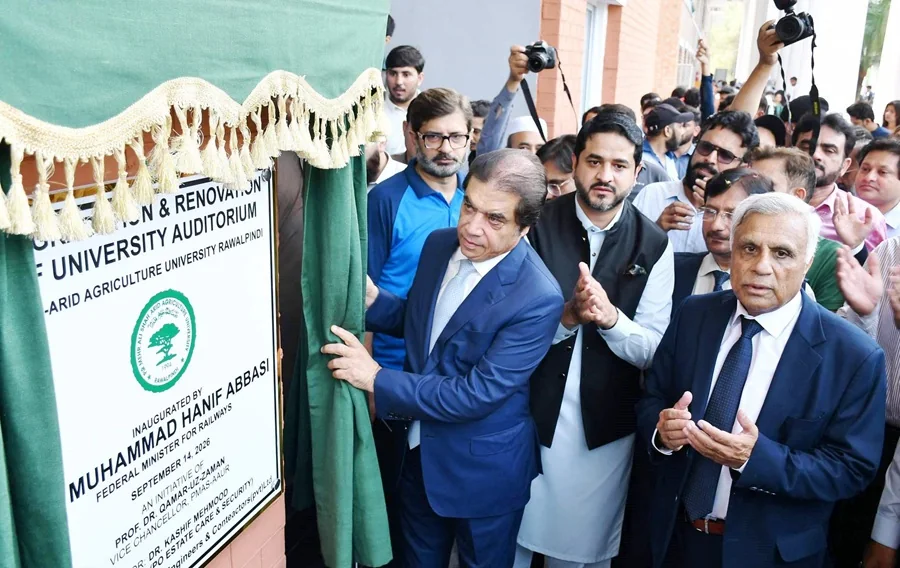
In September 2026, the university reported the inauguration of its renovated auditorium. The account describes upgraded equipment and interiors intended to support academic, cultural and official events. University staff and students attended the occasion, which also included displays of student projects and technological work.
The university presented the auditorium as a place for conferences, seminars and academic interaction alongside other campus activities. This recent report adds a specific example to the institution’s general description of its facilities, showing how a shared event space contributes to life beyond ordinary classrooms and laboratories.
Sources: A renovated space for university activities ↗