Visa

About Abbottabad University of Science and Technology
A university rooted in the Havelian campus
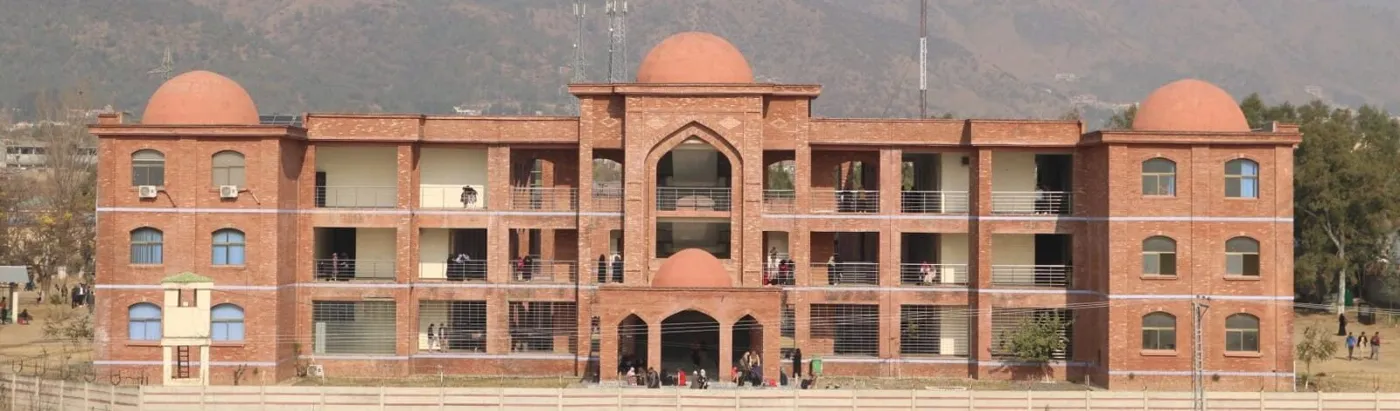
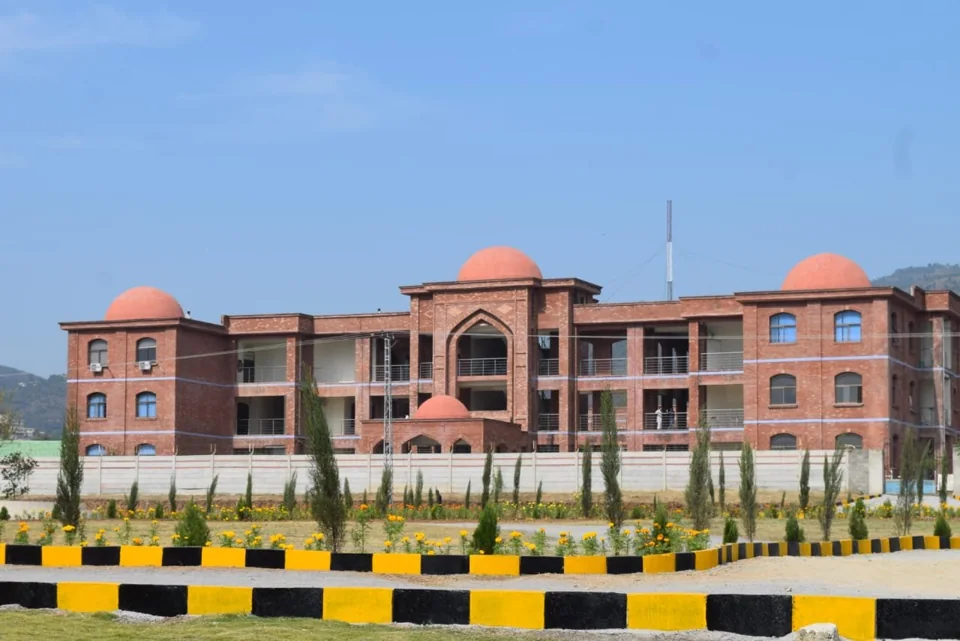
Abbottabad University of Science and Technology, commonly abbreviated AUST, is based at Havelian in Abbottabad district, Khyber Pakhtunkhwa, Pakistan. Its institutional history explains that Hazara University established a Havelian sub-campus in 2008. The campus subsequently became AUST after being chartered through the Khyber Pakhtunkhwa Provincial Assembly in 2015. This origin connects the university's independent identity with an earlier period of university teaching at the same location. The university describes its mission in terms of educating students from different socioeconomic backgrounds, encouraging creativity and innovation, and producing useful knowledge through fundamental and applied research. Its stated educational purpose includes developing both academic abilities and life skills. It also identifies scholarships and financial support as ways of widening opportunities to study. Together, these aims present AUST as a developing university that seeks to connect scientific education with personal development and benefits for society.
Sources: University introduction, mission and history ↗
Computing education and practical projects
The Department of Computer Science traces its establishment to the autumn of 2010 and describes undergraduate provision in computer science and software engineering. Its educational approach combines relevant curricula with laboratory experience, practical projects, research supervision and assessment. The department identifies programming, analytical thinking and software engineering capabilities alongside communication, teamwork and lifelong learning as important outcomes. Ethical practice is also part of its stated mission. These priorities show an approach that connects the technical foundations of computing with the collaborative work required to design and use software responsibly. The department also emphasises research, innovation, entrepreneurship and applications of computing to problems in academic, industrial, government and community settings. Its website provides routes to faculty information, laboratories, research and schemes of study. These resources help prospective students explore the subject environment before checking the current curriculum and admission arrangements for a particular programme.
Sources: Department of Computer Sciences ↗
Microbiology and the study of living systems
The Department of Microbiology links education with research across several areas of microbial science. Its published research description includes microbial physiology and genetics, virology, mycology, fermentation and bioprocessing. It also identifies medical, molecular, environmental, industrial and soil microbiology as areas for investigation. This breadth connects questions about microscopic organisms with health, production and the environment. The department's facilities description lists equipment such as spectrophotometers, fermenters, chromatography systems, PCR machines, microscopes, biological safety cabinets and incubators. These resources illustrate the combination of observation, analysis and experimental techniques associated with the subject. The department also describes an interest in moving research on commercially useful microbial metabolites from laboratory work towards larger-scale production. Its public information therefore presents microbiology as both a biological science and an applied field. Detailed project opportunities and the resources available for individual research topics can be explored with the relevant academic staff.
Sources: Department of Microbiology ↗
Physics, scientific reasoning and experimentation
The Physics Department's published objectives emphasise the development of students through teaching and scientific research. Its approach addresses both theoretical and experimental physics, with the intention of helping students discover their strengths and develop an interest in scientific investigation. The department describes laboratories, its departmental library and demonstration facilities as parts of the educational environment it seeks to develop. It also highlights the importance of sharing scientific knowledge with students and people working beyond the university. Its vision places problem solving and critical thinking alongside disciplinary knowledge. This framing is useful for understanding physics as more than a collection of equations: the department connects academic concepts with methods of questioning, testing and explaining the natural world. It also identifies engagement with the university and wider community as part of its role, including helping others appreciate the nature of science and the relevance of physics in everyday life.
Sources: Department of Physics ↗

Chemistry from foundations to applications
AUST's Chemistry Department was established in August 2017, according to its official introduction. The department describes a Bachelor of Science route and an educational approach that introduces students to the wider discipline before they concentrate on particular interests. Its overview discusses organic, inorganic, physical, biological, environmental and analytical chemistry, showing the range of questions involved in studying matter and its properties. It also connects chemistry with interdisciplinary research, including new materials, molecular design and biological processes. Laboratory work is presented as a way of applying scientific principles and preparing students to use their knowledge in academic, research and professional environments. The subject description identifies connections with areas such as pharmaceuticals, food, diagnostics and other industries. These are contexts in which chemical knowledge can be applied, rather than guaranteed destinations for graduates. The department's public information provides a starting point for exploring its teaching and specialist academic expertise.
Sources: Department of Chemistry ↗
Pharmacy and professional healthcare learning
The Department of Pharmacy traces its beginning to March 2008 at the former Hazara University Havelian campus. Its official description identifies a five-year Doctor of Pharmacy degree alongside postgraduate study in specialised pharmaceutical areas. The teaching approach includes interactive classes, laboratory experiments and practical training, connecting knowledge of medicines with professional skills and ethical responsibilities. Research is described as part of the department's work, with faculty and students encouraged to investigate pharmaceutical science and cooperate across disciplines. The department also places community engagement alongside academic study, identifying outreach programmes and healthcare campaigns as ways for students to contribute to society. Internships and links with pharmaceutical and healthcare organisations are presented as routes to practical exposure. These features illustrate how pharmacy education combines scientific foundations with preparation for professional practice. Applicants should confirm the current programme requirements and applicable professional recognition through the department and relevant official admissions information.
Sources: Department of Pharmacy ↗