Visa
About Abbottabad International Medical Institute
An academic health sciences institution in Abbottabad
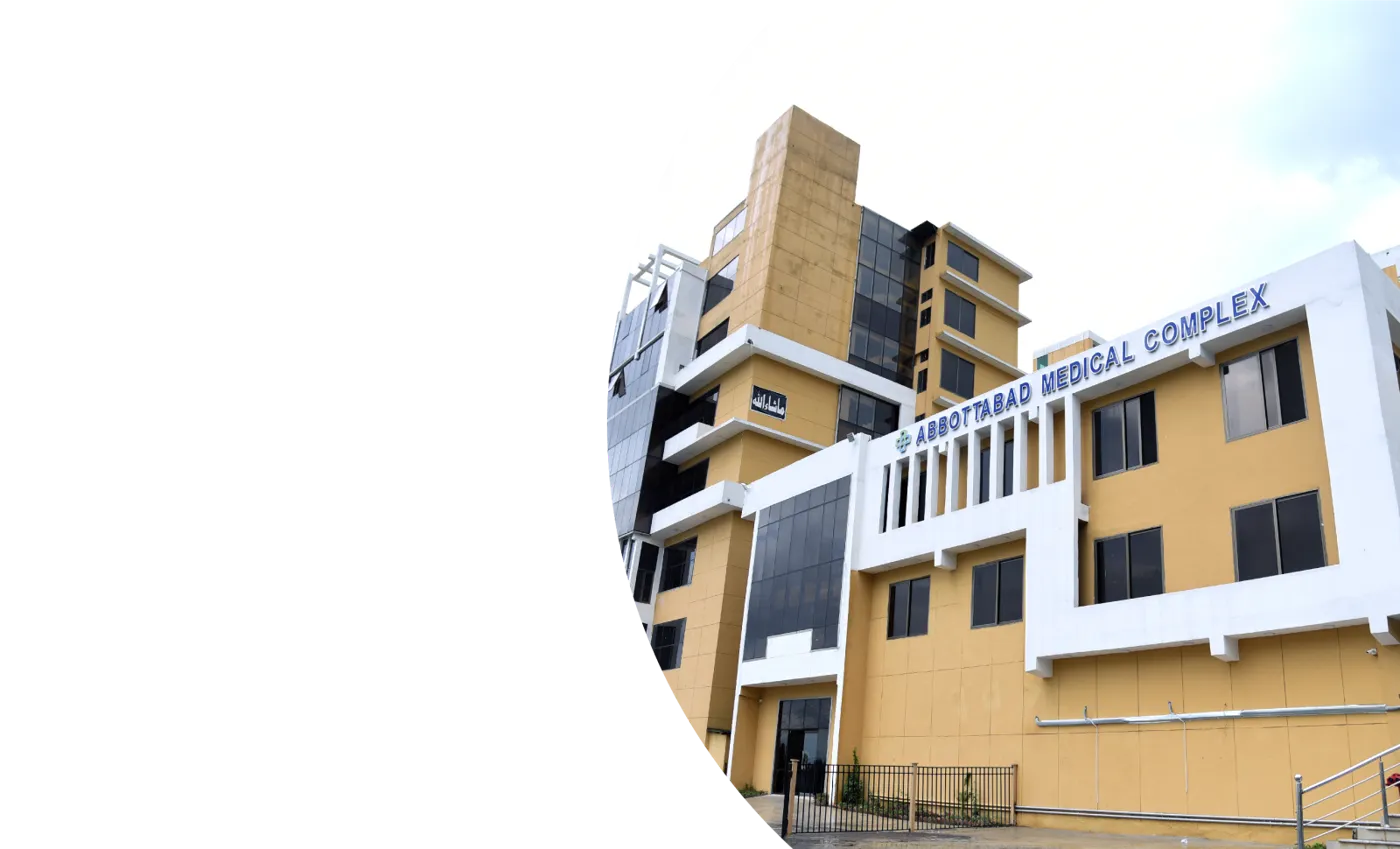
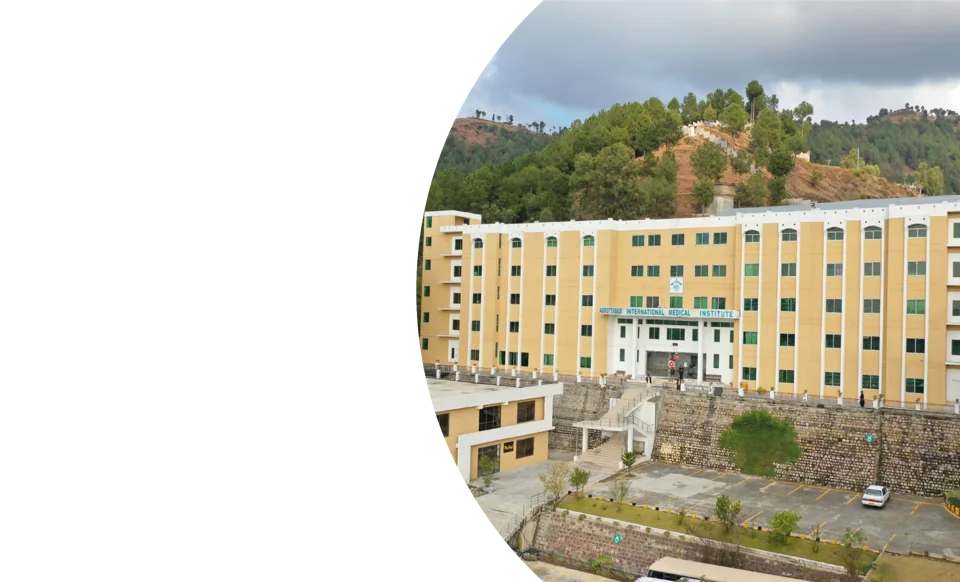
Abbottabad International Medical Institute, commonly identified as AIMI, brings medical and dental education together in Abbottabad, Pakistan. Its official institutional overview presents Abbottabad International Medical College and Abbottabad International Dental College alongside Abbottabad Medical Complex, the healthcare component shown on its website. The academic routes highlighted by the institution include MBBS, the Bachelor of Medicine and Bachelor of Surgery, and BDS, the Bachelor of Dental Surgery. A library and digital laboratory are also identified among its learning resources. The institute's address is on Mansehra Road, with correspondence directed through the Abbottabad Public School post office. Its About page connects medical education with patient care, prevention and research into health-related questions. This gives AIMI an identity as an educational setting concerned with both the knowledge required for healthcare and its application in professional environments. The institution describes service, collaboration, integrity and responsible use of resources as values informing that work.
Sources: About Abbottabad International Medical Institute ↗ · Institutional overview and photographs ↗

A mission linking competence and compassion
AIMI's mission describes the development of knowledge, skills and attitudes within an academic environment supported by its faculty. It aims to prepare competent and compassionate healthcare professionals, linking technical preparation with the way practitioners respond to people and their needs. Research, community work and lifelong learning are explicit elements of this mission. The accompanying vision places teaching, discovery and medical and dental care within a broader contribution to national health. It also situates that ambition alongside the vision of Khyber Medical University. These statements explain the institution's intended educational direction rather than an individual graduate's assured outcome. They present professional formation as a continuing process involving scientific understanding, practical ability and concern for the community, with learning extending beyond the completion of a qualification.
Sources: Vision, mission and values ↗
The published framework for medical graduates
The MBBS programme's published learning outcomes describe several dimensions of medical practice. Students are expected to develop knowledge relevant to preventing, diagnosing and managing illnesses and injuries, together with skills in focused history-taking, examination, investigation and provisional diagnosis. The framework identifies supervised management of medical and surgical emergencies as another intended capability. It also gives community health promotion a clear place, including explaining preventive measures to patients and wider communities. Critical thinking is expressed through evidence-based approaches and continuing learning. Professional expectations include empathy, ethical conduct, recognition of personal limitations and referral to an appropriate specialist when necessary. Research is included through an expectation of ethical inquiry and respect for copyright. Finally, teamwork and leadership appear as ways of serving patients, the profession and the institution. Taken together, these outcomes describe a broad preparation that extends from scientific knowledge to communication, judgement and professional responsibility.
Dental education and oral health responsibilities
The dental programme's outcome framework follows a similarly broad view of professional preparation while focusing on oral health. It identifies knowledge for preventing, diagnosing and managing oral diseases, alongside practical abilities in assessment, basic dental procedures and dental emergencies. Attention to medically compromised patients and medical emergencies also appears in the published outcomes. Community education is directed towards preventive measures that can reduce the burden of oral disease. The framework combines this clinical orientation with lifelong learning, evidence-based practice and critical thinking. It expects graduates to treat patients empathetically, observe ethical standards and recognise when referral to another professional is appropriate. Ethical research, teamwork and leadership are further themes. These expectations show that the dental programme is presented as more than the acquisition of procedural skills alone. Its public outcome statements connect the treatment of individual patients with prevention, professional judgement and responsibility towards the wider community.
Sources: BDS programme learning outcomes ↗
Quality assurance and educational review
The Quality Enhancement Cell, or QEC, provides a framework for reviewing and improving the institution's educational work. Its published functions include developing quality strategies, supporting assurance procedures and representing the college in relevant external quality networks. The cell identifies programme monitoring, faculty assessment and student perceptions as parts of annual evaluation. Departmental and subject reviews, institutional audit and feedback from students and employers are also included in its responsibilities. It aims to maintain accurate information that can support quality assurance and be shared with stakeholders. Another part of the remit concerns programme specifications, qualification frameworks and improvements in institutional management. These functions connect educational quality with evidence gathered from several perspectives, rather than relying on examinations alone. The published responsibilities describe the processes the institution intends to operate; individual review findings and current actions should be explored through the relevant institutional documents and QEC contacts.
Advice and support during professional study
The Office of Student Affairs describes its role around helping students progress through their training, with particular attention to the classroom and clinical learning environment. Its advising programme is intended to give students support in navigating the medical and dental curricula. The office also describes a student-led careers activity concerned with exploring and selecting specialties. Beyond formal academic questions, it invites students to seek assistance with personal and career concerns and with projects taking place within the colleges of medicine and dentistry. This gives students a point of contact for issues that may affect their experience across different parts of professional study. The public description emphasises availability to the student body rather than restricting support to a single stage of training. For someone considering AIMI, these services complement the published learning outcomes by showing how academic advice and broader student concerns are addressed within the institution.
Sources: Student Affairs ↗