Visa
About Andijan State Institute of Foreign Languages
An institute established for language education
Andijan State Institute of Foreign Languages is a public higher education institution in Andijan, Uzbekistan. Presidential Resolution PQ-265, dated 31 May 2022, established the institute in the city and set out a framework for its academic development. The resolution provided for teaching to begin in the 2022–23 academic year. It also redirected foreign-language undergraduate and master's training allocations from Andijan State University and its Pedagogical Institute to the new institution.
The founding framework identifies philologists, teachers, translators and tour guides among the specialists the institute was intended to prepare. It places language teaching alongside research, professional development and the introduction of modern educational methods. The resolution's programme of measures included curriculum development, staff training, library resources and digital management of academic activity. These were provisions for organising the new institution, connecting its language-specialist identity with the infrastructure and academic systems needed for higher education.
Sources: An institute established for language education ↗
Educational purpose and subject range
The institute's general information describes foreign-language education as its principal field. Its stated activities include preparing teachers and researchers, developing teaching and assessment methods, and working with other higher education and research organisations on educational programmes and scientific projects. Digital technologies and independent learning are identified as parts of its approach to education.
The institute also gives attention to practical translation skills, including simultaneous, consecutive, literary and scientific or technical translation. Its account of programme development identifies English, French, German and Russian among the initial language fields in 2022–23. Further language-teaching fields listed for 2023–24 include Arabic, Korean, Chinese and Japanese. Master's subject areas include foreign language and literature, linguistics, comparative linguistics and translation studies, with simultaneous and literary translation appearing in the later stage of the published development sequence. This range connects the study of languages with teaching, interpretation, literature and cross-language communication.
English language and literature
The Faculty of English Language and Literature forms a major part of the institute's academic structure. Its account identifies three departments: English language and literature, English language practice, and theoretical aspects of the English language. Together, these areas bring the study of language and literature into contact with practical language use and linguistic theory.
The faculty describes undergraduate foreign-language and literature study alongside master's fields in English language and literature and English linguistics. Its stated educational priorities include modern pedagogical methods, digital technologies, independent learning and communication skills in language learning and teaching. Scientific and creative activity also appears within its academic aims. The faculty identifies collaboration with foreign educational and research organisations as a route for developing its educational programmes and scientific work. Its description therefore presents English as both a subject of scholarly study and a field in which students develop teaching and communication abilities.
Sources: English language and literature ↗
Romance-Germanic and Slavic languages
The Faculty of Romano-Germanic and Slavic Languages was established within the institute in 2022. Its mission emphasises language knowledge, independent thinking and intercultural communication. The faculty's subject range includes Russian, German and French philology and language teaching, foreign language and literature, translation studies and computational linguistics.
Its departmental structure brings several related areas together. German language theory and practice includes philology, teaching methodology and translation studies. The French-language area combines language, literature and translation theory. Russian language and translation studies addresses philology, translation practice and comparative linguistics. General and Uzbek linguistics contributes linguistic theory and comparative study, while social sciences, humanities, pedagogy and psychology connect language education with its wider educational context. The faculty describes study at both bachelor's and master's levels. This structure gives students a language-specific academic setting while retaining links to linguistics, educational methods and the cultural dimensions of communication.
Foreign philology, translation and tourism
The Faculty of Foreign Philology and Tourism combines language study with translation and service-related disciplines. Its published structure identifies tourism and translation studies, English philology and teaching methodology, and the theory and practice of Eastern languages as its three departmental areas. The faculty lists language-teaching programmes involving English, Chinese, Korean, Arabic, Japanese and Turkish.
Other fields in its academic presentation include translation theory and practice, tourism and hospitality, tour guiding and translation services, and English-language education for preschool and primary settings. Its description of tourism education addresses the development and management of tourism organisations, hospitality programmes and service activities. Language-teaching fields are connected with philological knowledge and educational practice. Across these subjects, the faculty states an aim of supporting students' professional and personal development and their command of several foreign languages. It also identifies scientific work, international cooperation and collaborative educational projects among its activities.
Information literacy in institute life
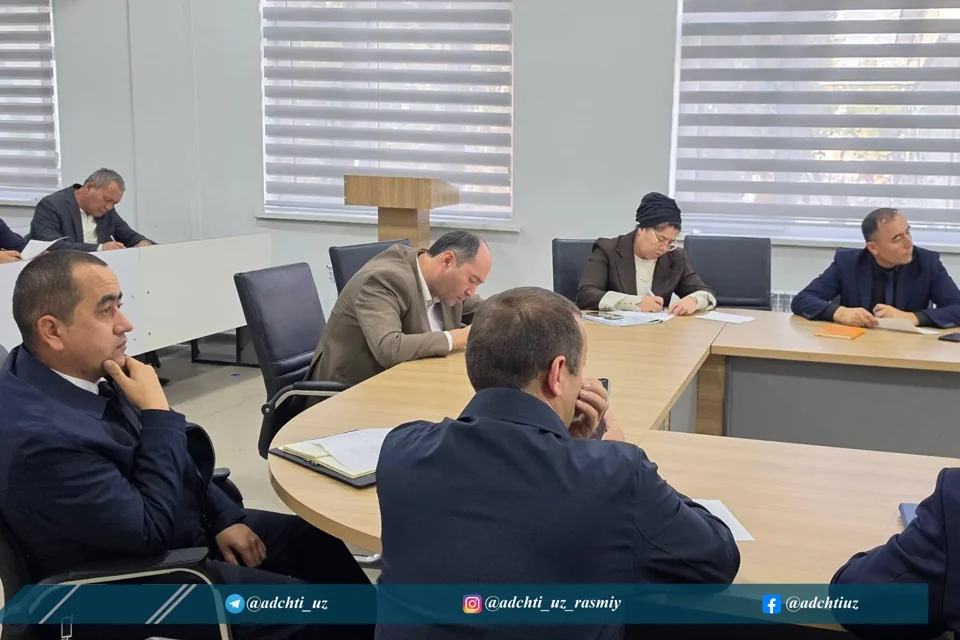
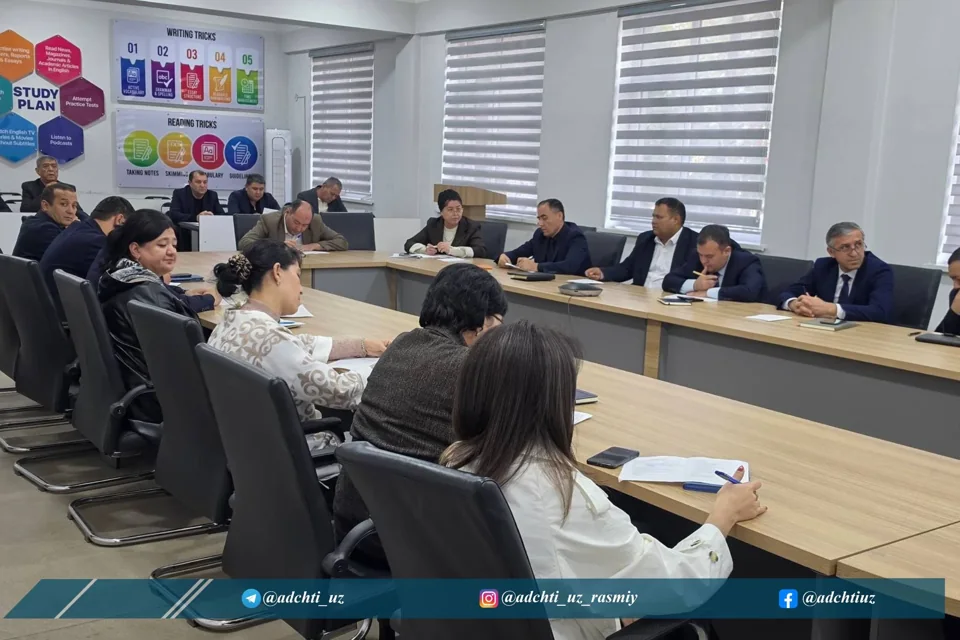
A report published on 29 October 2026 documents a seminar and training session on digital fact-checking at the institute. Held within the Thursday Youth Day initiative, the event addressed information literacy and critical analysis of material circulated online. Participants discussed assessing the credibility of news, identifying original sources and comparing evidence from different sources.
The report also describes attention to publication dates, authors, figures and quotations, together with the risks of drawing conclusions from headlines alone. The seminar presented verification before sharing as an element of responsible behaviour in the digital environment. It provides a concrete example of educational activity extending beyond language courses into the evaluation and use of information.
Sources: Information literacy in institute life ↗