Visa
About Anchor University Lagos
A university in Ayobo, Lagos
Anchor University Lagos is a private, faith-based higher education institution in Ayobo, Lagos State, Nigeria. The university describes its educational purpose in terms of intellectual, spiritual, moral and social development. Christian principles are part of that identity, alongside academic inquiry and preparation for responsible participation in society.
Its academic fields extend across science, humanities, social and management sciences, law, environmental subjects and basic and allied health sciences. The institutional overview also identifies undergraduate, postgraduate and diploma study. Research, entrepreneurship and community engagement accompany these educational activities. The university’s emphasis on character, competence and courage brings together ethical conduct, the practical application of knowledge and the confidence to contribute. These are presented as guiding educational aims throughout its account of university life.
An integrated campus setting
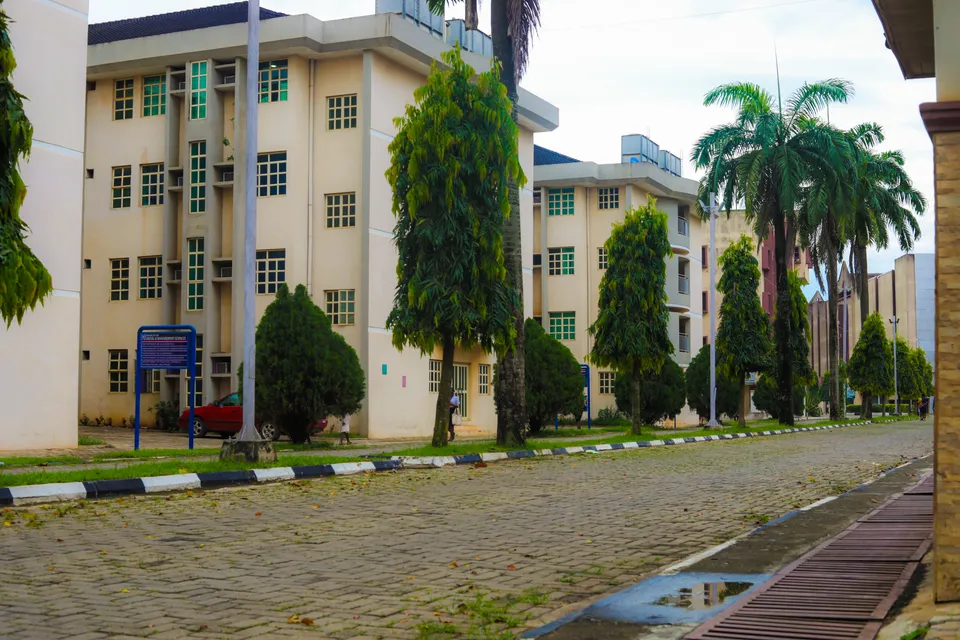
The campus is situated in Ayobo-Ipaja within Lagos State’s Alimosho Local Government Area. Its official description brings academic, residential and recreational spaces together within a gated university estate. Faculty buildings, the administrative complex, library, chapel, hostels and sports facilities form parts of the same campus setting.
Teaching facilities include lecture halls, smaller seminar rooms and spaces for conferences. The campus page identifies laboratories for physics, chemistry and biochemistry, alongside computing rooms and practical workspaces. Its account of library provision includes printed and electronic resources, reading and research areas, discussion rooms and information-technology facilities. A student cafeteria and dining spaces provide places for meals and social interaction. Landscaped grounds and shared facilities connect these different parts of the university’s physical learning environment.
Sources: Campus and learning facilities ↗
Research and collaboration
The Directorate of Linkages, Innovation and Research coordinates institutional work involving research, partnerships and innovation. It presents itself as a point of contact for universities, businesses, public bodies, development organizations and community groups seeking collaboration. Its stated objectives include ethical multidisciplinary research and the practical use of knowledge.
Support described by the directorate includes finding research opportunities, developing and reviewing proposals, connecting researchers with collaborators and communicating results. Its research priorities span computational and biological sciences, environmental questions, education, business and social policy. Proposed forms of collaboration include joint publications, shared facilities, staff and student exchanges, consultancy and commissioned research. The directorate also emphasizes responsible data management, recognition of contributors and project oversight. These functions connect scholarly work with institutional administration and relationships beyond the campus.
Student organizations and creative activity
The university’s clubs and societies page presents opportunities associated with academic interests, the arts, sport, service, faith and culture. Its directory includes a computer science society, a law students association, a debate club and an economics and finance club. Their published activities include technical discussions, public speaking, workshops and subject-related projects.
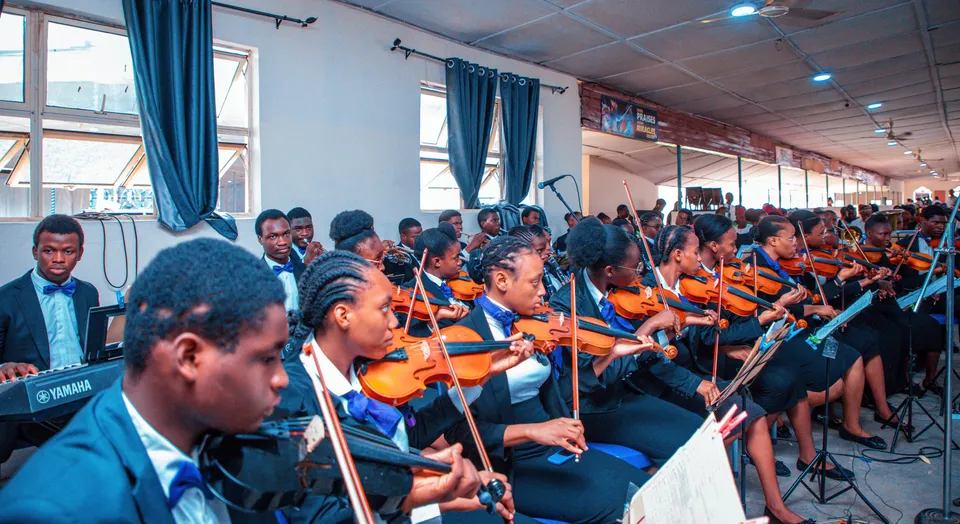
Other listed organizations concern medical sciences, accounting, drama, sport and technology. The drama society’s activities include theatre productions, improvisation and scriptwriting, while technology groups address workshops and digital innovation. The same page illustrates orchestral and choral performance in its music gallery. These different activities give students ways to work with others, develop interests alongside their main subjects and participate in the university’s cultural life. The directory provides a broader view of student participation than classroom study alone.
Sources: Clubs, societies and cultural activity ↗
Sport within university life
Sport and recreation are described as parts of university life concerned with physical activity, teamwork and participation. The university’s sports page lists facilities for football, basketball, volleyball and indoor activities. It distinguishes recreational use from inter-faculty and external competition, showing several ways students can become involved.
The published facilities account also identifies athletics and table tennis. Indoor activities include badminton and other forms of training in a multipurpose hall. Photographs on the page show students playing football and basketball and a football team gathered together. This combination of activity spaces, teams and competitions places sport alongside the university’s academic and cultural provision. Students’ interests can therefore extend into organized physical recreation as another form of participation in campus life.
Sources: Sport and recreation ↗
Guidance and student support
The student-support directory brings together academic guidance, financial support enquiries, accessibility, international-student assistance and pastoral care. The Dean of Students Office is identified as a contact for welfare, conduct, appeals and student organizations. Different types of enquiry are therefore directed towards services with particular responsibilities.
Academic support described on the page includes peer tutoring, writing assistance, study-skills workshops and preparation for examinations. Writing guidance can address planning, drafting and reviewing academic work. Accessibility support concerns adjustments and learning accommodations, while international-student services include orientation and peer networks. Pastoral support addresses personal and spiritual questions. The directory also provides a Student Affairs contact, giving students a route for asking where to seek help. These services complement teaching through guidance on studying and navigating university life.
Sources: Student guidance and support ↗
Entrepreneurship and practical enterprise learning
The Entrepreneurship Development Centre describes its role as connecting academic learning with practical enterprise development across disciplines. Its educational approach includes idea generation, business planning, financial literacy and professional ethics. Vocational examples on its programme page range from web and graphic design to photography, catering, fashion, shoemaking and event-related work.
The centre’s published development model moves from exploring an idea and testing its feasibility to prototyping, formal organization and market testing. Mentoring, business clinics and student exhibitions are identified as supporting activities. The emphasis is on developing an idea through practical work and considering its operation as an enterprise. Within the university’s wider educational purpose, this provides another setting for applying subject knowledge, collaborating with others and exploring the responsibilities involved in organizing a business.