Visa
About Abia State Polytechnic
Identity and historical development
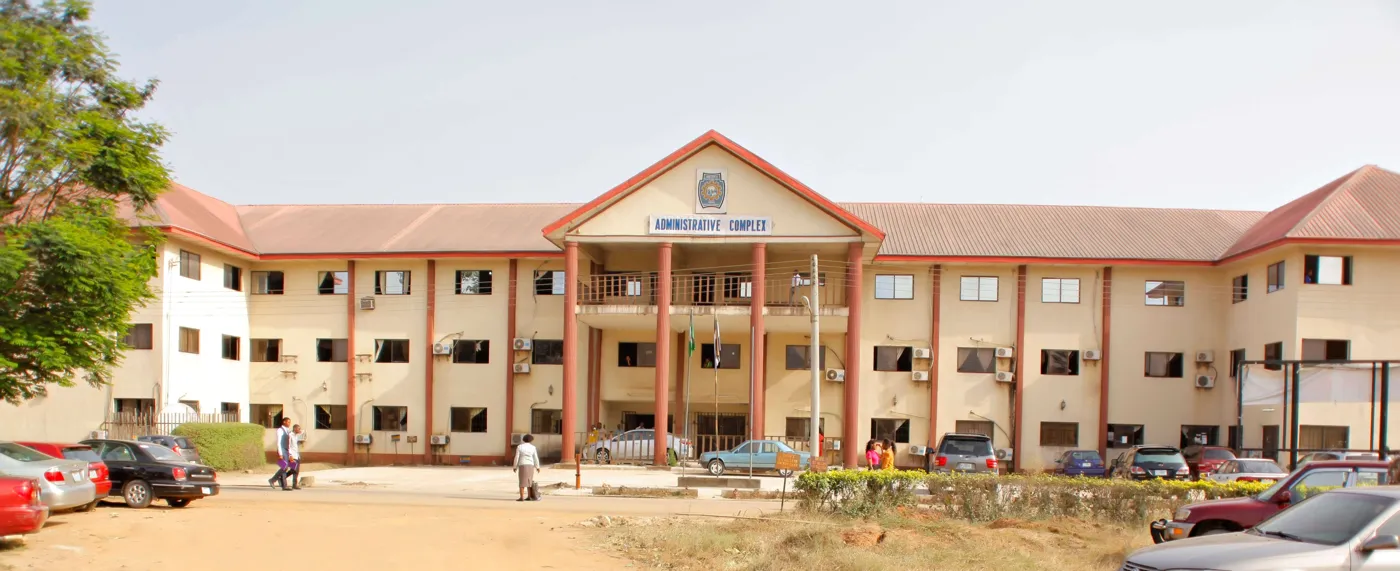
Abia State Polytechnic in Aba, Nigeria, now uses the name Ogbonnaya Onu Polytechnic. The Abia State Government confirms that the institution was renamed in honour of Ogbonnaya Onu, the state's first civilian governor. Its official website retains the earlier institutional domain while presenting the newer name throughout its main pages. This is the same polytechnic rather than a separate institution with a similar educational remit.
The college's history traces its legal establishment to Edict No. 8 of 1994, with retrospective effect from 2 October 1992. Its original location was the former Girls Technical College site along Aba Owerri Road. Early students enrolled in certificate programmes. National Diploma teaching began in the academic year 1994 to 1995, followed by Higher National Diploma programmes in 1999 to 2000. This sequence charts a progression from initial certificate provision toward the diploma structure that remains central to its public academic offering.
Sources: History and Traditions ↗ · Abia State Government: December 2025 convocation ↗
Applied education and programme levels
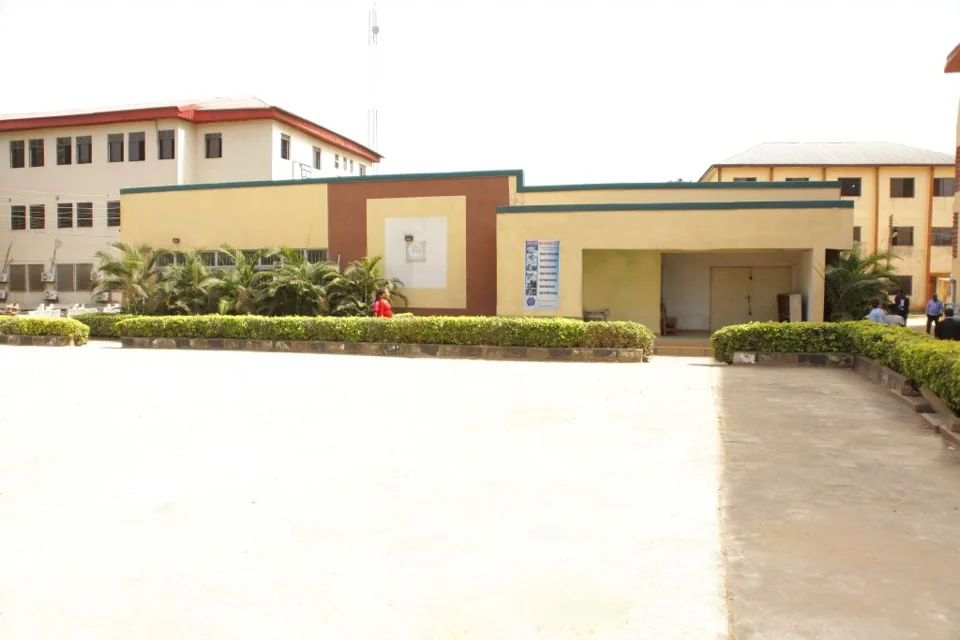
The polytechnic's mission combines teaching with research, training and the development of techniques in applied subjects. Its stated fields include arts and sciences, technology, management and commerce. The vision focuses on developing skilled people who can contribute to national development, giving the institution a practical and vocational emphasis across several academic areas.
The official homepage distinguishes three programme levels. Pre-National Diploma provision is described as preparation for entry into National Diploma studies. The National Diploma combines subject study with practical applications, while the Higher National Diploma continues that educational pathway with further study and practical work. These levels sit within an organisation of subject schools covering business, engineering, environmental design, science and general studies, alongside continuing education.
Sources: Mission and Vision ↗ · Polytechnic homepage ↗
Business and management
The School of Business and Management Technology covers both commercial activity and organisational administration. Its department list includes accountancy, banking and finance, marketing, public administration, office technology and management, and business administration and management. Cooperative economics and management, together with taxation, also appear in the school's published academic listing.
The school describes its educational scope through business management, inventory, finance, administration, marketing of products and services, and office management. These areas show that the business side of the polytechnic extends beyond a single management qualification. It accommodates interests in the financial, administrative and customer-facing aspects of organisations within a broader institution that also teaches scientific and technical subjects.
Sources: School of Business and Management ↗
Engineering and technology
The School of Engineering and Technology explicitly describes a practical approach to learning. Its published departments cover welding and fabrication engineering, mechanical engineering, computer engineering, civil engineering and mechatronics. Agricultural and bio-environmental study is also included within the school's departmental structure.
This grouping brings several kinds of technical work into the same academic school: fabrication and machinery, computing equipment, civil infrastructure and the integration of mechanical and electronic systems. The institution presents these as routes into engineering, technology and related fields. The school therefore forms an important part of the polytechnic's wider applied mission, complementing its business programmes and the separate departments concerned with the built environment and laboratory sciences.
Environmental design and the built environment
The School of Environmental Design and Technology concentrates on subjects related to buildings, land and spatial development. Its departments include estate management, surveying and geoinformatics, architecture, building technology, quantity surveying, and urban and regional planning. The school's description highlights the acquisition of skills and knowledge associated with architecture, surveying and building work.
These subject areas give the institution a distinct built-environment strand alongside engineering. They encompass the design and construction of buildings, the measurement and representation of land, and the organisation and management of property and development. The range is presented through named departments, allowing the environmental school to retain its own academic identity within the polytechnic's larger technical offering.
Science and industrial subjects
The School of Science and Industrial Technology combines computing, quantitative subjects and laboratory-related disciplines. The official list includes computer science, statistics, chemistry and biochemistry, biology and microbiology, physics with electronics, and science laboratory technology. Food science and technology is also represented, together with tourism and hospitality and hospitality management technology.
The school describes a practical approach to science and technology education. Its published range demonstrates that industrial study here is broader than engineering alone: laboratory work, food-related subjects, information technology and service industries all appear within its remit. This breadth helps explain the institution's use of several academic schools rather than treating all technical subjects as a single undifferentiated programme.
Sources: School of Science and Industrial Technology ↗
Continuing education and admission
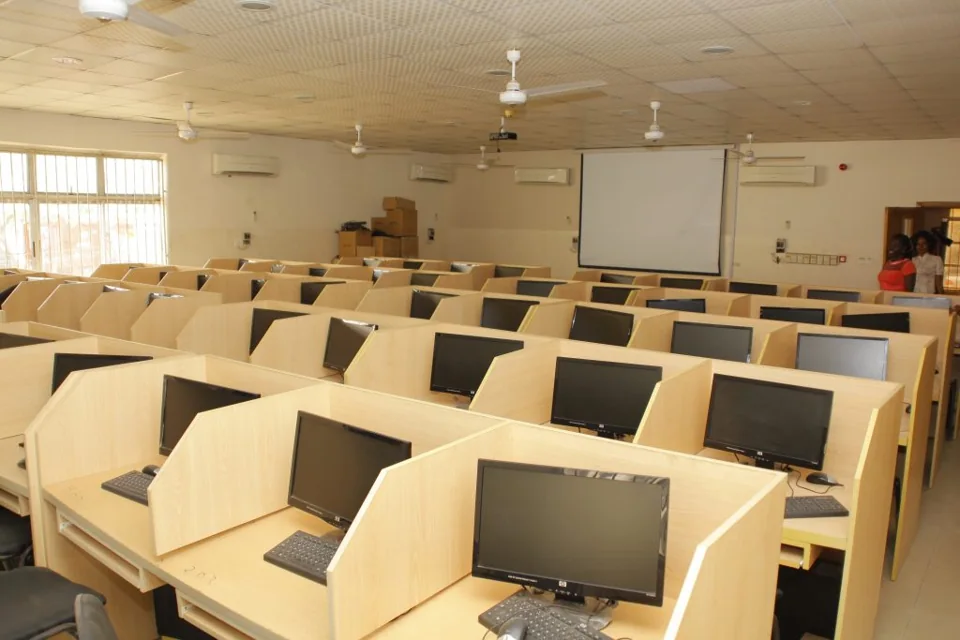
The Centre for Evening Programme and Continuing Education serves people whose daytime commitments make conventional study schedules difficult. Its description specifically includes workers and businesspeople who can attend after office hours. It also provides for remedial study and describes National Diploma and Higher National Diploma opportunities across the institution's departments.
The admissions page states that requirements differ between schools and departments. It identifies relevant secondary-school credit passes, technical or business certificates and the national entrance examination among the entry considerations for National Diploma study. English and mathematics feature in the published requirements. Applicants are directed to consult individual departments for subject-specific conditions. Together, the evening centre and the departmental admissions structure reflect different educational entry routes within the same polytechnic.
Sources: Evening Programme and Continuing Education ↗ · Admission Requirements ↗