Visa
About American International School of Cape Town
A school community in Constantia
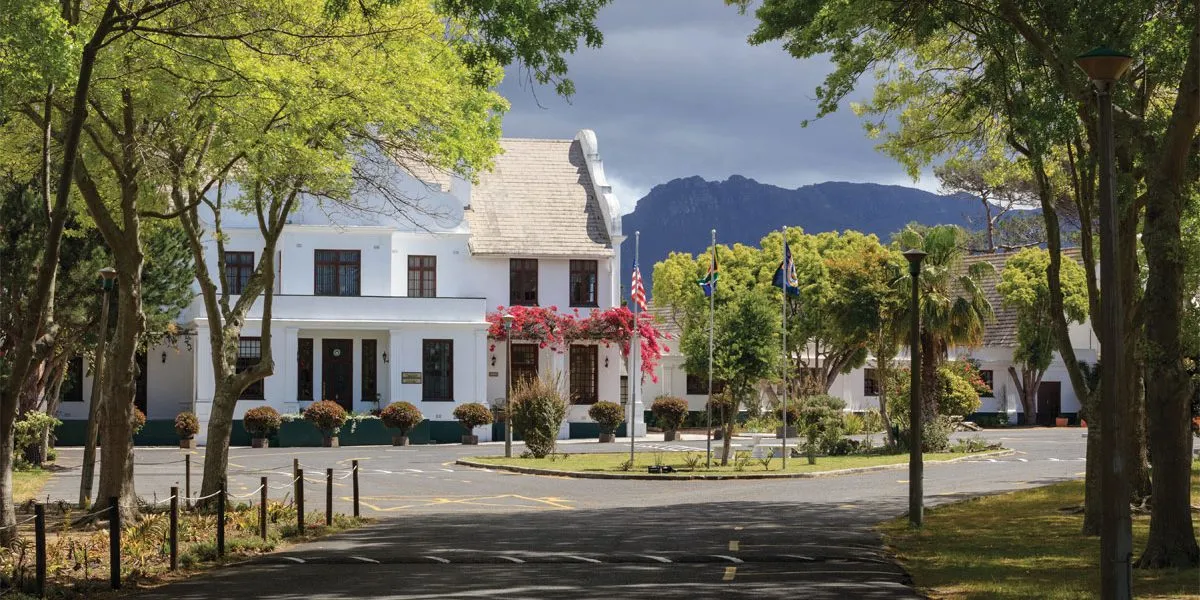
The American International School of Cape Town, or AISCT, is a private, not-for-profit coeducational school founded in 1997. Located at 42 Soetvlei Avenue in Constantia, Cape Town, it provides school education for learners from early childhood through high school. Its published description identifies an American curricular approach and a school year running from August to June.
The school’s mission concerns giving a diverse learning community the opportunities and confidence to contribute positively to the world. Respect, responsibility and integrity are its three named pillars of character. Its schoolwide learning expectations encompass communication, thinking, knowledge, positive learning attitudes and appreciation of global and local communities. The campus account also describes environmental measures, including rainwater and groundwater collection, LED lighting and rooftop solar panels. These provide concrete examples of the school’s stated interest in sustainability alongside its educational mission.
Sources: Our school ↗
Elementary learning across subjects
AISCT’s elementary programme combines core academic learning with creative, physical and social development. Language arts follows US Common Core standards and uses reading and writing workshops. Mathematics also draws on Common Core standards, with Bridges Mathematics combining direct teaching, investigation and exploration. Science follows the Next Generation Science Standards, while social studies includes inquiry and South African cultural and historical contexts.
French and Spanish begin in Grade 1. Art, physical education, drama, music and dance broaden classroom experiences, with individual and collaborative work appearing across these areas. The elementary library programme develops reading and information-literacy skills, including using a catalogue and citing sources. Technology provision addresses digital literacy and citizenship through integrated classroom activity. Service learning is another element: each grade identifies a social cause and contributes through suitable activities. The school also describes field trips, assemblies, productions and extracurricular activities as parts of elementary life.
Sources: Elementary school ↗
Middle school exploration
Middle school combines English, mathematics, science, social studies, physical education and health, and a foreign language with elective study. Its block schedule includes core subjects, electives and time for exploration. English develops reading, drafting and editing through novels, poetry and varied writing genres. Mathematics moves through pre-algebra and geometry toward Algebra I, emphasising reasoning and problem-solving.
Science integrates earth, life and physical science, with investigation and laboratory activities. Social studies examines identity, historical change, rights and responsibilities, including African history and South African perspectives. A Model United Nations unit culminates in a school debate event. French and Spanish extend language learning through communication and cultural study. Creative and technical options include art, drama, music and technology, with the latter describing robotics, microelectronics, programming and web design. These subjects support a middle-school experience that combines academic progression with opportunities to explore different forms of expression and practical work.
Sources: Middle school ↗
High school study and projects
The high school organises study around English, science, social studies, mathematics and foreign language, with electives allowing additional breadth or focus. Its science sequence includes integrated study and more specialised biology, chemistry, physics and environmental subjects. Mathematics progresses through algebra, geometry and precalculus, with Advanced Placement calculus or statistics among the options described.
AISCT offers College Board Advanced Placement courses and the AP Capstone subjects of Seminar and Research. Its published curriculum also includes literature, history, government, economics, languages and creative subjects. Electives range from astronomy and business studies to theatre, design technology, Model United Nations and independent projects. Graduation follows a US credit-based structure, with additional requirements described as a service project, Innovation Term participation and a senior Impact project. Assessment can include examinations, projects and presentations. The school’s high-school account therefore combines subject-based academic study with research, creative work and practical engagement beyond individual lessons.
Sources: High school ↗
Parents, teachers and school life
The AISCT Parent and Teacher Association, known as PATA, is a volunteer network connecting families and educators. Its stated purposes include encouraging participation, supporting teachers, communicating with members and coordinating activities outside the regular curriculum. It works with school leadership and raises funds for community-building efforts.
Published examples include International Day, a Thanksgiving picnic, coffee mornings, staff appreciation, movie nights and student socials. Parent clubs provide further ways to meet through hiking, music, cooking, conversation, dancing, golf, books and cultural exploration of Cape Town. The PATA Booster Club focuses on participation in sports, performing arts and other co-curricular activities. Its goals include raising funds to assist students with financial need and building school spirit through community support. These arrangements create routes for families to contribute time, skills and organisational help to school life, alongside the formal educational programme.
Sources: Parent and Teacher Association ↗
Aquatics and physical education
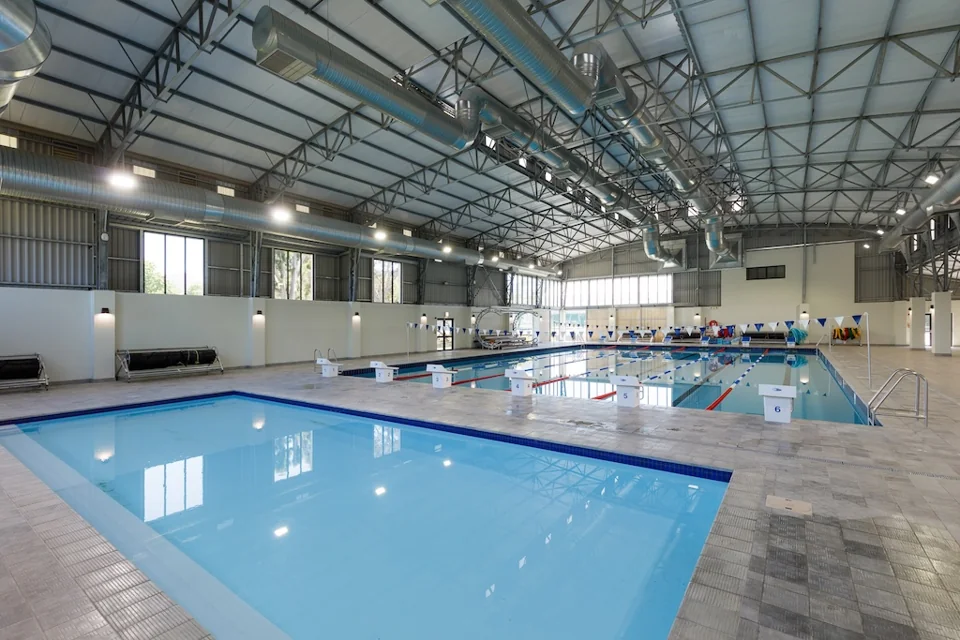
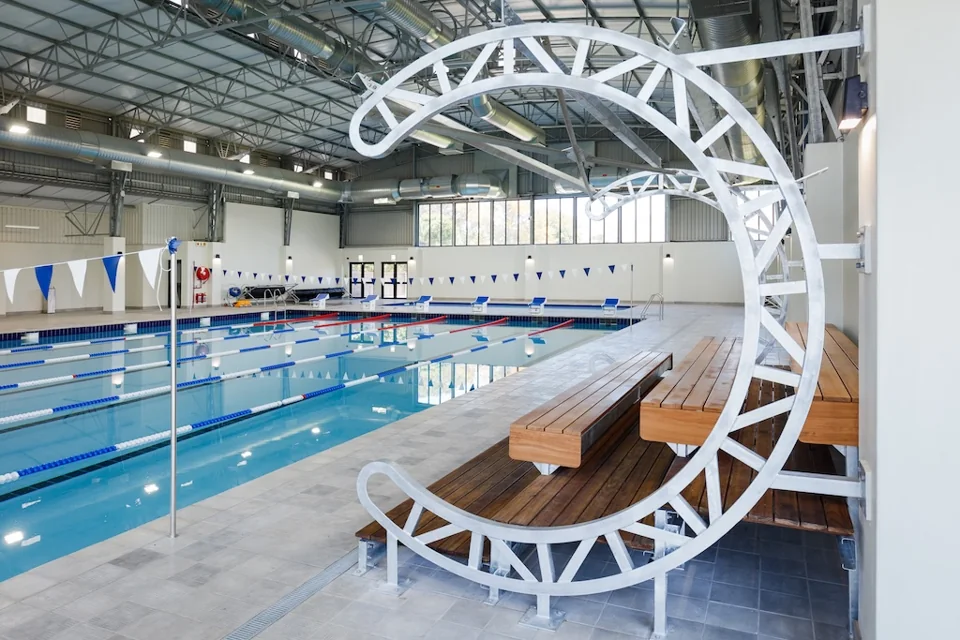
The school’s aquatics-centre announcement describes an indoor facility supporting swimming instruction, training and school activities. It includes a 25-metre pool and a separate pool for younger swimmers. The development also incorporates classrooms for theory-based learning, workshops and coaching, connecting physical activity with instructional space.
The announcement links the centre to physical education, after-school swimming and opportunities for teams and interschool events. Its stated scope extends from early childhood learners through Grade 12. This complements the swimming and other sports already described in the school’s division-level activity programmes. The facility provides a dedicated indoor setting for aquatic teaching and practice within the school grounds. Together with classrooms and co-curricular provision, it illustrates how AISCT organises learning across academic lessons, practical activities and physical development throughout different stages of school education.
Sources: Aquatics centre ↗