Visa

About African Leadership Institute
The academy linked by this directory record
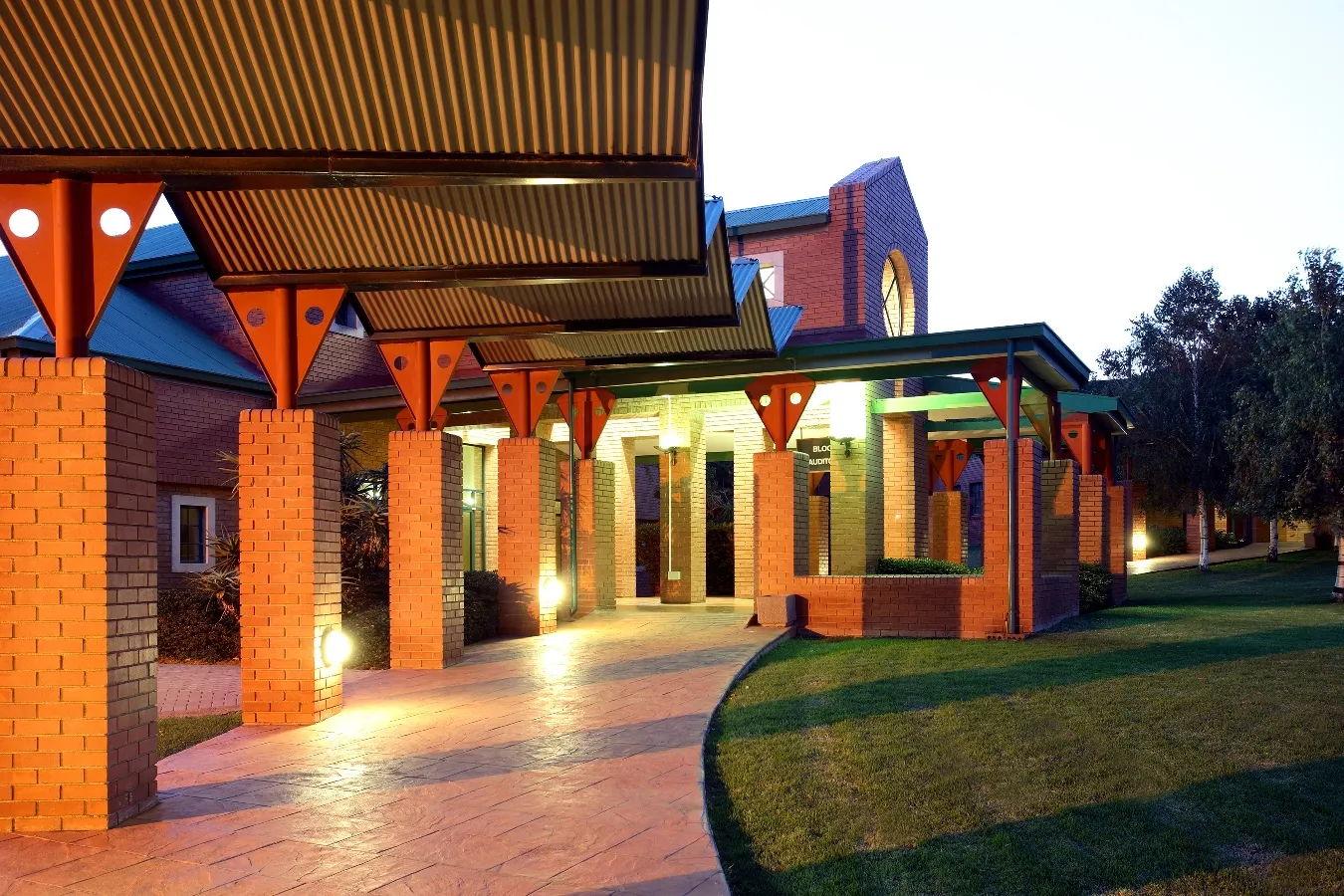
This directory record is labelled African Leadership Institute, but its linked website and ALA acronym identify African Leadership Academy in South Africa. The academy’s address is 1050 Printech Avenue, Honeydew. The profile therefore concerns the academy represented by that website and record, rather than treating the directory label as a separate institution or a confirmed former institutional name.
African Leadership Academy offers a two-year residential diploma programme for teenagers preparing for university and subsequent leadership roles. Its model brings students from across Africa into a shared learning community. Academic study is combined with entrepreneurial leadership, cross-cultural learning and practical opportunities to take responsibility. The academy opened its doors in September 2008 and has developed its educational approach around the idea that young people can help address challenges facing the continent.
Sources: Institutional story and mission ↗ · Academy overview ↗

Origins and educational purpose
ALA’s founding team included Chris Bradford, Fred Swaniker, Acha Leke and Peter Mombaur. The academy’s history traces early planning to 2004 and describes a summer academy in Cape Town used to pilot its curriculum. This experimental beginning preceded the establishment of the residential academy and its first student cohort.
Its mission centres on developing a network of young leaders able to work together on Africa’s challenges. The institution emphasises ethical action, entrepreneurship and cooperation across national borders. Its founding beliefs include addressing the underlying causes of problems, recognising individual initiative, investing in young people and creating opportunities for collaboration. Leadership development is consequently presented as a process of identifying potential, providing demanding educational experiences and connecting people over time.
Sources: Institutional story and mission ↗
Academic study and enterprise
The academy’s core curriculum comprises Entrepreneurial Leadership, African Studies, and Writing and Rhetoric. Students also pursue subjects drawn from the humanities, sciences, languages and creative arts, including Cambridge International AS and A-Level courses. The academic approach uses critical enquiry, design thinking and experiential learning to connect knowledge with action.
African Studies examines the continent through historical, political, economic and geographical perspectives. Writing and Rhetoric develops close reading, analysis, argument and clear communication in speech and writing. Entrepreneurial Leadership gives students conceptual tools and opportunities to develop their own ideas. In the first year, an incubator supports ideas for development; in the second, teams operate campus ventures through the Student Enterprise Program. This provides practical experience of budgets, accountability and working with others to meet community needs.
Sources: Academic curriculum ↗
Residential learning and student responsibility
ALA is fully residential. Its Nelson Mandela Residences provide shared rooms, with students paired across national backgrounds to encourage cross-cultural exchange. Residential faculty and student residential assistants support life in the halls. Houses named after African rivers create another structure for belonging, with sporting and cultural activities involving students across the community.
Students can participate in competitive and recreational sports, including football, basketball, volleyball and netball. Clubs offer further opportunities in music, debating and research. The African Leadership Debating Union organises workshops and competitions, while the African Research Program for Leaders supports student enquiry into continental issues.
Leadership is also practised through student government, peer support and the Honor Council. Peer counsellors help first-year students manage their transition into the academy. The Honor Council supports accountability within the student body. These roles make residential life part of the academy’s educational programme.
Sources: Residential and student life ↗

Preparation for further study
University guidance begins in the first year and continues through graduation. Dedicated staff help students consider academic interests and career goals, research possible universities and understand the application process. The service includes individual counselling, visits from university representatives, standardised-test preparation and essay-writing workshops.
Financial planning is a significant part of the guidance programme. Students receive support in researching scholarships and financial aid, alongside identifying institutions suited to their interests. This work connects the two-year academy experience with possible next stages of education. It also recognises that university choices involve academic fit, personal aspirations and available resources, requiring preparation over time rather than a single application decision.
The guidance team also welcomes admissions officers to campus, giving students opportunities to meet university representatives directly. Conversations and visits complement written research, helping young people ask questions about academic environments and the practical steps involved in continuing their studies.
Sources: University guidance ↗
Short programmes and wider engagement
ALA also runs shorter educational experiences beyond its residential diploma. Its Global Scholars Program brings participants together for leadership learning and cultural exchange. The Chevron Engineering Leadership Program combines STEM interests with mentoring, prototyping and an engineering design challenge. Participants develop ideas, receive feedback and present their work.
Model African Union provides another setting for practical learning. Participants take on diplomatic roles and negotiate questions facing the continent, with committee discussions accompanied by expert presentations and cultural activities. The academy also hosts a semester experience associated with the School for Ethics and Global Leadership, enabling visiting students to learn alongside its diploma cohort. These programmes extend ALA’s emphasis on collaboration, critical thinking and leadership through different forms of international engagement.
The engineering programme combines cultural excursions with group work and mentorship. Its design process asks participants to identify problems, build possible solutions and respond to feedback, making iteration and communication part of the learning experience.