Visa

About Ambis University
A Czech institution with a banking-education heritage
AMBIS University is a private higher-education institution with a presence in Prague, Brno and Bratislava. Its institutional history reaches back to the establishment of the Institute of Banking Education in 1991 and the Banking Institute in 1994. The school obtained private higher-education status in 1999, developing from these banking-education roots into a broader institution.
Subsequent combinations expanded its academic scope. Its published timeline records a connection with the College of Regional Development in 2017, further expansion in 2018, and combinations with a business and hospitality school in 2022, Jan Amos Komenský University in 2023, and University College Prague in 2025. The university describes professionally oriented teaching in which practitioners, organisations and academic staff contribute to students’ education. Optional subject emphases allow students to concentrate on particular interests within broader programmes. Its profile also describes exchanges and collaboration with institutions elsewhere in Europe.
Sources: Institutional profile and history ↗
The transition to university status
In an announcement published on 18 May 2026, AMBIS reported that it had gained university status following the approval of its first doctoral programme. The announcement identifies the institution’s earlier higher-education identity as Bankovní institut vysoká škola and places the change within its longer development beyond banking education.
The new doctoral provision concerns security management. The announcement discusses research themes such as internal security, critical-infrastructure risk and cybersecurity systems. Alongside this development, AMBIS identifies security management, marketing communication, business economics and management, and psychology among its established areas of study. The 2026 change therefore represents a further academic stage for an existing institution, rather than the creation of an entirely new school without an earlier educational history.
Ways of studying
AMBIS distinguishes full-time, combined and distance-learning formats. Full-time study is organised around weekday attendance and regular classroom contact with instructors and fellow students. Combined study uses weekend teaching to accommodate students who have employment or other responsibilities during the working week. These formats retain an on-campus element in the learning experience.
Distance study uses online lectures, exercises, forums and seminars. The university describes online assessment and access to learning materials through its information system, with communication taking place digitally. This format places greater emphasis on students’ independent organisation of their work and access to suitable computing equipment and an internet connection. The published comparison makes the differences between attendance, digital participation and self-directed study explicit, giving each format its own pattern of teaching and interaction.
Sources: Study formats ↗
Professional practice within programmes
Professional placements form part of AMBIS’s approach to applied study. Its placement information distinguishes programme-specific requirements instead of prescribing one identical placement for every student. The institution links the work undertaken to the subject studied and the intended academic profile of the programme.
Students can propose an appropriate host organisation, use an organisation that has an agreement with the university, or undertake suitable practice in their existing workplace. Work-based practice requires prior administrative approval; employment alone does not automatically replace the academic placement process. The university also distinguishes professionally oriented programmes from academic programmes that do not contain a placement component. Administration takes place electronically through the university information system, including notification of the host organisation before practice begins and submission of required documentation afterwards. This structure connects workplace experience with the requirements of the individual study plan.
Sources: Professional placements ↗
Libraries and research resources
AMBIS lists library services in Prague, Brno and Bratislava, each with an online catalogue and local contact arrangements. Its electronic-resource provision includes Web of Science, Scopus, ProQuest, Beck Online and JSTOR. These resources serve different purposes, from locating research and following citations to consulting legal information and scholarly publications.
The library distinguishes licensed resources from freely available services. Its listed open resources include Google Scholar, Google Books, Czech library catalogues and economics-related material. Citace PRO supports citation and bibliography management, and the library directs students to guidance through the institution’s information system. Access arrangements differ between resources: some depend on campus computers or university Wi-Fi, while others have account-based options. This combination of physical libraries, catalogues, electronic collections and referencing tools supports both assigned reading and independent academic investigation.
Sources: Library and electronic resources ↗
Transferable skills alongside subject knowledge
The university’s Future SKILLS framework organises transferable learning into six areas: digital literacy and artificial intelligence, creativity and innovation, project management, information literacy and critical thinking, teamwork and communication, and learning and self-management. It presents these as abilities to develop alongside knowledge of a particular academic field.
Named subjects associated with the framework include IT skills, applied AI, basic cybersecurity, creativity and innovation, project-management foundations, organisational behaviour, teamwork, and argumentation and self-reflection. The accompanying descriptions address practical activities such as checking sources, analysing arguments, organising projects, communicating within a group and planning personal development. The framework also discusses understanding the strengths and limitations of digital tools. Its emphasis is on how students approach information, people, tasks and their own learning, rather than treating professional preparation solely as the accumulation of subject facts.
Sources: Future SKILLS ↗
Prague and Brno study locations
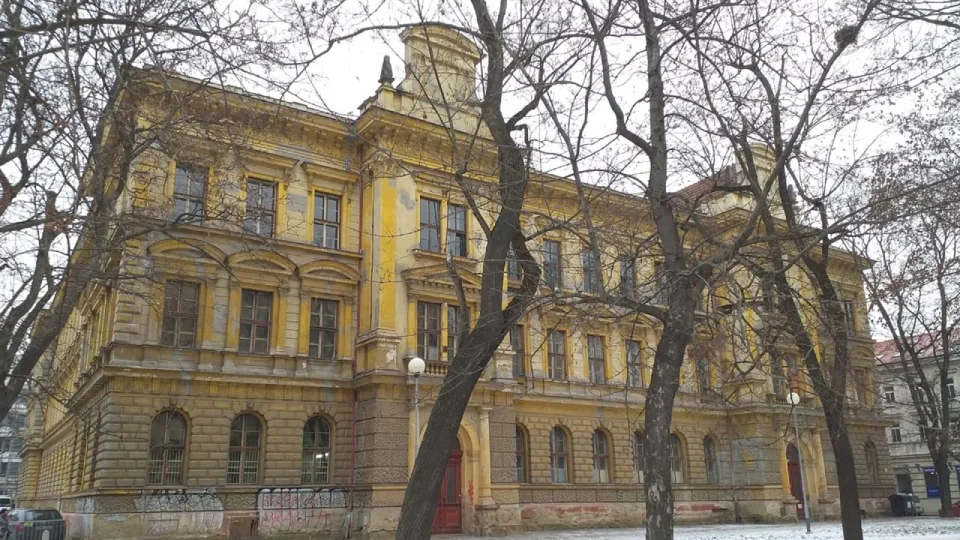
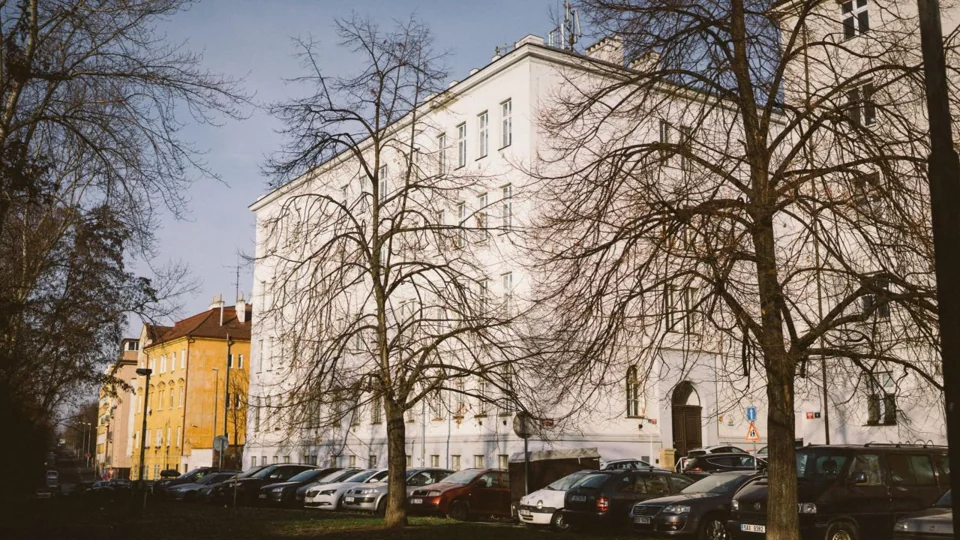
The Prague branch is located in Libeň at Lindnerova 575/1. Its official campus page provides study-office information and access to advisers according to programme, year and location. It also identifies library services at this branch.
The detailed Brno campus page gives the address as Šujanovo náměstí 356/1 in the Trnitá district. Study-office and library information are published for this location as well. These branch services provide local points of contact for enrolled students, complementing the institution’s online information system and its different teaching formats.
Sources: Prague campus ↗ · Brno campus ↗