Visa
About Alberoni University
A university in Kapisa
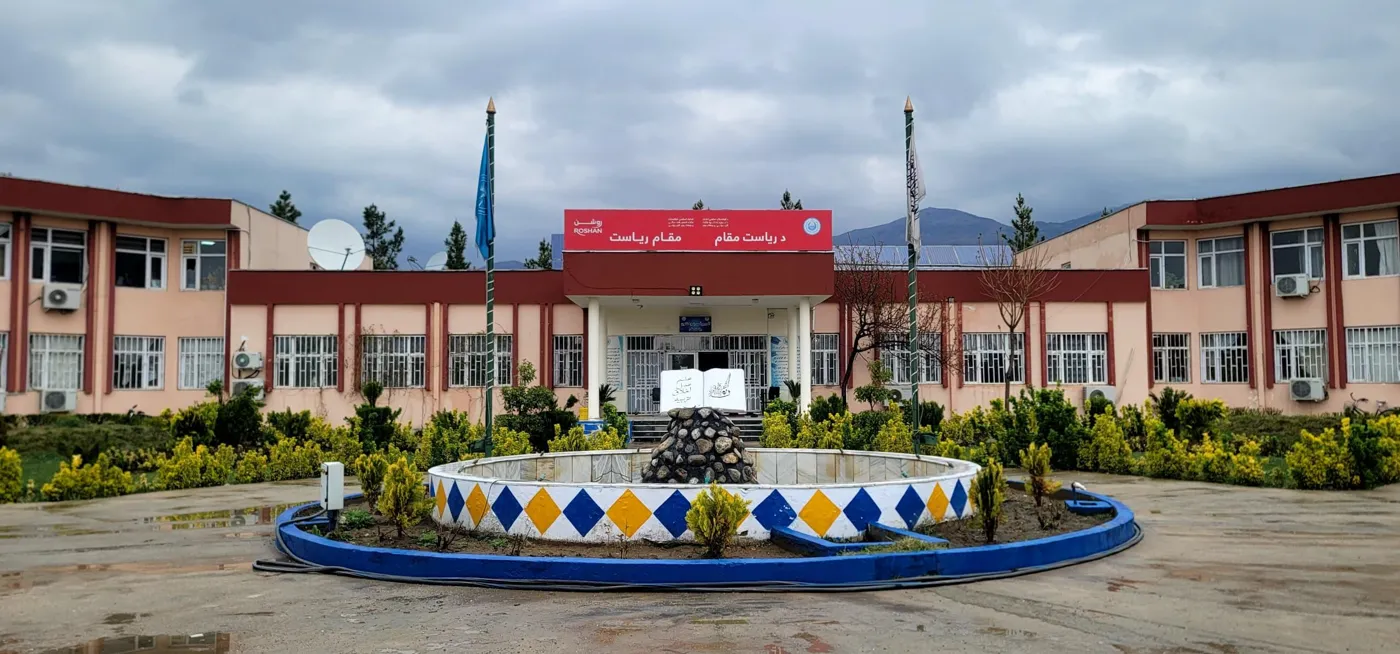
Alberoni University is an Afghan higher education institution whose official address is in Hesa Awal Kohistan district, Kapisa province. Its name appears in English on its official website alongside Dari and Pashto versions of the institutional identity. The university’s introductory account dates its establishment to 1377 in the Solar Hijri calendar. It presents teaching, research and the application of knowledge through engagement with public and private sectors as connected parts of its purpose. Its published academic structure spans medicine, engineering, law and political science, economics, Islamic studies, languages and literature, journalism, agriculture and education. This range combines professional, scientific and humanistic fields within the same institution.
Sources: University introduction ↗
Engineering and technical study
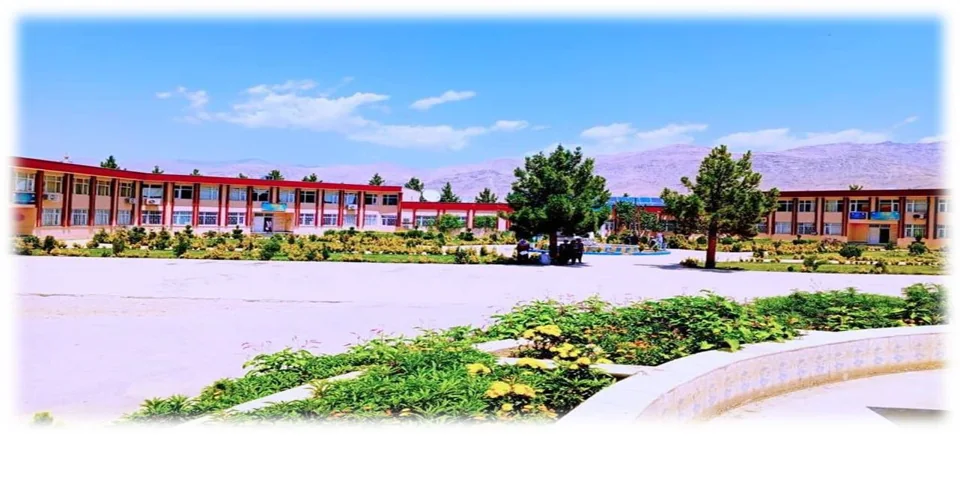
The Faculty of Engineering identifies civil engineering and electrical and electronics engineering as its two departments. Its historical description places the faculty among the university’s early academic units and explains a transition from an older five-year programme to a four-year credit-based structure. The faculty describes educational cooperation with Kabul University as part of its curriculum development. Its stated mission connects disciplinary knowledge and professional skills with service to society, while its vision links teaching with knowledge production through research. The faculty’s published materials include an institutional plan, organisational chart and catalogue. Together, these show how it presents both the academic content and administrative organisation of technical education.
Sources: Engineering faculty ↗
Agriculture and practical learning
The Agriculture Faculty’s account describes an initial organisation around plant and animal sciences, followed by the addition of horticulture. Its development narrative records practical infrastructure created with external assistance, including research plots, orchards, greenhouses and a machinery workshop. It also describes irrigation-related improvements, soil-testing kits and a small underground cold store. Grapes, almonds, peaches, apricots and forestry planting appear among its examples of practical agricultural work. These are documented elements of the faculty’s development, without implying that older numerical inventories describe current capacity. The faculty also publishes separate catalogue links for horticulture, animal science and agronomy, connecting its practical activities with identifiable fields of academic study.
Sources: Agriculture faculty ↗
Language, literature and communication
The Languages and Literature Faculty describes departments concerned with Dari, Pashto, Arabic and English. Its Dari department’s educational aims include writing, research, engagement with classical and contemporary works, and the use of library and field sources. The Arabic department discusses grammar, rhetoric, translation and the relationship between Arabic scholarship and Afghanistan’s national languages. Its description combines reading and writing with speaking and listening abilities. English teaching is presented through theoretical and practical study, including pedagogical and research elements. Across these descriptions, language is treated both as an object of scholarly study and as a means of communicating, interpreting texts and supporting education.
Sources: Languages and literature ↗
Journalism as a distinct academic field
Journalism has its own faculty, with published descriptions of print media and radio and television specialisms. Its account connects academic study with communication, media, public relations and the needs of media organisations. The print-media department’s stated mission emphasises research, academic training and the use of communication technologies, while its vision includes public awareness and effective social communication. The faculty also publishes a strategic-planning framework covering teaching, research, administration and infrastructure. Its history explains that journalism developed from an earlier relationship with Languages and Literature into a separate faculty. The published material consequently presents both a disciplinary focus and an institutional development narrative.
Sources: Journalism faculty ↗
Research organisation and scholarly skills
The Scientific Research Centre supports basic and applied investigation in social and natural sciences. Its description gives it a coordinating role across faculties through university and faculty-level research committees. Listed responsibilities include helping organise research teams, supporting publication of books and articles, and providing training in academic writing, thesis preparation and proposal development. The centre also describes seminars and workshops involving other universities and oversight of research activity. A research council reviews plans, budgets and proposals and considers cooperation with other academic institutions. These functions connect the production of scholarship with the practical administration of research, from developing a proposal to assessing and disseminating completed work.
Sources: Scientific research centre ↗
Student administration and development
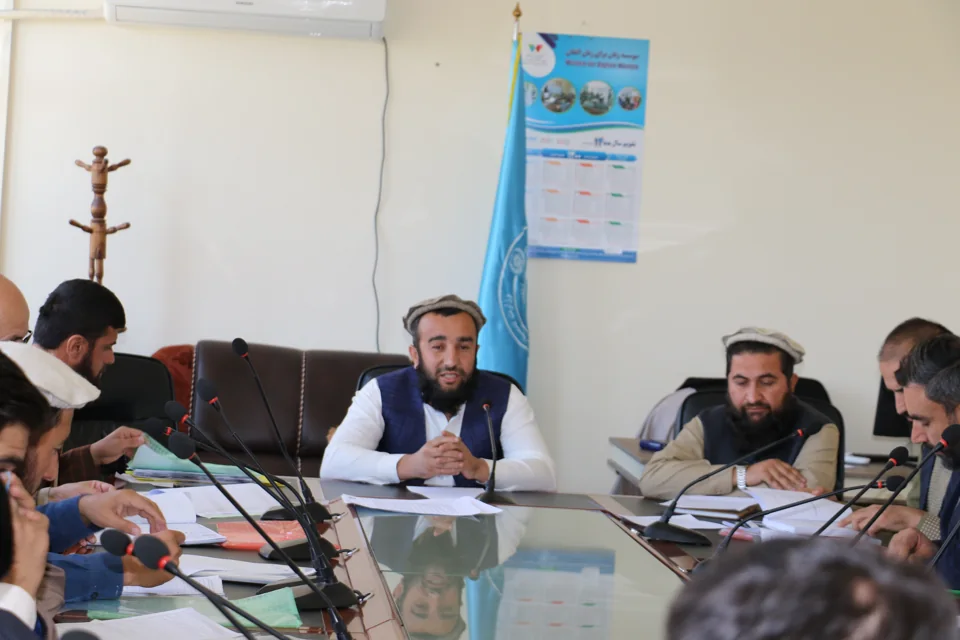
The Student Affairs vice-chancellorship combines administrative responsibilities with support for students’ academic development. Its published remit includes implementing student-related policies, issuing diplomas and transcripts, maintaining official records and addressing student concerns. It coordinates with faculty and administrative staff when difficulties arise. The same account describes seminars and educational programmes intended to develop scientific, cultural and social skills. Its strategic objectives include improving teaching arrangements, supporting student-centred learning and helping students participate in academic conferences. This places records management and academic support within the same institutional service, while recognising that students’ university experience includes skills and activities beyond individual courses.
Sources: Student affairs ↗
Library resources
The central library’s account describes its establishment with support from scholars, teachers, students, cultural figures and book donors. It identifies both general library management and functions concerned with library cards and book distribution. The page also records the creation of an electronic library in Solar Hijri year 1404 and links to the Afghanistan Centre at Kabul University’s information resources. These provisions complement the university’s teaching and research by providing routes to books and digital information. The library is described as a university service rather than a separate academic institution.
Sources: Central library ↗