Visa
About Afghanistan National Agricultural Sciences and Technology University
Agricultural higher education in Kandahar
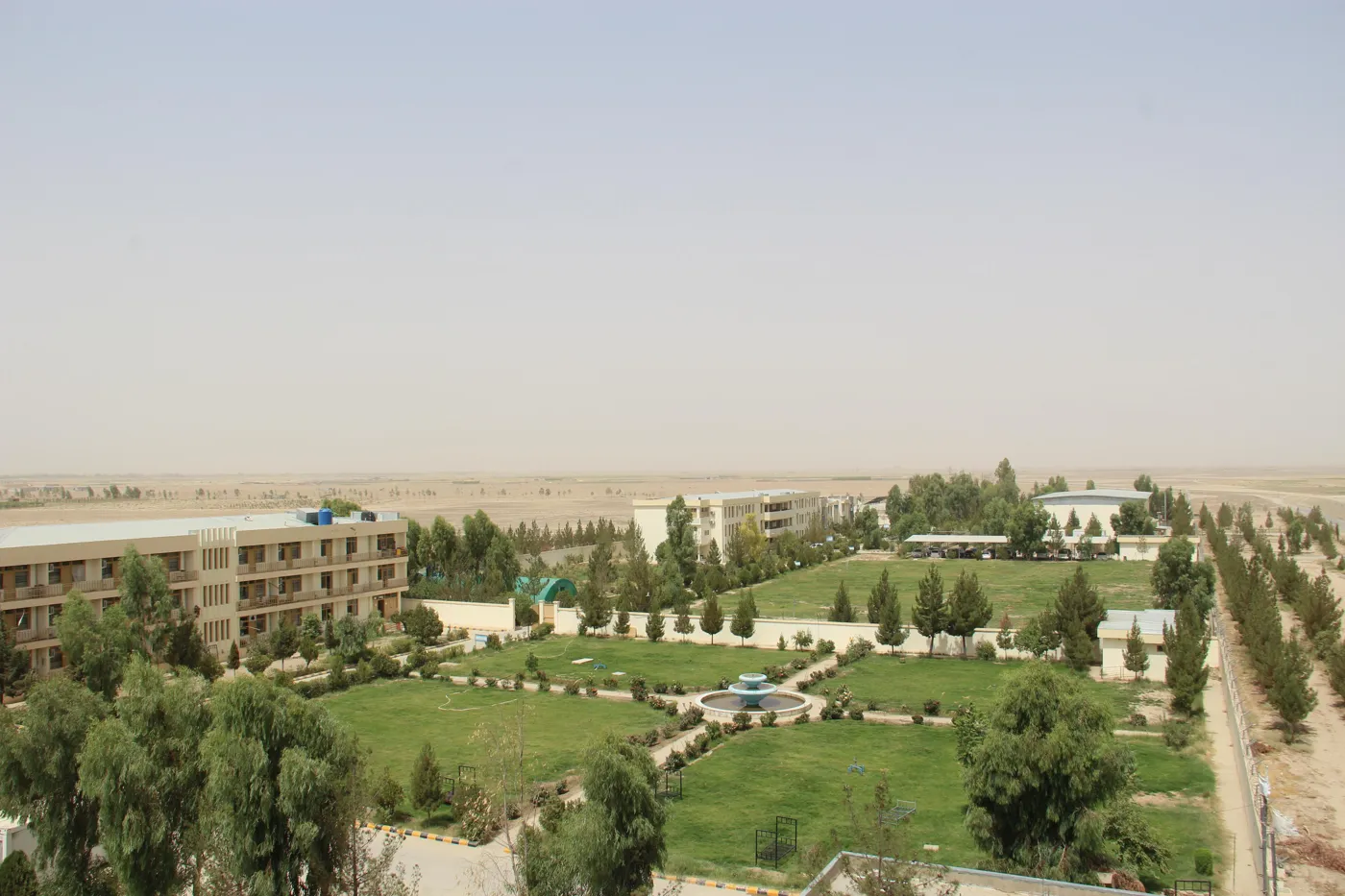
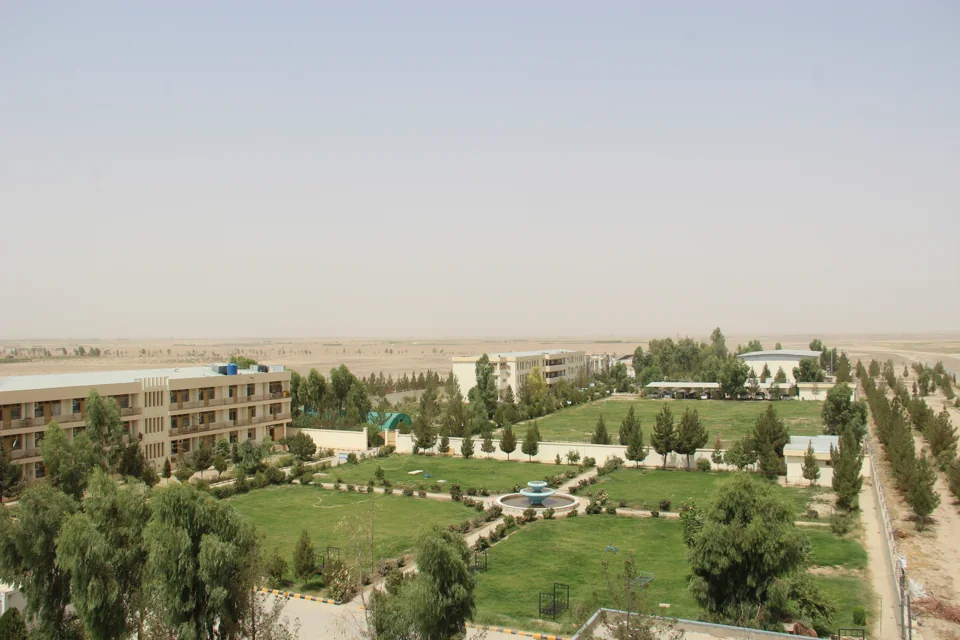
Afghanistan National Agricultural Sciences and Technology University, commonly known as ANASTU, is a specialist university in Kandahar, Afghanistan. Established in 2013, it was developed to strengthen agricultural and livestock education, research and technical capacity. Its institutional history describes an origin on a former Ministry of Agriculture rice-farm site, giving the university a setting closely connected with agricultural practice.
The university's academic purpose combines theoretical study with preparation for research. Its fields address crop production, agricultural economics, engineering and related aspects of rural development. The Plant Sciences faculty's history records postgraduate agronomy study beginning in 2014, with the first cohort graduating in 2016 through a joint programme involving the Indian Agricultural Research Institute. This was an early phase of postgraduate development; the present departmental structure also supports undergraduate education and research activity.
Sources: Institutional history ↗ · Faculty of Plant Sciences ↗
Plant sciences and crop-related disciplines
The Faculty of Plant Sciences brings together agronomy, horticulture, plant protection, biotechnology, soil science and irrigation, genetics and plant breeding, forestry and natural resources, and agricultural engineering. These disciplines address different parts of crop production, from plant characteristics and growing conditions to the technologies used in agricultural work.
Its stated mission connects an academic and research environment with the needs of farmers. The faculty identifies research on traditional and improved crops, sharing results and developing relationships with other educational and research institutions among its goals. Its organisational arrangements include academic, curriculum, research, quality and examination responsibilities. This provides a framework around the teaching departments, connecting the development of subject knowledge with review of educational practice and the communication of research. Plant study is therefore situated within both scientific training and the agricultural conditions of the region.
Sources: Faculty of Plant Sciences ↗
Agronomy and practical learning
The Department of Agronomy focuses on preparing professionals able to address crop-production and agricultural-system challenges. Its academic priorities include applied research, the transfer of agricultural knowledge and the use of improved techniques. The department links its educational work with food security, farmers' livelihoods and the productivity and quality of farming systems.
Its teaching strategy describes student-centred learning, information technology and opportunities to develop practical competencies alongside theoretical understanding. Field-based activities, internships and practical courses form part of this approach. The department also describes advisory services and training workshops for farmers. These activities connect its work with people beyond enrolled students, providing ways to communicate research and agricultural knowledge. Faculty development, research facilities and collaboration with other scientific institutions are included in its plans for strengthening teaching and investigation.
Sources: Department of Agronomy ↗
Engineering for agricultural systems
Agricultural Engineering connects agricultural science with engineering and environmental concerns. Students encounter the design, construction, use and maintenance of machinery and equipment, as well as irrigation management and the design of agricultural buildings and facilities. Processing and preserving agricultural products are also included in the department's published subject description.
The department presents these topics in relation to efficient resource use, reducing losses and improving agricultural production. Mechanisation and modern technology are important themes, but they are linked with the sustainable use of natural resources. Its mission combines teaching, research and practical work, with attention to farmers' capabilities and community development. This gives engineering an applied agricultural context, encompassing the equipment, infrastructure and processes involved between producing a crop and handling the resulting products.
Agricultural economics and development
The faculty responsible for agricultural economics and development addresses the economic and organisational dimensions of agriculture. Its academic fields include agricultural economics, extension, marketing and agribusiness management. Teaching and research concern economic analysis, agricultural-product markets and development programmes, complementing the technical study of crops and agricultural equipment elsewhere in the university.
The faculty's account records its development from economics and extension departments, with agricultural marketing added later. It also describes the introduction of master's-level study in agricultural economics. The stated educational aim is to prepare professionals who can analyse problems facing the sector and contribute to agricultural development. This places questions about markets, farm incomes and the organisation of knowledge transfer alongside the university's scientific and production-related interests.
Agribusiness and links with markets
The Agribusiness Department is part of the agricultural economics and development faculty. Its curriculum description includes agricultural-product marketing, marketing planning, business planning and management subjects. The department connects these areas with the practical needs of transactions between farmers, businesses and markets.
Its goals include investigating marketing conditions and encouraging collaboration between producers and market participants. Teaching and research are supported by departmental planning, academic development and the publication of research. The department's account also describes participation by lecturers in university and faculty committees. Together, these activities show an academic area concerned with how agricultural production becomes part of an economic system, adding business and organisational perspectives to the university's agricultural specialisation.
Sources: Agribusiness Department ↗
Research and communicating findings
The Directorate of Scientific Research coordinates investigation in agriculture and livestock-related fields. Its responsibilities include identifying research needs, supporting proposals, organising research training and maintaining links with other research institutions. It also provides a route for disseminating findings to communities and relevant organisations.
Its activity report describes farmer and livestock-producer workshops, research conferences, poster presentations and published collections of findings. A radio programme introduced in 2026 provides another channel for discussing regional agricultural and livestock challenges. These forms of communication connect academic investigation with extension and public learning, giving the university's research work audiences beyond its own departments.
Sources: Directorate of Scientific Research ↗