Visa
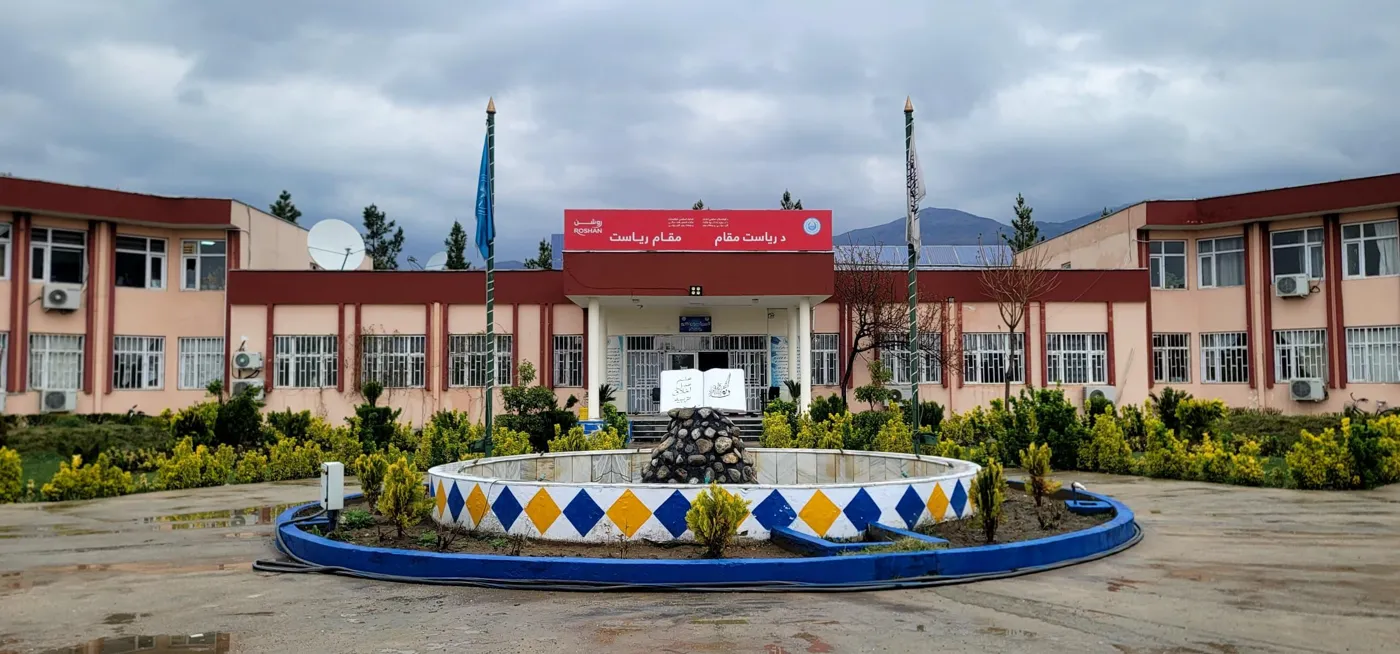
About Al-Birony University
Alberoni University in Kapisa
Al-Birony University is the institution whose official website uses the English name Alberoni University and the Dari name پوهنتون البیرونی. It is based in the first Kohistan district of Kapisa province, Afghanistan. The university dates its establishment to the solar-Hijri year 1377, and its engineering faculty's English history identifies 1998 as the founding year.
The university describes its purpose through three connected activities: generating knowledge through research, transferring knowledge through education, and applying knowledge through engagement with public and private sectors. Its institutional account places teaching, research and service within a commitment to social development. Academic provision spans professional and scientific fields alongside humanities and religious studies, reflecting the institution's development into a multidisciplinary university.
Sources: Alberoni University in Kapisa ↗ · Engineering and the development of study programmes ↗
Engineering and the development of study programmes
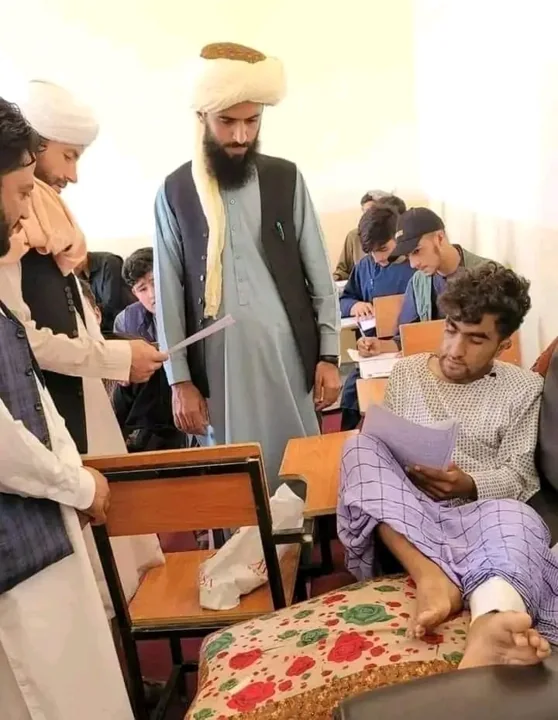
Engineering belongs to the university's founding academic fields. The faculty identifies Civil Engineering and Electrical and Electronics Engineering as its two departments. Its published history describes the development of the academic programme from an earlier five-year structure towards a four-year credit-based programme, following curriculum review and cooperation with Kabul University.
This change involved revising the number of semesters, removing some subjects and introducing additional computer courses. The faculty presents education and research as complementary parts of its mission, with professional knowledge and skills intended to serve society. Its account therefore provides more than a list of departments: it records a process of curriculum change and academic cooperation through which engineering education at Alberoni has evolved.
Sources: Engineering and the development of study programmes ↗
Law, political science and international relations
The Faculty of Law and Political Science traces its start to solar-Hijri year 1378. Its present departmental description identifies Law and Political Science and International Relations as its two graduating divisions. These grew from earlier divisions concerned with administration and diplomacy, and judicial and prosecution studies.
The political-science account includes political thought, international relations, diplomacy, foreign-policy analysis and international organisations among its subjects. The law description addresses areas such as criminal law, criminology, family law and civil and criminal procedure. Faculty objectives include developing research, improving teaching and strengthening quality assurance. Its stated values connect subject expertise with responsibility, cooperation, mutual respect and the rule of law, giving the faculty both disciplinary and institutional priorities.
Sources: Law, political science and international relations ↗
Agriculture and field-based investigation
Agriculture developed initially through plant and animal sciences, with horticulture subsequently added to the faculty's provision. Its institutional history describes the development of research farms and practical resources through cooperation with external organisations. Examples include orchards, greenhouses, forestry plots, machinery facilities and soil-testing resources.
The faculty's account also records a saffron trial established with the Kapisa agriculture department in solar-Hijri year 1398. These examples show the connection between agricultural education and the investigation of crops and production systems. The emphasis is on resources and activities developed through the faculty's history, including partnerships with government and non-government projects. Its work brings plant production, animal-related study and horticulture together within the university's broader scientific provision.
Teacher education and subject knowledge
The Faculty of Education's published description lists mathematics, physics, Islamic cultural sciences, history, geography, chemistry and biology among its departments. Subject study is joined with educational knowledge: chemistry students, for example, encounter psychology, general teaching methods and the teaching of chemistry, while biology also includes teaching-method preparation.
The faculty identifies professional development, curriculum review and student-centred approaches as priorities. Its plans address assessment, teaching quality, research and the development of academic staff. The educational mission connects disciplinary understanding with pedagogy and responsibility to society. Cooperation with Kabul's teacher-education institution appears within its account of academic work. This combination places preparation for teaching alongside scientific and humanities subjects within Alberoni's multidisciplinary structure.
Sources: Teacher education and subject knowledge ↗
Journalism and communication
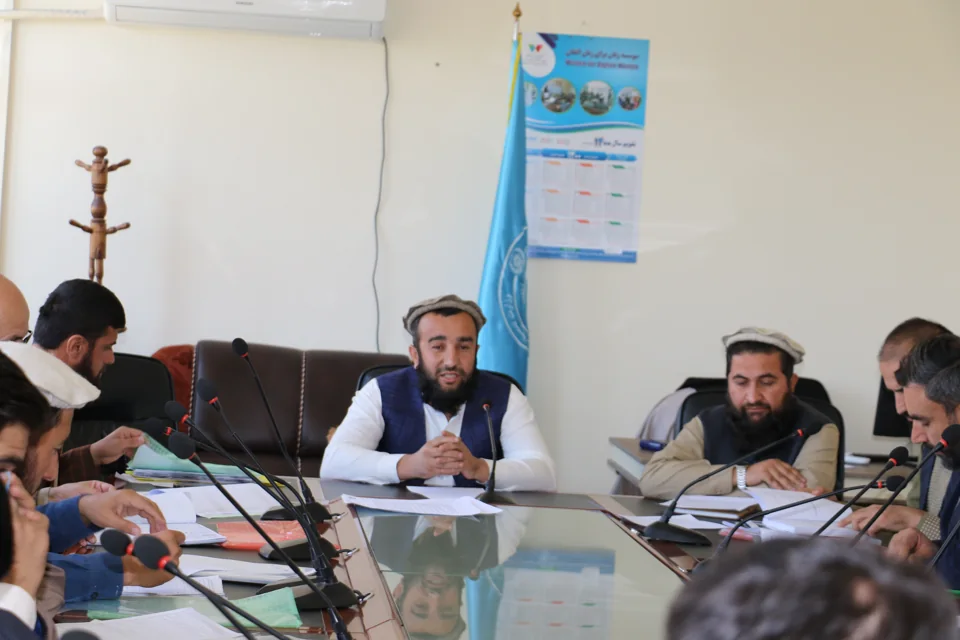
Journalism developed from an earlier place within Languages and Literature into a faculty with specialist provision in print journalism and radio and television. Its official description connects this development with the need for education and research in media, communication and public relations. The faculty's mission also identifies the use of newer technology within teaching and investigation.
Its strategic-planning account covers a five-year period, 1403–1407 in the solar-Hijri calendar, bringing academic, research, administrative and infrastructure questions into one planning framework. The print-media division emphasises education and knowledge production concerning print media and public relations. These stated academic directions give communication studies a distinct place at the university, alongside its professional, scientific and teacher-education fields.
Sources: Journalism and communication ↗
Research organisation and academic writing
The university's scientific research centre describes a role in supporting investigations in both social and natural sciences. Its remit includes forming research teams, helping with publication of books and articles, and offering training in thesis writing, research articles and proposal preparation. Seminars and workshops with other universities are also included in its activities.
A research council and faculty-level committees support the organisation of this work. Responsibilities described for these bodies include reviewing proposals, considering budgets and plans, monitoring progress and developing cooperation with other academic institutions. The centre also identifies consultation and the use of findings in practical settings as priorities. Faculty committees also review scholarly work submitted as research, translation or authorship, providing another level of consideration for academic projects. Its structure connects individual academic projects with university-wide planning, review and the development of research capabilities.