Visa

About Al Yamamah University
A Riyadh university with college origins
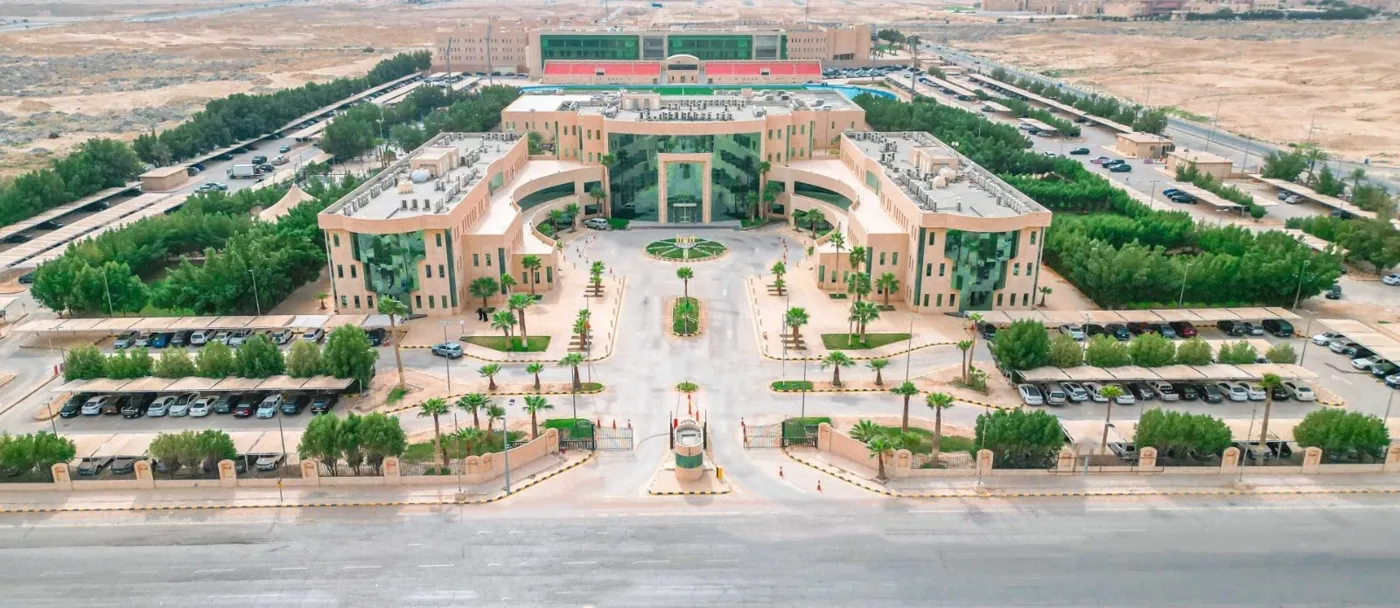
Al Yamamah University is a Saudi institution in northern Riyadh, with its campus on King Fahd Road. Its development began with a licence for Al Yamamah College in 2001. The first business cohort entered in September 2004, and women began studying in the 2006 academic year. The institution subsequently expanded into computer and information systems. Royal approval in 2008 marked its transformation from a college into a university. Its present academic scope includes business, engineering and law, with English playing a central role in teaching. The university’s partnership with INTERLINK supports that language environment. A separate expansion into Al Khobar welcomed its first preparatory cohort in 2022–23; the Riyadh campus remains a distinct location within this institutional development.
Sources: About Al Yamamah ↗
Business knowledge through accounting
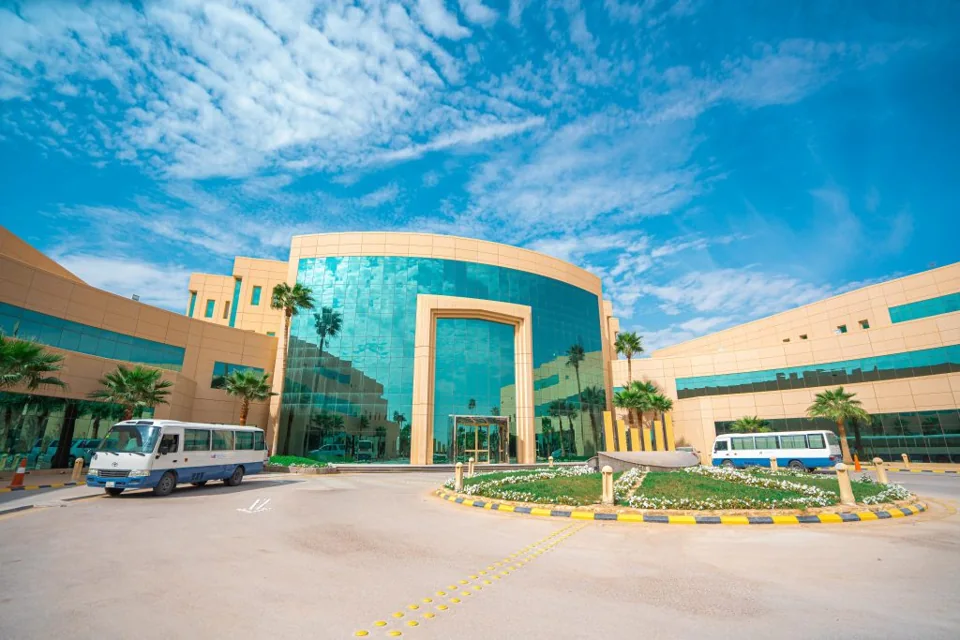
Accounting is offered within the university’s business studies and brings together conceptual understanding, technical skills and professional judgement. The programme’s objectives ask students to apply accounting knowledge to decisions, rather than treating the subject solely as a set of calculations. Professional standards and the regulatory environment provide an important framework for this work. Students also examine conceptual approaches in both local and international contexts. Clear communication is another stated learning outcome, covering concise reports and effective verbal and written presentation. The programme connects these skills with teamwork, individual responsibility, leadership and continued learning. Ethical conduct and social responsibility are included in its description of professional preparation, together with the ability to work within multicultural organisations and settings.
Sources: Accounting programme ↗
Engineering the software lifecycle
The Software Engineering programme examines the processes through which software systems are created and sustained. Its published description includes analysis, design, implementation, application and maintenance. Verification and validation are also part of the subject, connecting development with the assessment of a system’s correctness and suitability. Advanced computer science and related disciplines support work on complex systems and their application domains. The programme’s scope extends to software development and support as well as web design. Separate links to course descriptions, required courses and different study-plan versions accompany the programme overview. Together these materials present software engineering as an organised academic field concerned with a system’s full development lifecycle, including what happens after its first implementation.
Sources: Software Engineering programme ↗
Studying law in Riyadh
The university’s Riyadh law programme combines legal theory and practical work. Its Bachelor of Law description gives particular attention to English legal terminology and to the use of English in professional legal education. National and international contexts frame the study of principles, regulations and cases. Academic work includes legal analysis, research, writing and drafting, building the ability to communicate legal reasoning in a structured way. The curriculum moves from introductory study towards subjects such as commercial law, property law, labour law and civil procedure. Prerequisite requirements organise that progression and connect later research and training with earlier academic preparation. Humanities and social science electives provide further perspectives alongside the specialised legal curriculum and its practical components.
Sources: Bachelor of Law ↗
Academic language development
INTERLINK’s English Orientation programme prepares students for the language demands of university study. Its approach encompasses reading, writing, listening and speaking, but also research, critical thinking, presentation and the management of study time. The CELP stage establishes basic literacy and paragraph-level expression through narration, description and everyday conversation. The ORN courses then develop the skills needed for academic texts and discussions. Learners work towards analysing readings, writing coherent essays and research papers, and giving advanced presentations. Research also supports persuasive debate and the development of arguments. This sequence places language learning within the tasks students encounter in academic programmes, progressing from fundamental communication towards the more sustained reading, writing and speaking expected in English-medium higher education.
Sources: English Orientation programme ↗
Information resources and learning spaces
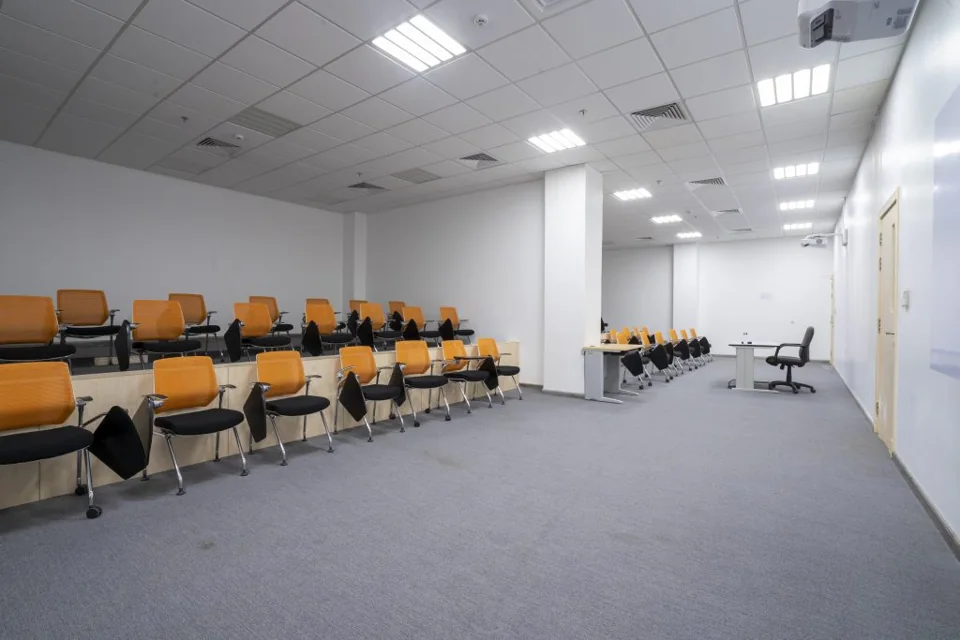
Al Yamamah’s library brings Arabic and English resources together for the university’s principal fields, including business administration, engineering, architecture and law. Its collections comprise books, scientific journals and databases, supported by an online catalogue and computer workstations. The library description identifies a men’s central library and a women’s section. Electronic database access is provided from both inside and outside the campus, extending the use of resources beyond the physical collections. Borrowing, reference support, course reserves and library instruction are among the listed services. Students can use individual and group study rooms, while orientation sessions introduce the resources and their organisation. The library’s objectives explicitly connect its acquisitions and services with the requirements of the university curriculum and the preservation of its collections.
Sources: About YU Library ↗
Professional development beyond classes
Students and alumni can engage with the Career Services Center for career exploration and preparation. Its published services cover mock interviews, workshops, career advising, employer events and cooperative-training support. The career skills course addresses the preparation of a professional CV and online profile, interview practice, business correspondence and presentations. Workplace culture and ethics also feature in the course description. The centre maintains connections with employers and seeks to keep alumni involved in university life. One dated example is its July 2020 remote training session, which invited graduates to share their cooperative-training experiences in public and private organisations. Alongside academic instruction, these activities give students opportunities to practise professional communication and hear how earlier graduates approached the transition into working environments.
Sources: Career Services Center ↗