Visa
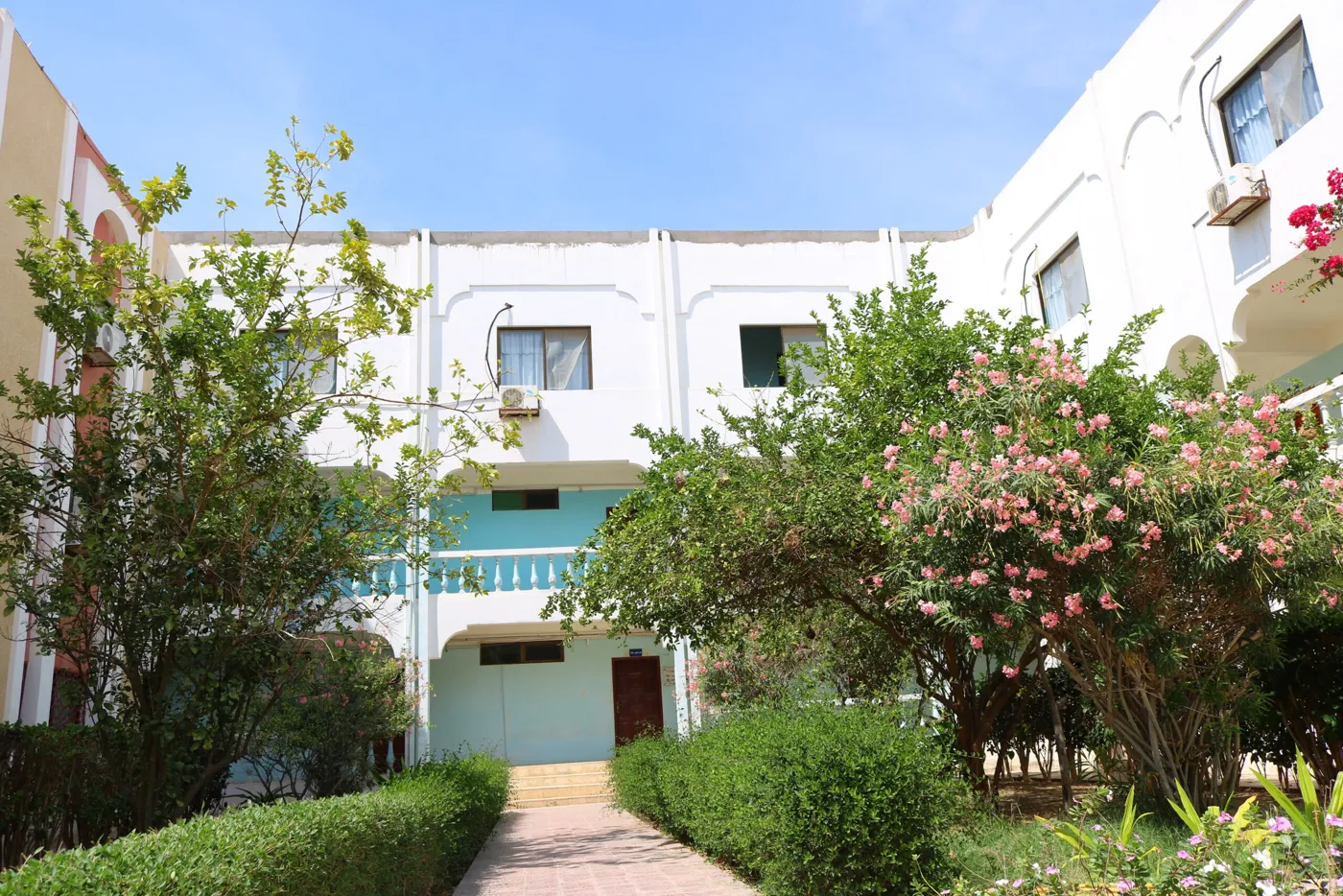

About Al-Rayan University
A private university in Hadramout
Al-Rayan University is a private university in Mukalla, in Yemen’s Hadramout governorate. Its official introduction dates its establishment to the beginning of the 2009–2010 academic year under Ministerial Decision No. 192. The university gives its location as the Fuwwah area, in the Al-Insha’at neighbourhood, opposite the hall named for Professor Ali Hood Baaboud.
The institution describes an educational purpose that brings together academic learning, ethical values and continuing personal development. Its introduction emphasises developing students’ capacity for lifelong learning and responding to changes in knowledge and practice. The official website also serves as a channel for information about the university’s organisational structure, faculties, academic programmes and activities.
Sources: University introduction ↗
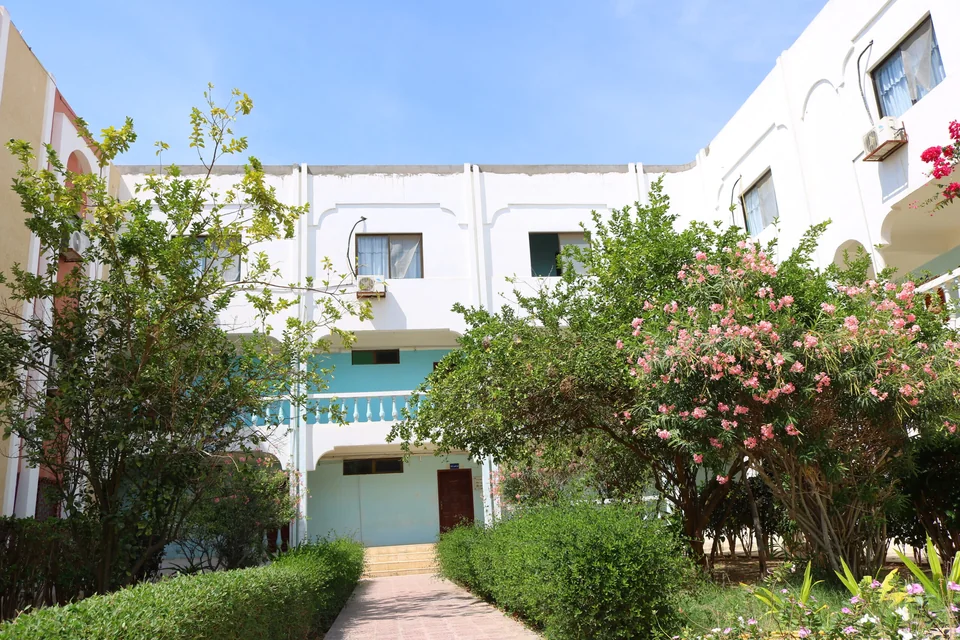
Institutional values and educational priorities
The university’s values statement identifies transparency, objectivity, integrity and independence. Transparency is explained through clarity in relationships and the review of institutional policies. Objectivity concerns impartial decisions, while integrity addresses ethical conduct in internal and external dealings. Independence is associated with academic decision-making.
The objectives connect these values with the university’s educational work. They include developing scientific and humanities expertise needed by society, improving the quality of teaching and helping students build creative skills. The university also identifies stronger relationships with other universities and research institutions inside and outside Yemen as an objective. Strategic planning is presented as a basis for managing education and research. Community development and attention to social problems provide a further theme within this published framework.
Administrative and financial sciences
The Faculty of Administrative and Financial Sciences traces its establishment to the university’s foundation in 2009. Its academic structure identifies Accounting, Business Administration and Management Information Systems. The faculty’s introduction specifically describes bachelor’s and master’s programmes in accounting and business administration.
The dean’s statement connects the faculty’s educational activity with administrative and financial development. It discusses updating curricula and educational programmes in response to changes in business, accounting and management practice. The faculty’s news archive also records graduation-project discussions in accounting, business administration and management information systems in June 2026. These are concrete examples of student academic work within the faculty. Its programme structure brings financial information, organisational management and information systems into a shared academic setting.
Language and humanities education
The Faculty of Arts and Humanities describes interests in language, literature, culture and the development of independent thinking. Its published introduction identifies English language and translation, Arabic and Islamic studies within its academic scope. English and translation are presented at both bachelor’s and master’s levels.
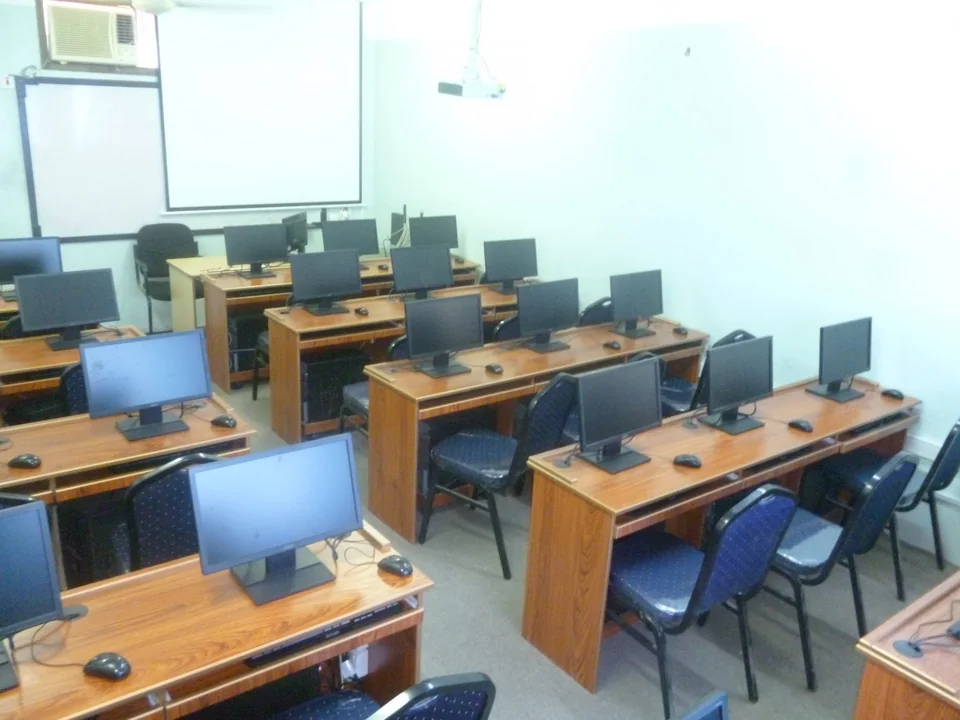
The faculty account refers to language laboratories and teaching spaces that support its programmes. Its academic news includes master’s thesis discussions in English and the discussion of English-language and translation graduation research in June 2026. The dean’s message places cultural, ethical and intellectual development alongside subject knowledge. Together, these descriptions show a faculty concerned with linguistic study, translation and research within the university’s wider humanities provision.
Sources: Faculty of Arts and Humanities ↗
Postgraduate development and research
The Postgraduate Studies and Scientific Research Deanship records its establishment in 2014 under Ministerial Decision No. 923. Its historical account distinguishes that administrative establishment from the start of enrolment in the 2017–2018 academic year.
The dean’s published introduction identifies master’s specialisms including information technology, accounting, business administration, jurisprudence and its principles, Islamic studies, Arabic and English. The deanship’s role includes academic and administrative guidance for postgraduate students in cooperation with the faculties and other university units. Its stated research objectives include linking theses with practical fields and supporting cooperation with public and private institutions. The deanship also provides links to research-plan guidance, master’s procedures, thesis specifications and completed master’s research. These resources connect postgraduate teaching with the organisation and presentation of scholarly work.
Sources: Postgraduate Studies and Scientific Research Deanship ↗
Student affairs and university procedures
The Student Affairs Deanship describes a role extending from a student’s entry to the university through graduation. It identifies students’ academic interests, rights and administrative needs as central responsibilities. Its statement links student support with the university’s educational and ethical purpose.
The deanship’s official page brings together practical routes to the academic calendar, semester results, student-affairs handbook, admissions procedures and student forms. Other sections concern attendance, student conduct, disciplinary regulations and frequently asked admissions questions. A student-activities section and an alumni-club link also appear in this service structure. The deanship presents these procedures and services as part of supporting students during their university studies, with academic and administrative matters addressed through the institution’s regulations.
Sources: Student Affairs Deanship ↗
Connecting information technology with practice
An official report published on 31 October 2026 describes a scientific field visit by fourth-year Information Technology students to Sanood, a business and information-technology solutions company in Mukalla. Male and female students took part, accompanied by a representative of the faculty.
The visit introduced students to the company’s technical activities and professional working environment. The university described its purpose as linking academic knowledge with practical experience and developing students’ applied understanding of information technology. It also placed the visit within efforts to build cooperation with private-sector institutions. This report provides a specific example of an organised learning activity outside the classroom, centred on the relationship between university study and technical practice.
Sources: Information Technology students visit Sanood, 31 October 2026 ↗
Welcoming new students
A September 2026 university report describes a welcome event organised by the women’s branch for first-year students entering the 2026–2027 academic year. The branch director addressed the new students about becoming familiar with the university and observing its rules.
Students from other levels also attended to welcome the incoming group. The event’s account emphasises meeting fellow students and introducing newcomers to university life. It provides a further example of how the university organises student-facing activities alongside formal academic programmes.
Sources: Welcome event for first-year women students, 30 September 2026 ↗