Visa
About Al-Imam Al-Adham University College
An Iraqi college with a layered history
Al-Imam Al-Adham University College is an Iraqi higher education institution with departments in Baghdad and provincial branches. Islamic scholarship is central to its educational identity, alongside subjects including Arabic, history, law, finance and computing. Its official history distinguishes the modern college’s legal establishment from the much older tradition of religious education associated with Imam Abu Hanifa.
The college traces that tradition through an Islamic college opened in 1911, a renewed college established under legislation in 1967 and a higher institute for preparing imams and preachers created in 1985. The modern legal framework followed in 1997, when Law 19 established an Islamic college in Baghdad linked to the Ministry of Endowments and Religious Affairs, with provision for departments in other governorates. The teaching body restored the Al-Imam Al-Adham name in 2003. Its history also records postgraduate development, including master’s study in preaching from 1998–1999 and doctoral study from 2001–2002.
Foundations of religion and Islamic scholarship
The Foundations of Religion department in Adhamiyah, Baghdad, presents its work as preparing academic and research personnel with knowledge of Islamic disciplines and an understanding of contemporary questions. Its stated educational approach emphasises dialogue, communication, moderation and an interactive environment supporting continuing learning.
The department’s official portal provides access to information on undergraduate and postgraduate study, academic programmes, curricula, teaching staff and research. It also links students to timetables, lecture material and graduate information. Departmental reports include research-method workshops and public discussions of master’s research. These activities combine the study of religious knowledge with the academic processes of research preparation, scholarly discussion and the presentation of findings.
History and Islamic civilisation
The History and Islamic Civilization department is located within the college’s Sabaa Abkar group of Baghdad departments. Its academic description gives particular attention to Islamic history while encompassing other historical periods and civilisations. It also identifies philosophy and sociology as subjects relevant to understanding communities and historical change.
The department discusses the causes of development and obstacles faced by societies as part of its field. Its published activities include scholarly discussions, visits to the Baghdad International Book Fair and exchanges involving students and teaching staff. The departmental portal brings together programme information, staff profiles, curricula, lectures, research and graduate resources, providing a route into both its teaching and its wider academic activities.
Sources: History and Islamic civilisation ↗
Computer science and digital subjects
Computer Science is another department in the Sabaa Abkar group. It offers a four-year undergraduate programme leading to a bachelor’s degree in computer science. The department’s description identifies programming, computer technologies, networking, artificial intelligence, operating systems, databases and computer security among its subjects.
Its account of the discipline also discusses website and mobile application development, data analysis and database management. The department aims to update its study plans as knowledge and technical requirements change. Its online resources include academic programme information, staff details, timetables, lectures and curricula. Published departmental news documents examination activity and departmental council meetings, connecting its subject description with the organisation of day-to-day academic work.
Islamic finance and banking
The Islamic Financial and Banking Sciences department focuses on financial and business fields through an Islamic scholarly perspective. Its stated objectives include examining economic difficulties and challenges facing Islamic financial institutions. The department’s academic account connects financial knowledge with practical preparation and the development of specialised personnel.
The department also identifies postgraduate development among its goals, describing finance and Islamic banking, and Islamic economics, as areas of interest. Its portal provides access to programme information, curricula, staff profiles, lectures and research material. Departmental notices include examination timetables and competitive examination results, alongside reports of academic participation and community activities.
Sources: Islamic finance and banking ↗
Registration and student administration
General Registration and Student Affairs manages processes extending from admission to graduation. The department handles registration, transfers and student hosting arrangements, follows student attendance, and supplies official correspondence, student identification and graduation documents. Verification of academic documents is another part of its remit.
The department also addresses academic, educational and personal matters affecting students and coordinates the information needed by graduates continuing their studies. Its website brings together practical procedures for document requests, issuing certificates, study fees, transfers and postponement. Additional links concern annual fee payments and electronic distribution of results. These services support the administrative record accompanying each student’s progression through the college.
Continuing education and staff development
The Continuing Education Centre serves graduates, employees and the wider community through educational and training programmes. Its remit includes training for college personnel and staff of other ministries, addressing contemporary administrative issues and developing employees for greater responsibilities. Courses, workshops, seminars and online learning are among the approaches it describes.
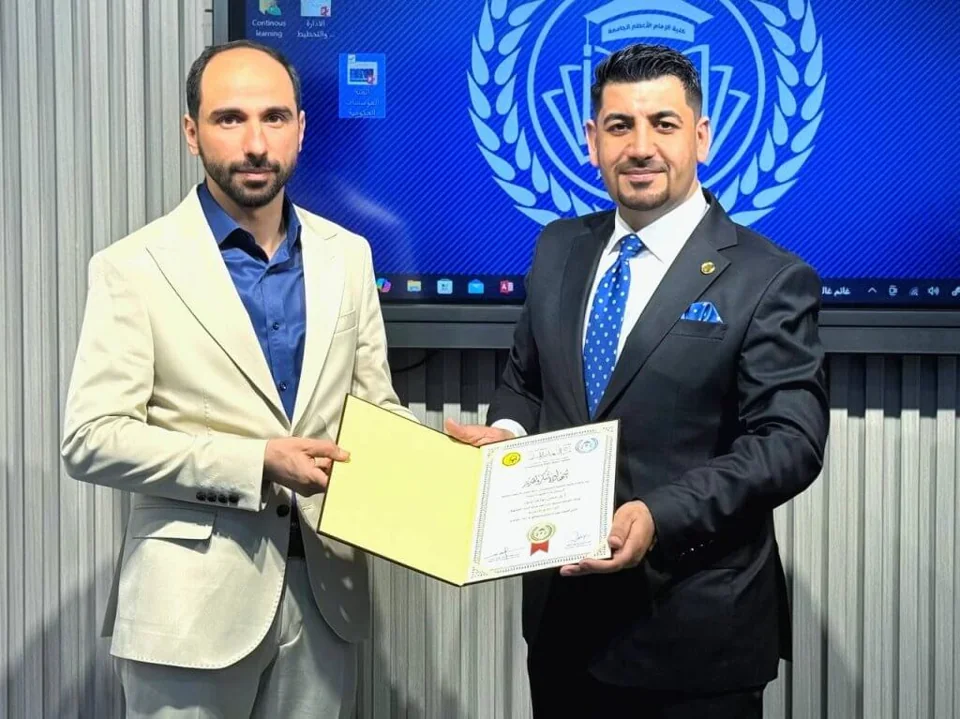
The centre also presents itself as a point of exchange between academics, specialists and community participants. Its published resources include a course guide, organisational information and registration procedures. A concrete example was its December 2024 workshop on management and automation for new employees. Presented by Maan Nawaf Abboud, the workshop addressed modern management concepts and the foundations of automation in the workplace.
Sources: Continuing education and staff development ↗ · Continuing education and staff development ↗
Student participation in the college environment
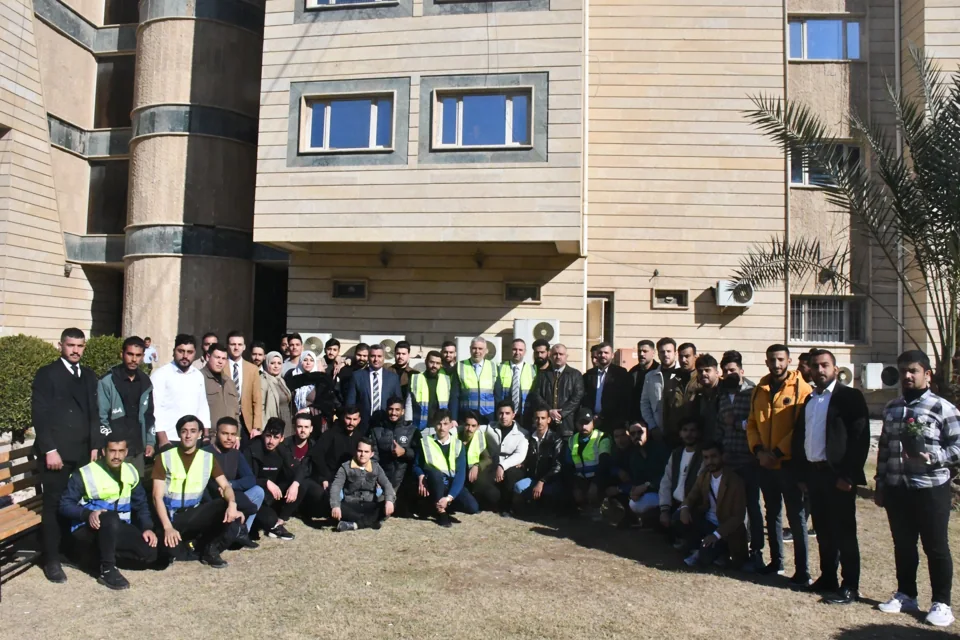
In December 2024, faculty members and students from the History and Islamic Civilization department organised a tree-planting campaign in the college grounds. The official report connected the activity with environmental awareness, improving the college environment and strengthening a sense of community between students and teaching staff.