Visa


About Ahmadu Bello University
Origins and university identity
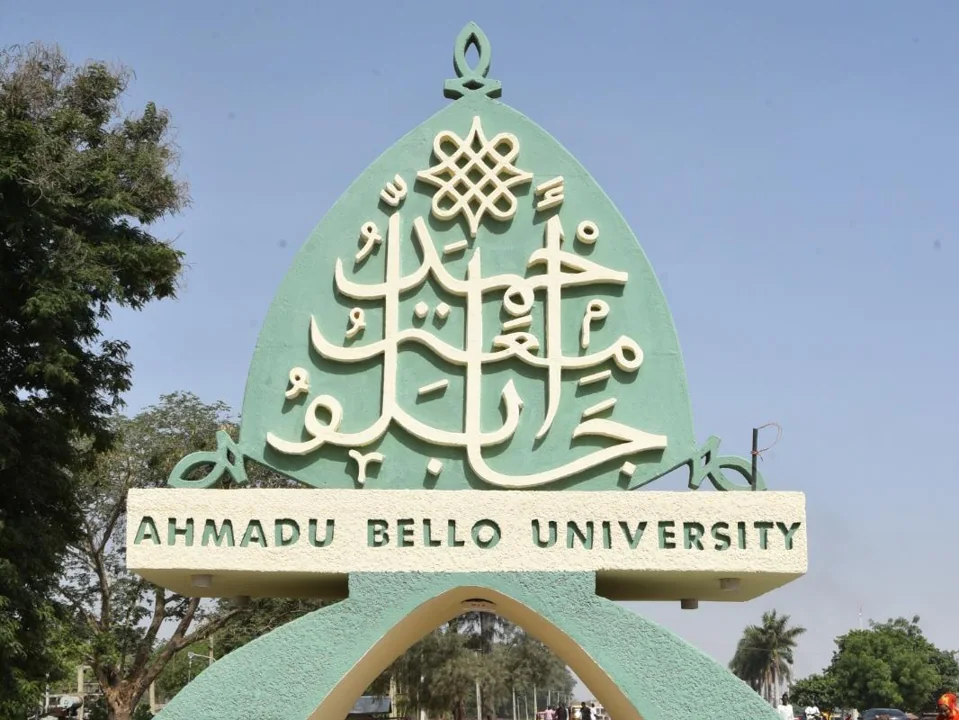
Ahmadu Bello University, commonly known as ABU, is a federal university in Zaria, Kaduna State, Nigeria. It opened on 4 October 1962 and is named after Alhaji Sir Ahmadu Bello, the Sardauna of Sokoto and the first premier of Northern Nigeria. Its formation was part of the expansion of university education around the time of Nigerian independence.
The new institution brought together existing educational and research resources, including facilities of the Nigerian College of Arts, Science and Technology at Samaru. Its early development involved integrating institutions with different academic purposes and locations. The university's first vice-chancellor was Norman Alexander, followed in 1966 by Ishaya Shuaibu Audu, its first Nigerian vice-chancellor. ABU subsequently developed a broad range of undergraduate and postgraduate education. Its history connects classroom teaching with agricultural research, professional preparation and the growth of specialised academic units, rather than a single disciplinary tradition.
Sources: University history ↗
The Zaria campus setting
Samaru is the university's main campus and a central location for its academic and administrative life. The official campus guide identifies a wide range of disciplines there, including engineering, physical sciences, life sciences, arts, education, social sciences and environmental design. Agriculture, veterinary medicine, pharmaceutical sciences and medical and health-related subjects also form part of the Samaru setting.
Kongo is another university campus in Zaria. The campus guide associates it with law and administrative studies, providing a second setting for academic activity within the city. Across the university, these locations support different fields of teaching and professional study rather than representing separate institutions. The diversity of subjects gives ABU a multidisciplinary character, with programmes ranging from humanities and social sciences to scientific, technological and professional fields. The university's campus structure is therefore an important part of understanding its academic organisation.
Sources: Samaru and Kongo campuses ↗
Library and information science education
ABU's Department of Library and Information Science, within the Faculty of Education at Samaru, was founded in 1968. Its institutional history identifies the Bachelor of Library Science as a foundational professional programme. The department later developed postgraduate provision intended to prepare personnel for national, research and academic libraries. It introduced a PhD in Library and Information Science in 2004, with its first doctorate awarded in 2006.
The department's mission focuses on information-related problems, the design of solutions and the preparation of people who can lead information services. Its stated values include openness, ethical conduct, cooperation and respect for diversity. This academic unit provides a distinct example of professional education concerned with how knowledge is organised, communicated and used. It also illustrates the university's development of specialised teaching and research beyond its original set of departments.
Sources: Library and Information Science: history and values ↗
Coordinating research and innovation
The Directorate of Research and Innovation coordinates research policy and activity across the university. Its mandate includes working with departments, units, centres and postgraduate structures, as well as gathering and managing information about research. It also facilitates sponsorship, monitoring and evaluation of research processes and helps publicise university findings.
Training is another part of its role. The directorate describes assistance for staff and postgraduate students in grant applications, technical report writing, academic writing, research presentations and ethical procedures. Its responsibilities extend to intellectual property rights, technology transfer and support for the university's ethics arrangements involving human participants and animal use and care. The directorate also reports organising proposal-writing workshops and publishing a research newsletter. These functions provide an institutional framework around individual projects, connecting research administration, researcher development and the communication of results.
Counselling and student development
The university's Counselling and Human Development Centre traces its origins to a Guidance and Counselling Unit established in the Student Affairs Division in 1989. The unit was intended to assist students with educational, career and personal or social concerns and to support their adjustment to university life. In July 2013, it became the Counselling and Human Development Centre.
Its account describes individual and group counselling for students and staff, together with career-development activities. Helping students consider their interests, abilities and choices forms part of the centre's stated goals. It also works with academic units and university health services where appropriate. Recent reports on the centre's page include a student-support associates initiative and a talk on the implications of examination misconduct. The service therefore combines direct support with activities addressing academic life, personal decision-making and participation in the university community.
Agricultural research and scientific exchange
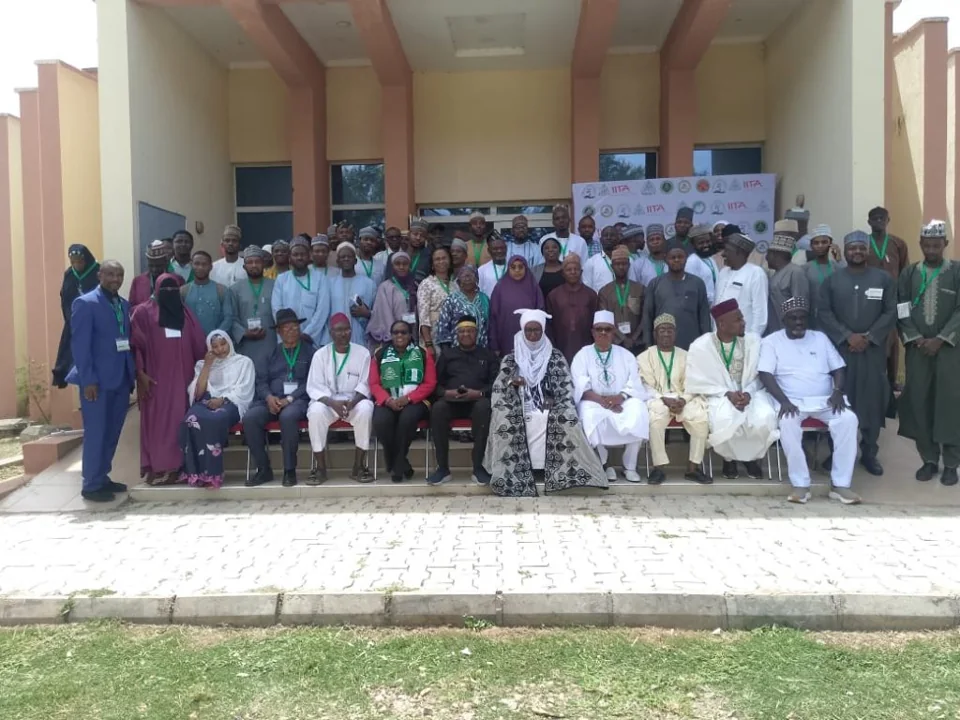
In October 2026, ABU hosted an international conference and annual general meeting of the Society for Underutilized Legumes. The university's National Agricultural Extension Research and Liaison Services and the International Institute of Tropical Agriculture's Genetic Resources Center organised the event. It opened on 21 October at the NAERLS conference hall in Zaria.
The programme examined underutilized legumes in relation to sustainable agriculture and food security, with attention to biotechnology, value chains and climate-smart practices. It brought together researchers and other participants to discuss priorities for crop development and agricultural collaboration. A keynote contribution from a University of Nairobi plant-breeding researcher addressed relationships between genetic diversity, farmers' knowledge, nutrition and climate resilience. The event offers a specific example of ABU's agricultural setting supporting exchange between institutions, disciplines and people concerned with the practical use of research.
Sources: Society for Underutilized Legumes conference, October 2026 ↗