Visa
About Agricultural University of Warsaw
SGGW in Warsaw
The Agricultural University of Warsaw directory record refers to the institution known today in English as Warsaw University of Life Sciences, or SGGW. Its Polish name is Szkoła Główna Gospodarstwa Wiejskiego w Warszawie. The university is based in Warsaw’s Ursynów district and combines agricultural and natural sciences with veterinary medicine, technology, social sciences, and economics. Its teaching and research address subjects extending from rural production and food to the wider environment. Out-of-town centres add settings for experiments, student placements, and field exercises, complementing the facilities concentrated on the Warsaw campus.
SGGW traces its origins to the Agronomic Institute established at Marymont in 1816. The university’s mission connects that heritage with the economic and intellectual development of society, particularly rural areas, the food economy, and the environment. It describes scientific research, education, the dissemination of knowledge, and continuing education as complementary responsibilities. International research and teaching cooperation form another part of that mission.
Sources: University overview ↗ · Mission and strategy ↗
The Ursynów campus and its surroundings
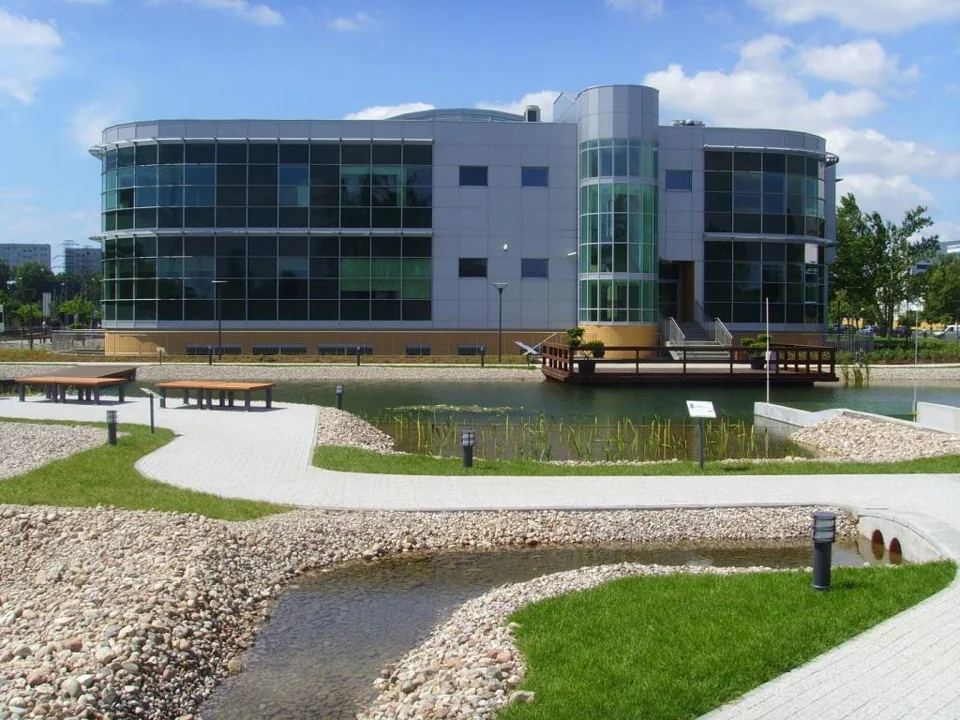
The main campus brings teaching and research buildings together with student accommodation, sports facilities, and landscaped green space. Its facilities include computer laboratories, lecture and practical classrooms, a library, veterinary clinics, animal accommodation, greenhouses, and production halls. These different spaces support the mixture of biological, agricultural, technical, and professional subjects taught at the university.
The older part of the campus contains the historic Ursynów palace complex, now the seat of the university’s rectorate. The property dates to 1775 and is associated with Julian Ursyn Niemcewicz, whose name is reflected in the district’s identity. The Skarpa Ursynowska nature reserve lies beside it. Elsewhere on campus, trees and shrubs surround modern faculty and institute buildings, while sporting provision includes swimming, indoor courts, halls, and outdoor facilities.
Sources: Ursynów campus ↗
Doctoral education and research training
The Doctoral School is an interdisciplinary, university-wide unit. It combines a common educational path with specialist routes corresponding to different research disciplines. Its published programme is four years long and includes training in agricultural, natural, veterinary, engineering, and social sciences. Listed disciplines range from forestry, agriculture and horticulture, food technology, and animal science to biology, environmental engineering, information technology, economics, sociology, pedagogy, and management.
The programme groups learning into general and social, methodological, teaching, legal and science-dissemination, and specialist modules. Subjects include communication, research ethics, statistics, discipline-specific methods, academic teaching, intellectual property, research commercialisation, and writing project applications. Doctoral seminars and academic writing accompany this broader preparation. The school describes its purpose as developing researchers’ knowledge, skills, and independence in research and teaching, connecting specialist investigation with the wider responsibilities of academic work.
Sources: Doctoral School ↗
Water and biomedical research infrastructure
The Water Centre, established in 2010, provides facilities for research and teaching in water management and environmental engineering. Its laboratories address surface-water monitoring, groundwater movement, water quality, fluid mechanics, sediments, drainage, aquatic ecosystems, geoinformation, soils and rocks, and building materials. A model river environment allows students and doctoral researchers to investigate hydraulic and hydrobiological conditions and examine engineering solutions.
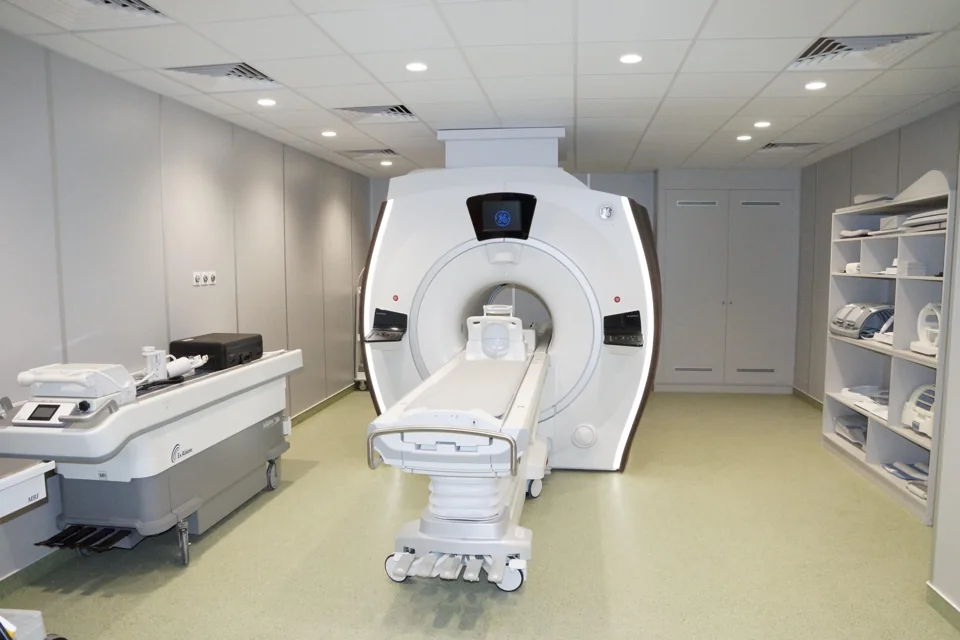
Biomedical and veterinary research provide a different group of facilities. The Veterinary Research Centre was established in 2014, while the Centre for Biomedical Research followed in 2015. The latter brings together imaging diagnostics, molecular biology, cell and tissue research, biotechnology, and nanotechnology. These centres support scientific investigation in animal and biomedical subjects. The research-centre description also identifies student diploma projects and scientific-circle activity as part of the wider laboratory environment, alongside work by academic staff and doctoral researchers.
Sources: Research centres ↗
Nutrition science and a new teaching facility
On 8 October 2026, SGGW opened its Innovative Nutrition Research Center in connection with the start of the academic year at the Faculty of Health Sciences. The university describes the centre as infrastructure for research, implementation projects, and teaching in human nutrition and health sciences. The project originated in an agreement with the Ministry of Science and Higher Education in 2018.
The centre’s stated remit connects nutrition with lifestyle, health education, and wider questions of well-being. Its development is intended to encourage cooperation among academic researchers, public institutions, and organisations involved in food production and distribution. This is an educational and research role: the facility provides a setting for investigating questions and developing practical applications, while supporting the university’s expanding work in nutritional and health sciences.
Sources: Innovative Nutrition Research Center opening, 2026 ↗
Research on agricultural challenges
Plant responses to drought offer a concrete example of research connecting basic biology with agricultural problems. An official university report describes work by the Institute of Biology’s Department of Biochemistry and Microbiology on how potatoes respond to drought, temperature, and combined stresses. The researchers examine proteins involved in plant stress responses, including mechanisms associated with protecting chloroplasts and maintaining photosynthesis.
The work involves collaboration with the national plant breeding and acclimatisation research institute. The university presents the results as research still in progress, rather than a finished agricultural product. The project illustrates how scientific questions about plant physiology can relate to the resilience of food crops, bringing together laboratory investigation, environmental pressures, and the practical concerns of agriculture. Alongside water, nutrition, and animal-science research, it demonstrates the range of subjects encompassed by the present Warsaw University of Life Sciences.
Sources: Plant drought-response research ↗