Visa
About Adamawa State University
A state university in Mubi
Adamawa State University is a public institution in Mubi, Adamawa State, in northeastern Nigeria. Founded in 2002, it connects university education with the development needs of its surrounding region. Its mission combines knowledge of academic disciplines with practical abilities and responsibility to society. The university uses the motto Education for Development, a theme reflected in departments concerned with agriculture, plant science, computing and teacher education. Its two named campuses are Boni Haruna Campus and Abubakar Barde Campus.
Study extends from a one-year IJMB foundation programme to undergraduate degrees and postgraduate qualifications. The postgraduate routes described by the university include postgraduate diplomas, master's degrees and doctorates. Its academic range encompasses agriculture, arts, education, environmental science, law, computing, management and social sciences. This breadth brings professional preparation, scientific investigation and studies of society into the same institution. Individual departments provide more detailed accounts of their programmes, research interests and learning resources.
Sources: About Adamawa State University ↗
Plant science and agricultural research
Botany illustrates the development of specialist teaching at ADSU. The department became a separate unit in 2016, growing from Biological Sciences, which had offered botany within its programmes since 2002. It teaches an honours bachelor's degree in Botany and a master's programme in Plant Pathology. It also contributes teaching to agricultural students and students taking Biology Education. Subject areas include plant physiology, taxonomy, breeding, cytogenetics, mycology, ecology and ethnobotany, connecting the study of plants with environmental and agricultural questions.
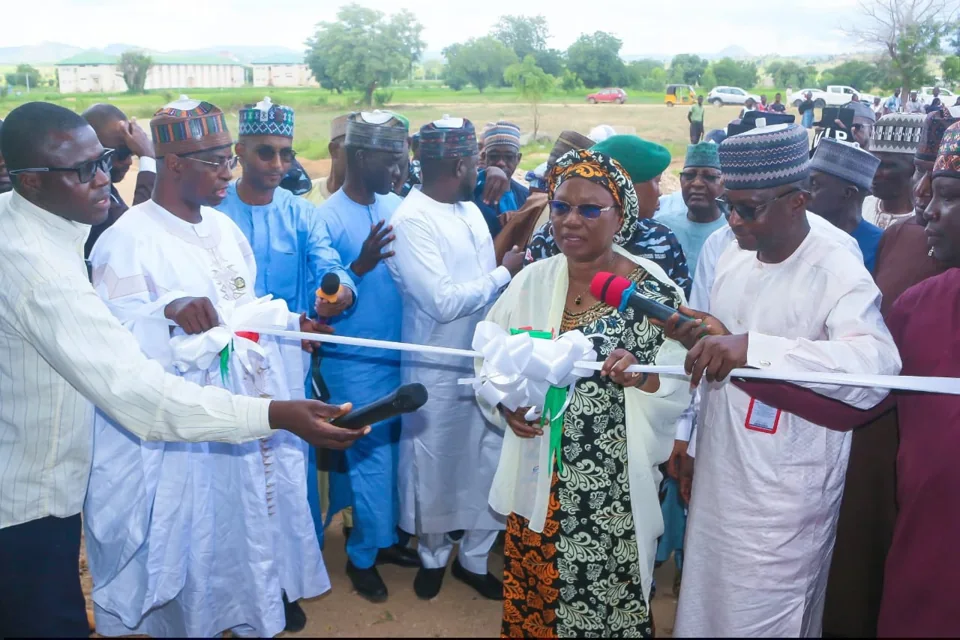
Departmental equipment for plant science includes a double-beam spectrophotometer, a centrifuge, an incubator and a UV chamber. Botanical excursions, seminars and field research complement the work undertaken in laboratories. The department also describes student participation in environmental awareness activities and the Botanical Society, extending the study of plants into field observation and engagement with environmental questions. Its facilities include three laboratories, a herbarium, an ecological garden and a nursery used to raise seedlings throughout the year. Charts, specimens, slides and models supplement laboratory instruments and electronic learning resources. Research interests range from conservation and medicinal plants to plant disease, pollution and biotechnology. Agricultural infrastructure expanded further when an Artificial Insemination Centre was commissioned at Abubakar Barde Campus on 28 August 2026. The university's September report identifies the Livestock Productivity and Resilience Support Project as the organisation that built the centre, linking campus research infrastructure with livestock development.
Sources: Department of Botany ↗ · Artificial Insemination Centre commissioning, September 2026 ↗
Computing education and practical experience
Computer Science originated within the Department of Mathematical Sciences during the 2002/2003 academic session. That earlier department taught both mathematics and computing. Computer Science became an independent department in 2013/2014, developing its own teaching and research identity. Its published undergraduate programmes include Computer Science, Cyber Security and Information Systems. Postgraduate provision includes a computing diploma, master's study, M.Phil. and Ph.D. programmes, giving the department a progression from initial degree study to advanced research.
The department lists hardware, software and multimedia laboratories alongside lecture halls. Its research interests include artificial intelligence, machine learning, cybersecurity, distributed systems, data science, software engineering and human-computer interaction. These subjects combine theoretical investigation with questions about the design and use of digital systems. Students also participate in the Student Industrial Work Experience Scheme, usually abbreviated SIWES. This provides an organised connection between academic computing and practical experience outside ordinary classroom teaching.
Sources: Department of Computer Science ↗
Shared learning and teacher preparation
General Studies provides a common component of university education across specialist subjects. The unit became independent on 31 March 2008, having previously belonged to the School of Foundation and General Studies. Its teaching spans communication, leadership, Nigerian peoples and culture, peace and conflict resolution, philosophy and logic. Library use, ICT and study skills also feature, alongside communication in French and Arabic. Its stated aims include effective writing, speaking and presentations, critical thinking and an appreciation of peaceful coexistence.
Teacher preparation brings another practical dimension to study. The Arts and Social Science Education department describes teaching practice and an approved research project as requirements within its programmes. New students receive university orientation followed by departmental guidance. The department also assigns academic advisers who can discuss academic and social questions with students. These arrangements accompany subject teaching and help students understand university procedures, their course responsibilities and the demands of preparing for educational work.
Sources: General Studies Unit ↗ · Arts and Social Science Education ↗
Library services and campus infrastructure
The University Library began operating in 2003. Its services support students, academic staff and researchers across the university's disciplines. Its organisation includes collection development, technical services, readers' services, serials, an e-library, administration and a bindery and printing division. Faculty libraries and a postgraduate library extend access beyond the central service. The library therefore combines the acquisition and organisation of information with services that help readers locate and use it for study and research.
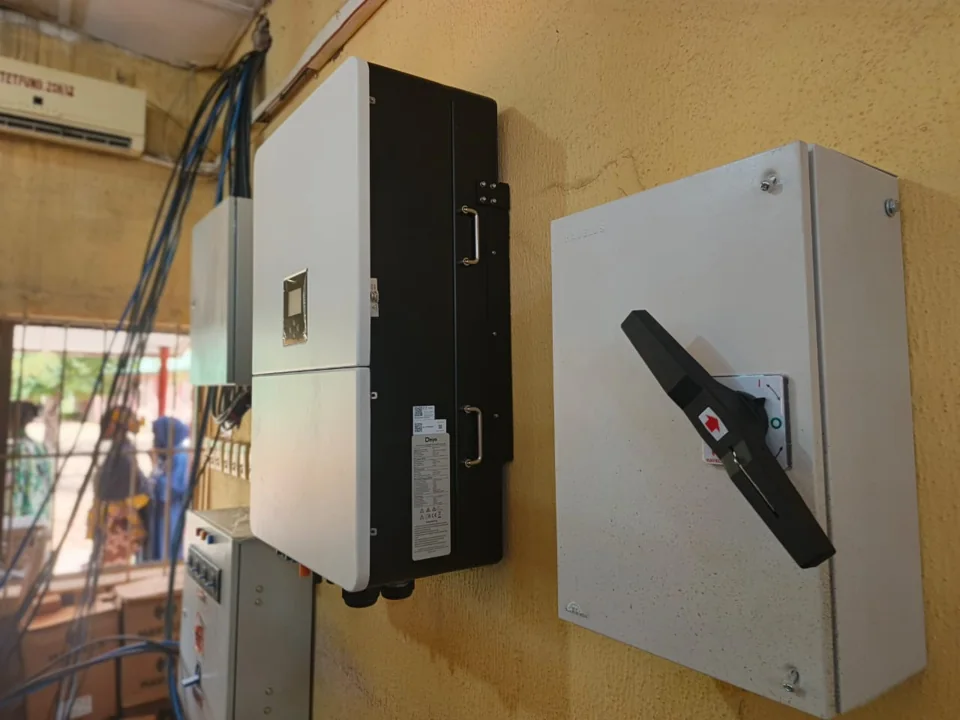
Recent infrastructure reporting also documents changes to the learning environment. In August 2026, ADSU reported that its Computer-Based Test Centre had used solar power during second-semester examinations. The installation formed part of a wider initiative intended to reduce reliance on diesel-generated electricity, with further expansion described as a future plan. Together with departmental laboratories, library provision and the new livestock research centre, this investment shows the variety of physical resources supporting academic activity in Mubi.
Sources: University Library ↗ · Solar energy initiative, August 2026 ↗