Visa
About Accadis Hochschule Bad Homburg
A university of applied sciences near Frankfurt
accadis Hochschule Bad Homburg is a university of applied sciences based in Bad Homburg, near Frankfurt am Main. Its official international website presents a business school centred on management teaching and research, with a personal approach to supporting students’ academic and professional development. The institution works with companies across its study formats and places particular value on connections between classroom learning and practical business questions.
The university is part of the wider accadis Bildung educational community, which also includes accadis International School. These are distinct educational institutions sharing a campus environment. The university’s location connects it with the Frankfurt Rhine-Main metropolitan region, while Bad Homburg and the nearby Taunus offer a different setting from central Frankfurt. Its campus information identifies rail connections through the U2 and S5 lines as well as access to the A5 and A661 motorways.
Sources: About accadis Hochschule ↗ · Campus and student facilities ↗
Management study with an international perspective
The International Management Master of Arts illustrates the university’s approach to postgraduate education. The programme is taught in English and comprises 120 ECTS credits over two years. It combines analytical management study with leadership, communication and problem-solving skills. Its curriculum includes Applied Global Strategy, Research Methods, Operations Management and Business Ethics, followed by subjects such as international human resource management and sustainable transformation from supply chains to circular economies.
Digitalisation also has a clear place in the programme, including artificial intelligence in customer-centred business models and financial markets. Later study includes an international component, a real-life consulting case and a master’s thesis. Students may pursue a period abroad or international project-based study, and the programme describes an optional internship in Germany or elsewhere. This brings strategic, financial, ethical and technological questions into a common management framework. The university’s trimester structure divides the academic year into shorter teaching periods followed by assessment through examinations, presentations or assignments.
Sources: International Management MA ↗
Exchange students and project-based learning
Incoming exchange provision is designed for international bachelor’s students seeking one or two trimesters at accadis. Students can build a study programme in English, German or a combination of the two, using the published module information. Management concepts, consulting and entrepreneurial competencies are central themes, with project-based formats providing opportunities to apply academic ideas.
The standard exchange trimester carries 20 ECTS credits. Where a student needs a larger credit load, individual arrangements can include an additional Consulting and Research Project. The exchange page explains how a Learning Agreement records selected courses and how an English transcript documents completed study. Erasmus exchange relies on an inter-institutional agreement with the home university, while a separate freemover route is available. The International Students Handbook supports preparation for everyday matters such as accommodation and student life, alongside advice from the international office.
Campus spaces for learning and meeting
The SÜDCAMPUS brings the university and international school together across a group of buildings. ONEaccadis includes a welcome centre, library, bistro and the accadium event space. TWOaccadis contains lecture rooms, group-work rooms and a large foyer with seating for informal discussion. Its lounge provides another place for students, lecturers and administrative staff to meet between classes, with integrated study rooms supporting quieter work.
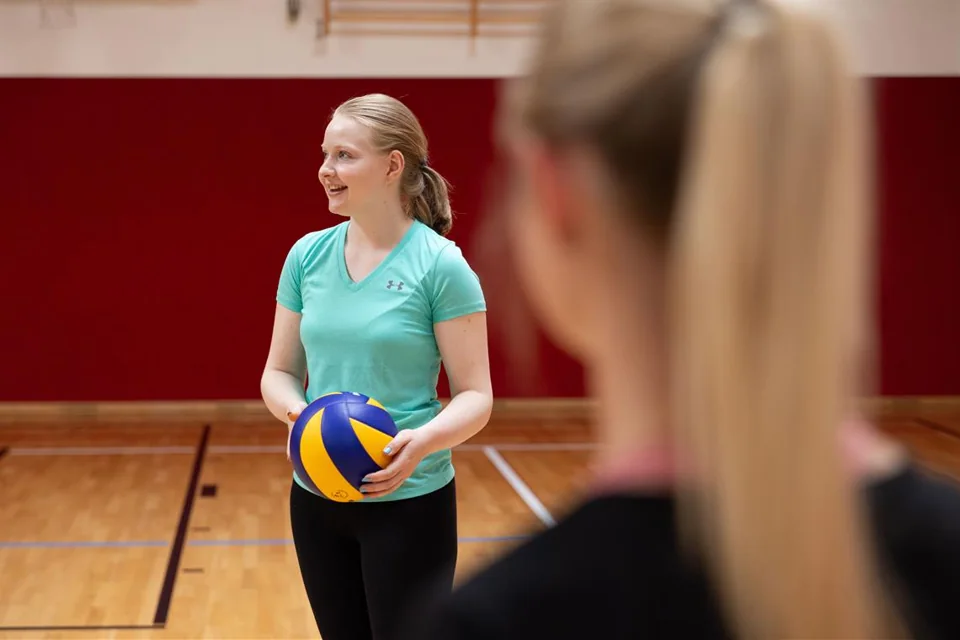
The campus library offers study space and research literature related to business administration and education. The university describes round-the-clock access to learning rooms, while digital classrooms and technology for hybrid lectures support teaching. A sports hall in FOURaccadis accommodates activities ranging from football and handball to volleyball and cheerleading. These facilities combine academic work, group projects, exercise and informal social contact within the campus setting. The campus page also identifies solar panels, smart energy systems, LED lighting and electric-vehicle charging facilities.
Sources: Campus and student facilities ↗
Career support and corporate contact
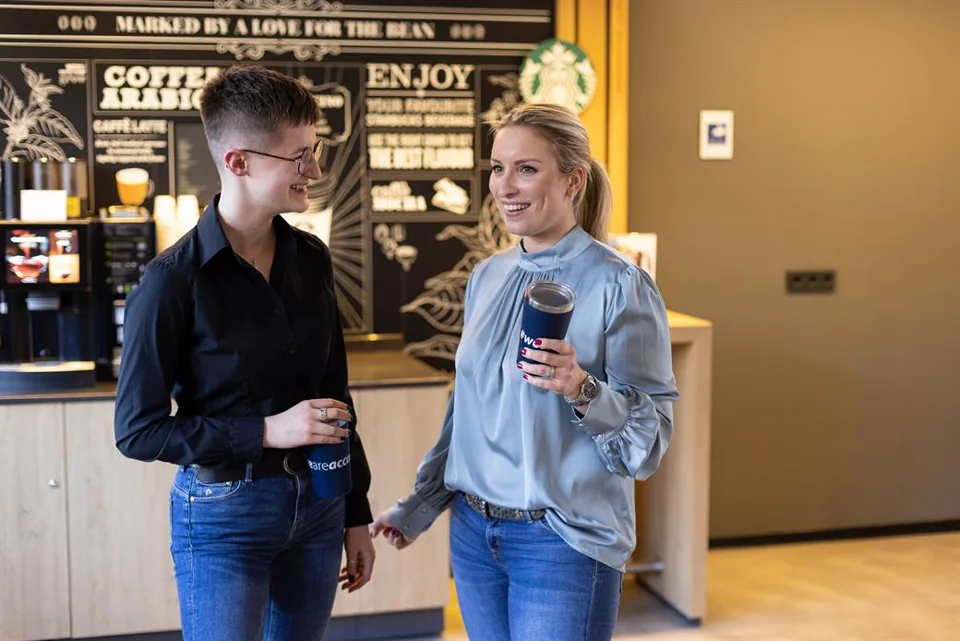
The Career Center connects students with the university’s company network and provides support with internship and job searches. Its work includes advice on application documents, the development of application strategies and the publication of vacancies for student and entry-level positions. Business Lounge guest lectures take place during the trimesters, and the annual Students Meet Business Career Day offers direct contact with employers.
These activities complement the practical components of academic programmes. Career staff provide guidance, while students take an active role in identifying opportunities and preparing applications. For international students, the university also describes project-based study as an alternative to an internship within relevant academic arrangements. This links career preparation with assessed learning rather than making a placement the sole route through a practical study component.
Sources: Career Center ↗
Research across the sports business
The Sports Management Research Group brings together several disciplines to investigate sport as an economic and social field. Its stated interests include sports finance, esports, sustainability, digitalisation and fan engagement. Other areas cover international strategy, sports ethics, personnel, sports development, law, compliance and anti-doping questions. This range connects management research with the institutions, audiences and responsibilities surrounding sport.
The group also develops work with external organisations. Its inclusive sports-sponsoring guide was produced with the German Disabled Sports Association and supported by the Federal Institute of Sport Science. The guide addresses sponsor relationships, storytelling and social-media activation. In October 2026, the sixth Bad Homburg Sports Management Days brought together participants from sport, research and professional practice to discuss Germany’s Olympic ambitions, including questions concerning younger audiences, inclusion and accessibility.
Sources: Sports Management Research Group ↗