Visa

About Academy of Physiotherapy in Wrocław
A specialist school in Wrocław
The Academy of Physiotherapy in Wrocław is represented by Wyższa Szkoła Fizjoterapii, usually abbreviated WSF. The private higher education institution is based at 4 Tadeusza Kościuszki Street in Wrocław. Its two principal fields are physiotherapy and cosmetology, bringing together knowledge of the human body with practical skills developed in teaching rooms, laboratories and professional settings. The school presents both full-time and part-time study formats within its educational offer.
Physiotherapy is offered as a five-year integrated master’s programme. Cosmetology is offered at first- and second-cycle levels, corresponding to bachelor’s and master’s studies. The distinction between the two routes is reflected in the school’s teaching facilities: rehabilitation and movement-related resources serve physiotherapy, while dedicated cosmetic treatment rooms support cosmetology. Student administration is handled through the dean’s office, with separate institutional contacts for general enquiries and study matters.
Sources: Official introduction ↗ · Physiotherapy programme ↗ · Cosmetology programme and placements ↗ · Dean’s office and contact ↗
Physiotherapy teaching and clinical experience
The physiotherapy programme combines theoretical study with practical learning from the first semester. Its published description includes anatomy, exercise therapy, physical therapy, massage, functional assessment, rehabilitation planning and physiotherapy in sports medicine. It also identifies manual therapy and other specialist methods, biological regeneration, physical medicine and balneoclimatology among the subjects connecting scientific understanding with applied work.
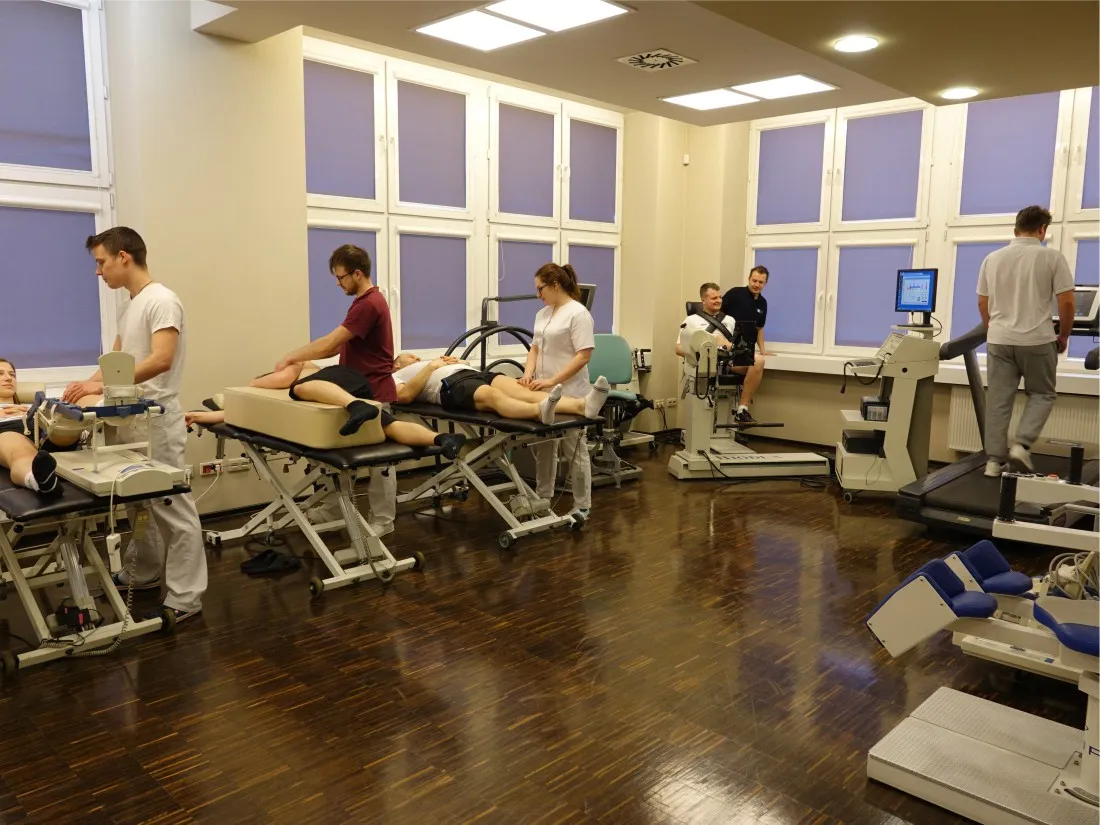
WSF’s own rehabilitation and medical education centre provides a setting for exercises, seminars and placements involving direct contact with patients. The school also describes cooperation with healthcare facilities in the city. Clinical subjects are taught through areas such as orthopaedics, neurology, internal medicine, surgery and oncology, paediatrics and geriatrics. Students have additionally taken part in sporting events, including half-marathons and Nordic walking events, where the school has provided regeneration support. These different environments broaden the contexts in which students encounter movement, function and rehabilitation.
Sources: Physiotherapy programme ↗
Cosmetology and structured professional placements
The cosmetology programme connects practical cosmetic skills with subjects including anatomy, physiology, dermatology, toxicology and cosmetic chemistry. Its description also identifies dietetics, marketing and management, reflecting both the scientific content of the field and the organization of a service-based workplace. Practical teaching is intended to develop careful working methods, communication with clients and the responsible use of equipment and preparations.
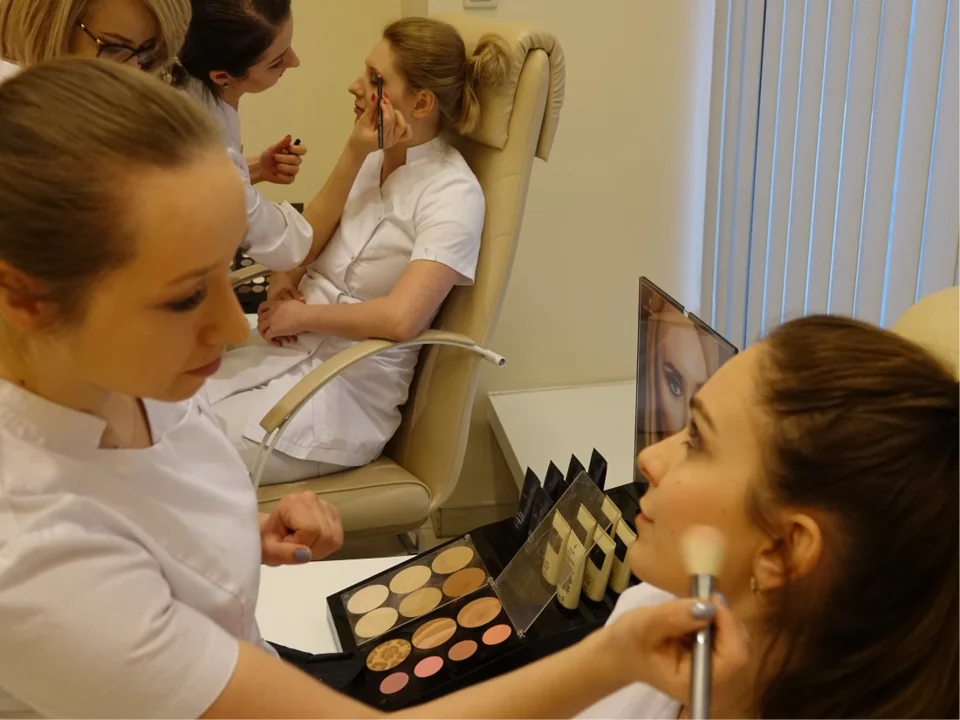
The school’s placement description covers the organization and equipment of a cosmetic practice, professional and administrative tasks, treatment procedures and safety. Students undertake supervised activities involving face and body care, manicure, pedicure, massage and specialist apparatus. The published schedule places bachelor’s-level placements across the second, fourth and fifth semesters and master’s-level placements in the second and third semesters. Placements are arranged in cosmetic and regeneration practices, spa settings and related establishments through agreements for professional training. The programme emphasizes respect for clients’ privacy, dignity and wellbeing alongside technical competence.
Laboratories and practical facilities
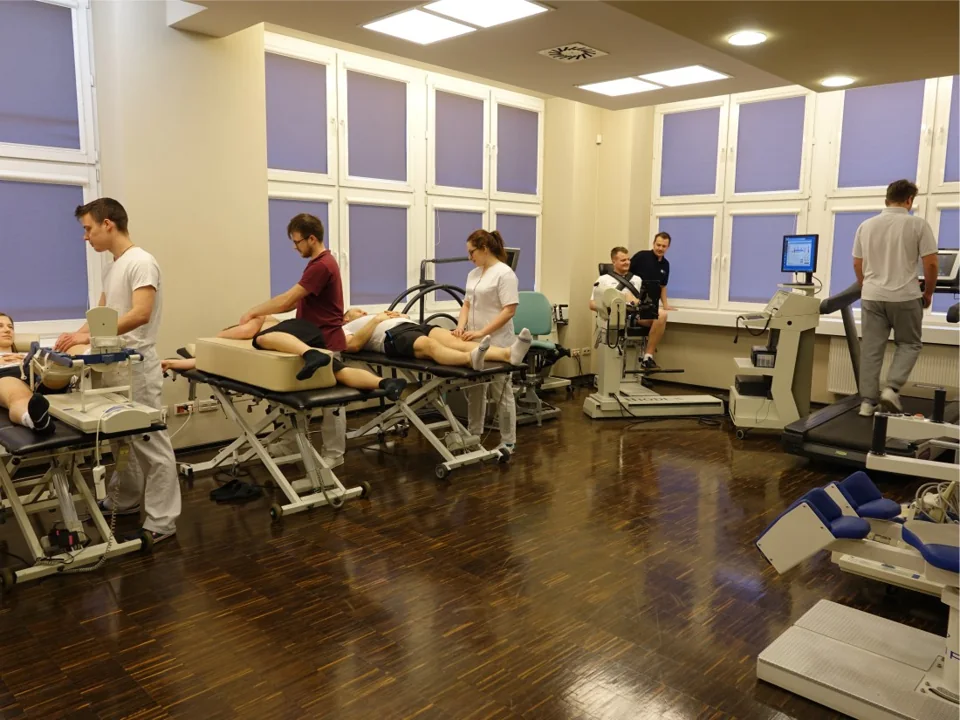
WSF lists physiotherapy teaching rooms for physiology, exercise physiology, histology, anatomy, massage and manual therapy, physical therapy, exercise therapy, and rehabilitation relating to musculoskeletal conditions and sports medicine. Language and computer rooms complement the specialist facilities. The anatomy resources include skeletal and joint models and models of organs, muscles, nerves and blood vessels. Histology teaching is supported by microscopes, specimens and atlases.
The exercise-physiology equipment inventory includes a treadmill, respiratory-gas analysis, cycle ergometers, spirometry and heart-rate monitoring. Massage and physical-therapy rooms provide treatment tables and teaching equipment for different practical techniques. For cosmetology, the school describes four equipped teaching rooms and a separate area for manicure, pedicure and care of the hands and feet. Its inventory includes skin-assessment equipment, microdermabrasion apparatus and an autoclave. The facilities page also records additional training in subjects such as foot care, cosmetic diagnostics, make-up and styling.
Sources: Practical teaching facilities ↗
International exchange and academic recognition
The school’s international office coordinates cooperation with partner institutions and provides information about exchange opportunities for students and staff. Its Erasmus materials explain the use of learning agreements, transcripts of records and the European Credit Transfer and Accumulation System. Coordinators assist outgoing students with course selection and the recognition of studies completed elsewhere.
For incoming participants, the published support arrangements include administrative and social assistance, help finding accommodation and cultural information intended to support adaptation to the school environment. Polish-language courses are described for incoming mobile students and academic staff. The exchange guidance also connects study opportunities with practical training through the rehabilitation and medical education centre. This international provision adds an organizational framework for study and placement mobility to the school’s specialist local teaching resources.
Scientific meetings and professional exchange
WSF’s conference archive records involvement in scientific and professional meetings concerning physiotherapy, sports medicine and rehabilitation. Examples include participation in the organization of the Polish Society of Sports Medicine’s scientific meeting in Wrocław in 2005 and the Polish Physiotherapy Society’s international congress in 2007. It also documents a 2011 symposium devoted to anterior cruciate ligament reconstruction, combining surgical presentations with discussion of rehabilitation following reconstruction.
The homepage describes student participation in national physiotherapy congresses through original contributions and involvement in scientific committees. The combination of professional meetings, practical teaching and specialist study gives students contact with the wider discussion surrounding their subjects. These activities sit alongside the school’s everyday emphasis on learning through direct practice in physiotherapy and cosmetology.
Sources: Conference activity archive ↗ · Official introduction ↗