Visa

About Academy of Fine Arts in Zagreb
A university academy rooted in Croatian art
The Academy of Fine Arts in Zagreb is part of the University of Zagreb in Croatia. Known locally as Akademija likovnih umjetnosti, or ALU, it traces its foundation to 1907, when it opened as the Royal Provincial Higher Education School for Arts and Crafts. Its development connects professional artistic training with the history of Croatian visual culture. Early teachers included sculptors Robert Frangeš Mihanović and Rudolf Valdec, painters Robert Auer and Oton Iveković, and artists Bela Čikoš Sesija, Menci Clement Crnčić and Branko Šenoa.
Over the following century the academy changed its structure and name while expanding the subjects available to students. Its present fields extend from painting, sculpture and graphic arts to animation, new media, art education, and the conservation and restoration of artworks. This combination brings the study of established artistic materials into contact with moving images, contemporary technologies and the preservation of cultural heritage.
Sources: History ↗
Painting and the development of an artistic practice
Painting education combines technical study with the development of an individual artistic position. At undergraduate level, drawing, painting, composition and the analysis of art provide a foundation for further work. Graduate study gives greater scope for specialization and individual projects developed with mentors. The department also includes art history, aesthetics and contemporary artistic practices, so students consider the ideas surrounding their work alongside the practical choices involved in making it.
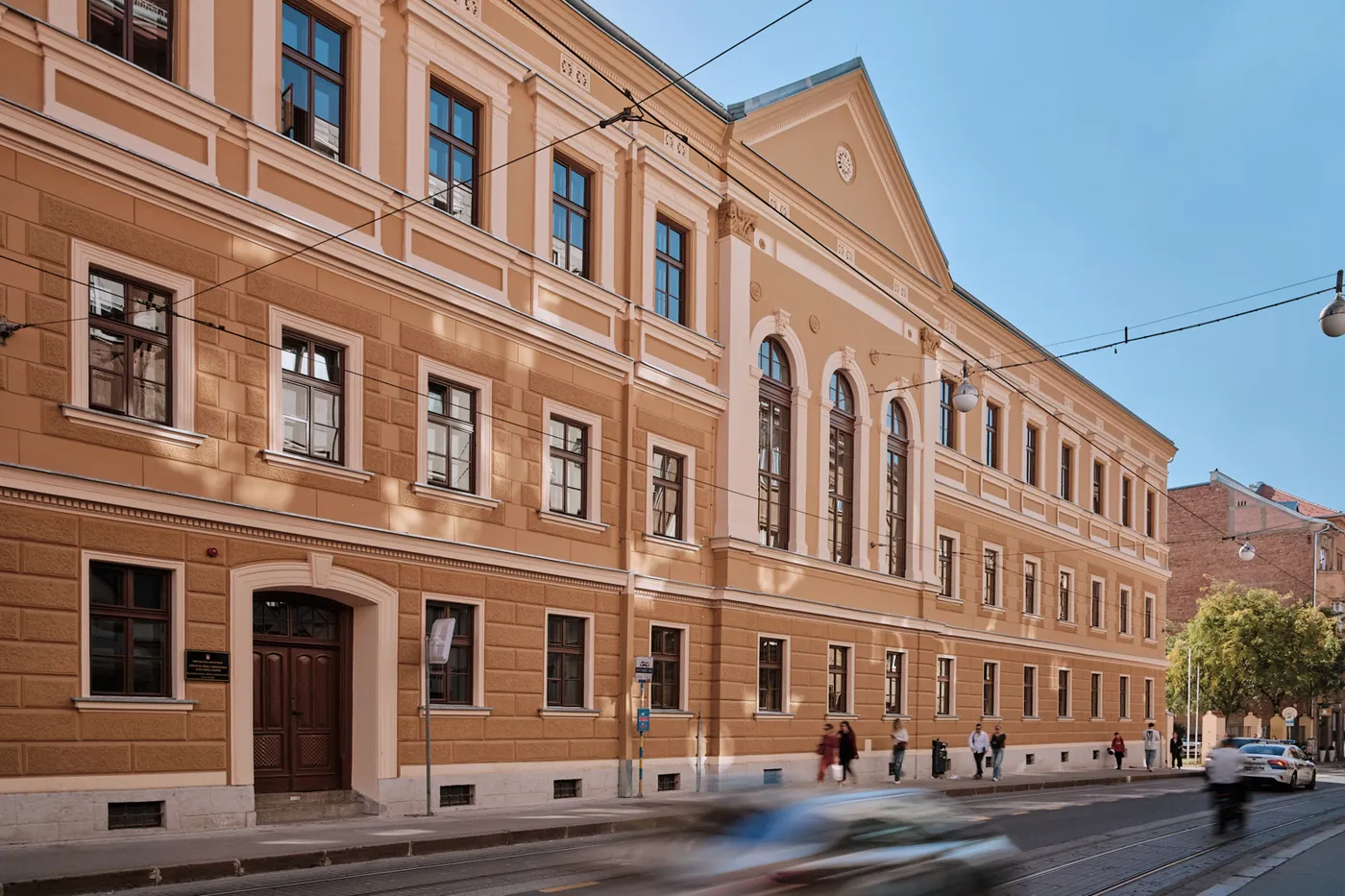
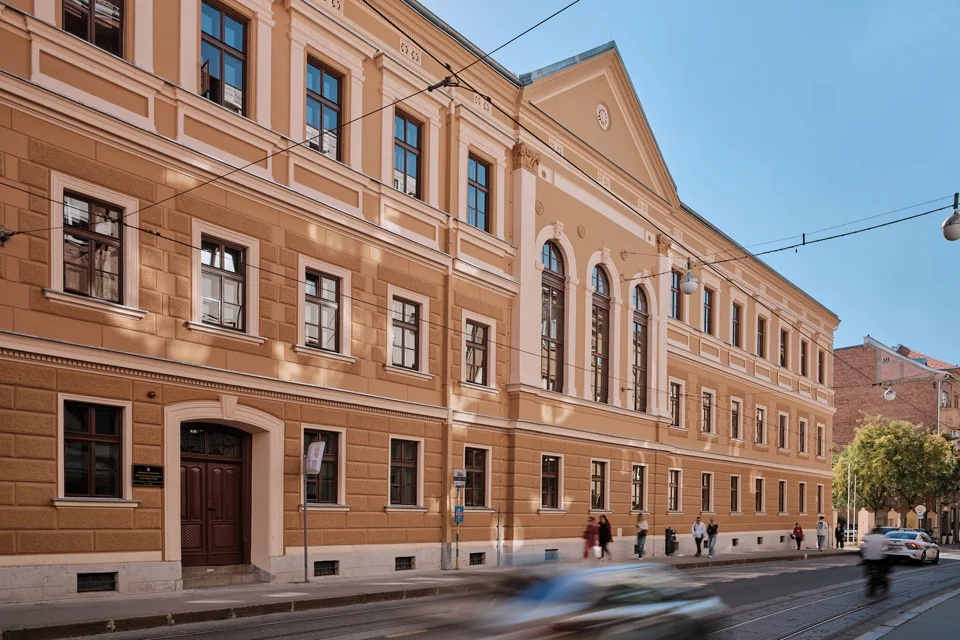
The department identifies studio classrooms in the historic academy building at Ilica 85 as its working environment. Practical projects and cooperation with cultural institutions form part of its approach. Workshops, exhibitions and mobility activities provide ways to encounter artists and work beyond a student's immediate class. The emphasis on mentoring allows technical experimentation and the gradual development of a personal visual language to remain connected.
Sources: Painting department ↗
Animation and new media
The Animated Film department teaches classical and digital 2D animation, 3D animation and experimental approaches. Its first three years develop professional skills for animated films, commissioned and educational productions, illustration and video games. Graduate work places greater emphasis on an author's identity as a director or an artist using animation. Equipment includes drawing monitors and graphic tablets, animation tables, cameras, lighting, sound recording equipment and software for animation and audiovisual editing. The department maintains connections with Animafest Zagreb, Zagreb Film, the Croatian Audiovisual Centre and ASIFA Croatia.
New Media has a distinct institutional history. Its beginnings lie in Ivan Ladislav Galeta's media arts class in 1998; animation and new media were combined in a department established in 2004. They separated in 2024, with the new media curriculum beginning in autumn 2025. Process, experimentation and an individual authorial approach guide its teaching. Facilities include photographic and digital laboratories, recording studios, editing spaces for image and sound, a print room and a social practice studio with a library.
Sources: Animated film department ↗ · New media department ↗
Conserving artworks through practice and science
Established in 1997, the Conservation and Restoration department occupies premises at Zamenhofova 14 that previously served as artist Krsto Hegedušić's master workshop. The workshop arrangement remains central to its teaching spaces. Students encounter easel and wall painting, stone, architectural ornament and polychrome wooden sculpture, alongside studios for drawing, painting and modelling. Documentation facilities, artwork storage, lecture space and technological and natural science laboratories support this practical work.
The department provides an integrated undergraduate and graduate university programme. Artists, conservator-restorers and specialists in natural sciences contribute to its multidisciplinary teaching. Learning also takes place through field classes and restoration practice at locations across Croatia, ranging from short visits to longer periods of work. Training joins artistic skills with materials research, documentation, conservation methods and ethical standards. Scientific investigation and diagnostics therefore sit alongside close observation and manual treatment of cultural objects.
Theory across the programmes
The Chair of Theoretical Subjects contributes teaching throughout the academy's study programmes. Art history and theory, visual studies and philosophy help students place their creative decisions within wider intellectual and cultural contexts. Analytical skills and critical thinking are relevant across the different paths of artists, conservators and art educators. Members also conduct scientific, artistic and transdisciplinary research. Their interests include art in public space, contemporary curatorial practices, artistic research, new approaches to art pedagogy and developments in the conservation and restoration of artworks.
Sources: Chair of Theoretical Subjects ↗
Books, collections and places of learning
The academy library supports teaching with literature on art history, contemporary artistic production and theory. Its subject range also reflects connections between visual art, other arts, the humanities and social sciences. Publication exchanges with museums and galleries help it follow artistic activity in Zagreb and Croatia. Alongside newer monographs, the library preserves rare older material; its early holdings included anatomy atlases and technical manuals useful to artists learning to handle different materials.
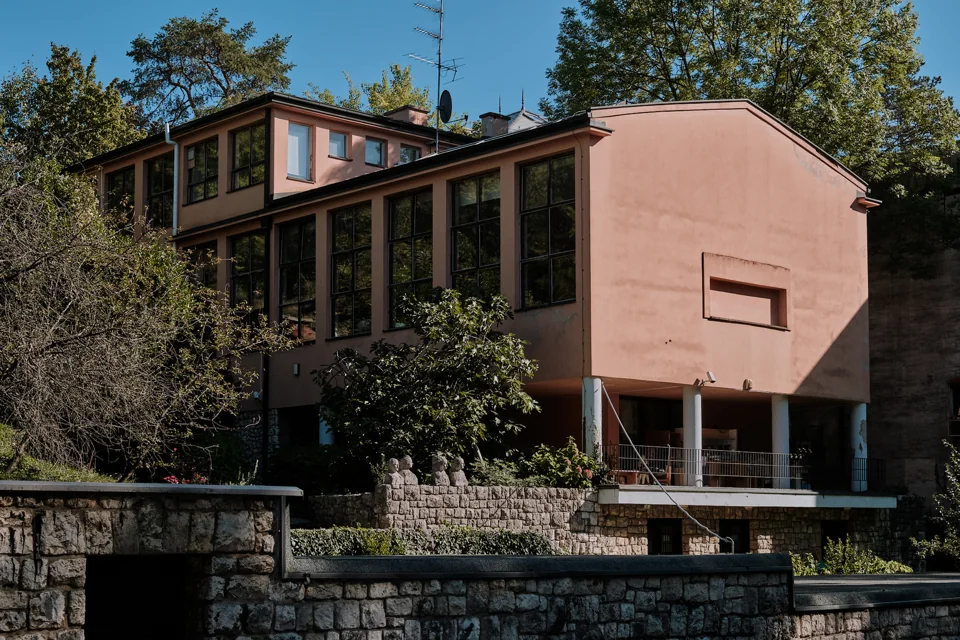
The Fundus preserves and documents artworks and student work produced during the academy's history. Its holdings include paintings and drawings, sculpture, prints, donations and media material. Cataloguing, documentation and conservation make the collection usable for exhibitions, teaching and scholarly or artistic research. Some collections are registered as protected Croatian cultural property. The academy works across several Zagreb addresses: its locations page lists Ilica 85, the Slava Raškaj building at Ilica 83, and Zamenhofova 14. It also records the teaching department's temporary location at Lastovska 23 while its Jabukovac premises undergo renovation.
Sources: Academy library ↗ · Art collection and student works ↗ · Locations ↗