Visa


About Academy of Arts and Culture in Osijek
An academy joining arts and cultural studies
The Academy of Arts and Culture in Osijek is part of Josip Juraj Strossmayer University of Osijek in Croatia. It was established in 2018 through the merger of the Academy of Arts in Osijek and the university's Department of Cultural Studies. Its identity combines artistic teaching with scientific teaching, bringing performance, visual creation, media and cultural organisation into the same institution.
The academy offers undergraduate, graduate and specialist university studies across music, theatre, visual and applied arts, media culture, cultural management, creative therapies, public relations and communication. Its premises occupy several buildings on the university campus and space in the Rector's Office building in Tvrđa. Since 2023 its development strategy has explicitly included sustainability in teaching, research, institutional activity and artistic practice, alongside engagement with new technologies.
Sources: O Akademiji ↗
Music education and vocal performance
The Department of Music Arts offers undergraduate and graduate studies in Music Education and Voice. Its approach links musical performance with creativity and pedagogy, allowing students to develop both artistic practice and the skills used in music teaching. The department describes these as complementary parts of a musician's preparation.
Concerts, stage programmes, plays and professional meetings provide activities beyond ordinary classes. Through creating and participating in these events, students encounter the organisation and preparation involved in public performance. The department connects this experience with future work in schools as well as artistic careers. Its combination of education and voice programmes gives vocal performance a place alongside the broader study of how music is taught and communicated.
Sources: Odsjek za glazbenu umjetnost ↗
Instrumental study, composition and production
A separate department brings together instrumental studies, composition and music theory. Its listed undergraduate programmes are Instrumental Studies and Composition and Music Theory. Graduate offerings include piano, guitar pedagogy, composition, music theory and tambura performance. The tambura therefore has a defined place alongside other instrumental and theoretical specialisms.
The department's educational approach extends beyond technique and interpretation. It introduces arts marketing, management and production, drawing on teachers' experience of musical work. Students can develop pedagogical interests or explore management and production, including arranging music and leading an ensemble. Performance, theory and composition are consequently connected with the practical organisation of a musician's work. The department describes interdisciplinary preparation for artistic, pedagogical and research activity rather than treating instrumental proficiency as the sole purpose of study.
Sources: Department of Instrumental Studies with Composition and Music Theory ↗
Acting, puppetry and theatre practice
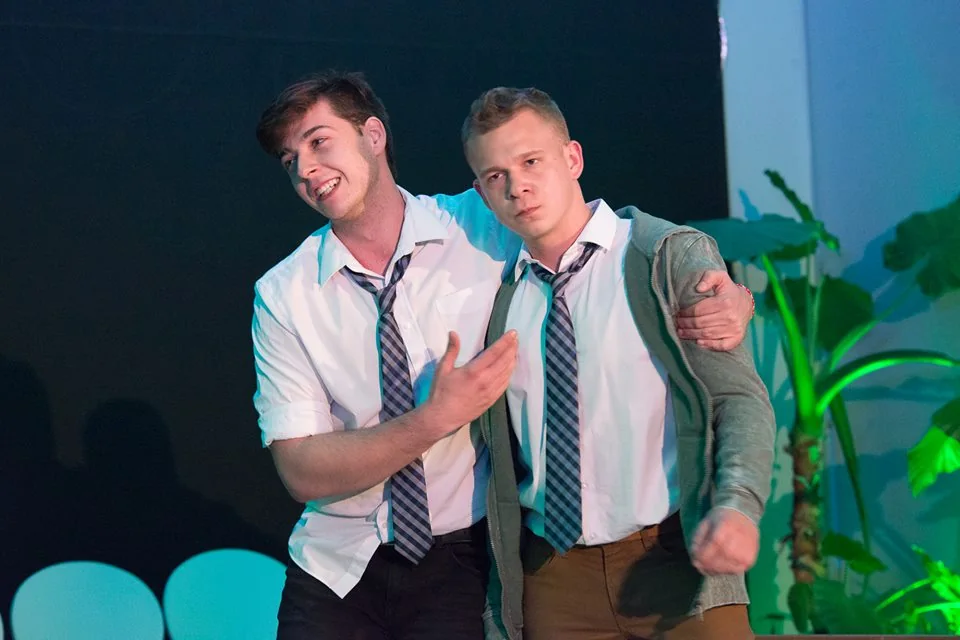
The Theatre Arts department describes a three-year undergraduate and two-year graduate structure. Acting and Puppetry are combined at undergraduate level, developing parallel performance skills that can be brought together in students' final work. Listed graduate programmes include Acting, Puppet Animation, Puppetry Directing and Non-verbal Theatre, with opportunities to study programmes separately or in combination.
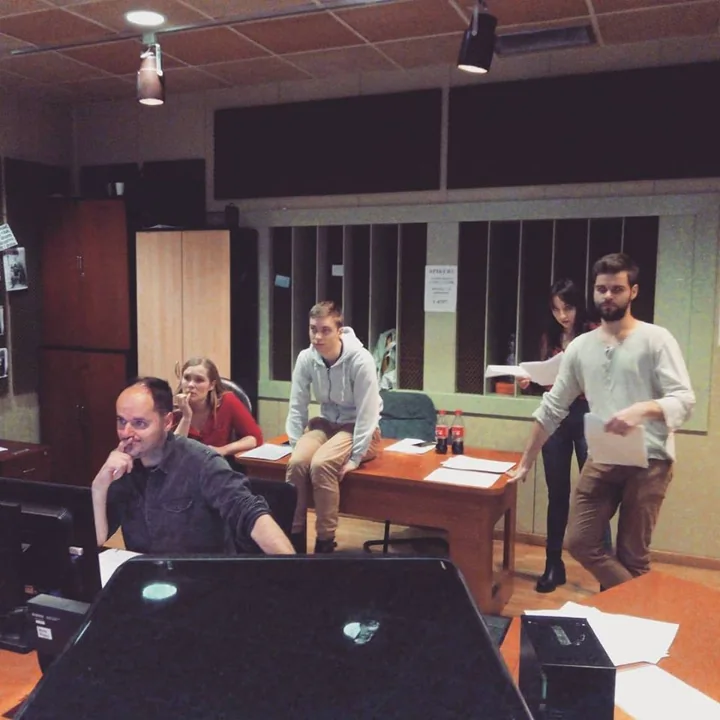
The department also connects its teaching with stage projects in Osijek and the surrounding region, participation in artistic meetings in Croatia, and international university cooperation. Its official photographic archive documents this practical range, including an examination production of DNK developed with Virovitica Theatre and students recording radio drama at Croatian Radiotelevision. Such activities show theatre education extending across stage performance, collaboration with professional organisations and recorded dramatic work.
Sources: Department of Theatre ↗ · Theatre department photograph gallery ↗
Designing the world of a production
Creative Technologies addresses the materials, designs and production processes that make performance possible. Its undergraduate programme is Design for Stage and Screen. The listed graduate programmes specialise in costume design, puppet design and set design for stage, screen and multimedia. These programmes connect artistic ideas with the technical choices needed to realise them.
The department brings costume, scenery, puppets, digital media, film and production together through project work. Students cooperate with colleagues from different years and with professional production partners. Its description emphasises developing ideas collaboratively and using technology to turn imagined settings into tangible results. This strand complements acting and puppetry by concentrating on the visual and technical environments in which performers and animated figures appear.
Sources: Department of Creative Technologies ↗
Culture, media and management
The Department of Culture, Media and Management offers an undergraduate programme with that combined title. At graduate level, Management in Culture and Creative Industries and Media and Public Relations can be studied in combination. The subject mix links the interpretation of cultural activity with the communication and organisational work surrounding it.
Teaching involves cooperation with cultural institutions and practitioners, including learning outside academy premises. Students encounter activities in culture, creative industries and public relations directly, using practical situations to examine theoretical ideas. The department presents this preparation as relevant to private organisations, public institutions and civil society. Its place within an arts academy allows management and communication to sit alongside the production of music, theatre, design and visual work.
Visual and media arts
The visual and media arts department covers drawing, painting, printmaking, sculpture, photography and video or filmmaking. It connects technical and theoretical knowledge with students' ability to express a view of the contemporary world. Its programme menu lists undergraduate Fine Arts Education and graduate studies in Fine Arts Education and Illustration.
The department describes illustration broadly, including books, posters and cartoons as well as connections with design, games and virtual environments. Fine arts education develops the communication of artistic knowledge in school settings. Across these areas, creating images and interpreting visual culture are treated as related activities. The combination of traditional studio disciplines and moving or digital images gives students several media through which to develop their artistic interests.
A library supporting creative and scholarly work
The academy library serves students and staff involved in teaching, research and artistic practice. Located at Trg Svetog Trojstva 3 in Tvrđa, it collects and organises recorded knowledge and provides access to information needed across the academy's study programmes. Its website includes a catalogue search.
The library also participates in public and cultural events and supports the academy's approach to sustainability in arts and culture. Its mission links access to information with education, reading and the creation of new knowledge and art. This gives the library a role within both the scholarly and creative sides of the institution, supporting the varied disciplines brought together by the academy's merger.
Sources: Library ↗