Visa

About Academy of Applied Arts in Rijeka
An arts academy within the University of Rijeka
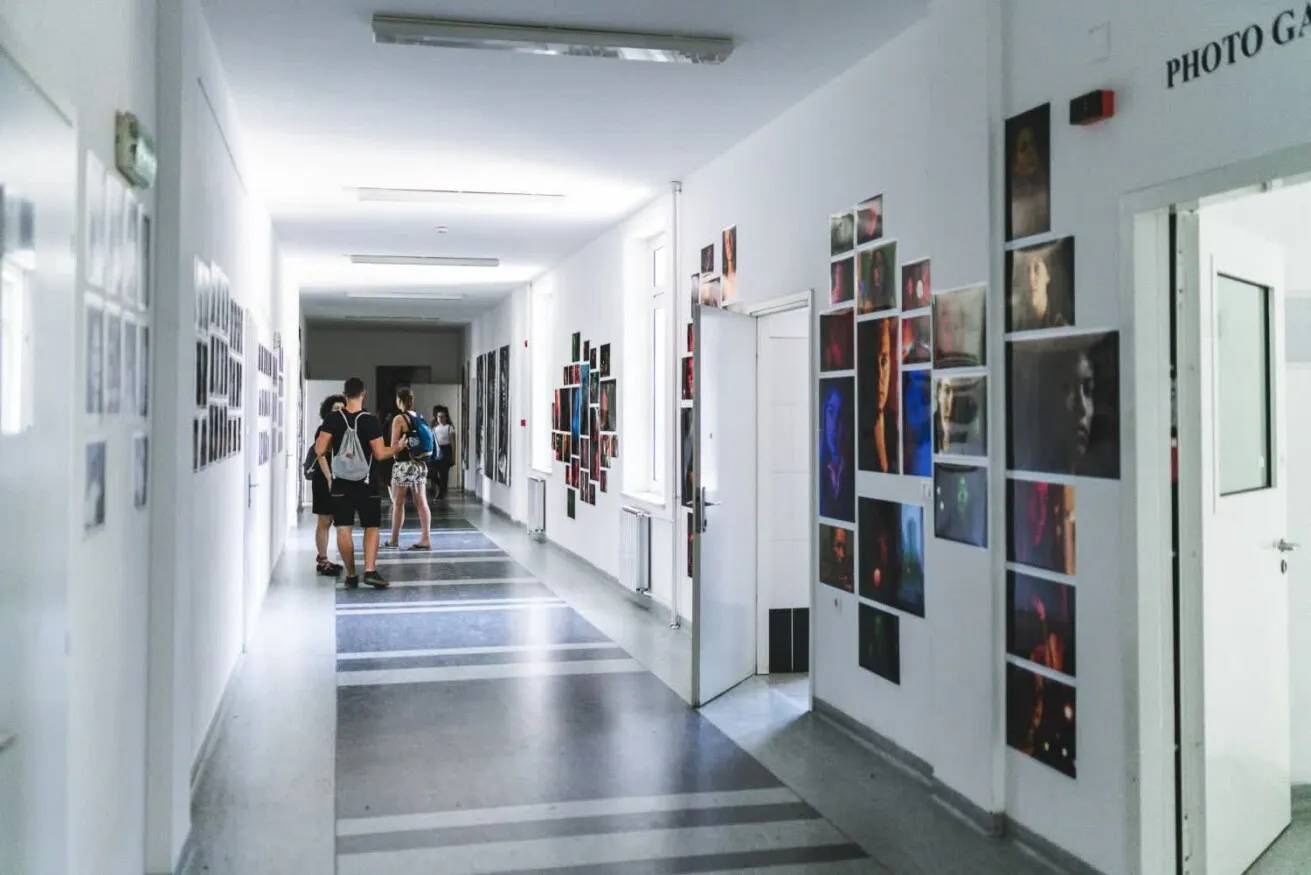
The Academy of Applied Arts in Rijeka is a constituent institution of the University of Rijeka in Croatia. Located on Slavka Krautzeka Street in Trsat, it occupies a converted former barracks building adapted for artistic education. Its facilities include lecture rooms, sculpture and woodworking workshops, ceramics, glass and mosaic spaces, and workshops for lithography, intaglio, relief printing and screen printing. Photography, computing, film production and projection facilities extend the range of media students can explore.
The academy's educational approach emphasises consultation, artistic investigation and individual mentoring. Its mission connects applied arts, design, art education and performance with the development of independent, critical and responsible practitioners. Teachers and students work with local communities and civil-society partners through creative projects. Elective courses, interdisciplinary teaching and access to subjects across the university support different combinations of interests. Academic freedom, ethical practice, social responsibility and environmental awareness appear among its stated values, placing artistic work within a wider civic and educational context.
Sources: About the academy ↗
Undergraduate applied arts
The undergraduate Applied Arts programme lasts three years and carries 180 ECTS credits. Its first year develops foundations in drawing, sculpture, painting and printmaking, alongside theoretical study. Art history, contemporary art and the philosophy and theory of art provide a framework for understanding practical work. Students subsequently choose packages of courses that give greater direction to their studies.
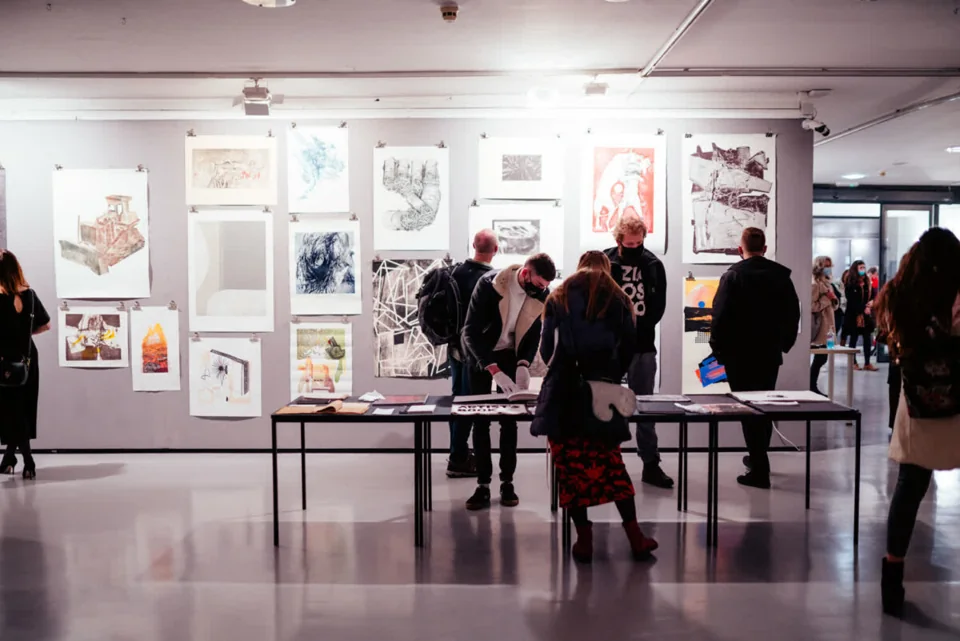
The published packages encompass painting, sculpture, printmaking and creative technologies. Painting-related subjects include mosaic, glass, digital image-making, illustration and comics. Sculpture connects with ceramics, scenography and material technologies. Printmaking includes photography, artist's books, lettering, binding and spatial work, while creative technologies include animation and audiovisual production. Additional electives allow students to deepen particular skills or build links with other disciplines. The curriculum's progression from shared foundations to more individual choices gives students experience of several artistic processes before concentrating more closely on selected media and approaches.
Sources: Undergraduate Applied Arts ↗
Graduate specialisation and performance design
The graduate Applied Arts programme comprises two years and 120 ECTS credits. Its three orientations are Applied Painting, Applied Sculpture, and Performance Design for Theatre and Film. The theatre-and-film orientation has operated since the 2021/22 academic year and addresses the education of scenography and costume-design practitioners. This adds stage and screen contexts to the academy's visual-art disciplines.
Required and elective subjects build on undergraduate foundations while developing more specialised practical work. The programme lists opportunities in ceramics, glass, mosaic, web design, video production, scenography, costume, comics, illustration and artist's books. Students combine a main orientation with choices that shape their individual artistic expression. Courses are organised by semester, supporting movement between subjects and shorter periods of study elsewhere. The graduate structure therefore allows sustained development in a principal field while retaining contact with related materials, techniques and forms of visual communication.
Sources: Graduate Applied Arts ↗
Graphic design and visual communication
The undergraduate Graphic Design and Visual Communications programme is a three-year, 180-ECTS course. It developed from the academy's experience teaching applied graphics. Practical projects address graphic symbols, visual identity, books and brochures, branding and packaging. Critical analysis and self-evaluation are included as part of developing purposeful communication, alongside the production of finished design work.
The first year introduces drawing, sculpture, painting, printmaking, photography, typography and visual communication through meaning and stylisation. The second year develops visual-identity projects and introduces web design. In the third year, study extends into branding for products and services, information systems, signage and interaction. Historical, theoretical and methodological study accompanies this practical progression. Electives include additional artistic media, allowing design students to work beyond a single technical format. The programme links visual problem solving with an understanding of audiences, context and the organisation of information.
Sources: Undergraduate Graphic Design and Visual Communications ↗
Art education and engagement with people
Graduate Art Education combines the development of artistic practice with preparation to teach and mediate art. Its official description addresses pedagogical, psychological and methodological knowledge for lessons, workshops and educational programmes. Students develop communication, organisation and collaboration skills while considering how activities can be adapted to different age groups. Projects and field teaching connect these educational concerns with experience outside the classroom.
The programme describes work in small groups and links with museums, galleries, schools and cultural organisations. Named partners include Rijeka's Museum of Modern and Contemporary Art, the Maritime and History Museum of the Croatian Littoral, and Kortil Gallery. Workshops provide access to painting, printmaking and sculpture processes, with photography, video, mosaic, glass and design resources also available. This combination supports the development of a student's own artistic interests alongside ways of making art accessible to others through teaching, interpretation and participatory activity.
Sources: Graduate Art Education ↗
A dedicated space for reading and research
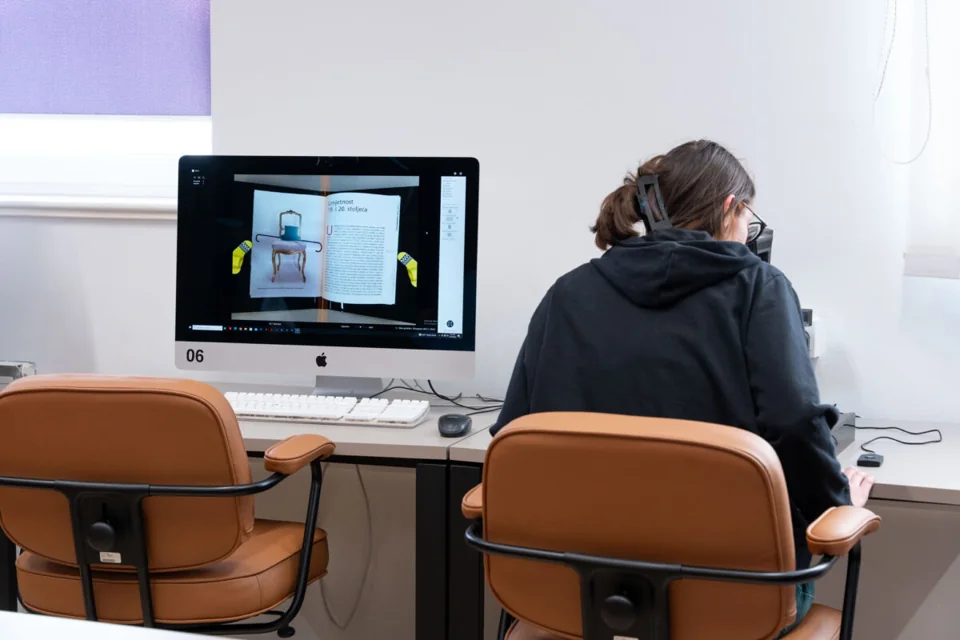
The academy opened its study reading room on 18 December 2024. Located on the second floor in room A-207, the refurbished space is intended primarily for independent student work and support for learning and research. The academy provides information about access to materials and user responsibilities within the room.
Staff and students can reach the catalogue through their institutional AAI@EduHr identity. The reading room adds a quieter form of academic activity to an institution characterised by studios and workshops: consulting sources, studying independently and developing the research behind artistic practice. Photographs of its opening show reading and computer work within the new space.
Sources: Academy study reading room ↗