Visa

About Academy of Fine Arts in Warsaw
An academy with several historical roots
The Academy of Fine Arts in Warsaw is a Polish artistic higher education institution combining independent artistic practice with design, conservation and research. Its heritage includes the Royal Painting Studio associated with Marcello Bacciarelli in the eighteenth century and the Warsaw School of Fine Arts founded in 1904. These traditions should be distinguished from a single uninterrupted institutional foundation. The school became a state institution in 1923 and received the academy name in 1932.
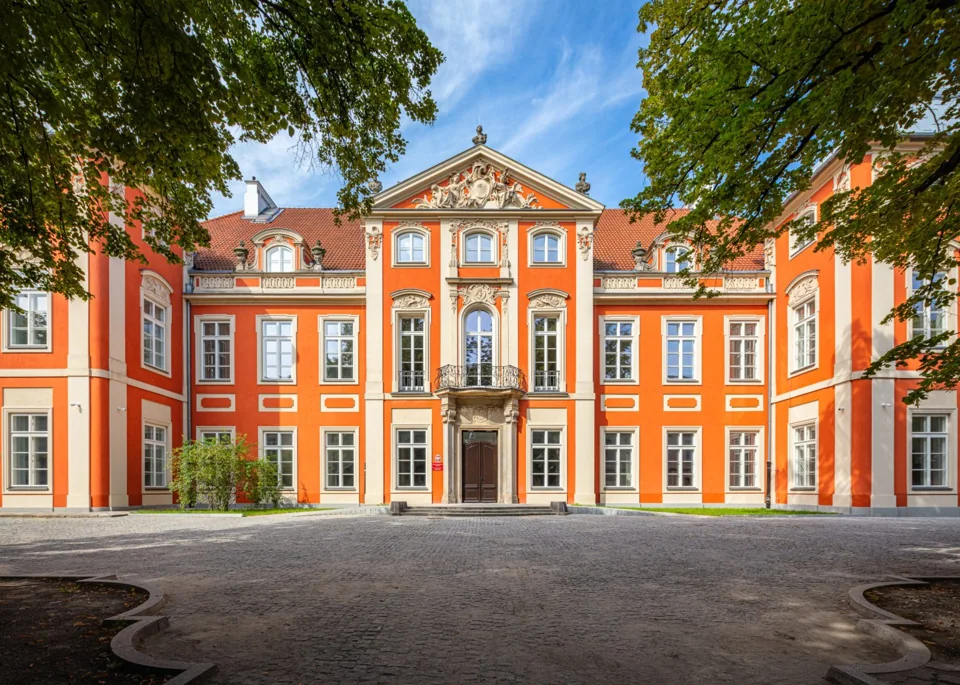
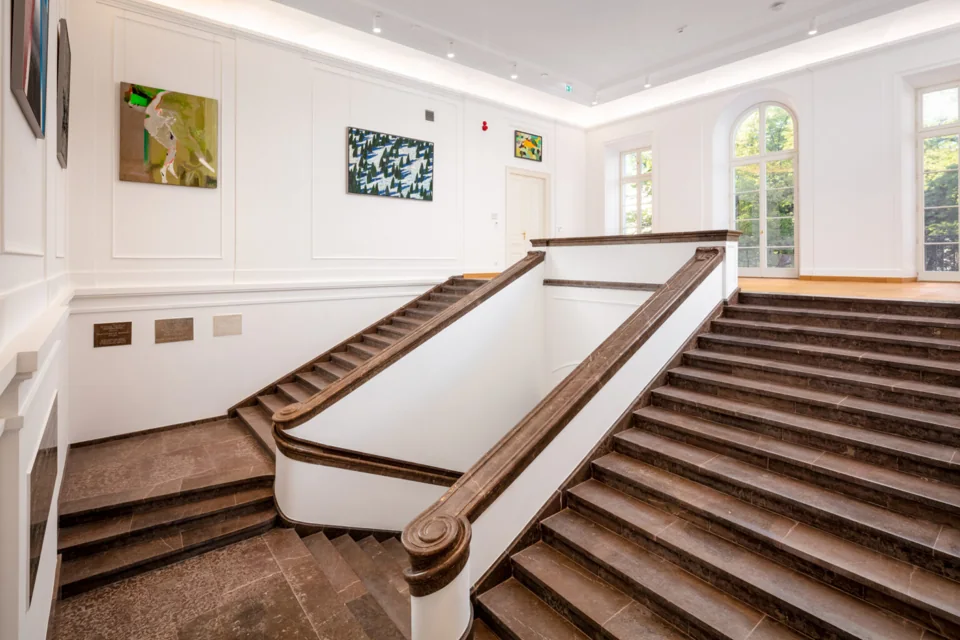
The Academy has occupied Czapski Palace on Krakowskie Przedmiescie since 1947. Revitalised in 2021, the palace accommodates cultural activity, exhibition galleries, the Academy museum and the Main Library. Its artistic identity joins experimental and independent work with design intended for practical use. The institution also conducts research and has operated a Doctoral School since 2019, extending its educational work beyond the initial development of studio practice.
Sources: About the Academy ↗
Painting and individual artistic development
The Faculty of Painting offers a five-year, full-time integrated master's programme at the main campus on Krakowskie Przedmiescie. Painting and drawing studios form its core, with additional workshops broadening the techniques and forms available to students. These include classical and experimental textiles, easel and wall-painting technologies, visual structures and art in public space.
Teaching connects practical command of materials with reflection on painting as a medium and on its historical and contemporary possibilities. Students undertake exercises from observation, technical work, imaginative assignments and individual projects. Group activity can include field trips, screenings and the organisation of exhibitions inside and outside the Academy. Discussion and presentation of work are also identified as teaching methods. This approach encourages students to explain their decisions, encounter different artistic positions and develop a sustained personal practice alongside their technical skills.
Sources: Faculty of Painting ↗
Conservation across materials and disciplines
The Faculty of Conservation and Restoration of Works of Art is based on Wybrzeze Kosciuszkowskie. Its six-year integrated master's education combines artistic conservation skills with research in science and the humanities. The programme addresses the knowledge required to investigate objects and make decisions about their preservation, rather than treating restoration simply as a manual technique.
Its principal specialisms cover paintings and polychrome sculpture; books, graphic works and historic leather; historic tapestry; and sculpture and architectural ornaments. Additional options concern archaeological and ethnographic objects, contemporary art and photography. The faculty describes preparation for projects undertaken both independently and in teams. Its programme is developed in relation to advances in conservation science and artistic practice. This range places the care of different materials within one academic environment, while retaining specialist pathways for the particular structures and histories of the objects being studied.
Design, art and theory
Established in 1977, the Faculty of Design is based in historic buildings on Mysliwiecka Street. Its educational model connects design practice with art and theory. Product, spatial and visual communication work sits alongside clothing design and knowledge of technology, markets, society and culture. The programme examines the needs of users and the ways a design process can turn those needs into functional, visual and experiential proposals.
Students also attend painting, drawing and sculpture classes. The faculty identifies Oskar Hansen's Open Form as an influence on its emphasis on independent creative thinking. Theoretical teaching considers social, political and economic contexts, while practical work can involve services, transport, public spaces and everyday objects. Cooperation with companies and craftspeople brings production knowledge into study. Woodworking, ceramics and painting workshops support the material development of projects, connecting research and conceptual decisions with the process of making.
Sources: Faculty of Design ↗
Media art and audiovisual practice
The Faculty of Media Art occupies a historic building on Spokojna Street. Its teaching encompasses photography, video, animation, sound, virtual space, performance, installations, painting and drawing. The faculty describes an interdisciplinary approach in which different media can be combined rather than kept within rigid boundaries. It offers first- and second-cycle programmes in both full-time and part-time forms.
At first-cycle level, workshop skills and audiovisual awareness provide the foundation for independent and collective work. Students encounter contemporary approaches to image and sound while developing the ability to realise their own projects. Second-cycle teaching places greater emphasis on specialist knowledge and the formulation of artistic ideas. The programme also considers how artworks function in culture and how audiences perceive their formal qualities. This connects practical technology with analysis, presentation and reflection, allowing different artistic means to be chosen according to a project's purpose.
Sources: Faculty of Media Art ↗
Research, curating and cultural institutions
The Faculty of Artistic Research and Curatorial Studies, formerly Visual Culture Management, offers bachelor's and master's study in Artistic Research. Its staff brings together artists and scholars working in art history, sociology, philosophy, law and political science. Contemporary art is examined through this wider disciplinary setting. Courses address criticism, copyright and the organisation of artistic life, while laboratories combine practical activity with theoretical investigation.
Research projects are central to the programme. Teachers and students work together on exhibitions, analysis and publications, drawing on curatorial practice, archives, cultural heritage and urban space. Partnerships with institutions including the Museum of Modern Art and the Museum of Warsaw connect teaching with the work of museums. Students can participate in curating classes, artist interviews and internships. The faculty therefore adds a research and cultural-organisational dimension to an Academy whose other programmes concentrate on making, designing and conserving artistic work.
Sources: Faculty of Artistic Research and Curatorial Studies ↗