Visa
About Academy of Film & Multimedia “MARUBI”
An independent film school in Tirana
The Academy of Film and Multimedia Marubi, usually abbreviated AFMM, is an independent film school in Tirana, Albania. Founded in October 2004 by OraFilm Production Company with support from the Albanian Filmmakers Association Lumière and international supporters, it focuses on education for film and the audiovisual sector. The academy is supported by the Kinostudio Foundation and identifies its location with Tirana’s historic film production district.
The school describes an educational method combining theoretical lessons with practical assignments. Students rotate through different positions in the production process, gaining experience of image and sound work and of both digital and photochemical approaches. Teaching takes place mainly in Albanian, with contributions also delivered in English, German, French and Italian. Its institutional history records joining CILECT, the international association of film and television schools, as a full member in 2008. This connection places the academy within a wider community of film education institutions, alongside its focus on local and regional audiovisual development. Regional exchange and the development of young filmmaking talent are among the academy’s stated aims.
Sources: About the academy ↗
Academic organisation and specialist profiles
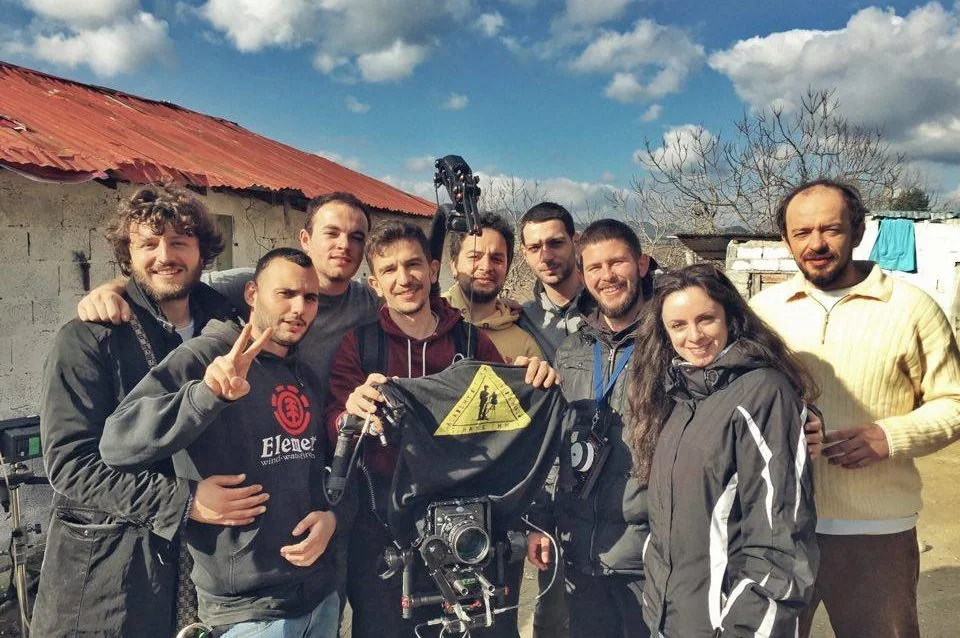
The academy is organised around one Faculty of Film and Media. Its published structure includes a Department of Directing and Screenwriting, a Department of Camera and Editing, and a production unit. This arrangement places the creative conception of films, their visual construction and their postproduction within connected parts of the same institution.
The governance structure identifies an Academic Council, academy director, head of productions, administrative director and Student Council, alongside the foundation’s governing bodies. Bachelor qualifications in Film and Media are listed in directing, camera, screenwriting and editing profiles. Master of Arts profiles cover directing for film and audiovisual work, production, and acting for film. The profile system gives students a defined area of responsibility while retaining the collaborative character of filmmaking.
Sources: Faculty and governance ↗
A bachelor programme built around production
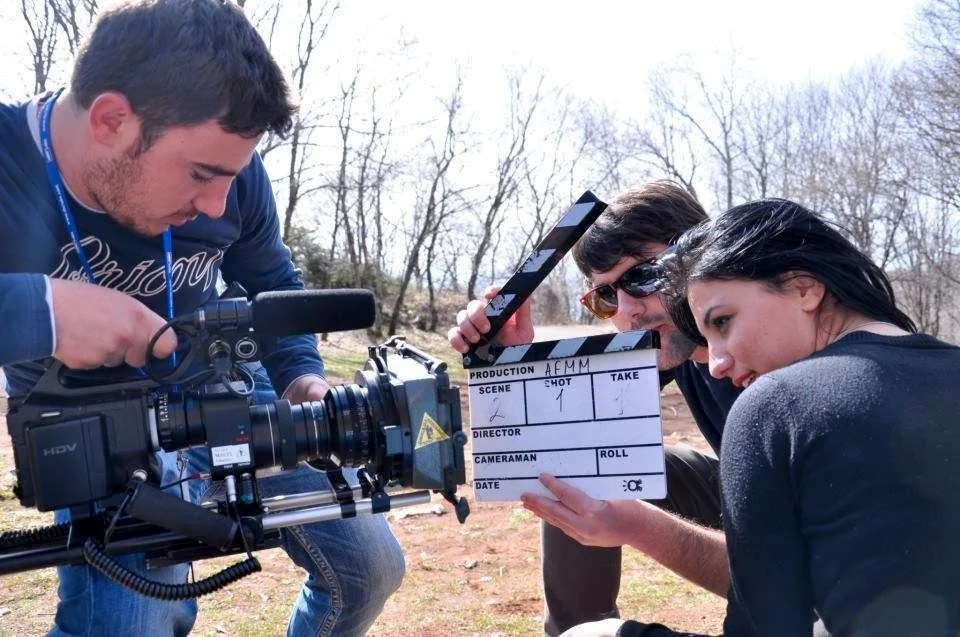
The bachelor programme is presented across three years. The first develops general audiovisual culture through lessons, masterclasses, seminars, theoretical assessment and rotating practical assignments. Subjects include world cinema history, camera technology, film grammar, documentary production, editing, screenwriting, sound, photography and art history. Students undertake practical short-film exercises while trying different crew positions.
After completing the first year’s work, students choose their specialist direction. Later study combines camera and editing or screenwriting and directing subjects with production, visual arts and technology, documentary work and film sound. The final year centres on a diploma short film and a theoretical essay. The academy’s description specifies school equipment and student technical crews, with professional actors permitted. Faculty members follow and assist the production process. This structure makes completed film work a central part of academic development rather than leaving practical production until after study.
Sources: Bachelor programme ↗
Master study in film and media
The academy announced its Master of Arts in Film and Media for the 2025–2026 academic year. The published programme is full-time over two academic years and carries 120 ECTS credits. Its three profiles are acting for camera, production, and film and audiovisual directing. The programme information connects theoretical investigation with the practical requirements of making audiovisual work.
General theoretical areas include cinema and audiovisual semiotics, the philosophy of the image and comparative film history. Specialist subjects include cultural economics and copyright, directing, acting for camera, video art, artificial intelligence and storytelling, physical performance, makeup, scenography and costume design, and music in film. Production work brings together screenwriting, directing, camera, editing and the preparation of a complete production dossier. Graduation includes evaluation of a diploma film in the chosen profile.
Sources: Master programme ↗
Technical resources across the filmmaking process
The equipment inventory, last updated in March 2023, documents resources for different stages of filmmaking. Camera equipment includes digital cinema systems, lenses, tripods, monitors and follow-focus tools. Separate sections list direct-sound recorders, microphones and mixers, together with lighting fixtures, diffusion materials, stands and grip equipment. A jib, dolly and tracks provide additional options for camera movement.
Postproduction resources listed on that dated inventory include editing stations and software such as DaVinci Resolve, Final Cut Pro and Avid Media Composer, with sound facilities using Pro Tools and Fairlight. The film laboratory supports photographic and motion-picture processing in small and larger film formats, while outdoor projection equipment supports screenings. The range shows how the academy’s technical provision connects shooting, sound, editing, laboratory work and presentation within its production-based teaching approach.
Sources: Equipment inventory ↗
Archives, public events and international connections
The school is situated within the former state film studios in the Kinostudio area of Tirana. Its homepage describes a library and film collection available to students and notes the proximity of Albania’s National Film Archive. OraFilm assists the academy’s production unit and is responsible for maintaining and upgrading its equipment. These connections place learning close to both film production resources and the country’s audiovisual heritage.
Public cultural events and screenings form another part of the academy’s activity. Its website connects visitors with the International Human Rights Film Festival Albania and the eKino platform. The published partner list includes the National Film Archive, cultural institutes, embassies and film education institutions such as Italy’s Centro Sperimentale di Cinematografia, Munich’s film school and Romania’s National University of Theatre and Film. Together, these links support a school environment connected with cultural exchange, archives and public film culture.
Sources: Campus, resources and events ↗ · Partners ↗