Visa
About Academy of Applied Studies Southern Serbia
A public academy in southern Serbia
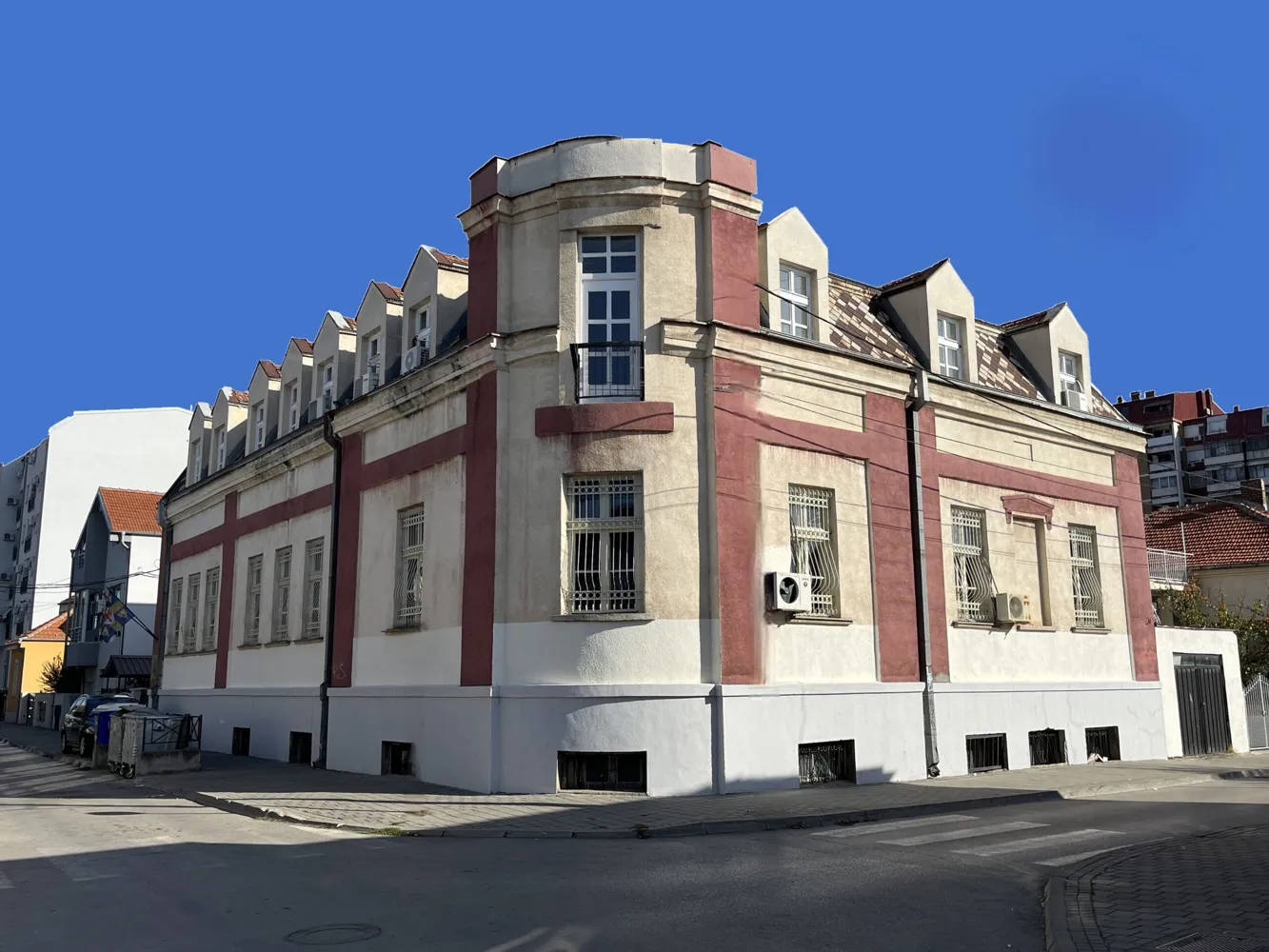
The Academy of Applied Studies Southern Serbia is a state higher education institution headquartered in Leskovac, Serbia. Established through a Serbian government decision in 2019, it brought together previously independent higher education institutions within an academy structure. Its central address is Partizanska 7, Leskovac. The academy describes its educational scope through three broad areas: social sciences and humanities, technical and technological sciences, and the arts. Professional higher education is the common framework connecting these different subjects.
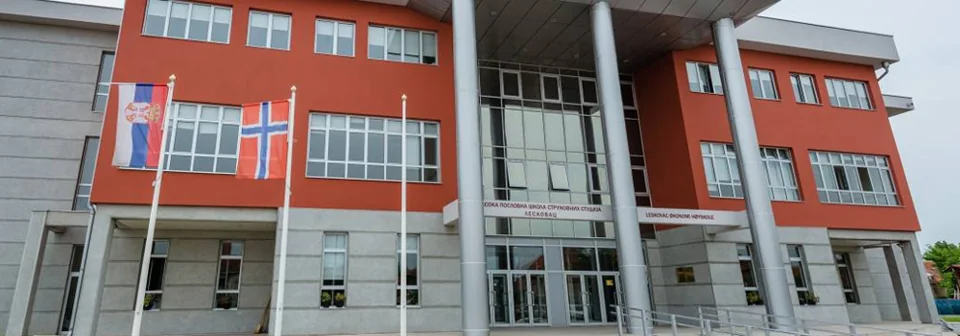
The current institutional structure comprises three departments. The Higher Business School department in Leskovac is located at Vlade Jovanovića 8. The Higher School for Preschool Teachers department serves Bujanovac, with its address at Karađorđev Square. The Higher Technological and Art School department is also in Leskovac, at Vilema Pušmana 17. Together, these departments give the academy a presence in two southern Serbian towns and bring business education, teacher preparation, technology and design into the same institution.
Sources: About the academy ↗
Business, education, technology and design
The business department lists undergraduate professional programmes in Business Informatics and E-business; Finance, Accounting and Banking; Business Management; Tourism and Hospitality; and Gastronomy Management. This range connects the organisation of businesses with financial operations, digital commerce, visitor services and food-related management. Its specialist professional programmes include Digital Marketing and E-commerce and Food Technology and Gastronomy Management. At master professional level, the department lists Business Economics and E-business.
The Bujanovac department concentrates on preschool education. Its undergraduate programme prepares preschool teachers, and its master professional programme continues that educational specialism at a higher level. The Technological and Art School department lists undergraduate programmes in Environmental Protection, Occupational Safety, Textile Engineering and Fashion Design. Its master programme list includes Digital Clothing Design as well as protection engineering. These subjects show how the academy combines service-oriented professions with industrial, environmental and creative disciplines, rather than concentrating all its provision within a single academic field.
Sources: Study programmes ↗
Professional qualifications and academic credits
The academy explains its qualifications through the European Credit Transfer and Accumulation System, usually abbreviated ECTS. Undergraduate professional studies normally take three years and carry 180 ECTS credits. Specialist professional studies take one year and carry 60 credits, while master professional studies take two years and carry 120 credits. This gives the different qualification levels a stated duration and a corresponding credit volume.
Within that system, a full academic year represents 60 credits and a semester represents 30. Credits express the workload associated with learning rather than simply the number of classroom meetings. The academy presents ECTS as a way to make study achievements more comparable and to support recognition when students move between institutions. Its credit information therefore connects the internal organisation of programmes with the practical requirements of international academic mobility.
Sources: Academic credit system ↗
International cooperation and mobility support
International cooperation is organised through a dedicated team that supports both student and staff mobility. Its responsibilities include developing relationships with partner institutions, helping establish cooperation agreements, and providing information to members of the academy who want to participate in exchanges. The head of the team coordinates its work and reports to institutional management.
The published team structure assigns distinct responsibilities to an ECTS coordinator, staff and student mobility coordinators, and a language coordinator. Departmental international relations officers connect this central activity with individual departments. Student representatives from the first and second study levels assist incoming and outgoing students, while administrative support helps with the operational side of exchanges. This distribution of responsibilities covers academic recognition, communication, language preparation and the everyday administration needed to make an exchange work across institutional boundaries.
Sources: International cooperation team ↗
Language preparation for exchanges
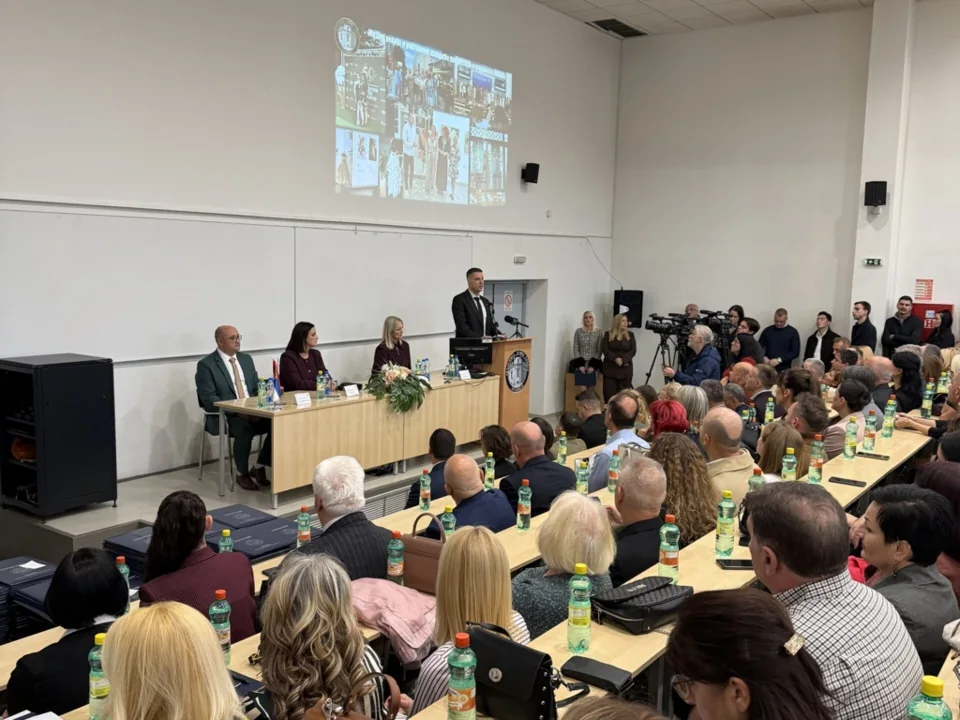
The first and second levels of professional studies are taught in Serbian. The academy’s language policy consequently includes preparation for incoming participants who need to communicate locally and follow teaching or practical classes in Serbian. When needed, its language coordinator organises a basic preparatory course and provides assistance during the mobility period.
For outgoing students, language and communication skills form part of the selection requirements. The coordinator conducts foreign language placement tests during selection and can arrange additional free language training and cultural preparation suited to the destination country. English is included among first-level study courses, and some first-level students study both French and English. The policy covers teaching and non-teaching staff as well as students, making language support part of the wider cooperation framework.
Sources: Language policy ↗
Projects and student representation
The academy’s published portfolio of projects approved for funding includes work on environmental adaptation, rural development, technical capacity and cultural activity. Listed international initiatives include REbATE, concerned with ecosystem-based adaptation in threatened environments, and LANDS, focused on Balkan agrotourism landscapes. The portfolio also includes a Regional Challenge Fund initiative concerning technical and human resources for cooperative study programmes. Other listed themes include cleaner air, reuse of clothing, ecological fashion and the branding of Leskovac’s cultural heritage. These entries describe funded project themes rather than a claim that every project has already finished.
Students also have a formal representative body through the student parliament. Its stated responsibilities include representing and protecting student rights, considering matters affecting students, and organising student activities. The academy publishes parliamentary formation and election documents, providing a visible institutional channel for student representation alongside its academic departments and international cooperation team.
Sources: Projects approved for funding ↗ · Student parliament ↗