Visa

About Academia de Música de Lisboa
A specialised music school in Lisbon
Academia de Música de Lisboa is a specialised artistic education school founded in 2004. It is managed by Acordarte – Associação Promotora da Educação Cultural e Artística, a nonprofit cultural association established in 2003. The association promotes the place of the arts, especially music, in education and citizenship, and organises cultural and artistic activity alongside its management of the academy. Children and young people are a central focus of the educational project.
The academy has its headquarters in Restelo and additional schools in Parque das Nações and Oeiras. The Restelo school is at Avenida Helen Keller,15 C, in Lisbon. The school’s history records pedagogical autonomy since 2011 and a Ministry of Education sponsorship agreement dating from September 2006. Its curriculum spans early childhood music, instrumental initiation, basic and secondary music study, open courses and classical ballet. The institutional history also records definitive operating authorisation granted by an order dated 6 June 2018, under process number 580, within the private and cooperative education network.
Sources: School history ↗ · Restelo school ↗
Musical learning and the school community
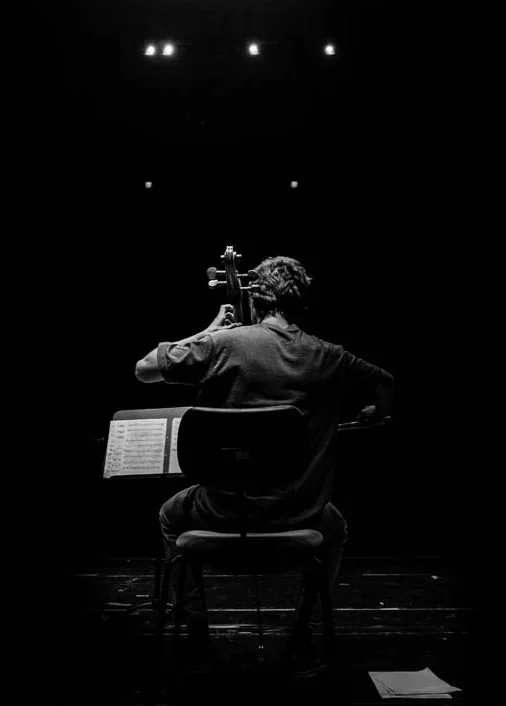
The academy’s mission and values connect music education with aesthetic awareness, social interaction and a disciplined approach to practice. It emphasises companionship, respect for others and technical care as parts of artistic development. The school sees individual musical work and participation with other learners as complementary: students study their instruments while also developing habits of listening, cooperation and shared responsibility.
The 2022–2025 educational project describes teaching shaped by each pupil’s characteristics and learning pace, with autonomy and creativity among its priorities. It also gives a practical account of the school community. Books, scores, instruments and study rooms are identified as resources that can be requested, alongside shared social spaces. Parents, teachers, students and other staff are presented as contributors to an educational environment built through daily participation and artistic activity.
Sources: Mission and values ↗ · Educational project 2022–2025 ↗
From baby sessions to instrumental initiation
Música para Bebés provides regular sessions for children from birth to 36 months. The activities described by the academy include singing, movement, percussion, sound exploration and listening to different musical styles. Games, stories and rhythmic songs are used to introduce sounds and musical interaction. The programme is part of an early childhood offering that continues with Jardim da Música from age three.
Jardim da Música combines weekly instrument lessons, musical expression and ensemble class. Its listed instruments are clarinet, transverse flute, guitar, piano, violin and cello. The subsequent Iniciação Musical course corresponds to the first cycle of regular schooling. It joins instrument study with musical initiation and ensemble work. At that stage the published options extend to singing, double bass and viola as well as the instruments already represented in the younger children’s programme.
Sources: Music for babies ↗ · Jardim da Música ↗ · Musical initiation course ↗
Basic and secondary musical study
The Curso Básico de Música corresponds to the second and third cycles of regular schooling. Its three published subject areas are instrument, musical training and ensemble class. Students may attend through the Portuguese supplementary or articulated arrangements, described by the school as regime supletivo and regime articulado. Instrumental options include clarinet, double bass, flute, guitar, piano, viola, violin and cello, together with singing.
The secondary music course is offered at Restelo. Its listed options include composition and musical training alongside singing and instrumental subjects. The instrument list again covers woodwinds, keyboard, guitar and bowed strings. The secondary course also uses supplementary or articulated attendance arrangements. Across the published stages, the academy combines individual specialisation with broader musical study, while ensemble activity appears from the earliest structured courses through the basic programme.
Sources: Basic music course ↗ · Secondary music course ↗
Open courses and classical ballet
The Curso Livre offers a flexible route for learners of any age. Students may take one or several subjects on an optional basis. The school lists singing, clarinet, double bass, transverse flute, guitar, piano, viola, violin and cello among the available choices. This extends the academy’s teaching beyond the age-linked initiation, basic and secondary sequence.
The ballet school adds a movement based art form to the educational offering. Its published page describes classical ballet from age three, with two 45 minute classes each week at Restelo. Together, the open course and ballet provision give the institution several forms of participation: focused musical study, selected lessons for a learner’s own interests and a separate programme centred on dance.
Sources: Open music course ↗ · Ballet school ↗
Ensembles, performance and public activity
Os Violinhos is a training orchestra associated with the academy. Its presentation describes a combination of educational and artistic purposes, with concerts in schools, hospitals and residential homes as well as participation in fundraising initiatives. Its programmes have combined music with poetry, multimedia and other arts. The orchestra’s international activity includes appearances in several European countries and the United States.
The 2022–2025 educational project also describes Camerata, a string orchestra founded in 2007 for young academy musicians. Its performance history includes venues such as the Centro Cultural de Belém, Fundação Gulbenkian, Museu Oriente and Palácio da Ajuda. The document records international exchanges and participation in the 2022 Stirling International Music Festival. Workshops and masterclasses with guest teachers form another part of the academy’s performance oriented educational work, connecting regular lessons with ensemble preparation, visiting expertise and public concerts.
Sources: Os Violinhos orchestra ↗ · Educational project 2022–2025 ↗