Visa
About Abubakar Tafawa Balewa University
Origins and technological purpose
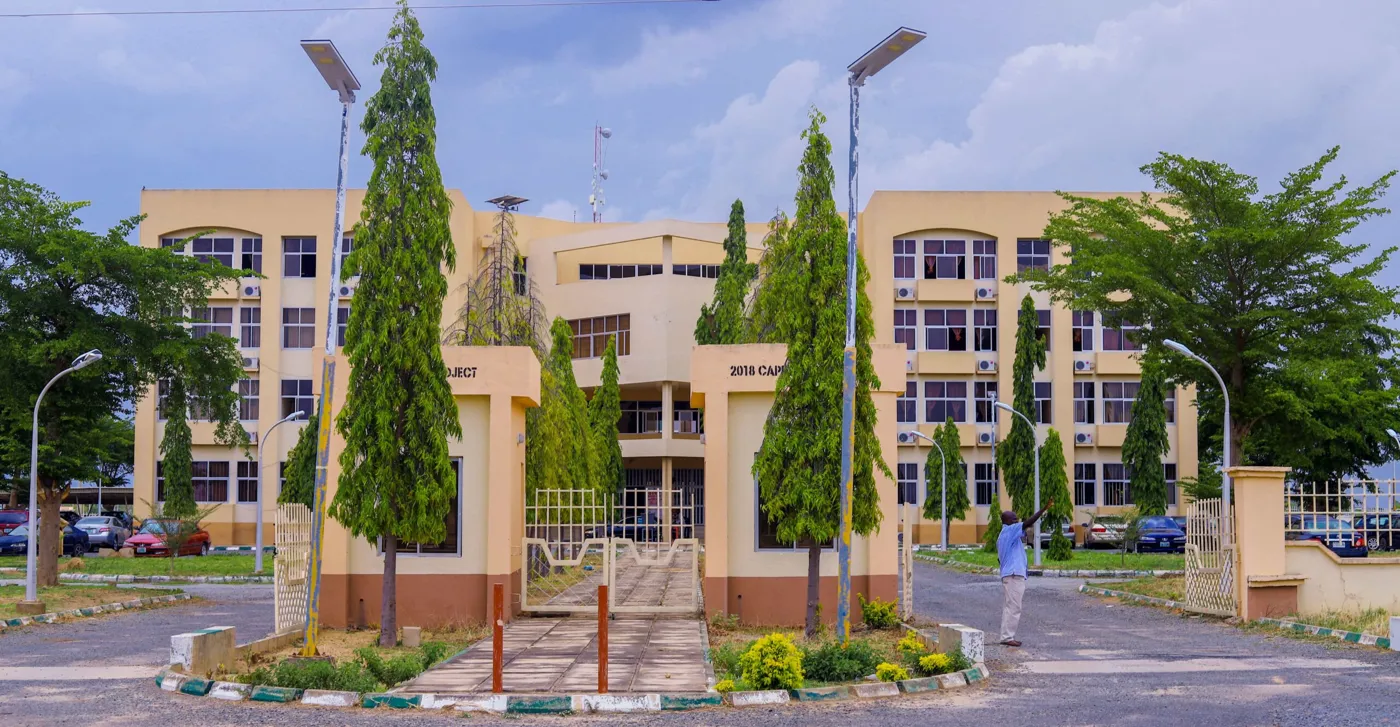
Abubakar Tafawa Balewa University, commonly called ATBU, is a federal university of technology in Bauchi, northeastern Nigeria. It takes its name from Sir Abubakar Tafawa Balewa, Nigeria's first prime minister. The university traces its establishment to 1980, when it began as the Federal University of Technology, Bauchi. Its first students entered pre-degree and remedial programmes in October 1981, followed by degree teaching in science and science education in October 1982.
In October 1984 the institution merged with Ahmadu Bello University and became its Abubakar Tafawa Balewa College at Bauchi. It regained autonomous university status in 1988 and adopted its present name. The official history connects its academic development with an applied curriculum suited to a technology-based institution. Its mission places teaching, research and the development and testing of ideas alongside preparation for work, leadership and meaningful participation in society. The stated institutional philosophy also includes academic freedom, equal opportunity, tolerance and respect for cultural diversity. These principles explain the university's educational purpose without relying on rankings or promotional comparisons.
Sources: About ATBU: history, mission and philosophy ↗
Academic fields and professional study
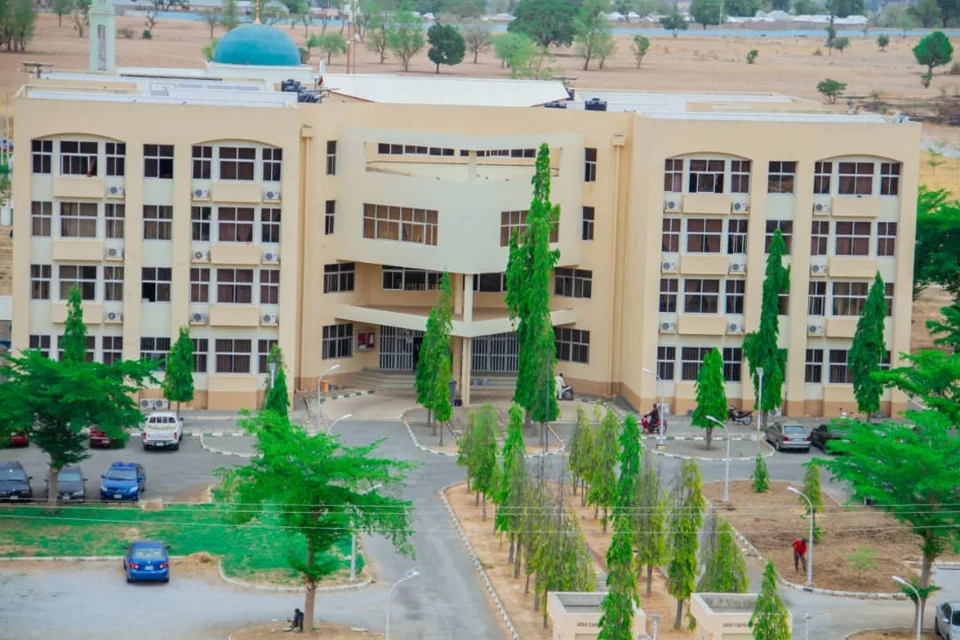
The university's academic directory spans agriculture, engineering, environmental technology, management, science, technology education and medical sciences. Its scientific fields include biochemistry, biological sciences, chemistry, geology, mathematical sciences, microbiology and physics. Management-related entries include accounting and finance and management information technology. The directory also identifies postgraduate provision and other academic units supporting study beyond individual departments.
Environmental subjects include architecture, building, environmental management technology, estate management and valuation, industrial design, quantity surveying, surveying and geoinformatics, and urban and regional planning. Technology education connects subject knowledge with education and vocational preparation. The medical-science listings include anatomy, physiology and medical biochemistry. This range shows how ATBU's technological identity extends across the built environment, living systems and professional education. Departmental listings describe academic organisation, while the relevant current programme and admissions information is needed to confirm the qualifications offered and the requirements for a particular course.
Sources: Faculties and colleges ↗
Engineering education and practical resources
The Faculty of Engineering and Engineering Technology traces its origins to the 1983/84 academic session. Its official account describes an education combining theoretical foundations with practical training, research and community service. The engineering disciplines listed include agricultural and bio-resource, automobile, chemical, civil, computer and communications, electrical and electronic, mechanical and production, mechatronics and systems, and petroleum engineering.
Laboratories, workshops, computing resources and computer-aided design facilities are identified as part of its learning environment. The faculty also emphasises communication, teamwork, ethics, entrepreneurship and problem solving. These wider skills sit alongside technical study rather than replacing it. Its account links postgraduate research with areas such as structural systems, energy technologies and automation. The description is useful for understanding the faculty's scope and stated educational approach; it does not establish that every programme has identical facilities or that a qualification guarantees a particular job. Exact course structures remain matters for the corresponding programme information.
Sources: Faculty of Engineering and Engineering Technology ↗
Agriculture and regional development
The agriculture faculty presents its work in relation to the needs and practices of its host community. Its published philosophy focuses on sustainable agriculture and contributions to food security and self-sufficiency. Practical and functional training is a central aim, with production and research expected to address agricultural and development problems. This connects scientific study with the conditions in which crops and livestock are managed.
The faculty's objectives also discuss conserving land resources and using fragile land sustainably for crop and animal production. Agricultural structures and policy are included within its account of the sector's role in the national economy. These priorities place resource management alongside the production of food. They are educational and research aims rather than measurements of achieved agricultural output. Within a technology-oriented university, the faculty provides a clear example of applying academic knowledge to practical questions affecting communities, livelihoods and the use of natural resources.
Sources: Faculty of Agriculture ↗

Libraries and academic information skills
ATBU's university library dates to 1981. Its stated role is to support teaching, learning and research through access to information and publications. The library describes services at both Yelwa and Gubi campuses, alongside collections serving particular faculties and programmes. Its organisation covers acquiring and cataloguing resources, helping readers, and maintaining materials through technical services.
Reader support includes lending, reference assistance, current-awareness services, interlibrary loans and user education. The library also describes teaching information skills to second-year undergraduates so that students can locate and use resources for their studies. This educational role complements the provision of books, journals and electronic information. Faculty involvement in collection development is intended to keep holdings responsive to academic programmes and curriculum changes. These functions bring collections, reader services and instruction in finding academic information into the same support system.
Sources: University library ↗
Digital infrastructure and learning support
The Directorate of Information and Communication Technology was created in 2010 through the merger of the university's information and communication technology centre, management information systems unit and computer centre. Its official description links digital infrastructure with teaching, research, training and administrative work. Maintaining and regulating campus internet access is included among its responsibilities.
The directorate also describes workshops, classes and technology-related services, alongside facilities used for research, demonstrations and assessment. Its stated role includes helping staff and students work with information technology rather than providing connectivity alone. The director's published welcome identifies digital literacy, infrastructure development and collaboration as priorities. These are useful indications of institutional direction, but proposed innovations should be distinguished from systems already demonstrated to be in operation. Together with the library and departmental facilities, the directorate forms part of the support structure behind ATBU's academic work across its campuses.
Sources: Directorate of Information and Communication Technology ↗