Visa
About Aarhus University
A public university rooted in Aarhus
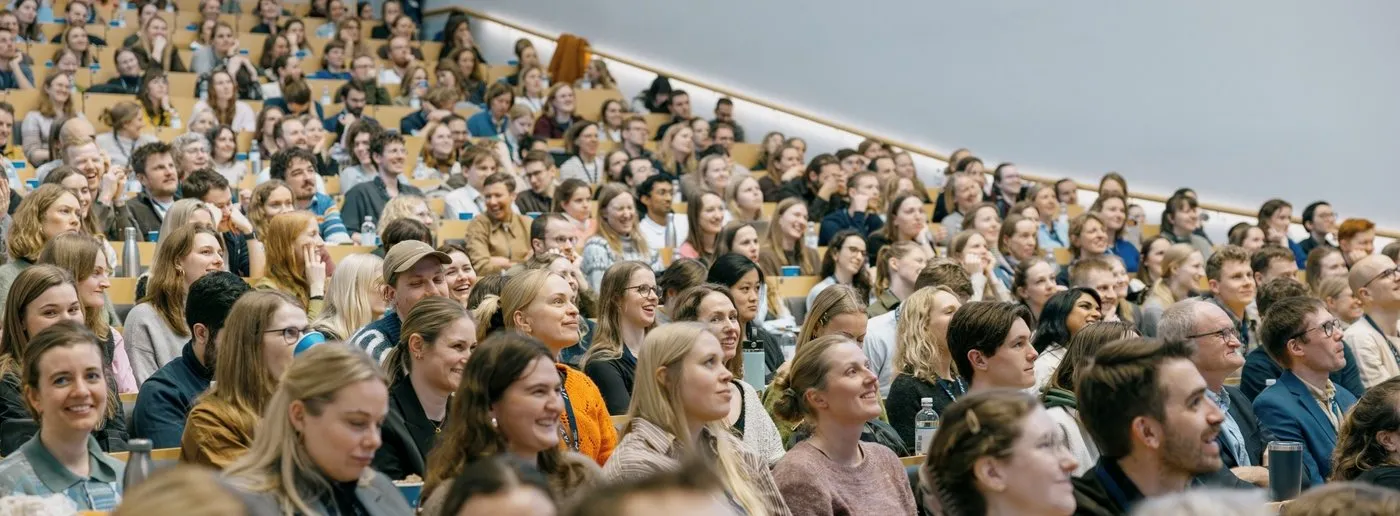
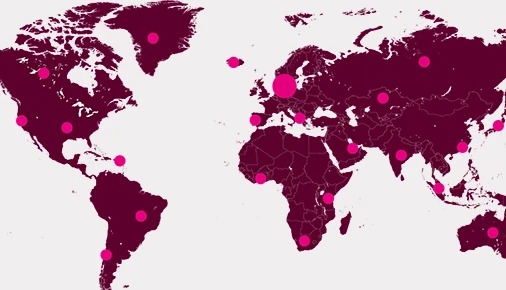
Aarhus University is a public university in Denmark with a main campus in Aarhus and additional campuses in Herning, Viborg and Emdrup. Since its foundation in 1928, it has developed into an institution combining education with research across a broad range of subjects. Its official profile emphasises the connection between teaching and active researchers, alongside an international academic environment. The university provides bachelor's, master's and doctoral study, with English-language options available at different levels. Its International Centre offers induction, introduction activities and practical guidance for students arriving from abroad. International academic staff and doctoral researchers can also find support for the practical aspects of moving to the university. This combination of academic breadth, research activity and arrival support makes the institution relevant to people seeking either a degree or a longer research career.
Sources: University profile ↗
From rented classrooms to a larger institution
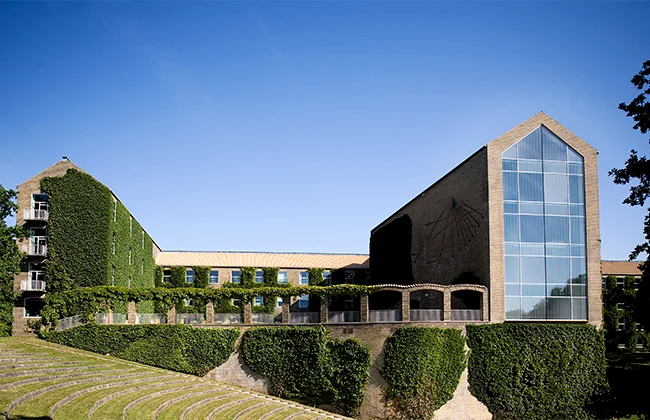
The university's history begins with teaching in rented premises in 1928. Its earliest students studied languages and introductory philosophy under the name University Teaching in Jutland. The first university building was inaugurated in 1933, with a design by Kay Fisker and C. F. Møller that became a model for buildings in the University Park. Later expansion included the development of new faculties and mergers with other educational and research organisations. The 2006–2007 mergers brought institutions including Aarhus School of Business and the Danish University of Education into the university. A further reorganisation created four faculties in 2011. In 2020, the former Faculty of Science and Technology was divided into Natural Sciences and Technical Sciences. These changes help explain how a small teaching initiative developed into today's much broader university.
Sources: History of Aarhus University ↗
Five faculties and a wide academic range
The present faculty structure brings together Arts, Aarhus BSS, Health, Natural Sciences and Technical Sciences. Arts covers cultural and social questions through fields including languages, archaeology, theology, information studies and educational sciences. Aarhus BSS provides the university's business and social sciences environment. Health includes medicine, dentistry, sport science and public health, connecting education with research intended to improve population health. Natural Sciences encompasses subjects such as biology, chemistry, physics, astronomy, mathematics, computer science and nanoscience. Technical Sciences combines engineering with environmental, agricultural, animal and food sciences, alongside applied research and public sector consultancy. This range gives applicants several distinct academic settings within one university. It also shows why the university's research cannot be reduced to one discipline: its organisation supports work involving human societies, living systems, physical processes and technological development.
Sources: The five faculties ↗
An analytical and participatory learning culture
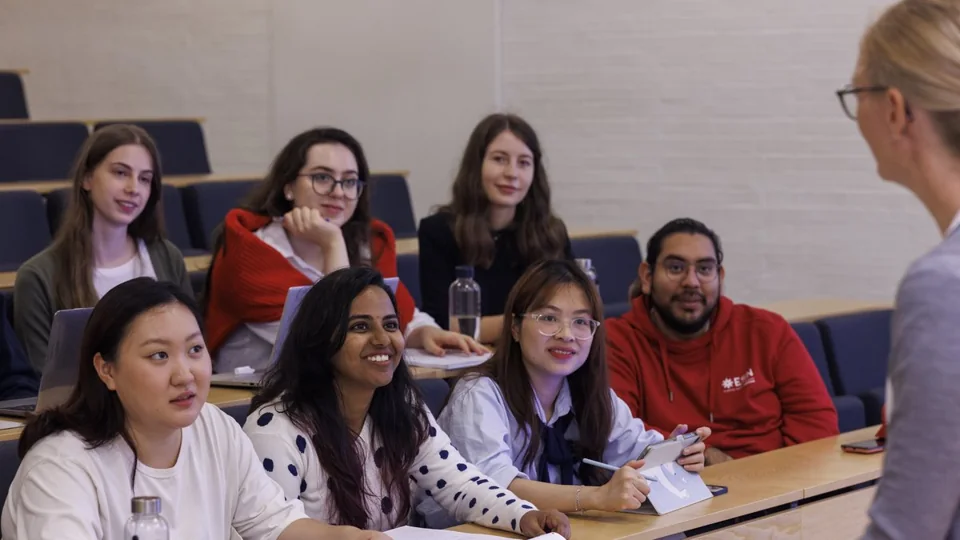
Aarhus University's teaching guidance describes a learning culture built around analysis, discussion and active participation. Courses commonly combine larger lectures with smaller seminars, where students are expected to ask questions, discuss ideas and give presentations. The aim extends beyond remembering information to comparing, analysing and evaluating it, both independently and in groups. Relations between students and lecturers are generally informal, with questions encouraged and critical disagreement accepted as part of academic work. This freedom comes with responsibility for preparation and self-discipline; some courses also require attendance as a condition for taking an examination. The university points students towards AU Studypedia for advice, exercises and inspiration on academic working methods. These resources cover tasks such as searching for sources and writing assignments, helping students understand the expectations of university-level study.
Sources: Learning and teaching culture ↗
Facilities supporting different kinds of research
The university's research facilities illustrate the variety of methods used across its subjects. Aurora, its multifunctional research vessel, supports marine research, while the Villum Research Station provides a setting for studying climate change in the High Arctic. Other facilities support biomass treatment and the study of biogas and hydrothermal liquefaction processes. Computing infrastructure includes Interactive HPC for university researchers and Genome DK for work integrating large biological and registry datasets. Researchers studying behaviour can use the Cognition and Behavior Lab, and the Bioimaging Core Facility supports light microscopy applications. ASTRID2, a synchrotron light source, serves work spanning areas such as molecular biology, nanotechnology and atomic physics. Together, these examples show how the university combines field settings, experimental facilities and computational resources to investigate questions that require very different forms of evidence.
Sources: Research facilities ↗
Libraries, literature and academic support
AU Library provides access to books, articles, journals and databases through its search system and subject guides. Its services extend beyond finding materials to supporting the practical work of studying and conducting research. Students can locate study areas and group rooms, obtain help from librarians, and use guidance on information seeking and reference management. The library also publishes advice about avoiding plagiarism and using images and other copyrighted material appropriately in assignments. Researchers can find resources on data management, open science, publishing and systematic literature searches. Courses and video guides introduce search techniques and other academic tools. These services are useful throughout a degree, from locating initial readings to organising references for a major project. Access to particular electronic resources and facilities follows the library's user and authentication arrangements.
Sources: AU Library: resources and support ↗
An international student community
The university's student-life pages describe a community shaped by both Danish and international students. They emphasise connections between the institution, Aarhus as a city, and local businesses, alongside an informal study environment where students can discuss questions with academic staff. Prospective students can use the international student blog and student-led social media accounts to explore personal accounts of studying and living in Denmark. These accounts add everyday perspectives to the formal programme descriptions and admissions information. The student-life portal also directs readers to resources about studying, socialising, learning Danish and preparing for life at the university. For newcomers, these channels complement academic guidance by showing how other students have experienced the move. They provide starting points for building a community while adapting to the responsibilities of independent university study.
Sources: Student life ↗