Visa
Start with the town, the river and your priorities
Victoria Falls in Zimbabwe is a practical base for a remarkable waterfall, but the address you choose shapes much more than the view from your room. Staying near the centre, beside the Zambezi or in a lodge farther outside town produces different transport needs and daily costs. Decide whether you want independent meals and short outings, an organised lodge programme or a few days of adventure before comparing accommodation prices.
Three nights give a first visit room to breathe. You can spend time at the falls, choose one substantial excursion and leave space for changing conditions. More nights make sense if wildlife, river time or a cross-border visit matters. For someone considering a move, add ordinary weekday errands and property viewings. A resort package can provide a memorable holiday without answering how a household would function here.
Know which side of the border you are booking
The Zimbabwean settlement of Victoria Falls is distinct from Livingstone in Zambia. Both serve the same wider natural attraction, but airports, immigration permissions, accommodation and park admissions are separate. Check the country beside every hotel and activity address before paying. A package using the name “Victoria Falls” may include a border crossing that is not obvious from the headline.
UNESCO’s Mosi-oa-Tunya / Victoria Falls description identifies a transboundary World Heritage property, inscribed in 1989, with a waterfall about 1,708 metres wide. The designation concerns the natural property, not an assertion that every street in the town has World Heritage status. Different viewing areas reveal different parts of the waterfall. Choose the experience you want rather than assuming one admission gives access to both countries.
Use the central visitor area, the river corridor and outlying lodge locations as initial planning zones. For residential enquiries, Chinotimba, Mkhosana and Sprayview are names to locate precisely on a map. A neighbourhood label is not a guarantee of service quality or walking access. VisaWand’s Zimbabwe location directory offers wider geographical browsing; a location listing does not necessarily mean a completed guide exists for that place.
History, the bridge and the settlement behind the scenery
The City of Victoria Falls history page records the bridge’s completion in 1905 and the settlement’s recognition as a city in 2020. Railway development helped establish the visitor economy, while the history of communities around the falls extends much farther back. David Livingstone’s nineteenth-century account introduced the waterfall to many European readers; describing him as discovering an unknown place overlooks the people who already knew it.
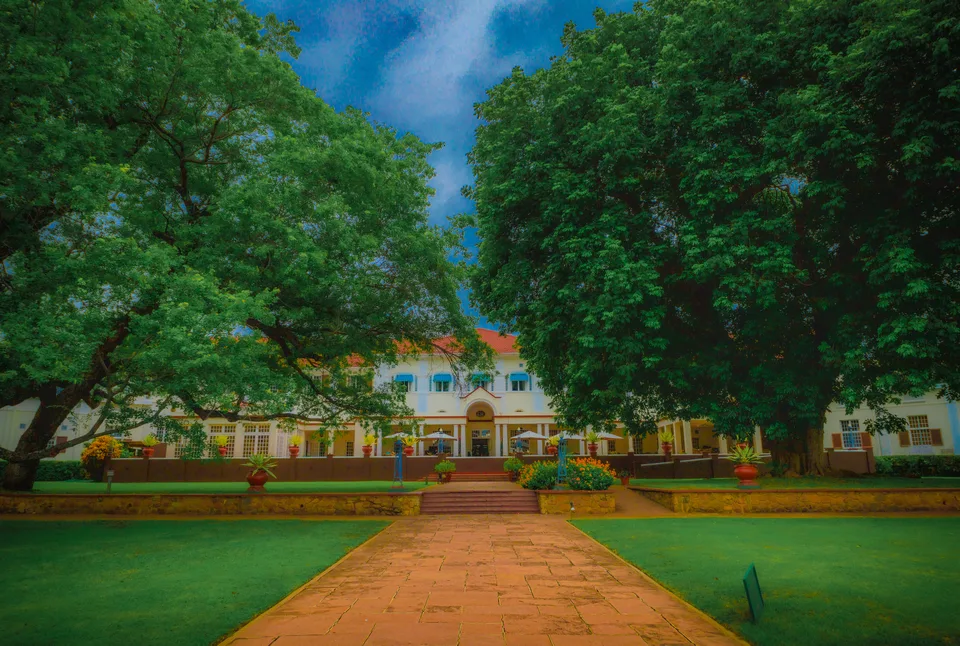
The Victoria Falls Hotel’s history connects its beginnings in 1904 with that railway era. The building is a useful historical reference even for visitors staying elsewhere. If you want to visit for a meal or afternoon tea, ask the hotel about current reservations, access and dress expectations. A historic hotel’s appearance in a guide does not mean every room, terrace or garden is freely accessible to non-guests.
A guided bridge or town-history visit can help connect the landscape with transport, labour and settlement. Shearwater’s guided tours information describes bridge and cultural experiences among its programmes. Confirm what a tour actually includes and whether border formalities are involved. For community visits, ask how residents participate, obtain permission before photographs and avoid treating someone’s home or working day as a staged attraction.
Visiting the rainforest and paying the right admission
The ZimParks Victoria Falls National Park overview describes the rainforest sustained by spray near the waterfall. Make the walking visit the centrepiece of your first full day, with enough time to pause rather than race between viewpoints. Secure footwear, weather protection and a way to protect your camera or phone are more useful than an ambitious list of photographs to reproduce.
The official ZimParks 2026 tariff, on its conservation-fees page, lists the rainforest main-gate charge as US$58 for international visitors, US$35 for SADC visitors and US$7 for local visitors. These are different visitor categories, so establish which applies and bring the evidence required. Older US$50 international figures should not be used as the current main-gate budget. Reconfirm the tariff before your visit.
The same schedule lists separate VIP-gate and moonlight-viewing charges. A guided tour, transfer, river activity or wildlife drive can also involve separate costs. Obtain a quote identifying admission explicitly rather than assuming “tour of the falls” includes it. Ask about children’s categories, payment methods and re-entry conditions before planning a second visit. A ticket should be understood against the particular entrance and programme you are purchasing.
Seasonality: powerful water or a clearer view
Wild Horizons’ seasonal information describes peak flood around April and May, followed by falling water through the middle of the year and generally the lowest flows around October and November. These are patterns rather than guarantees for a particular week. Heavy spray can obscure the spectacle at high water, while lower water reveals more rock and the shape of the gorge.
The same operator describes cooler mornings and evenings in the May–August period and a rainy season broadly from November to March. Plan clothing for your actual activities: an early wildlife drive and a midday falls walk need different layers. Tell an operator whether your priority is dramatic volume, photography or a particular water-dependent excursion. “Best time” is useful only when attached to the experience being discussed.
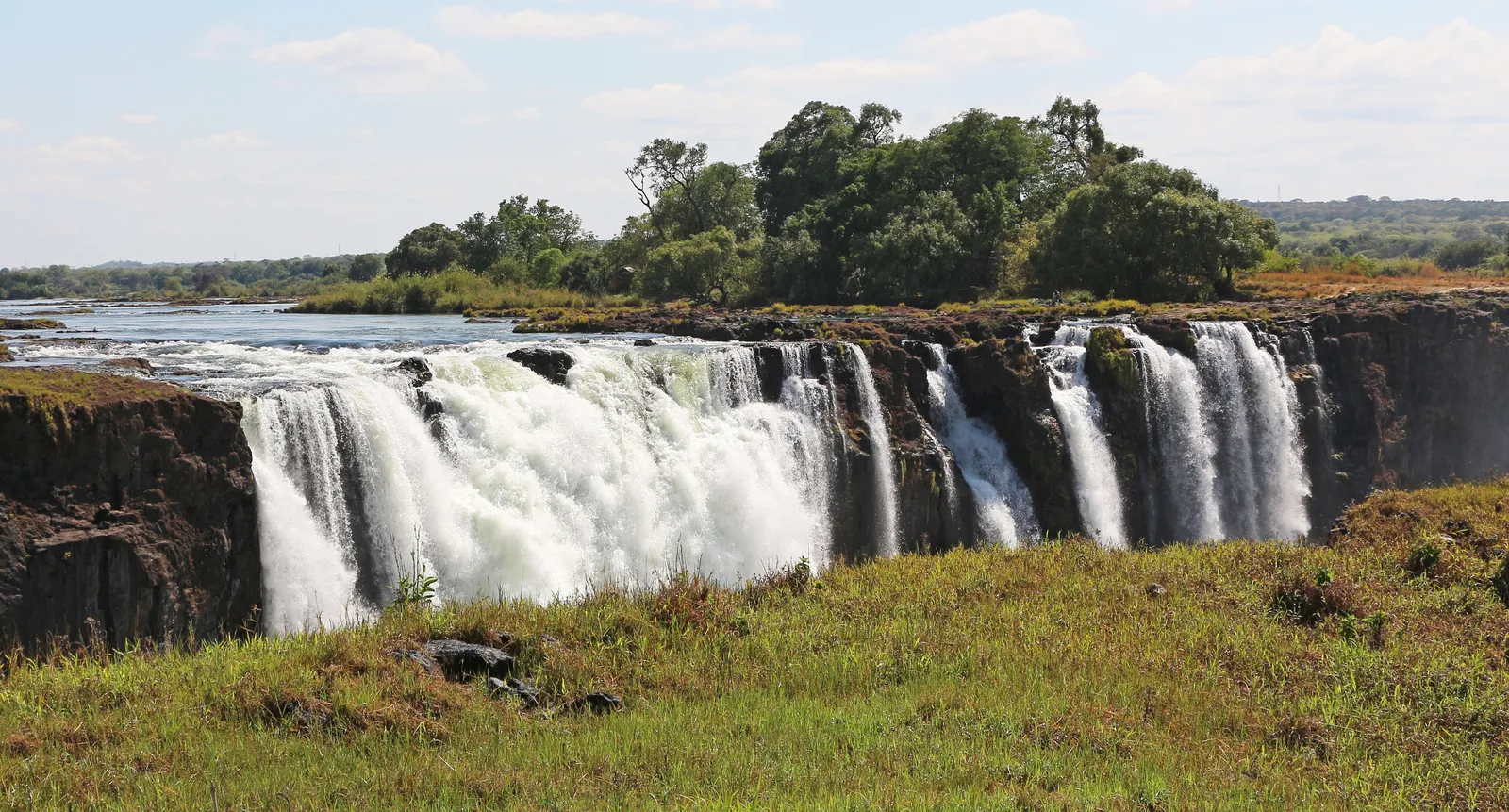
If seasonal conditions disappoint one ambition, adapt the day instead of forcing the original plan. Ask about current access and the most suitable viewpoints before setting out. The banner photograph here was taken in November 2017; it illustrates a real Zimbabwe-side view, not a forecast for your dates. No photograph can promise the same light, volume of water or visibility during another visit.
River cruises and choosing an adventure
A river outing is a different experience from the rainforest walk. Compare the boat size, shade, seating, toilet provision, transfer arrangements and drinks policy before booking a sunset cruise. Ask whether a quoted price includes the applicable river or conservation charges. A large social cruise and a smaller wildlife-focused boat may occupy similar hours but suit very different expectations.
Shearwater’s official activities information gives a starting point for comparing rafting, bridge adventures and other excursions. For each one, ask about current age, weight, medical and mobility restrictions, the physical effort involved and cancellation arrangements. Rafting access and departure programmes depend on conditions. Do not book an expensive sequence of activities on the assumption that every advertised experience operates throughout the year.
Read the insurance wording for the actual activity, including emergency treatment and evacuation. Understand who decides when conditions require cancellation and how a refund or alternative is handled. Follow briefings and remain within authorised access areas. A person who does not want to raft, jump or fly can still have a full and rewarding visit built around walking, history, river observation and time at the accommodation.
Where to stay and what the rate really buys
A central base can suit visitors who want to compare restaurants, arrange excursions independently and minimise some short transfers. Verify the walking route to any place described as nearby, particularly after dark. A guesthouse or apartment farther from the centre may offer more space but require additional journeys. Plot the exact entrance against your daily plans before deciding that a lower room rate saves money.
For a budget or independent stay, Victoria Falls Backpackers’ facilities page identifies a self-catering kitchen, parking and transfer services. Confirm the particular room type, bathroom arrangements, cooking equipment, cooling and quiet hours. Shared accommodation, a private room and a family unit cannot meaningfully be compared using one advertised starting price. Ask for the final amount for your occupancy and dates.
Riverside and park lodges offer another model. Victoria Falls River Lodge’s 2026 rates page distinguishes rates per person sharing and details package inclusions such as meals, activities and shared airport transfers. Read the exclusions for the particular booking. A lodge transfer into town does not necessarily include rainforest admission, off-site activities or a private vehicle whenever you want one. Compare the complete experience, not just the room photograph.
Arriving by air and arranging local journeys
Airports Company of Zimbabwe places Victoria Falls International Airport about 21 kilometres southeast of the town. Check your flight details and pickup against that airport. Harry Mwaanga Nkumbula airport serves Livingstone in Zambia; arriving there for a Zimbabwean hotel requires an international transfer. An attractive airfare should be compared with the additional transport, documents and border time it creates.
Arrange a written transfer quote showing the party size, luggage, meeting point, waiting arrangements and total charge. Keep the accommodation contact and address available offline. Confirm what happens if your flight is late and whether the driver will monitor it. For an onward flight, agree a departure time from the specific property rather than relying on a universal airport travel-time estimate.
For taxis and excursion transport, agree the destination, price and return arrangement before departure. Outlying lodges may offer scheduled transfers that need advance booking. Do not assume that a short distance on a map is a suitable independent walk: ask staff about the current route, daylight and wildlife. Rental drivers should check licence, insurance and border permissions before paying, especially when combining Zimbabwe, Zambia and Botswana.
Borders, visas and the limits of the KAZA option
The Zimbabwe eVisa eligibility information separates visa-exempt travellers, those eligible to obtain permission on arrival and those who must apply before travelling. Check the category for your own passport. The official guidance recommends applying at least three weeks before travel; its average processing estimate is not a guarantee. Use the official Zimbabwe eVisa portal and retain the approval and supporting records you need at entry.
Check the required passport validity and blank pages for every country on your route, including transit stops. The UK government’s Zimbabwe entry guidance also explains route-dependent yellow-fever documentation and requirements for different purposes of stay. Its nationality-specific visa advice should not be assumed to apply to every passport. Read the period granted at entry rather than treating a visa’s validity as an automatic entitlement to remain that long.
The Zambian immigration department’s KAZA UNIVISA explanation describes a US$50 facility for eligible nationalities, covering multiple visits within Zambia and Zimbabwe for up to thirty days while remaining within those countries. It also covers qualifying Botswana day trips through Kazungula. It does not provide unrestricted entry to all five KAZA conservation-area countries, and an overnight Botswana stay requires a separate check. Confirm availability and designated entry points before relying on it.
Food, crafts and budgeting in original currencies
Compare menus near your chosen base with the meal plan at a lodge. If trying sadza, ask what accompanies the maize staple and explain dietary requirements clearly. A restaurant’s service style, opening time and ability to accommodate allergies may matter more than an unverified claim that it is the town’s best. Check whether taxes, drinks or service charges are included in a quoted meal package.
Elephants’ Walk Shopping and Artists’ Village provides an official starting point for art and craft browsing. Ask about the maker, materials and packing, especially for larger purchases. Keep invoices and establish whether an item requires documentation for export or import. Avoid protected wildlife products. For photography of artists or their work, ask first rather than treating a retail visit as permission to record everything.
Build a trip budget in separate lines: accommodation, meals, airport transfers, local journeys, admissions, one major excursion and a reserve. Keep each quotation in its original currency and confirm accepted payment methods. Carry practical payment backups without displaying large sums. Exchange conditions and cash availability can change, so do not use an old currency conversion or an assumed card facility as a promise of what you can pay on arrival.
Zambezi National Park and journeys farther away
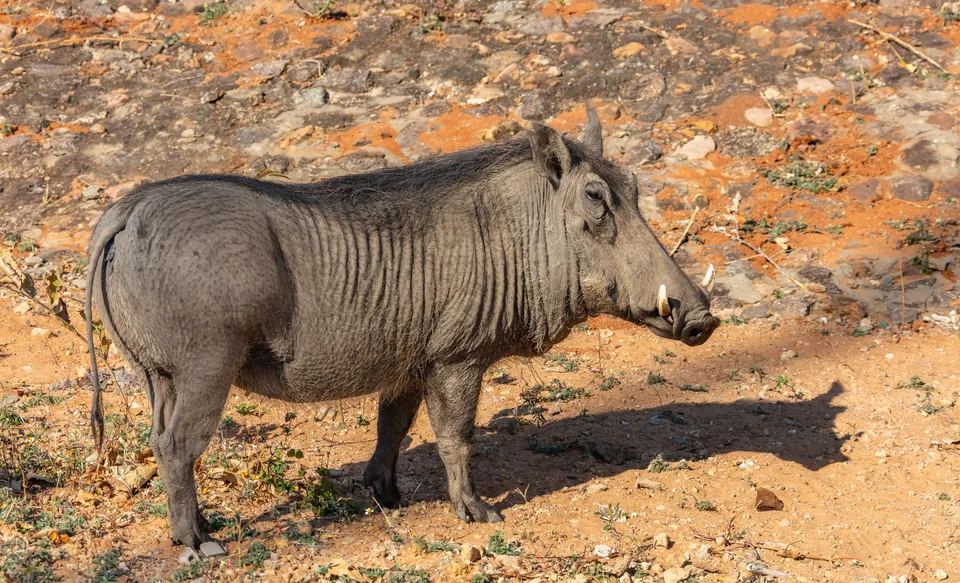
A wildlife excursion can complement the waterfall, but it deserves its own time and expectations. Compare the actual route, duration and guiding arrangements for a Zambezi National Park drive rather than accepting “safari” as a complete description. Ask whether conservation and vehicle charges are included and which activities suit children. Wildlife is unpredictable, and no photograph in this guide guarantees the same sighting.
The ZimParks description of Zambezi National Park identifies river frontage and woodland habitat, with elephants, buffalo, giraffes, zebras and antelope among its wildlife. It is a different outing from a rainforest admission beside the waterfall. Birdwatchers should explain their interest when arranging a guide, rather than assuming a standard drive will pause for the species they hope to observe. Bring binoculars if you have them and discuss the pace of the excursion before departure.
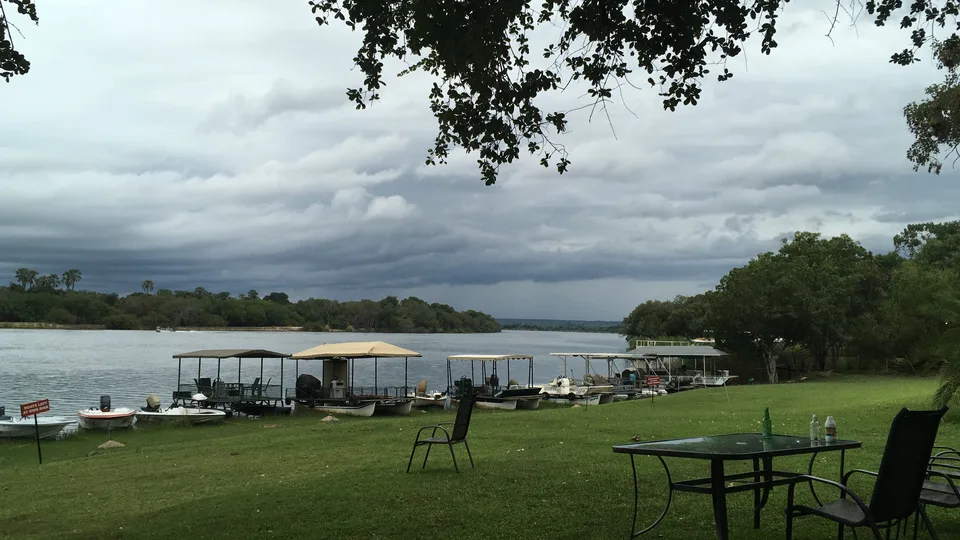
Stay with authorised guides and respect instructions around animals, on land and beside the water. A riverfront lawn or an appealing path is not proof of safe independent access. Ask accommodation staff about current arrangements before leaving the grounds. With limited time, one well-chosen wildlife outing can be more satisfying than repeating similar drives while rushing the main falls visit.
Hwange or a Botswana extension should be assessed as a complete additional journey. Check the lodge or excursion’s real collection point, travel time, border requirements and return schedule. A Chobe day trip is not interchangeable with spending a night in Botswana. Keep such an excursion away from a tightly timed international departure, and compare the days available for wildlife watching with the hours needed to reach it.
A realistic three-day programme
Use arrival day to settle in, confirm your bookings and establish the route for the next morning. If you arrive early enough, a history-focused outing or a relaxed meal can introduce the town without overcommitting. If your journey has been tiring, protect the rest period. An expensive excursion immediately after an overnight flight can be less rewarding than the same activity after a proper night’s sleep.
Make the rainforest walk the main event of your first full day, with time for viewpoints, wet clothing and a break afterward. A pre-booked river outing can fit later if the collection times work. Confirm where the pickup happens before leaving for the falls. Travelling with someone who tires easily, shorten the programme and leave the afternoon open rather than filling every gap automatically.
On the next day, choose one substantial experience: a wildlife drive, an adventure activity or a prepared Zambia crossing. These are alternatives, not a proposal to complete all three. With an extra night, hold some flexibility for changed conditions or an activity cancellation. Keep the final morning compatible with checkout, luggage collection and the actual transfer from your accommodation to the airport.
Moving here: housing and essential household services
Approach a possible move through a temporary stay and a series of ordinary tasks. Test the journey to work or school at the relevant hour, locate suitable groceries and visit several properties. Tourism-facing accommodation is not a reliable guide to the residential market. This review did not establish a representative current rental series, so compare live quotations with the same furnishing, location and lease-length criteria.
Inspect a home and verify who is authorised to let it before paying. Record the inventory, deposit, notice period, repairs and responsibility for bills in writing. Ask about drainage, security, refuse collection, water storage and internet installation. Test mobile reception and the connection where you will actually work. If backup power is advertised, establish which appliances it supplies, its operating limits and who pays for fuel or maintenance.
Request an example of recent household bills, with the owner’s agreement, and compare actual use with your own needs. A small apartment occupied occasionally is a different cost proposition from a family home used every day. Ask who can authorise an urgent repair when the landlord is away, and retain written contact arrangements.
The city council’s water-infrastructure update describes reservoir works and existing infrastructure in neighbourhoods including Mkhosana, Sprayview and Chinotimba. An announced construction target does not prove the work was completed or that every home has dependable supply. Check the particular connection, storage and account. Current Zimbabwe practical safety guidance notes power interruptions and water rationing in parts of the country; verify the arrangements at your prospective address.
Healthcare, employment, study and long-term permission
The official Zimbabwe healthcare guidance describes variable services and limited emergency response, with some private providers requiring cash before treatment even when a patient has insurance. Arrange cover suitable for the trip and possible evacuation, and establish access to funds. Seek individual travel-health advice for the route and activities. For an ongoing condition, identify a suitable clinician, pharmacy and treatment plan before committing to a long stay.
Families should confirm school availability, current fees and support needs directly, then test the daily journey before choosing housing. Workers should establish the employer’s exact location, contract and practical transport arrangements. A household budget needs deposits, utilities, insurance, communications and school or commuting costs as well as rent. Separate one-time setup costs from the recurring monthly figure so an apparently manageable quotation does not hide the initial expense.
The Zimbabwe immigration permit information distinguishes temporary employment, student and residence-related routes. Holiday permission should not be treated as authority to work or settle permanently. The entry guidance specifically identifies work-permit requirements for volunteering and missionary activity. Resolve the applicable status before starting an activity or making substantial commitments. Renting or buying a property does not by itself establish a right to live and work in Zimbabwe.
Review legal and cultural considerations alongside logistics. Current government advice discusses political gatherings, sensitive photography and restrictions affecting LGBT travellers. Read the relevant guidance for your circumstances before making non-refundable plans. VisaWand’s Zimbabwe destination page and consultant listings can support further enquiries, while the immigration authorities remain responsible for the requirements and decisions that apply to your case.
Other bases worth considering
Livingstone offers an alternative on the Zambian side, with its own accommodation geography and visitor sites. The VisaWand Livingstone city guide explains those choices and the seasonal implications for the falls. If your main purpose is an onward connection or broader Zambia planning, the Lusaka city guide provides another comparison. Check the total itinerary rather than choosing a country from a single hotel photograph.
For Victoria Falls itself, the best plan leaves enough time for the landscape and enough detail for everyday decisions. Match your base to the journeys you want, distinguish included charges from extras and allow the river to influence the final programme. That approach works for a short visit and also provides a clearer starting point for deciding whether a longer stay would suit your life.
Official planning resources
Reviewed 17 October 2026. Use the official resources linked throughout this guide for admission, transport, housing and immigration decisions. Prices, services and rules can change; confirm the details relevant to your dates. Photography illustrates the locations and is not a live view.
View all official resources
- UNESCO: Mosi-oa-Tunya / Victoria Falls
- City of Victoria Falls: history
- Victoria Falls Hotel: history
- Shearwater: guided tours and walks
- ZimParks: Victoria Falls National Park
- ZimParks: official 2026 tariff
- Wild Horizons: seasonal visitor information
- Shearwater: activities and dining
- Victoria Falls Backpackers: facilities
- Victoria Falls River Lodge: 2026 rates and inclusions
- Airports Company of Zimbabwe: Victoria Falls airport
- Zimbabwe immigration: eVisa and eligibility
- Zimbabwe immigration: official eVisa portal
- UK government: Zimbabwe entry requirements
- Zambia immigration: KAZA UNIVISA scope
- Elephants’ Walk: shops and artists
- ZimParks: Zambezi National Park
- City of Victoria Falls: water infrastructure update
- UK government: Zimbabwe safety, utilities and transport
- UK government: Zimbabwe healthcare planning
- Zimbabwe immigration: permit categories and requirements
Plan the next part of your journey
Explore the Zimbabwe guide, browse other cities or compare consultants for your travel and relocation questions.