Visa
Choose between a town stay and a river escape
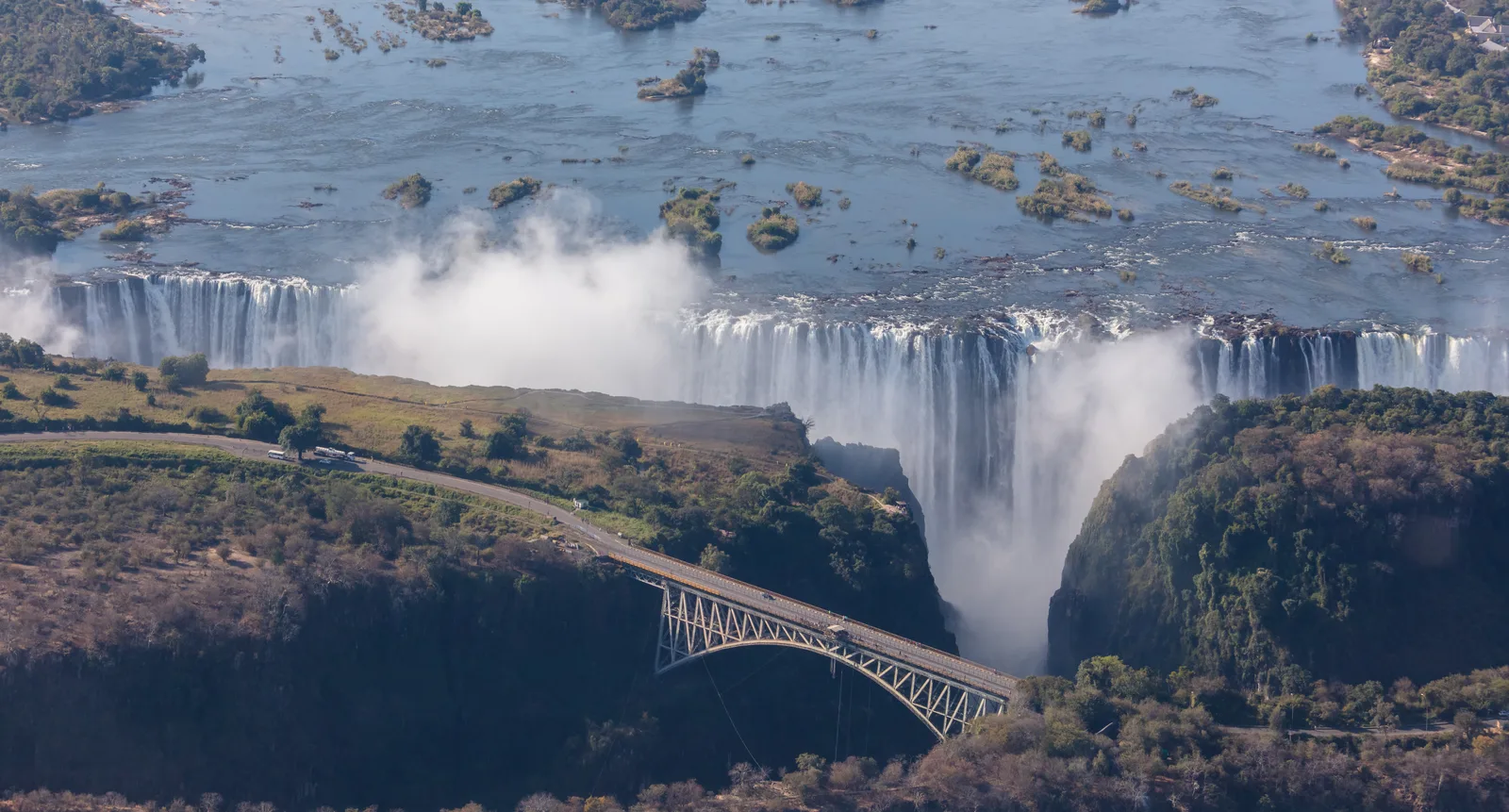
Livingstone works best when you understand the distances hidden inside the holiday photographs. A room in town, a lodge upstream on the Zambezi and a hotel beside Victoria Falls can offer very different days. Decide whether your priority is an extraordinary waterfall, a few organised adventures, time beside the river or an introduction to everyday Zambia. Then choose accommodation around that purpose.
Three nights can accommodate a satisfying first visit without filling every daylight hour. A longer stay creates space for museums, wildlife and changes caused by water levels. For someone considering a move, the useful questions change: how will you reach work, where will you shop, and what happens when a household service needs attention? A resort stay answers only part of that enquiry.
History and the geography that shapes a visit
The Zambia Tourism account of Livingstone dates the town’s establishment to 1905 and its period as Northern Rhodesia’s capital to 1911–1935, before Lusaka took over. Surviving Edwardian buildings along the main road help explain that administrative past. This colonial chapter belongs within a longer regional history; the falls and the surrounding communities were known long before David Livingstone’s nineteenth-century visit.
Use the town centre and Mosi-oa-Tunya Road as initial reference points. Central accommodation can make town errands simpler, while addresses toward the falls place you nearer the principal visitor sites. Upstream river properties form another choice, often sold around their setting and included activities. Look at the actual property entrance on a map, rather than accepting “Livingstone” as proof of a convenient location.
Maramba appears in local addresses, but avoid treating a neighbourhood name as a complete description of housing or visitor facilities. For a viewing or transfer, obtain the precise address and a contact number. The VisaWand Zambia location directory can help orient further research; it is a directory rather than a promise that every listed place has a completed guide.
A museum visit before the adventure activities
Livingstone Museum is a useful first substantial stop. Founded in 1934, it covers archaeology, ethnography, history, natural history and David Livingstone material. These subjects give a wider context than an itinerary consisting entirely of waterfall viewpoints and paid excursions. Allow enough time to read the interpretation and follow the subjects that interest you, rather than rushing through to collect another attraction.
The museum’s own visitor information lists opening from 09:00 to 16:30, with closures on 25 December and 1 January. It lists non-resident adult admission at US$5. Children’s prices differ between primary pages, so confirm that category directly. Public areas are described as wheelchair accessible, and complimentary guides depend on availability. Ask about the particular entrance, assistance and galleries needed by your group.
The National Museums Board’s museum page provides another official contact route and confirms card acceptance. Have a backup payment method nevertheless. Town history can also extend to the Railway Museum on Chishimba Falls Road, where the tourism overview identifies locomotives, railway material and information about Jewish settlement. Check its present opening arrangements before travelling specifically for it; those were not established reliably for this review.
Victoria Falls: plan for the river you will actually see
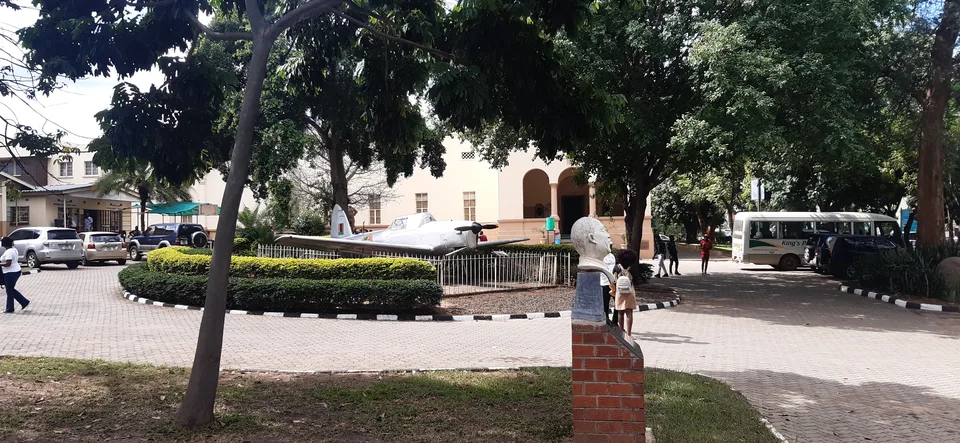
The Victoria Falls visitor overview places the falls on the Zambezi, along the Zambia–Zimbabwe border, roughly 11 kilometres south of Livingstone. They are also known as Mosi-oa-Tunya, commonly translated as “the smoke that thunders”. The Zambian paths and Knife-edge Bridge bring visitors close to the Eastern Cataract and views toward the main waterfall. Wear footwear that remains secure when wet and protect electronics against spray.
High water and the clearest view are different priorities. Around March and April, spray can obscure large parts of the scene. Later in the dry season the view opens, but by October sections on the Zambian side may expose bare rock. Conditions vary with the river system’s rainfall, so a photograph taken in another month is an unreliable preview of your own visit.
Confirm current admission for your nationality or residence category and any separate vehicle charges. This review did not establish a sufficiently reliable current falls tariff to quote. Ask which paths are open and how demanding the proposed route is. A steep descent and a short viewpoint visit should not be sold as equivalent experiences to someone with limited mobility or a tight timetable.
Ask a guide to distinguish the public walking area, the island excursion and the bridge before agreeing to a package. Their names can appear together in advertisements even though the bookings and access arrangements differ. If someone in your party cannot manage prolonged spray, steps or uneven surfaces, request a realistic route description in advance. Bring a change of clothing where appropriate, and arrange a meeting point if the group divides between longer and shorter walks.
Island visits and choosing an adventure responsibly
Livingstone Island and its seasonal swimming experiences need a separate booking decision. The island operator’s detailed rates and conditions currently list morning boat visits at US$149 in the green season and US$159 in the peak season. The quoted boat programme includes a guided visit, a meal and seasonal swimming when permitted. Reconfirm the applicable date, inclusions and transfer arrangements before paying.
Children must be at least eight to visit the island and at least twelve to swim, according to that page; children pay the adult rate. The operator can refuse weak swimmers and close swimming or walking without notice when conditions are unsafe. Do not build a non-refundable itinerary around a guarantee of Devil’s Pool access. Watching from a permitted viewpoint is a valid alternative to swimming.
For rafting, bungee jumping or an aerial excursion, obtain the specific operator’s current restrictions and cancellation terms. Ask about medical declarations, equipment, supervision and evacuation arrangements. Insurance should explicitly cover your chosen activity. The UK government’s Zambia safety guidance notes serious accidents and fatalities in adventure tourism around the falls. Treat promotional claims of complete safety as advertising, rather than a reason to dispense with your own checks.
Crossing to Zimbabwe and considering Botswana
A different view of the falls can justify visiting Zimbabwe, but a border crossing changes the day’s logistics. Establish the entry rules for your passport on both sides, your permission to return to Zambia and the transfer’s pickup point. Ask whether the quoted excursion price includes immigration assistance, transport between border posts and the relevant admission tickets. Keep a contingency for queues and document checks.
The official KAZA UNIVISA information describes a US$50 facility for eligible nationalities, permitting multiple visits within Zambia and Zimbabwe for up to thirty days while remaining within those countries. It also covers qualifying Botswana day trips through Kazungula. It does not provide unrestricted entry to five countries or cover an overnight Botswana stay on the same basis. Check eligibility and the designated arrival points directly.
Harry Mwaanga Nkumbula airport is among the designated Zambian KAZA entry points. A traveller who does not need a Zambian visa may still need Zimbabwean permission; the two questions are separate. For a Botswana wildlife outing, confirm that the return timetable and entry documents match the actual itinerary. Avoid adding it to departure day merely because a sales description calls it a day trip.
Wildlife and time on the Zambezi
The Mosi-oa-Tunya National Park wildlife overview describes a small protected area with white rhinos, giraffes, zebras, buffalo and other wildlife, with elephants also using the wider river landscape. Arrange a properly guided drive or an authorised, ranger-accompanied walking experience. Do not assume that a falls ticket, a road transfer through the area or a river cruise automatically includes access to the wildlife sector.
A compact park can suit a first wildlife excursion, but sightings remain uncertain. Ask what your selected trip involves, how long you will spend watching rather than transferring, and whether children can participate. Avoid scheduling two superficially different wildlife activities that follow much the same programme. Comparing the actual routes can save both money and the disappointment of repeating an experience unintentionally.
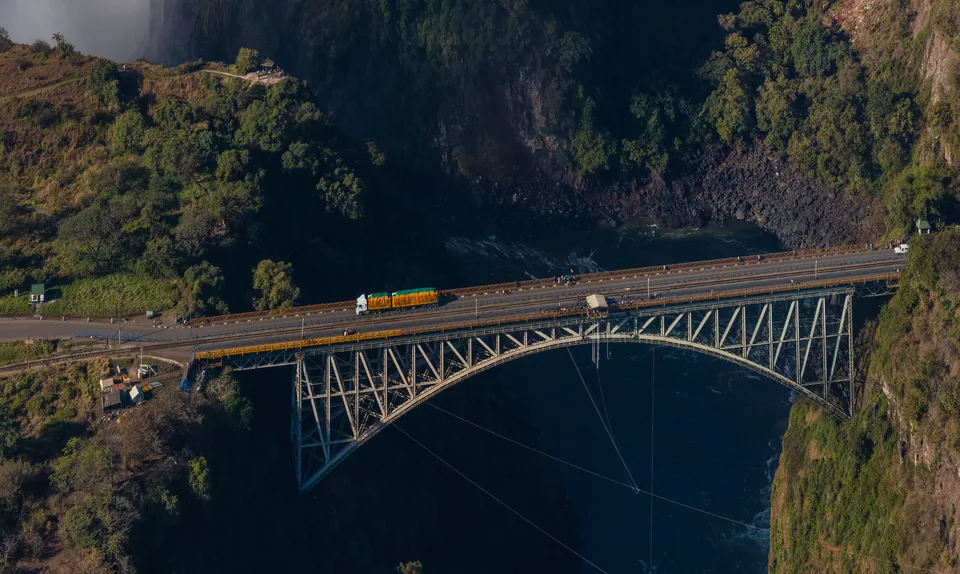
For a river outing, compare quiet wildlife observation with a more social sunset cruise. Find out the vessel size, seating, shade, toilet provision and drink policy. Tell the operator about mobility needs before booking. Riverbanks and water are wildlife habitat: follow staff instructions and use designated access rather than choosing an inviting-looking place to walk or swim independently.
Where to stay and what the nightly price includes
Town accommodation suits visitors who want easier access to shops, museums and independent meals. Jollyboys Backpackers on Kanyanta Road illustrates the range available within one property, from shared accommodation to private rooms. Compare bathroom arrangements, air conditioning, kitchen access and quiet hours against your needs. A dormitory bed and a private family room should not be compared using a single advertised starting price.
Nearer the falls, the Royal Livingstone’s official hotel information describes a riverside setting and direct guest access to the falls. That inclusion may matter if you intend to return more than once. Confirm what applies to your particular booking and visitor category. A higher room price can include useful benefits, but it is only good value if you will actually use them.
Upstream lodges may be attractive for an unhurried river stay. Request a complete written quote showing meals, drinks, activities, park charges, transfers and cancellation terms. Check whether transport into town is included or paid separately. Families should ask about room configuration and supervision around wildlife and water. For remote work, establish actual connection arrangements and backup power rather than relying on a general Wi-Fi symbol.
Airport connections, roads and everyday transport
Zambia Airports Corporation identifies Harry Mwaanga Nkumbula as Livingstone’s international airport. Check that name on your ticket and transfer booking. Victoria Falls International Airport is in Zimbabwe, so reaching a Zambian hotel from there involves international formalities. The Royal Livingstone’s arrival information explicitly distinguishes the two arrival routes; that distinction matters more than a broad claim that both airports serve the falls.
Check Proflight Zambia’s Livingstone services against your actual dates, baggage and onward connection. Routes and operating days can change. Allow separate-ticket connections a sensible margin, particularly when a regional flight follows an excursion or a border transfer. Ask the accommodation to confirm a meeting point, driver contact, total price and arrangements for a delayed arrival. Do not substitute an assumed taxi fare for a confirmed transfer quote.
Within town, distinguish a short daytime walk from journeys along the falls corridor or to outlying lodges. Agree taxi destinations and charges before departure. For longer road travel, compare the full journey and arrival time rather than distance alone. Current government advice recommends pre-arranged transport after dark and cautions against driving outside main towns at night. Check rental documentation and border permissions before taking a vehicle abroad.
Food, shopping and a budget you can control
For an introduction to local food, try a meal built around nshima, the maize staple served with relishes, beans, vegetables or meat. The Zambia Tourism food and craft overview also describes kapenta, small dried fish, and chitenge printed cloth. Ask what a dish contains and how it is prepared, particularly with dietary restrictions. There is no need to order an unfamiliar ingredient simply to make the meal feel authentic.
Use current menus for your meal budget. Compare a central room with independent meals against a lodge package including food, and account for the cost of leaving the property. Confirm whether a quoted amount is per person, per room or per activity. Keep the original currency alongside any conversion, since an exchange estimate is not a fixed price or a guarantee of card acceptance.
Mukuni Park Curio Market appears in the town tourism overview as a craft-shopping stop. Ask about materials, origin and packing before buying a substantial object. Avoid protected wildlife products and check export or import requirements for anything uncertain. A practical trip budget separates accommodation, meals, transfers, admissions, one major excursion and a reserve. That makes it easier to choose one memorable paid experience without losing control of the total.
For example, compare two complete three-night quotes using the same airport, room occupancy and excursion. Add each transfer that the cheaper room requires, then subtract any meals or admissions already included in the other option. Keep optional drinks, tips and shopping outside that comparison. For an expensive activity, establish what happens if the operator cancels, what happens if you cancel, and how a refund reaches you. Those conditions can matter as much as a small difference in the advertised price.
Seasons and deciding what matters most
The Livingstone City Council overview describes cool, dry conditions from May to August, a hot, dry period from September to November, and a warm, wet season from December to April. These are planning patterns rather than a forecast for a specific week. Pack for the activities and time of day you intend to experience, including sun protection, rain protection and something suitable for cooler mornings.
A visit focused on dramatic water volume may point to a different period from one centred on a seasonal pool excursion. Similarly, a photographer seeking an unobscured view may prefer something other than peak spray. Tell an operator your priority in plain terms and ask what is realistically available. Do not accept “best season” without specifying the experience being discussed.
Three days with room to change the plan
On the first day, settle into your chosen base and visit the museum if arrival time permits. Keep lunch and a town walk flexible, and use the afternoon to confirm the next day’s transport and current waterfall conditions. If you land late, leave the museum for another day. A hurried excursion after an overnight journey is rarely the best use of its admission price.
Make the second morning your main falls visit, with sufficient time to pause at viewpoints and manage wet clothing afterward. Leave the afternoon open for rest or a pre-booked river outing. Check the pickup location before returning to your room. Travelling with children or someone who tires easily, choose a shorter programme and protect the rest period instead of adding activities simply because space remains on the calendar.
Use the third day for one substantial choice: an authorised wildlife excursion, an island visit when available, or a carefully prepared Zimbabwe crossing. These are alternatives, not a proposed sequence to squeeze into one day. If staying a fourth night, give your main priority another opportunity in case conditions change. Keep the final morning compatible with checkout, luggage collection and your airport transfer.
Testing Livingstone as a place to live
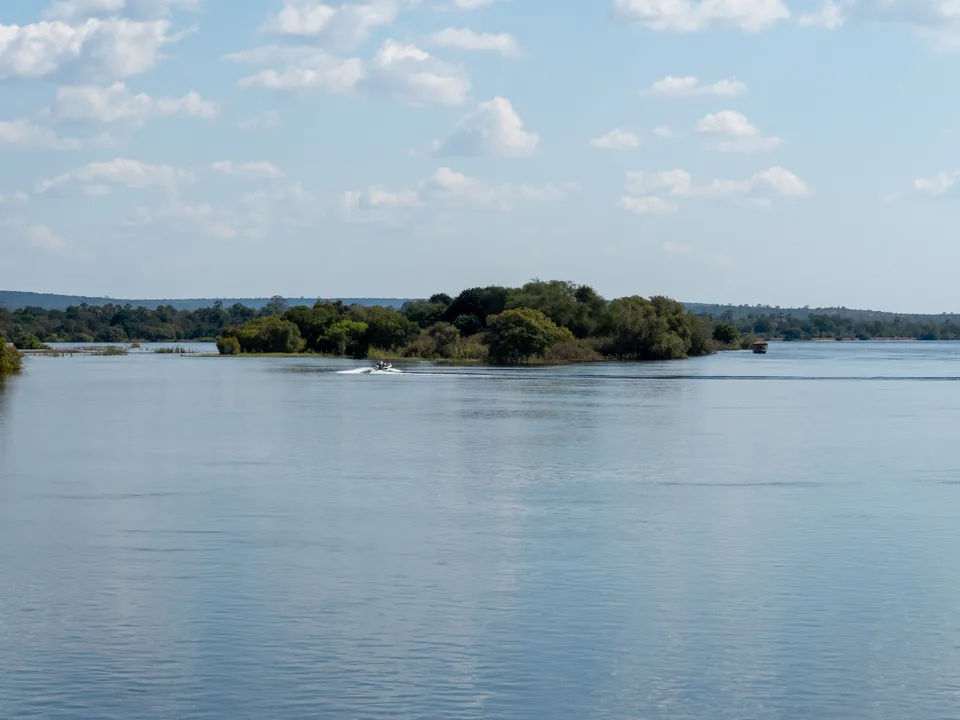
Begin a potential move with temporary accommodation and a written list of ordinary tasks. Test the commute at the time you will actually travel, locate suitable groceries and visit the services your household needs. A property that works well for a holiday may be awkward for daily employment or school. Ask prospective employers and schools for the precise location and routine before choosing a residential area.
No sufficiently representative current rental series was established for this guide. Compare several available properties with the same furnishing, lease length and location criteria. Inspect the home and verify the person authorised to let it before paying. Put the deposit, notice period, repairs, inventory and responsibility for bills in writing. Ask whether the quoted rent includes security, refuse collection or any shared facilities.
During a viewing, try taps, locks and appliances with the owner’s agreement, and record existing damage in a signed inventory. Discuss who can authorise an urgent repair when the landlord is away. If transport to work depends on a particular vehicle or driver, calculate the cost of a backup arrangement too. A slightly cheaper home can become the more expensive choice when daily journeys and essential household purchases are added to the monthly calculation.
The Ministry of Water Development and Sanitation lists Southern Water and Sanitation Company among Zambia’s commercial utilities. For an individual home, inspect the connection, storage and billing arrangements rather than inferring reliability from the provider’s service area. Ask about electricity metering, backup arrangements, cooking fuel, drainage and rubbish collection. Test mobile reception and internet inside the rooms where you will work. These checks are more useful than a promise that an entire neighbourhood has excellent services.
Healthcare, family needs and immigration decisions
The official Zambia health-planning advice identifies malaria among the risks to discuss before travel and recommends insurance suitable for treatment and possible evacuation. Arrange a travel-health consultation and review medication requirements for your route. For a longer stay, identify a suitable clinician, pharmacy and hospital plan, including how your insurer handles payment. Do not assume that a lodge’s first-aid provision replaces the care required for an ongoing condition.
Check school availability, fees and admission requirements directly before committing to housing. Ask about the daily journey, term dates and support your child needs. For legal and cultural considerations, consult current official travel advice; same-sex sexual activity is illegal in Zambia. A household’s experience depends on its specific circumstances, so assess these matters before making non-refundable commitments.
The Zambian immigration visitor guidance distinguishes visa-exempt travellers, those eligible for arrival visas and those needing permission before travel. Check your passport’s category, required validity and blank pages. A visa’s validity is not automatically the period you may remain. Use the official immigration eServices portal for the applicable application and retain the entry endorsement and approval records.
Employment, study and permanent relocation require separate consideration. The official permit categories include employment, study and residence permissions; renting a home or enjoying repeated holidays does not establish eligibility. Resolve the correct route before starting work or committing to a course. VisaWand’s Zambia destination page and consultant listings can support further planning, while the immigration department remains the authority for requirements.
Other places to weigh against Livingstone
Victoria Falls town in Zimbabwe is an alternative base for the same wider natural setting, with different border and accommodation considerations. A Botswana extension deserves its own entry and transport plan. Lusaka is worth researching separately if your main purpose is employment, administration or onward connections. Livingstone’s appeal as a visitor base does not make it the automatic choice for every Zambian move.
If comparing African destinations more broadly, the VisaWand Arusha city guide offers another gateway-city perspective. Compare the experience you want, the total travel days and the practical cost of reaching it. For Livingstone, the most rewarding plan usually gives the river and the town adequate time, and leaves enough flexibility for conditions to decide the final detail.
Official planning resources
Reviewed 17 October 2026. Use the official resources linked throughout this guide for admission, transport, housing and immigration decisions. Prices, services and rules can change; confirm the details relevant to your dates. Photography illustrates the locations and is not a live view.
View all official resources
- Zambia Tourism: Livingstone
- Livingstone Museum: galleries and visiting information
- National Museums Board: Livingstone Museum
- Zambia Tourism: Victoria Falls
- Livingstone Island: rates and seasonal conditions
- UK government: Zambia transport and safety advice
- Zambia immigration: KAZA UNIVISA
- Zambia Tourism: Mosi-oa-Tunya National Park
- Jollyboys Backpackers: accommodation
- Royal Livingstone: official hotel information
- Zambia Airports Corporation: airport information
- Royal Livingstone: arrival and transfer information
- Proflight Zambia: flights from Livingstone
- Zambia Tourism: food and crafts
- Livingstone City Council: district overview
- Zambia Ministry of Water Development and Sanitation
- UK government: Zambia health planning
- Zambia immigration: visitor requirements
- Zambia immigration: official eServices
- Zambia immigration: work, study and residence permits
Plan the next part of your journey
Explore the Zambia guide, browse other cities or compare consultants for your travel and relocation questions.