Visa
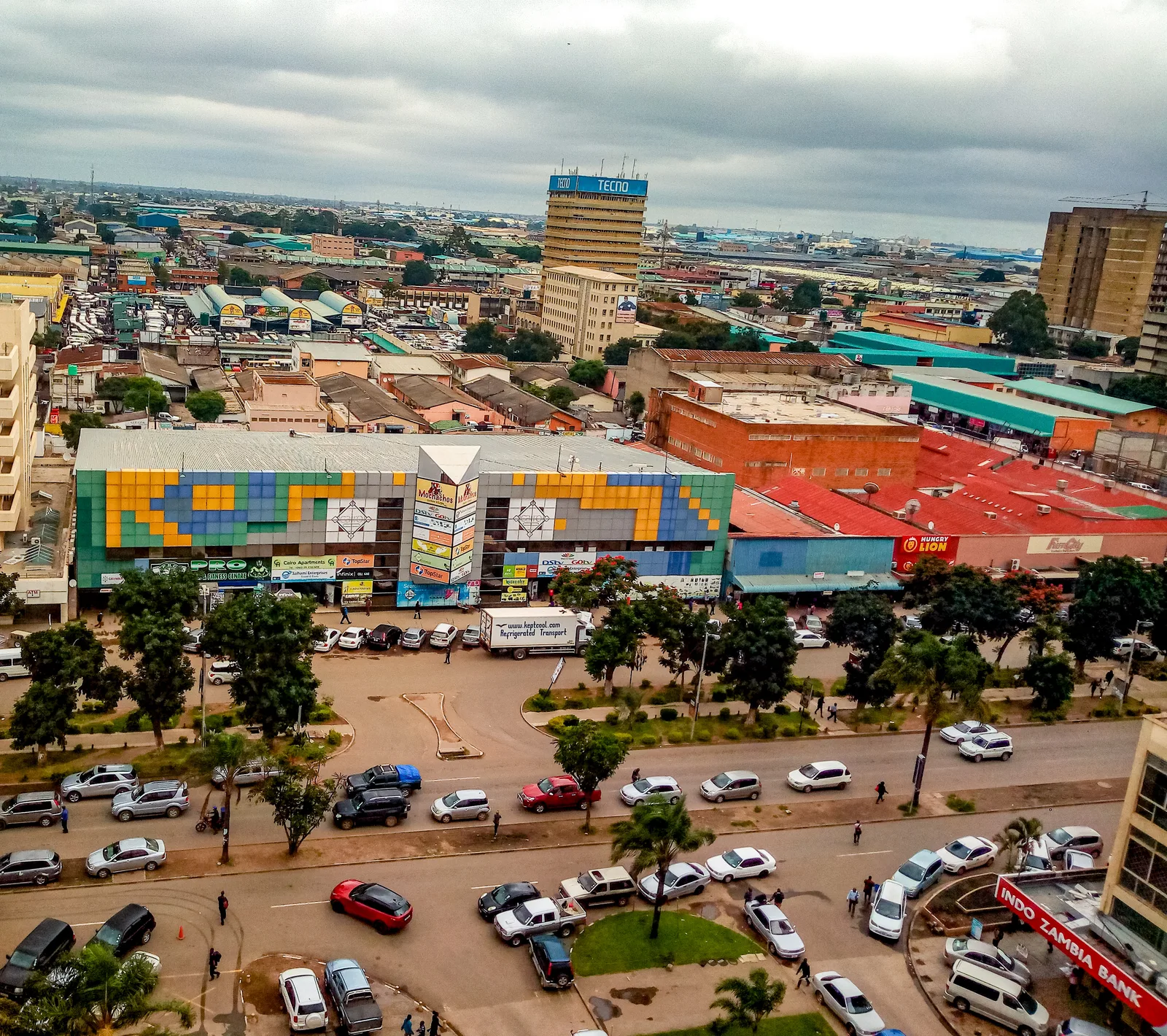
Give Zambia’s capital a purpose in your itinerary
Lusaka rewards a plan built around people, institutions and everyday city life. Come for national history, contemporary art, craft shopping and an introduction to conservation, or use a few days to understand Zambia before travelling farther. A business visit, a safari connection and a possible move each need a different base. The most useful first decision is what you must reach repeatedly, rather than which hotel has the most impressive photograph.
Allow two or three full days if the city itself is part of the holiday. With only an overnight connection, favour a dependable transfer, rest and one achievable visit. For a longer stay, make room for ordinary tasks: shopping, testing a commute and finding household services. An attractive garden or restaurant can make a pleasant afternoon, but it will not tell you whether a particular address works for daily life.
Understand the history and the city’s spread
The Zambian Cabinet Office’s historical account records the transfer of the colonial capital from Livingstone to Lusaka in 1935. Today’s capital is a place to explore Zambia’s national story alongside the decisions shaping its present. Museum displays, commercial streets and government-related districts give different perspectives. Avoid reducing that history to a sequence of colonial buildings or assuming that everything important can be seen from a vehicle window.
The Lusaka tourism overview places the city at the meeting of major routes and around 1,300 metres above sea level. It is a spread-out destination, so think in corridors and clusters. Cairo Road provides an anchor for the commercial centre. Great East Road is a useful reference for shopping, hotels and journeys toward the airport. The address within each broad area matters more than the label alone.
Longacres, Kabulonga and the Leopards Hill direction appear frequently in accommodation, institutional and visitor addresses. Use them as starting points for a map, not guarantees of walking access or a particular lifestyle. Ask for the exact entrance and a landmark before arranging a pickup. VisaWand’s Zambia location directory supports wider geographical browsing; individual directory entries do not necessarily contain completed destination guides.
Start with the National Museum and the capital’s story
The National Museums Board describes Lusaka National Museum as a political-history museum, established in 1996, with archaeology, ethnography and history among its research subjects. It is a useful place to begin asking how Zambia’s national identity developed. Give the interpretation time rather than treating the building as a quick photograph stop. The collections may lead you toward questions you would not otherwise bring to the streets outside.
The board currently lists foreign adult admission at US$5 and foreign child admission at US$2. Its page confirms card acceptance and describes the museum as wheelchair friendly. Holiday wording varies within the page, with Christmas and New Year closures identified in its questions section. Confirm the opening hours for your intended day, especially on a holiday, and ask about the specific galleries and facilities your group requires.
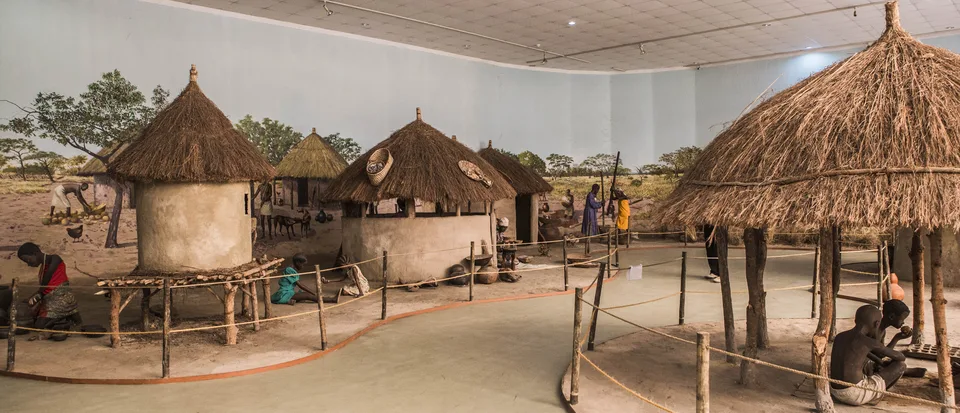
The Lusaka activities information places the museum on Independence Avenue and also identifies Kabwata Cultural Village and the Lusaka Playhouse as cultural stops. Establish what is actually happening before adding either to a fixed timetable. A craft visit, an exhibition and a scheduled performance require different arrangements. The museum photograph accompanying this guide dates from 2014 and should not be read as a current exhibition inventory.
Art, makers and an afternoon in Kabulonga
For contemporary art, 37d Gallery’s current website gives its address as 37d Middle Way in Kabulonga. The website is being rebuilt, so contact the gallery about exhibitions, access and opening arrangements rather than relying on old directory hours. A replacement website announcement does not establish that the gallery itself is closed. Ask what you can see during your dates and whether a group needs an appointment.
Approach an art visit with a little time for conversation and looking. If buying, ask about the artist, medium, dimensions, framing and packing. Check whether the price includes any required export documentation or shipping, and retain a written invoice. A substantial work may affect your luggage and insurance plans, so discuss those details before paying rather than at airport check-in.
Keep the remainder of that afternoon geographically modest. Combine the gallery with a meal or an appointment that makes sense from its actual address, rather than crossing the city several times for a collection of loosely connected recommendations. For someone scouting residential areas, the journey can also reveal how the proposed home connects with shops and work. Visit at an ordinary weekday time as well as on a quiet weekend.
Conservation at Lusaka National Park
The Wildlife Discovery Centre’s current visitor page places it inside Lusaka National Park, with the park entrance reached through the Multi-Facility Economic Zone. Use the operator’s current directions. Older references to an elephant nursery at Lilayi can send visitors to the wrong place. The centre combines conservation interpretation with an opportunity to observe rescued elephants; treat it as a managed rehabilitation setting.
The centre lists daily opening from 09:00 to 15:00 and elephant viewing from 11:45 to 13:00. International admission is listed at US$15 for adults and US$5 for children aged three to twelve. Resident and citizen categories differ. Ask whether any separate park charges apply to your particular visit or vehicle. Reconfirm the programme before departure because animal care takes priority over a visitor’s schedule.
The operator describes ramps, wheelchair-accessible toilets and baby-changing facilities, as well as a café. Confirm any additional assistance you need. Keep the visit focused on observing and learning; a public viewing ticket is not permission to handle an animal. For families, bring questions about rehabilitation and release, and leave enough time to hear the explanation rather than arriving only for a brief photograph.
Food, crafts and shopping beyond a souvenir stop
Nshima, a maize staple served with relishes, is a useful introduction to a Zambian meal. The Zambia Tourism food overview describes accompaniments such as beans and meat, as well as kapenta, small dried fish. Ask about ingredients and portion sizes, especially with allergies or dietary restrictions. There is no need to chase an invented “locals-only” restaurant list to have a worthwhile meal.
For crafts, Collective Hands’ current visitor page lists its flagship at Agora Village, with weekday hours of 09:00–17:00 and Saturday opening from 10:00–14:00. It also identifies locations in international departures at Kenneth Kaunda airport and at the Wildlife Discovery Centre. Check holiday arrangements. Older pages refer to Longacres, so use the current visit information when arranging transport rather than assuming the business has one permanent location.
Kabwata Cultural Village and Northmead Market offer other possibilities identified by the tourism activities page. Confirm a sensible route and what is available on the day. Ask makers or sellers about materials and where an item was produced. Avoid protected wildlife products and obtain appropriate advice for anything that might face export or import restrictions. A purchase should fit your luggage and your budget, not just the moment’s enthusiasm.
Choose accommodation around repeated journeys
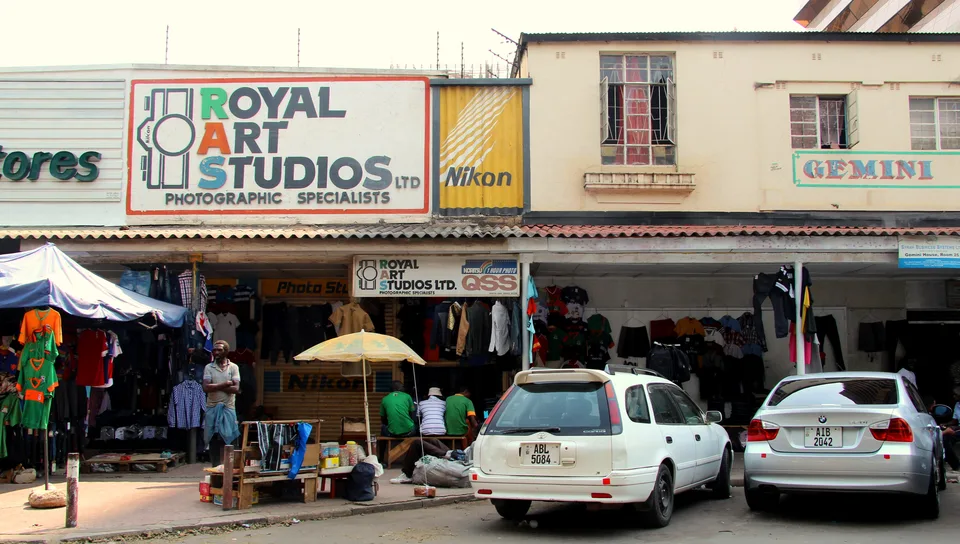
Central accommodation can make sense for commercial-centre errands or a short history-focused stay. A Great East Road address may suit a different combination of meetings, shopping and airport travel. For Longacres or Kabulonga, compare the actual property against the institutions and people you plan to visit. A broad claim of being “near everything” is less useful than a map showing your three most frequent journeys.
The Radisson Blu Lusaka’s official information gives its location on Great East Road and offers shared airport-shuttle arrangements and private transfers. Treat it as one verifiable example of a full-service hotel, rather than a universal recommendation. Confirm the shuttle timetable, price, luggage allowance and what happens after a delayed arrival. Advertised facilities may depend on the room or rate booked.
For an apartment or guesthouse, check cooking equipment, laundry, cooling, security and backup arrangements. A furnished apartment can be useful for a longer stay only if the kitchen and workspace are suitable. Ask for recent photographs of the exact unit and the written cancellation terms. Travelling with children, establish bed configuration, additional charges and supervision needs around pools or other shared spaces before choosing by nightly price alone.
Airport arrivals and onward connections
Zambia Airports Corporation identifies Kenneth Kaunda as Lusaka’s international airport. Confirm the terminal, meeting point and driver contact with your accommodation or operator before travelling. Airport access is a journey to plan separately from a city sightseeing day. Do not apply a fixed fifteen-minute travel claim to every Lusaka address, particularly when arriving during busy traffic or continuing to a property beyond the centre.
Ask for a complete transfer quote covering the party, luggage, waiting time and payment method. If someone meets you, verify the booking details before leaving with them. Keep the property’s address and contact available offline. With a late arrival, arrange any essential food or early check-in in advance so the first evening does not depend on finding a particular shop still open.
For domestic travel, check Proflight Zambia’s Lusaka services against your precise dates and destination. Mfuwe and Livingstone can be relevant onward gateways, but an advertised route does not guarantee every day or a protected connection. Compare baggage conditions across each ticket, especially with smaller aircraft. If separate bookings connect, allow sufficient time for formalities, baggage collection and disruption, and understand who bears the cost of a missed departure.
Moving through the city without overloading the day
The Zambia Tourism transport guide describes shared minibuses as a common commuter choice and identifies Lusaka’s intercity coach terminal for longer journeys. A visitor still needs to establish the correct route, departure point and present service. Do not assume a cheap transport option will be straightforward with luggage, children or an unfamiliar destination. Ask your accommodation to explain the practical choices for the journey you actually need.
Current government safety advice for Zambia recommends arranged transport after dark and cautions about road conditions, vehicle maintenance and urban minibus travel. It also notes that demonstrations can disrupt transport. Build flexibility into meeting days, and avoid planning a long road transfer that depends on driving outside towns at night. A map’s estimated arrival time cannot account for every stop or road problem.
For walking, assess the particular street, daylight, crossings and the group’s needs. “Nearby” on a property listing need not mean a comfortable pedestrian route. Ask a driver where a pickup can happen safely without blocking traffic. If hiring a car, confirm licence requirements, insurance, parking and responsibility for damage. Discuss any cross-border intention before paying; a domestic rental agreement should not be assumed to permit international travel.
Build a usable daily and household budget
The tourism money-and-banks resource identifies cash machines in Lusaka and card acceptance at many larger businesses. Keep more than one payment method and ask about acceptance before ordering or committing to a service. Obtain local cash through appropriate banking or authorised exchange channels. Avoid relying on an old exchange conversion, a foreign-currency hotel quotation or a single working machine as the basis for the whole trip.
A short visit budget should separate accommodation, meals, transfers, admission and optional shopping. Request menu and transport prices in their original currency, with any fees clear. For example, compare two hotel quotes after adding breakfast and the same airport transfer to both. A lower room rate can lose its advantage when every errand requires an additional journey or the cancellation terms are much less flexible.
For a possible move, add deposits, furnishing gaps, internet, utilities, school costs, insurance and regular transport. Keep initial setup costs separate from the recurring monthly total. This review did not establish a representative current city rental or grocery-price series, so it does not offer a false average. Obtain several comparable live quotes and record what each includes before deciding that a particular salary or allowance will cover the household.
For a family, calculate the school journey for every teaching day and include the return trip, rather than multiplying a single quoted fare by the number of weeks. Check whether a school transport fee covers your proposed address. For an employee, distinguish a company-provided vehicle from an allowance that must also cover fuel and maintenance. For a student, compare a residence quotation with the complete cost of a private room, transport and cooking. These are different budgets even when the advertised monthly accommodation figures look similar.
Seasons, weather and a realistic three-day visit
Lusaka’s tourism overview describes a warmer rainy period, with much of the rainfall from November to April, and cooler winter conditions. Pack for rain as well as sun during the wet months, and allow for cooler mornings in the dry season. Check the Zambia Meteorological Department’s Lusaka weather page near departure. An earlier seasonal outlook is not a forecast for the week you intend to travel.
For day one, settle in and make the National Museum the main visit if opening times permit. Add a manageable central-city outing and a meal, keeping the evening simple after travel. On day two, organise the Wildlife Discovery Centre around its confirmed viewing programme and the journey from your accommodation. Leave time afterward for rest or one nearby errand rather than adding another distant attraction automatically.
Use day three for a confirmed gallery visit and craft shopping, or replace that programme with a properly arranged excursion. These are suggestions to adapt, not a compulsory checklist. A business traveller can fit one museum or art visit into a free half-day without pretending to have explored the entire capital. Keep departure day compatible with checkout, luggage collection and a realistic airport transfer.
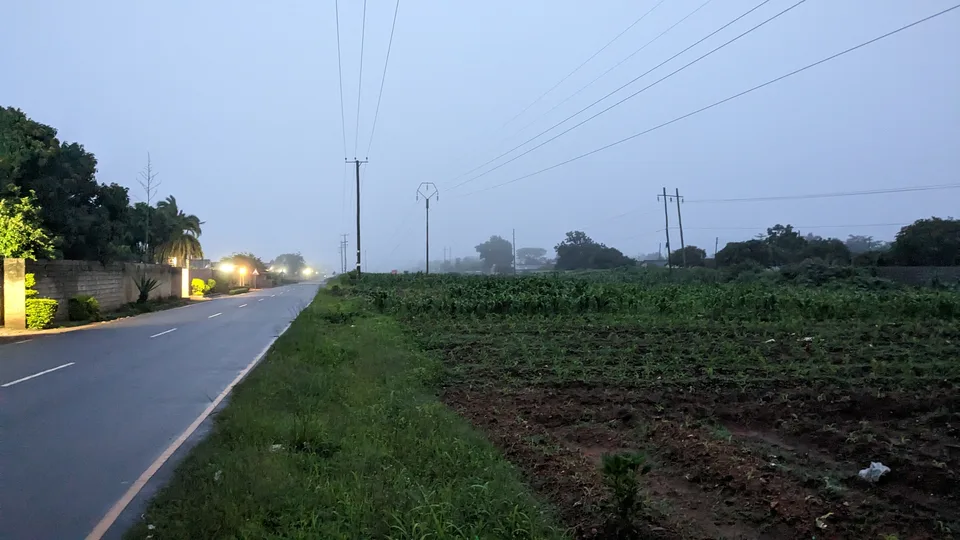
A day outside the urban routine
Chaminuka’s official day-visit information describes an estate outing with lunch, activities and use of facilities, with drinks billed separately. It also offers to arrange transport from Lusaka and an art tour through reception. Confirm the present programme, total cost and travel arrangements before booking. Do not substitute an advertised driving time for a collection time agreed from your own property.
Ask which activities suit the ages and interests of your group, and whether anything requires advance reservation or an additional payment. A relaxed visit focused on art and lunch is different from one built around wildlife viewing. Explain your priorities when requesting the quote. If mobility is limited, establish the vehicle access, walking surfaces and toilet arrangements rather than inferring accessibility from a photograph of the lodge.
Larger safari destinations deserve a separate itinerary. Kafue or the Lower Zambezi should be researched against the actual lodge, access route and season, rather than added as an effortless extension of a city afternoon. Compare travel time with the days available on the ground. Spending less time transferring can be more rewarding than collecting several destination names in one short holiday.
Housing, utilities and the ordinary work of settling in
Start a relocation assessment with temporary accommodation and several property viewings. Test the commute at the hour you would actually leave for work or school. Confirm who is authorised to let a home, inspect it before paying and put the rent, deposit, notice period and repairs in writing. Compare properties with similar furnishing and lease lengths so the apparent price difference has a meaningful basis.
Lusaka Water Supply and Sanitation Company provides an official starting point for water-service enquiries. A service-area description does not establish pressure, storage or billing at an individual property. Ask to see the connection and account arrangements. Check drainage, rubbish collection, water storage and responsibility for maintenance. For electricity, use ZESCO’s official customer contact and verify the meter, account and backup arrangements relevant to the home.
Test internet and mobile reception where you will actually work, including inside rooms and during ordinary usage. Establish who pays for installation and what happens when equipment fails. If a property advertises backup power, ask what it supplies and for how long. A fridge, lighting and a router are different requirements from running every appliance. Include fuel, servicing and replacement responsibilities in the household calculation.
Health, education and immigration before a longer commitment
The official Zambia health advice recommends planning for treatment and possible evacuation and identifies risks including malaria. Seek individual travel-health guidance and check medication requirements. For a longer stay, locate appropriate clinicians and pharmacies and understand your insurer’s payment process. Ask how ongoing conditions would be managed. A capital-city address does not remove the need for a realistic healthcare plan.
For students, the University of Zambia’s international-student information is a useful starting point for admission, accommodation and immigration enquiries. Confirm the campus, course, timetable and current fees directly. An offer of a place, a room booking and immigration permission are separate matters. Families should similarly check school vacancies and support needs before signing housing contracts, then test the daily journey rather than choosing from reputation alone.
The Zambian immigration visitor guidance separates visa-exempt passports, arrival-visa eligibility and nationalities requiring prior permission. Check the category that applies to you, required passport validity and supporting documents. Visa validity should not be confused with the duration of stay granted at entry. Use the official immigration application portal and retain approval and entry records, including the date by which you must leave or obtain further permission.
The immigration department’s permit categories distinguish employment, study and residence. Do not assume tourist permission allows work, volunteering or a permanent move, or that renting a house establishes residence rights. Resolve the applicable route before making substantial commitments. VisaWand’s Zambia destination page and consultant listings support further enquiries. Review current legal and cultural advice too; same-sex sexual activity is illegal in Zambia, and photography of sensitive government sites is restricted.
Other bases and the next journey
If the waterfall is the central purpose of the trip, compare Lusaka’s onward connection with a stay in Livingstone itself. The VisaWand Livingstone city guide explains falls seasons, accommodation choices and border considerations. A safari-focused traveller should similarly compare the complete journey to the chosen park, including transfers after the flight. The cheapest initial arrival is not necessarily the simplest or least expensive overall itinerary.
For employment or study, Lusaka may offer a different set of practical reasons to stay than a tourism gateway. Judge it against the actual institution, household requirements and legal route. Give the decision enough ordinary weekday experience to be meaningful. The best visit leaves you with both worthwhile memories and a clearer understanding of how the city would fit your own plans.
Official planning resources
Reviewed 17 October 2026. Use the official resources linked throughout this guide for admission, transport, housing and immigration decisions. Prices, services and rules can change; confirm the details relevant to your dates. Photography illustrates the locations and is not a live view.
View all official resources
- Zambia Cabinet Office: historical background
- Zambia Tourism: Lusaka
- National Museums Board: Lusaka National Museum
- Zambia Tourism: Lusaka activities
- 37d Gallery: current contact and location
- Game Rangers International: Wildlife Discovery Centre
- Zambia Tourism: food and crafts
- Collective Hands: current visitor locations
- Radisson Blu Lusaka: official hotel and transport information
- Zambia Airports Corporation: airport information
- Proflight Zambia: Lusaka flights
- Zambia Tourism: getting around
- UK government: Zambia safety and transport
- Zambia Tourism: money and banks
- Zambia Meteorological Department: Lusaka weather
- Chaminuka: day visits
- Lusaka Water Supply and Sanitation Company: service information
- ZESCO: customer contact
- UK government: Zambia health planning
- University of Zambia: international students
- Zambia immigration: visitor requirements
- Zambia immigration: official eServices
- Zambia immigration: work, study and residence permits
Plan the next part of your journey
Explore the Zambia guide, browse other cities or compare consultants for your travel and relocation questions.