Visa
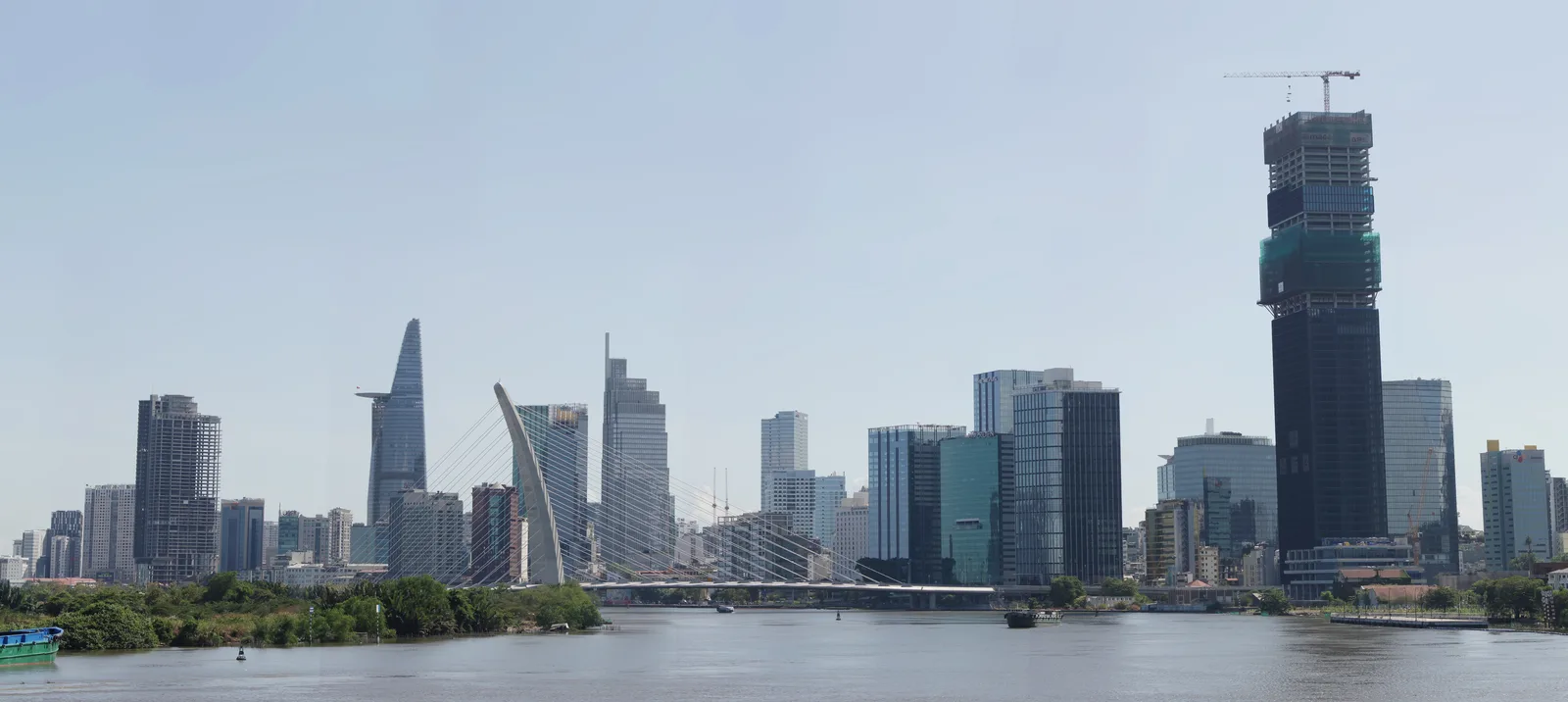
A city visit built around history, food and everyday streets
Ho Chi Minh City brings together major historical sites, markets and a street setting that deserves time between formal visits. Independence Palace and the War Remnants Museum can give a trip a strong historical focus, while an outing to Chợ Lớn changes the setting and introduces another part of the city. Choose the balance that interests you instead of building every day around the largest possible number of stops.
Three full days provide a useful starting plan for the central landmarks and one further outing. Add time if the purpose includes an excursion, property viewings or appointments. Someone investigating a move needs space for ordinary routines: getting to a workplace, buying household supplies and inspecting a home are valuable uses of a visit even when they produce fewer sightseeing photographs.
The practical details matter here. Current ward names may differ from those in older listings, airport terminals have changed, and attractions offer distinct ticket products. Keep the exact addresses and the relevant official information together. This guide uses those details to help you choose a workable visit or assess the next steps towards a longer stay.
Choosing accommodation: match the room to the purpose of the stay
For a short cultural visit, compare properties against the routes to Independence Palace, the War Remnants Museum and the central landmarks you plan to see. A hotel can be convenient when reception, luggage storage and a clear arrival process matter. Ask the property to confirm those services, especially for an early arrival or late departure; they should not be assumed from the word hotel alone.
A furnished apartment may better suit a longer stay if it provides the kitchen, laundry and living space you will use. Establish whether cleaning, linen, internet and utilities are included, and whether the advertised arrangement is a short-stay booking or a residential lease. Compare the total charge for the same dates and number of occupants. A lower nightly figure can conceal a different set of services.
For relocation, use the workplace or institution as the starting point for the search. Inspect the route at the time you expect to travel and consider the shops and healthcare services you would use regularly. Ask about noise, access, maintenance and the actual apartment's condition during the viewing. A property that suits a brief sightseeing trip may meet different needs from a household living there through several seasons.
Budgeting: separate the fixed bookings from flexible spending
Start with the accommodation quote and airport transfers, then add the attraction tickets you have chosen. A standard War Remnants Museum ticket and Independence Palace's combined adult ticket currently total VND140,000 before transport or other services. That is a specific two-attraction comparison, not a daily budget for the whole city. The palace-only alternative changes both the price and the visit's scope.
Estimate meals using menus or quotes from the places you intend to use, and leave shopping as a separate allowance. Check whether a listed dish price refers to one serving, a portion to share or another unit. For a guided outing, establish admission, transport, meals and any optional activities before comparing the final cost with arranging the visit yourself.
Area names: match the familiar neighbourhood to the current address
An accommodation listing may describe its setting using a numbered district, while its formal address now names a different ward. Vietnam's 2025 government resolution on Ho Chi Minh City's administrative units created new wards including Sài Gòn, Tân Định and Bến Thành from areas with older names. For visitors, the useful response is to keep both the property's full current address and its map location available.
The central Bến Thành name can refer to an attraction, a transport destination or an administrative area, depending on the context. Establish the precise entrance or pickup point before arranging a transfer. A familiar neighbourhood label helps orient a trip, but it should not replace the street number when making a reservation, signing a lease or supplying accommodation information.
For an exploratory stay before moving, ask the landlord or property manager to confirm the address used for the lease and registration. Compare the actual routes to work, shops and services rather than relying on an older district boundary. This also makes it easier to compare two properties whose advertisements use different descriptions for nearby locations.
A first look: central landmarks and Chợ Lớn offer different perspectives
The national tourism authority's Ho Chi Minh City information introduces a central walk along Đồng Khởi, with landmarks including the Central Post Office and Saigon Opera House. It also identifies Chợ Lớn's Bình Tây Market and Thiên Hậu Pagoda as a different focus for exploring the city. Choose one area for an unhurried outing rather than treating every named place as a quick stop in the same walk.
Before entering a working religious site or a landmark building, establish the current visitor arrangements. Looking at an exterior and visiting an interior are different experiences, and a tourism page naming a place does not establish today's access or admission price. Leave room in the plan to spend longer somewhere that interests you.
For food, the tourism authority highlights bánh mì, bánh xèo and cơm tấm. Ask about ingredients, portions and prices before ordering.
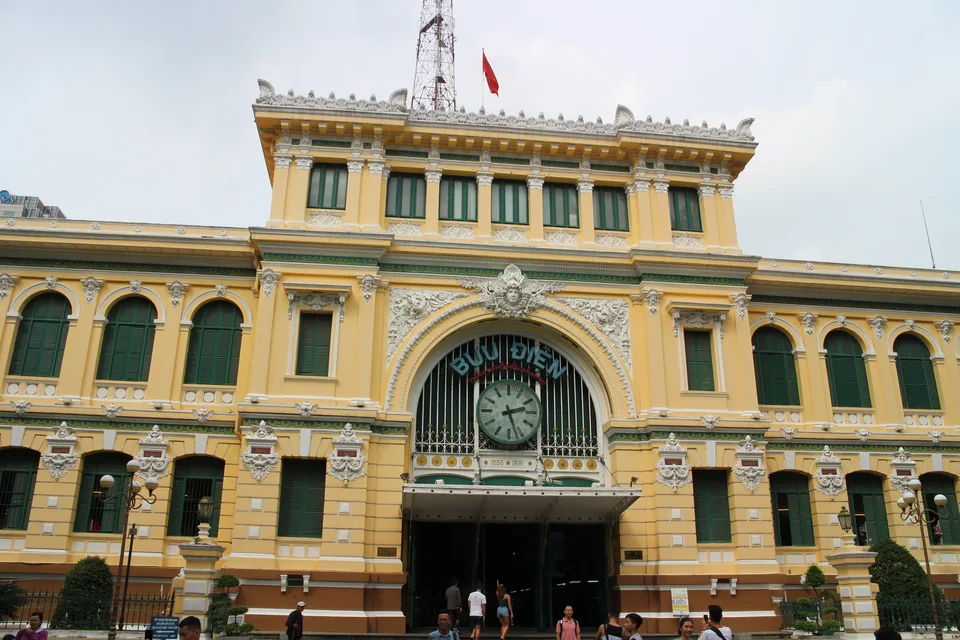
Tan Son Nhat: check the terminal for the operating airline
Terminal changes at Tan Son Nhat make an old airport article an unreliable substitute for the terminal shown on your booking. Vietnam Airlines Group's August 2025 announcement moved all of its domestic operations, including Pacific Airlines and Vasco, to Terminal 3 from 19 August. It explicitly included the remaining routes to Côn Đảo, Rạch Giá and Cà Mau that earlier notices had left at Terminal 1.
This is an airline-group announcement, not a statement that every domestic airline uses the same terminal. Check the operating carrier and flight details before arranging a pickup or a departure transfer. If connecting between flights, establish whether the itinerary requires a terminal change and whether baggage must be collected. Keep the next flight's check-in requirements in the calculation.
The airline recommends arriving at least two hours before departure and following terminal signs or asking ground staff for assistance. That is an airport-arrival recommendation rather than the travel time from a hotel. Set the departure from your accommodation using the actual route and traffic allowance, and give the driver the terminal as well as the airport name.
Metro Line 1: use the route where it fits the journey
The Bến Thành–Suối Tiên route links central stations with places farther east. The city's published Line 1 information identifies three underground stations, Bến Thành, Nhà hát Thành phố and Ba Son, followed by elevated stations including Thảo Điền and An Phú. Use the station that fits the address you need, then include the walk from its exit; being in an area served by the line does not mean every property is beside a station.
The municipal information describes single fares differentiated by distance and payment method, alongside day and three-day products. Its tariff was published for the line's launch, so check the current price and conditions before buying. Establish how pass validity is measured; a three-day product should not automatically be treated as 72 hours from first use. Compare the available products against your planned journeys rather than assuming a pass is always cheaper.
For a household commute, compare repeated single journeys with the monthly product and check any eligibility requirement for concessions. For sightseeing, a pass earns its value through the trips you make. A largely walkable day in one area needs a different comparison from several return journeys along the metro corridor.
Independence Palace: choose the palace-only or exhibition ticket
Independence Palace's official admission information, effective from May 2026, lists an adult palace-only ticket at VND40,000 and general admission including the palace and exhibition at VND80,000. The exhibition is titled From Norodom Palace to Independence Palace 1868–1966. Decide whether you want that additional historical context before selecting a ticket; the cheaper product does not include the same coverage.
Published visiting hours are 07:00–18:00 daily, subject to separately announced exceptions. The ticket hours differ by gate: 135 Nam Kỳ Khởi Nghĩa is listed from 07:00–18:00, while 106 Nguyễn Du is listed from 08:00–16:00. These are useful distinctions when arranging a late arrival or meeting a driver. Leave enough time to visit instead of interpreting the closing time as a sensible arrival time.
Concession categories have specific conditions. The admission page identifies Vietnamese university students rather than promising the student rate to everyone carrying a university card. Confirm eligibility and bring the required evidence. The electric-car tour is a separate paid service, so include it only if it fits your visit rather than assuming it accompanies the general ticket.
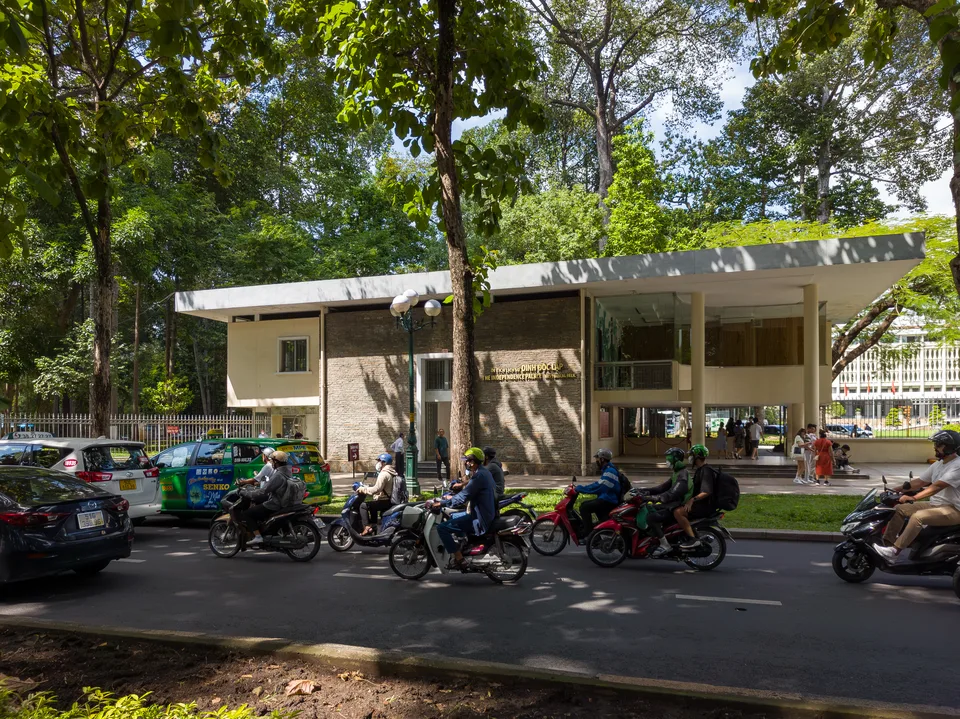
War Remnants Museum: use the current ticket rules
The War Remnants Museum's official October 2026 terms list standard admission at VND60,000 for domestic and international visitors who do not qualify for an exemption or reduction. The address is 28 Võ Văn Tần, Xuân Hòa Ward. Ticket purchase is at the main gate; the terms identify the side gate on Lê Quý Đôn for vehicle parking.
Opening hours are 07:30–17:30 daily, including public holidays and Tết, but ticket sales and visitor admission close at 17:00. Plan the visit around that earlier cutoff. The online rules say tickets are tied to the selected visit date and used once, with a QR code shown on a phone or printed. Keep the confirmation available before reaching the entrance.
Free and reduced admission depend on eligibility under Vietnamese law and supporting documents. The museum distinguishes online registration for certain free-ticket categories from tickets collected at the counter; check the applicable process before assuming a concession. Its visitor rules prohibit eating and smoking in exhibition areas and require children under ten to be accompanied by an adult. Follow the museum's photography rules and give the visit enough time for reading the displays.
Renting: start with the full cost and the lease term
RMIT Vietnam's current accommodation advice for international students describes shared houses, apartments and studios near its campuses. It explicitly says the university does not have on-campus housing, despite older material describing residential facilities. Students should use their institution's current support information and establish what is available for their intake, rather than treating a past brochure as a booking offer.
The advice notes that electricity, water, internet and management charges may be excluded from rent, with a security deposit and first month's rent among the upfront costs. Ask for a written breakdown before comparing properties. Its description of commonly offered six- to twelve-month leases is useful context, but shorter terms require agreement with the individual landlord or agent.
For a move, a temporary room can give you time to inspect an apartment and test the commute before signing. Establish who handles repairs, photograph the condition at handover and record the deposit-return and early-termination terms. A furnished home still needs an inventory of what actually works. University advice is a starting point for student housing decisions; it does not establish a particular property's suitability, price or availability for another household.
Work and study: establish the route before relocating
Vietnam's government explanation of Decree 219/2025 describes an employer-led work-permit process, including a written request explaining the need to employ a foreign worker. A job offer is therefore a starting point for checking the procedure, not permission to begin work. Ask the employer to establish the applicable permit or exemption route and the documents required for your role before making a household move depend on the start date.
The government's stated decision period follows receipt of a valid dossier; it does not include every step involved in preparing documents. Avoid treating an administrative deadline as a guaranteed date for starting employment. A short stay, an unpaid role or a particular job title should not be assumed to create an exemption without checking the actual conditions.
For study, RMIT Vietnam's current visa information requires its international students to hold a DH student visa sponsored by the university. It also requires students to work with their landlord on temporary-residence registration and warns that a different visa type may require departure to apply for the study entry route. Follow the procedure supplied by your own institution. Neither enrolment nor a rental agreement guarantees immigration approval, and temporary work or study arrangements should not be confused with permanent residence.
Visitor entry: use the Immigration Department's current application channel
The Vietnam Immigration Department's portal notice directs applications and result checks to evisa.gov.vn and thithucdientu.gov.vn. It describes an e-visa valid for a maximum of 90 days, for single or multiple entry, and lists conditions including being outside Vietnam when applying and holding a valid passport. The maximum duration is not a promise about the dates granted to an individual applicant.
Choose the entry arrangement for your passport and complete itinerary. A single-entry permission and a multiple-entry permission have different implications if the trip includes leaving Vietnam and returning. Check the approved document's personal details, validity dates and permitted entry arrangements before travelling, and use the official result channel rather than treating a payment receipt as approval.
The department states that an application fee is not refunded if the application is refused. The current official e-visa portal lists USD25 for single entry and USD50 for multiple entry. Read its payment instructions before submitting. Give the process time before making the journey depend on approval, and distinguish visitor entry from the work and study procedures above. A lengthy visit does not by itself confer permission to take employment or establish permanent residence.
Weather: plan for heat in both seasons
The national tourism authority's climate guide describes December–April as the broadly dry, sunny period in Ho Chi Minh City and May–November as hot and humid with rain. Use that pattern to choose dates for the kind of visit you want. It does not mean every dry-season day stays clear or that rain occupies every hour of a wet-season visit.
Put longer walks earlier in the day's plan when that suits the forecast, and leave an indoor option such as a museum for a change in conditions. Allow time to pause, drink water and get out of the sun. A programme of several outdoor sights can be more demanding than its map distance suggests; breaks are part of a workable itinerary, not time lost from sightseeing.
For a longer stay, inspect how the home handles heat and moisture. Test air conditioning, ask who pays for servicing and examine ventilation and any signs of water ingress. Include cooling costs in the budget. If extending the trip to another region of Vietnam, check that destination's weather separately rather than assuming Ho Chi Minh City's seasonal pattern applies nationwide.
Healthcare: identify the service and its current address
FV Hospital's current appointment information lists its address at 6 Nguyễn Lương Bằng, Tân Mỹ Ward, and distinguishes appointments from emergency contact. Its online system accepts future dates starting from the day after tomorrow; for a same-day appointment it directs patients to its appointment centre. Contact the provider about the service you need rather than assuming an online request gives immediate access.
The hospital's official closure announcement says its former FV Saigon Clinic at Bitexco Tower closed on 25 January 2025. An older directory mentioning that clinic is therefore not a suitable basis for arranging care. Verify the facility and the entrance you will actually use, especially if choosing housing partly for access to a particular provider.
For a move, establish how routine care, prescriptions and urgent treatment would fit your insurance. Ask the provider and insurer about covered services, any approval requirement, direct billing and reimbursement documents. Keep the relevant contact details accessible. A hospital offering insurance assistance does not establish that your policy covers every appointment, and a travel policy and a household's longer-term health cover can have different conditions.
Three days: leave time for history and the street setting
Begin the first full day with Independence Palace, selecting the ticket that includes the exhibition if you want its wider historical account. After a break, use the afternoon for the central landmarks and a meal. Keep the walk adaptable to heat and rain, and establish access separately for each building you want to enter. This gives the day a clear focus without making every stop a timed reservation.
On day two, visit the War Remnants Museum well before its admission cutoff. Leave time afterwards to reflect and take a break rather than immediately stacking another major museum onto the schedule. If you have energy for more exploring, choose a market or shopping outing with a route that fits your accommodation. A flexible afternoon is also useful if the morning visit takes longer than expected.
Dedicate day three to Chợ Lớn, with Bình Tây Market and Thiên Hậu Pagoda as possible anchors, or replace that day with a planned Củ Chi excursion. Those are different outings; trying to combine both can turn the programme into a sequence of transfers. Check the chosen attraction's current access and arrange the return before leaving the central area.
For a relocation visit, replace part of the third day with a property viewing and a commute test. Record practical questions while you are at the property, then compare the answers with other options after the appointment. Keep a departure day separate from this three-day programme when possible. A flight connection needs its own margin for luggage, traffic and the correct terminal, even when the previous days have run smoothly.
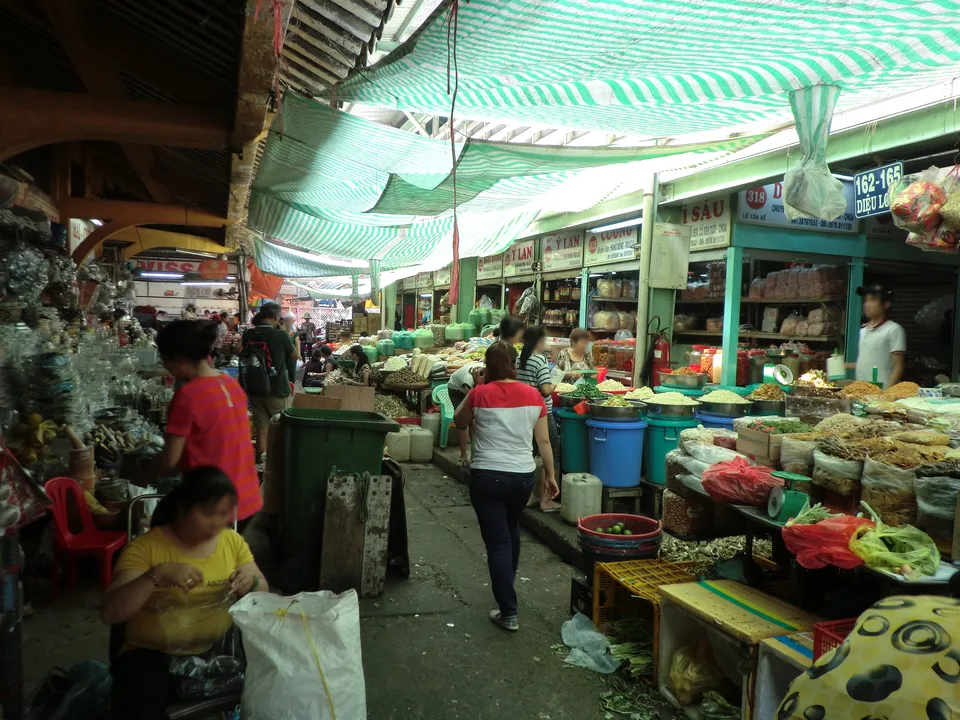
Củ Chi: establish which site and experience you are booking
The Vietnamese submission on UNESCO's Tentative List describes the Củ Chi tunnels as an interconnected system developed during the First and Second Indochina Wars. It identifies Bến Dược and Bến Đình as the principal preserved areas, with underground passages and spaces interpreting the history above ground. The July 2026 submission is a tentative-list entry; it should not be described as an inscribed World Heritage property.
Choose the specific site before comparing excursion prices. Ask which entrance the itinerary uses, what admission and guiding are included, and how much time is available there. A tour named after Củ Chi does not establish that all offers visit the same place or provide the same programme. Confirm pickup and return arrangements rather than judging the trip only by a quoted driving time.
The submission describes narrow passages and constricted sections. Discuss the actual visitor route with the site or operator if mobility or enclosed spaces are a concern, and ask which elements can be experienced above ground. Keep the excursion's practical demands in mind when deciding between it and another day within the central city.
Use VisaWand's Vietnam country guide, Vietnam location directory and Vietnam destination information for wider planning. Explore the Hanoi location directory or consultant listings for further options.
Official planning resources
Reviewed 14 October 2026. Use the official resources linked throughout this guide for admission, transport, housing and immigration decisions. Prices, services and rules can change; confirm the details relevant to your dates. Photography illustrates the locations and is not a live view.
View all official resources
- 2025 government resolution on Ho Chi Minh City's administrative units
- National tourism authority's Ho Chi Minh City information
- Vietnam Airlines Group's August 2025 announcement
- The city's published Line 1 information
- Independence Palace's official admission information
- War Remnants Museum's official October 2026 terms
- RMIT Vietnam's current accommodation advice for international students
- Vietnam's government explanation of Decree 219/2025
- RMIT Vietnam's current visa information
- Vietnam Immigration Department's portal notice
- National tourism authority's climate guide
- FV Hospital's current appointment information
- Official closure announcement
- Vietnamese submission on UNESCO's Tentative List
- Vietnam Immigration Department current e-visa application portal
Plan the next part of your journey
Explore the Vietnam guide, browse other cities or compare consultants for your travel and relocation questions.